Roofing Company: Choosing Professional Roof Installation, Repair, and Maintenance Services

Introduction
A roof is one of the most important structural components of any residential or commercial property. It protects the building from rain, wind, sunlight, moisture, and other environmental conditions while contributing to indoor comfort, energy efficiency, and overall property value. Despite its importance, roofing systems are often overlooked until visible damage or unexpected leaks begin to affect the interior of a building. Regular inspections, professional installation, and timely repairs are essential for keeping a roof in good condition and preventing minor problems from developing into expensive structural issues. Whether a property needs a completely new roof, replacement of aging materials, storm damage restoration, or routine maintenance, working with experienced roofing professionals can make a significant difference in the quality and durability of the results.
Choosing the right roofing company is an important decision for homeowners and commercial property managers because roofing projects require specialized knowledge, suitable materials, accurate measurements, and careful installation techniques. A poorly installed roof may develop leaks, ventilation problems, premature material deterioration, and other issues that affect the entire building. Professional contractors understand how different roofing systems work and can recommend appropriate solutions based on roof design, building requirements, budget, and environmental conditions. Understanding the services offered by roofing professionals, the materials available, and the factors involved in selecting a contractor can help property owners make informed decisions and protect their investments for years to come.
Understanding the Importance of Professional Roofing Services
Professional roofing work involves much more than placing shingles or other materials over a building. A complete roofing system consists of several interconnected components that work together to protect the property from external conditions. These components may include the roof deck, underlayment, flashing, drainage elements, ventilation systems, insulation, and the visible roofing material. Every component must be installed correctly to ensure the system performs as intended.
One of the main reasons professional installation matters is that roofing materials must be selected according to the building’s design and environmental requirements. Different properties may require different solutions depending on roof slope, structural capacity, weather exposure, and ventilation needs. Selecting an unsuitable material can affect durability, maintenance requirements, and long-term performance.
Professional roofing contractors also understand the importance of identifying hidden damage before beginning a project. A roof may appear reasonably sound from the outside while containing deteriorated decking, damaged flashing, or moisture-related problems beneath the visible surface. A detailed inspection helps identify these issues and ensures that necessary repairs are completed before new materials are installed.
Another important benefit of professional roofing work is improved property protection. A properly installed system helps prevent water intrusion, reduces the likelihood of structural damage, and supports a more comfortable indoor environment. Investing in quality workmanship can therefore provide long-term value beyond the initial installation.
Common Signs That Your Roof Needs Professional Attention
Recognizing early signs of roof deterioration can help property owners arrange inspections and repairs before more extensive damage develops. One of the most common warning signs is a water stain on an interior ceiling or wall. These stains may indicate that water has entered through damaged shingles, deteriorated flashing, loose roof connections, or other vulnerable areas. Even a small stain should be investigated because moisture can spread through insulation and structural materials before becoming visible.
Missing, cracked, curled, or damaged shingles are additional signs that a roofing system may require attention. Shingles protect the underlying structure from direct exposure to rain and sunlight. When they become damaged or displaced, water may enter the roofing layers and cause deterioration over time. Similar problems can occur with metal panels, tiles, and other roofing materials when connections become loose or protective coatings deteriorate.
Another indication is the accumulation of granules inside gutters. Asphalt shingles naturally release some granules as they age, but excessive accumulation may indicate significant surface deterioration. Homeowners should also watch for sagging roof sections, damaged fascia boards, peeling exterior paint, and recurring leaks.
Increased energy expenses can sometimes be associated with roofing problems as well. Poor ventilation, damaged insulation, and air leakage around the roof structure may make it more difficult to maintain comfortable indoor temperatures. Although higher utility costs can have several causes, a roofing inspection may help identify problems that affect energy efficiency.
Different Types of Roofing Services Available
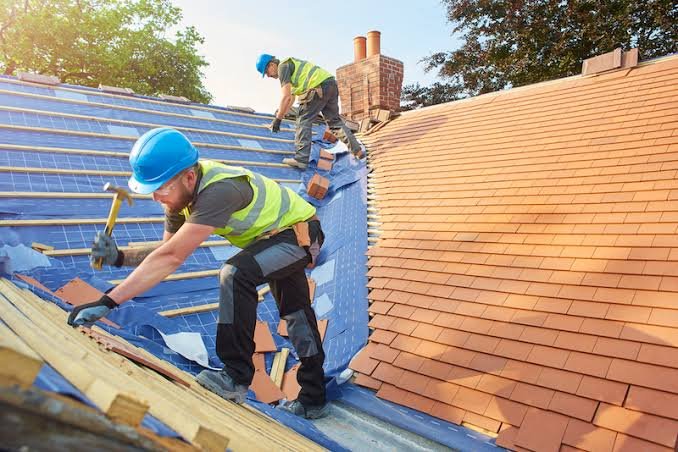
Roofing contractors generally provide several services designed to address different property requirements. Roof installation is one of the most important because it involves creating a complete protective system for a new building or replacing an existing roof that has reached the end of its useful life. The process includes evaluating the structure, selecting suitable materials, preparing the roof deck, installing protective layers, and ensuring that all connections and drainage components are properly fitted.
Roof repair is another essential service. It involves addressing localized problems such as damaged shingles, leaking flashing, loose panels, cracked tiles, and minor structural deterioration. Timely repairs can help extend the life of an existing roof and prevent small faults from becoming major problems.
Roof replacement is generally recommended when the existing system has extensive damage, widespread deterioration, or recurring problems that cannot be resolved economically through individual repairs. Replacement allows property owners to upgrade to modern materials and improve other aspects of the roofing system, including ventilation and insulation.
Roof inspections and maintenance services help identify potential issues before they cause significant damage. Contractors may examine the roof surface, flashing, gutters, drainage points, ventilation components, and visible structural elements. Commercial properties may also require specialized maintenance programs because their roof designs and operational requirements can differ considerably from residential buildings.
Additional services may include storm damage restoration, skylight installation, roof coating, waterproofing, and gutter-related improvements. The right service depends on the condition of the building and the property’s long-term maintenance objectives.
Popular Roofing Materials and Their Benefits
Selecting the appropriate roofing material is one of the most important decisions in any roofing project. Different materials offer different advantages in terms of appearance, durability, cost, maintenance, and energy performance. The best option depends on the property’s architectural design, roof structure, environmental conditions, and available budget.
Asphalt shingles are among the most widely used roofing materials for residential properties. They are available in different colors, styles, and quality levels, making them suitable for many architectural designs. Asphalt shingles are relatively accessible in terms of initial cost and can provide dependable protection when properly installed and maintained. However, their expected lifespan depends on product quality, ventilation, installation standards, and environmental exposure.
Metal roofing is another popular choice because of its durability and relatively low maintenance requirements. Metal panels can be manufactured from materials such as steel and aluminum and are available in different profiles and finishes. They can provide effective protection against various weather conditions and may offer long-term value because of their durability. Proper installation is essential to prevent problems involving fasteners, seams, and thermal movement.
Clay and concrete tiles are often selected for their distinctive appearance and long service life. These materials can complement traditional and contemporary architectural styles while providing strong resistance to many environmental conditions. However, they are heavier than several alternative materials, meaning that the roof structure must be suitable for supporting their weight.
Slate roofing is another premium option known for its natural appearance and durability. Although it can last for many decades when properly installed, it generally requires specialized installation skills and a suitable structural foundation. Its initial investment may also be higher than that of conventional roofing systems.
Benefits of Hiring an Experienced Roofing Contractor
Hiring an experienced contractor can significantly influence the outcome of a roofing project. Professional roofers understand how to assess roof conditions, select appropriate materials, and complete installations according to established industry practices. Their knowledge helps reduce the likelihood of errors that may result in leaks, premature deterioration, or unnecessary repair expenses.
One major advantage is accurate problem identification. Some roofing issues are difficult to locate because water can travel along structural components before appearing inside the building. Experienced professionals know how to inspect vulnerable areas, including flashing connections, valleys, roof penetrations, and drainage points. Identifying the actual source of a problem helps prevent ineffective repairs.
Another benefit is access to appropriate tools and equipment. Roofing projects often involve specialized cutting tools, fastening systems, safety equipment, and installation materials. Professional contractors have experience using these resources and understand how to complete work efficiently without compromising quality.
Experienced roofers can also help property owners select materials that match their requirements. Instead of focusing only on appearance or initial price, they can explain the differences between roofing products and discuss expected maintenance needs, warranties, and long-term performance.
Finally, professional workmanship may provide access to installation warranties and manufacturer-backed product guarantees, depending on the materials and contractor. These protections can offer additional confidence when a roofing project is completed according to the applicable requirements.
The Roofing Installation Process Explained
A successful roofing installation begins with a detailed inspection and project assessment. During this stage, the contractor evaluates the existing roof, measures the required surface area, examines the structural condition, and identifies any issues that may affect the installation. The homeowner can then discuss material preferences, design considerations, project costs, and the expected timeline.
Once the planning stage is complete, the contractor prepares the work area and removes existing roofing materials when necessary. Removing the old surface allows the underlying roof deck to be inspected for signs of moisture damage, rot, or structural deterioration. Any damaged sections should be repaired before the new roofing system is installed.
The next stage involves preparing the roof deck and installing appropriate protective layers. Depending on the roofing system, this may include underlayment, waterproofing membranes, drip edges, and other components designed to protect vulnerable areas. Correct installation of these layers is essential because they provide additional protection beneath the visible roofing material.
The selected roofing material is then installed according to the manufacturer’s specifications. Shingles, panels, tiles, or other materials must be properly aligned and secured to maintain a consistent and protective surface. Flashing is installed around roof penetrations, valleys, chimneys, and other transition points where water may otherwise enter.
After installation, the contractor should inspect the completed system, verify that drainage components are functioning properly, and remove construction debris. A final walkthrough helps confirm that the work has been completed according to the agreed scope and that the property is ready for normal use.
How to Choose the Right Roofing Company
Choosing a reliable contractor is one of the most important steps in protecting your property and ensuring that a roofing project delivers long-term value. Homeowners should begin by researching contractors with relevant experience in the type of roofing system they need. A professional who regularly installs metal roofing, for example, may have different specialized skills from someone who primarily works with tile or asphalt shingles.
Licensing and insurance should also be verified according to applicable local regulations. Property owners should confirm that the contractor meets relevant professional requirements and carries appropriate insurance coverage. These checks can help reduce potential complications during the project.
Reputation is another useful factor. Customer reviews, recommendations, and photographs of previous projects can provide insight into workmanship and customer service. Homeowners should look for consistent feedback about communication, punctuality, project management, and the quality of completed installations.
Written estimates are equally important. A professional proposal should explain the materials being used, the scope of work, removal procedures, labor costs, installation timeline, payment arrangements, and warranty conditions. Comparing detailed estimates makes it easier to understand the differences between contractors and avoid unexpected expenses.
It is also helpful to ask about the contractor’s approach to unexpected problems. Roofing projects can reveal hidden damage after the existing materials are removed. A dependable professional should explain how additional repairs will be evaluated, priced, and approved before the work continues.
The Importance of Roof Inspections and Preventive Maintenance
Regular roof inspections are essential for identifying early signs of damage and maintaining the performance of a roofing system. Even high-quality materials can deteriorate over time because of environmental exposure, aging, and regular weather-related stress. Without periodic inspections, minor issues may remain unnoticed until they begin affecting the interior of the building.
A professional inspection typically includes checking visible roofing materials for cracks, missing sections, loose fasteners, and signs of deterioration. Contractors may also examine flashing, roof valleys, drainage components, gutters, and ventilation openings. These areas are especially important because problems around connections and transitions can allow water to enter the building.
Gutters should be cleaned regularly to prevent leaves, dirt, and other debris from restricting water flow. Blocked gutters can cause water to collect near roof edges and increase the likelihood of moisture damage. Downspouts should also be checked to ensure that rainwater is directed away from the foundation.
Homeowners should pay attention to nearby tree branches as well. Overhanging branches can scrape roofing materials, deposit debris, and increase the risk of physical damage during storms. Proper tree maintenance can reduce these risks and make routine roof cleaning easier.
Preventive maintenance also involves monitoring interior ceilings and attic spaces for unusual moisture, mold growth, or discoloration. These signs may indicate that the roofing system requires professional attention even when the exterior surface appears relatively normal.
Understanding Roofing Costs and Budget Planning
The cost of a roofing project depends on several factors, including roof size, design complexity, material selection, labor requirements, and the condition of the existing structure. A straightforward roof with an accessible surface may require less labor than a building with steep slopes, multiple valleys, dormers, skylights, and other architectural features.
Material selection has a significant influence on the overall investment. Asphalt shingles are generally more affordable than premium slate or certain metal roofing systems. Tile and specialty roofing materials may also involve additional structural considerations and specialized installation requirements.
Labor expenses can vary depending on project complexity, contractor experience, and the amount of preparation required. If the existing roof contains damaged decking, deteriorated flashing, or moisture-related structural problems, additional repair work may be necessary before installation can proceed.
Property owners should also consider costs associated with permits, disposal of old materials, ventilation upgrades, insulation improvements, and drainage modifications where applicable. These expenses should be discussed before the project begins to establish a realistic budget.
Obtaining multiple written estimates can help homeowners compare available options. However, the lowest quotation should not automatically be considered the best choice. Material quality, installation standards, insurance, warranties, and contractor reputation are all important factors when evaluating the overall value of a roofing project.
Residential and Commercial Roofing Requirements
Residential and commercial roofing systems have different requirements because their building designs, structural layouts, and daily operational needs are not identical. Residential roofs are commonly designed around pitched surfaces, although some homes also feature flat or low-slope sections. These systems may use asphalt shingles, metal panels, clay tiles, or other materials selected according to architectural style and environmental conditions.
Commercial properties frequently use flat or low-slope roofing systems that require specialized waterproofing and drainage solutions. Common commercial roofing materials include modified bitumen, built-up roofing, single-ply membranes, and other products designed for larger roof surfaces. These systems must be installed carefully to prevent water accumulation and protect the building from leaks.
Commercial properties may also contain rooftop equipment such as heating and cooling systems, ventilation units, and electrical installations. These features create additional areas where flashing and waterproofing details require attention. Regular inspections are particularly important because roof damage can disrupt business activities, affect inventory, and create safety concerns for employees and visitors.
Property managers should establish maintenance schedules that account for the roof’s age, material type, and usage requirements. Keeping accurate inspection records can help identify recurring problems and support better long-term maintenance planning.
Improving Energy Efficiency Through Better Roofing
A well-designed roofing system can contribute to improved indoor comfort and energy efficiency. The roof is directly exposed to sunlight and outdoor temperatures, making its materials, insulation, and ventilation important factors in managing indoor conditions.
Roof insulation helps reduce unwanted heat transfer between the building’s interior and the outdoor environment. Proper insulation can make it easier to maintain comfortable indoor temperatures and may reduce the workload placed on heating and cooling equipment.
Ventilation is another important consideration. An appropriately designed ventilation system allows air to move through suitable attic or roof spaces, helping manage excess heat and moisture. Poor ventilation can contribute to condensation, premature material deterioration, and uncomfortable indoor conditions.
Reflective roofing materials and coatings may also help reduce heat absorption in certain building applications. Their effectiveness depends on product characteristics, roof design, insulation levels, and environmental conditions. Contractors can explain which options are suitable for a particular property.
When replacing an aging roof, homeowners have an opportunity to review insulation and ventilation alongside the visible roofing material. Addressing these elements together can support better overall performance and reduce avoidable maintenance problems.
Storm Damage and Emergency Roofing Repairs
Severe weather can create unexpected roofing problems, including missing shingles, damaged flashing, displaced metal panels, fallen branches, and water intrusion. Even relatively minor exterior damage can allow rainwater to enter the building, making timely assessment important.
After a storm, property owners should look for visible signs of damage from a safe location. They should avoid climbing onto a wet or damaged roof because unstable surfaces and hidden structural problems can create serious safety risks. If water is entering the building, protecting belongings and arranging professional assistance should be priorities.
Emergency roofing professionals can assess visible damage, identify vulnerable areas, and recommend appropriate temporary protection or permanent repairs. Depending on the extent of the damage, the work may involve replacing individual materials, repairing flashing, securing loose sections, or completing more extensive restoration.
Documentation is also important when storm damage may involve an insurance claim. Photographs, inspection reports, repair estimates, and relevant maintenance records can help property owners communicate with their insurance provider. Homeowners should review their policy requirements and avoid assuming that every type of roof damage is automatically covered.
Roofing Warranties and Long-Term Protection
Warranties are an important consideration when planning a roof installation or replacement project. They may provide protection against certain material defects or installation-related problems, depending on the terms and conditions of the agreement.
Manufacturer warranties generally cover specified defects in the roofing products themselves. Their duration and coverage vary according to the material, product range, and installation requirements. Some manufacturers may require the roofing system to be installed by approved contractors to qualify for particular warranty benefits.
Workmanship warranties are provided by contractors and relate to the quality of the installation. These warranties can be particularly valuable because installation errors may cause leaks or premature system failure even when the materials are of good quality.
Property owners should carefully review warranty documents before approving a project. Important details include coverage periods, exclusions, maintenance responsibilities, claim procedures, and whether the warranty can be transferred to a future property owner.
Maintaining records of installation dates, product information, inspections, and completed repairs can also be helpful. Proper documentation makes it easier to understand the history of the roofing system and determine whether an issue may fall within the applicable warranty coverage.
Conclusion
A reliable roofing system is essential for protecting a property from environmental exposure, water intrusion, structural deterioration, and unnecessary maintenance expenses. From new installations and complete replacements to localized repairs and preventive inspections, professional roofing work helps maintain the safety, appearance, and long-term value of residential and commercial buildings.
Selecting suitable materials, hiring experienced professionals, and prioritizing proper installation techniques are important steps toward achieving dependable results. Property owners should also consider ventilation, insulation, drainage, warranties, and ongoing maintenance when planning a roofing project. Addressing these elements together can help prevent recurring problems and improve the overall performance of the building.
Choosing the right roofing company requires careful research, transparent communication, and a clear understanding of the work being proposed. By comparing qualified contractors, reviewing detailed estimates, and investing in quality workmanship, property owners can make informed decisions that support long-term protection. A professionally installed and properly maintained roof provides more than shelter; it offers greater peace of mind, improved property appeal, and lasting confidence in one of the building’s most important structural systems.