Stucco Painting:Preparing, Protecting, and Transforming Exterior Surfaces

Stucco is a popular exterior and interior wall finish known for its durability, distinctive texture, and attractive appearance. It is commonly used in residential and commercial construction because it provides a solid surface that can withstand various environmental conditions when properly installed and maintained. However, even durable stucco surfaces can gradually lose their original appearance due to sunlight, moisture, dust, temperature changes, and everyday exposure to the elements. Over time, discoloration, fading, stains, and minor surface imperfections may become noticeable, making the property look older than it actually is. Applying a suitable coating can restore its appearance while providing an additional layer of protection against environmental damage.
Painting textured walls requires a different approach from painting ordinary drywall or smooth exterior surfaces. The uneven texture, small crevices, and porous nature of stucco can make preparation and application more challenging. Selecting the right paint, repairing damaged areas, controlling moisture, and using appropriate equipment are all important parts of achieving a consistent finish. Whether a property owner wants to refresh an existing exterior, update an interior wall, or improve the overall appearance of a building, understanding the correct techniques can make a significant difference. A carefully planned stucco painting project can improve curb appeal, support surface protection, and extend the useful life of the existing finish.
Understanding the Characteristics of Stucco Surfaces
Stucco is generally created from a cement-based mixture that may contain sand, lime, water, and other materials depending on the formulation. It is applied to walls to create a textured finish that can range from relatively smooth to deeply patterned. This variety gives property owners considerable flexibility when selecting architectural styles and decorative appearances. Traditional cement-based stucco is valued for its strength, while modern synthetic stucco systems use different materials and installation methods to achieve specific performance characteristics.
One important feature of stucco is its porous structure. Traditional cement-based finishes can absorb and release moisture, which means their condition may be influenced by weather exposure and the quality of the surrounding building envelope. This characteristic makes product selection particularly important when planning a coating project. Paint should be suitable for the specific stucco system and should not interfere with its intended moisture-management properties.
Another important consideration is surface texture. Deeply textured walls have more surface area than smooth walls, so they generally require more paint to achieve complete coverage. Small holes, grooves, and raised sections may also make it difficult to maintain an even finish with ordinary painting tools. Understanding these characteristics helps property owners select suitable materials and plan the amount of labor and paint required for the project.
Why Painting Stucco Is Important for Property Maintenance
Exterior walls experience continuous exposure to sunlight, rain, wind, airborne dust, and changing temperatures. These conditions can gradually affect the appearance and performance of exterior finishes. Although stucco is designed to provide long-lasting protection, its surface may become faded, stained, or uneven over time. Applying an appropriate coating can improve its appearance and help protect the underlying material from certain forms of environmental exposure.
A freshly painted surface can also transform the overall appearance of a property. Color selection influences how architectural features, windows, doors, landscaping, and other exterior elements work together. Neutral shades can create a timeless appearance, while carefully selected contemporary colors can give an older building a refreshed look. For commercial properties, a consistent exterior finish can also contribute to a professional and well-maintained image.
Another advantage is the opportunity to identify and address minor surface problems during preparation. Cleaning and inspecting the walls before painting may reveal small cracks, deteriorated areas, or previous repairs that require attention. Addressing these issues before applying a new coating can improve the final result and reduce the likelihood of premature paint failure. However, paint should never be treated as a substitute for repairing structural damage or resolving ongoing water intrusion.
Preparing Stucco Walls Before Painting
Surface preparation is one of the most important stages of any painting project. Even high-quality paint may fail to adhere properly when applied over dirt, loose material, chalking, mildew, or deteriorated coatings. Stucco surfaces should therefore be inspected and prepared carefully before any primer or paint is applied.
The first step is a thorough visual inspection. Property owners or contractors should look for cracks, holes, peeling paint, loose stucco, moisture stains, and areas where the existing coating appears damaged. Small cosmetic imperfections may require minor repairs, while larger cracks or recurring damp areas may indicate deeper problems that need professional evaluation. Painting over unresolved damage can lead to additional maintenance expenses later.
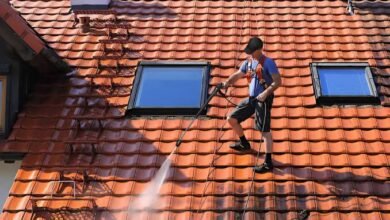
Cleaning is equally important. Dust, cobwebs, dirt, and loose debris should be removed using suitable cleaning methods. Depending on the surface condition, a soft brush, garden hose, or carefully controlled pressure washing may be appropriate. Excessive pressure should be avoided because it can damage weaker stucco sections or force water into openings around windows and doors. After cleaning, the surface must dry sufficiently before repairs, priming, or painting begin.
Any loose or flaking paint should be removed using suitable tools and appropriate safety precautions. Repairs should be completed with materials compatible with the existing stucco system. Once repairs have been cured according to manufacturer instructions, the surface can be prepared for the next stage. Taking time to complete these steps helps create a stable foundation for the new coating.
Choosing the Right Paint for Textured Walls
Selecting suitable paint is essential for achieving a durable and attractive finish. Not every exterior coating is appropriate for every stucco system, so property owners should consider the existing surface, environmental exposure, and manufacturer’s recommendations before making a selection. The product should be specifically designed for masonry or stucco applications and should provide suitable adhesion and weather resistance.
Acrylic latex masonry paint is commonly used on traditional cement-based stucco because it offers good flexibility, adhesion, and resistance to many outdoor conditions. Its ability to accommodate minor surface movement can help reduce some coating-related problems. However, the suitability of any product depends on the condition and moisture characteristics of the wall.
Elastomeric coatings are another option for certain stucco surfaces. These products are designed to form a more flexible film and may help bridge very small, nonstructural surface cracks within their specified limitations. They can provide useful protection when selected and applied correctly, but they are not appropriate for every building. Their thickness and permeability characteristics should be evaluated carefully, particularly where moisture is already present.
Paint should also be selected according to the property’s exposure. Walls that receive intense sunlight may benefit from products with good color retention and ultraviolet resistance. Areas exposed to frequent rain may require coatings with appropriate water resistance while still allowing the wall assembly to manage moisture as designed. Consulting a knowledgeable paint supplier or qualified contractor can help prevent unsuitable product choices.
Selecting Colors That Complement Architectural Design
Color selection has a major influence on the final appearance of a property. Because stucco creates a textured surface, the way light interacts with its grooves and raised areas can make colors appear slightly different from how they look on a small paint sample. Testing a few sample colors on the actual wall can help property owners understand the final appearance before committing to the entire project.
Light neutral colors, including cream, beige, soft gray, and warm white, are frequently chosen because they complement different architectural styles. These shades can make buildings appear bright and welcoming while working well with various roof materials and decorative features. Earth-inspired colors such as sandstone, muted brown, and terracotta can create a natural appearance, particularly when combined with stone or wood accents.
Darker colors may provide a dramatic and contemporary appearance, but they can absorb more solar heat depending on their formulation and exposure. In some situations, this may contribute to greater temperature-related movement in the coating or underlying materials. Property owners should consider manufacturer recommendations and local environmental conditions before selecting very dark exterior colors.
It is also useful to coordinate the wall color with trim, doors, shutters, and other architectural details. A balanced color scheme can make the building appear more cohesive without overwhelming its original design. Rather than choosing a color based only on current trends, property owners should consider long-term appeal and the appearance of the surrounding property.
Applying Primer for Better Adhesion and Coverage
Primer provides an important foundation for many stucco painting projects. It helps prepare the surface for the final coating and may improve adhesion, reduce uneven absorption, and provide more consistent coverage. The correct primer depends on the stucco type, surface condition, and paint manufacturer’s recommendations.
New or previously unpainted cement-based stucco may require a primer formulated for masonry surfaces. Fresh stucco must also be sufficiently cured before painting. Applying coatings too early can interfere with proper curing and may contribute to adhesion or finish problems. The curing period varies according to the stucco material, environmental conditions, and manufacturer instructions.
Previously painted walls may require a different preparation approach. If the existing coating is stable and compatible with the new paint, a full primer application may not always be necessary. However, repaired areas, exposed substrate, and heavily weathered sections may require suitable priming to create consistent conditions across the surface.
Primer should be applied evenly, with particular attention given to textured sections and areas that absorb material more quickly. Rollers designed for rough surfaces can help reach grooves and irregular areas, while brushes may be useful for corners and detailed sections. Allowing the primer to dry according to the product instructions is essential before applying the finish coat.
Using the Correct Tools and Equipment
The texture of stucco requires tools that can reach recessed areas and provide consistent coverage. Ordinary painting equipment may not work effectively on deeply textured surfaces because it can leave untreated spots or uneven application. Selecting suitable tools before beginning the project can save time and improve the finished appearance.
Thick-nap rollers are commonly used for textured exterior walls because their longer fibers can reach into small grooves and irregular sections. The appropriate nap length depends on the depth of the texture and the manufacturer’s recommendations. A roller that is too short may struggle to cover recessed areas, while an unsuitable roller may hold excessive paint and create uneven application.
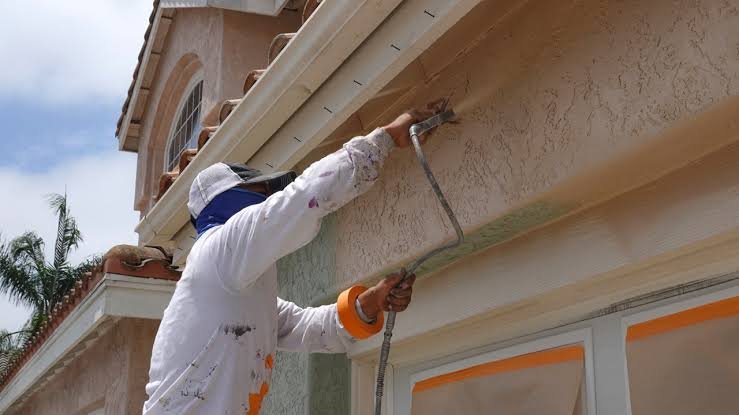
Paintbrushes remain useful for corners, narrow spaces, trim edges, and areas around architectural details. Some contractors use professional paint sprayers to cover large exterior walls efficiently. Spraying can provide a consistent application when performed correctly, although textured surfaces may require back-rolling to help distribute the coating into recessed areas.
Other useful equipment includes extension poles, paint trays, drop cloths, masking materials, protective eyewear, gloves, and suitable ladders or access equipment. All tools should be clean and in good condition before use. Proper preparation of the work area also helps protect windows, doors, landscaping, outdoor furniture, and nearby surfaces from accidental paint splashes.
Understanding the Proper Painting Technique
A consistent application technique is important for achieving an attractive finish. Before starting, the paint should be mixed according to the manufacturer’s instructions to ensure that its color and consistency remain uniform. If multiple containers are needed, combining compatible paint from the same product range may help reduce minor color variations between batches.
Painting should generally begin after the surface has been prepared, repairs have cured, and primer has dried as required. Working in manageable sections helps maintain a wet edge and reduces the appearance of lap marks. On larger walls, contractors may work systematically from one section to another to maintain consistent coverage.
Rollers should be loaded appropriately without carrying excessive paint. Applying too much material in one area can result in drips, uneven texture, or visible buildup. Textured surfaces may need additional attention to ensure that recessed areas receive sufficient coating. A brush can help cover difficult corners and areas that rollers cannot reach effectively.
Some projects require more than one finish coat to achieve the desired color and coverage. Each coat should be allowed to dry according to the manufacturer’s instructions before the next application. Rushing the process can affect the final appearance and may reduce coating performance. Weather conditions should also be considered because excessive humidity, rain, direct sunlight, or unsuitable temperatures can interfere with proper drying and curing.
Understanding Weather Conditions and Painting Schedules
Weather has a considerable influence on exterior painting projects. Temperature, humidity, wind, and rainfall can affect how paint spreads, dries, and adheres to stucco surfaces. Even a suitable product may perform poorly if it is applied under conditions outside its recommended application range.
Very hot surfaces can cause paint to dry too quickly, making it difficult to maintain an even finish. Direct sunlight may also create differences in drying time between sections of the same wall. Whenever possible, contractors should schedule work according to suitable weather conditions and avoid painting surfaces that are excessively hot.
Rain is another important consideration. Applying paint immediately before rainfall can lead to surface damage, streaking, or incomplete curing. The forecast should be checked before work begins, and sufficient drying time should be allowed after application. High humidity may also extend drying periods, so product instructions should be followed rather than relying on a fixed schedule.
Wind can create additional challenges by carrying dust and debris onto wet surfaces. It may also cause overspray when spraying equipment is used. Planning the project around suitable conditions helps protect the quality of the finish and reduces the possibility of having to repeat sections of the work.
Common Problems That Can Affect Painted Stucco
Several problems can develop when stucco is not prepared or painted correctly. Peeling is one of the most common issues and may occur when paint is applied over loose coatings, moisture-damaged surfaces, or unsuitable materials. Poor adhesion can also result from insufficient cleaning or applying paint before the surface has dried properly.
Blistering may develop when moisture or heat becomes trapped beneath a coating. It can also occur when painting conditions are unsuitable or when the wall assembly has an unresolved moisture problem. Simply removing the visible blisters and repainting may not provide a lasting solution if the underlying cause remains.
Uneven color and patchy coverage are other concerns, particularly on deeply textured walls. These problems may result from inconsistent paint application, inadequate product quantity, poor surface preparation, or differences in absorption between repaired and original sections. Applying suitable primer and maintaining consistent application techniques can help reduce these issues.
Cracking may also affect the finished appearance. Minor hairline cracks can sometimes be addressed with compatible repair materials or appropriate flexible coatings, but larger or recurring cracks require proper evaluation. Structural movement, water penetration, and other underlying conditions should be investigated before applying new paint.
Maintaining Painted Stucco for Long-Term Results
Regular maintenance helps preserve the appearance and performance of painted stucco surfaces. Although a quality coating can provide protection for many years, environmental exposure and normal building movement can gradually affect its condition. Periodic inspections allow property owners to identify minor problems before they become more expensive to repair.
Exterior walls should be checked for peeling, fading, cracking, stains, and signs of moisture intrusion. Areas around windows, doors, roof edges, and plumbing connections deserve particular attention because they may be more vulnerable to water penetration. Any drainage problems should be corrected promptly to prevent repeated exposure to moisture.
Gentle cleaning can help remove dust, dirt, and surface contaminants. Suitable cleaning methods should be selected according to the paint manufacturer’s recommendations to avoid damaging the coating. Excessive pressure washing or harsh chemicals may shorten the life of the finish, particularly when the surface is already deteriorated.
Landscaping should also be maintained so that plants and tree branches do not continuously rub against exterior walls. Sprinklers should be directed away from painted surfaces whenever possible to limit repeated moisture exposure and staining. When small areas become damaged, prompt repairs using compatible materials can help maintain a consistent appearance and protect the underlying finish.
Why Professional Painters Are Valuable for Stucco Projects
Although some property owners prefer to complete painting projects themselves, textured surfaces can require specialized experience and equipment. Professional painters understand how different stucco finishes respond to cleaning, repairs, primers, and coatings. Their knowledge can help prevent common application mistakes and improve the consistency of the finished surface.
A qualified contractor should begin with an inspection rather than immediately recommending paint application. This evaluation helps identify cracks, moisture issues, deteriorated sections, and existing coatings that may require additional preparation. The contractor can then recommend suitable products and explain the steps necessary to achieve a durable finish.
Professional services can also be useful for large buildings, multi-story properties, and complex architectural designs. Specialized access equipment and professional application tools may make these projects safer and more efficient. Contractors can estimate material requirements, plan application schedules, and coordinate work around suitable weather conditions.
Before hiring a painter, property owners should review previous projects, references, insurance coverage, and written estimates. The estimate should clearly explain preparation work, repair requirements, primer selection, paint products, the number of coats, and cleanup responsibilities. A detailed agreement helps establish realistic expectations and reduces the possibility of misunderstandings.
Budgeting for a Successful Painting Project
The overall cost of painting a stucco property depends on several factors, including wall area, surface condition, texture depth, paint quality, labor requirements, and accessibility. A building with extensive cracks, peeling paint, or moisture damage may require considerably more preparation than a relatively new property with a stable surface.
Material expenses may include cleaning supplies, repair compounds, primers, finish coatings, masking materials, and application equipment. Labor costs can vary depending on the project’s complexity and the amount of preparation required. Multi-story buildings may also require additional access equipment, which can increase the overall investment.
Property owners should avoid selecting a contractor based entirely on the lowest quotation. An unusually low estimate may exclude essential preparation, repairs, or sufficient paint coverage. Comparing detailed quotations provides a better understanding of the actual services being offered.
Planning for maintenance expenses is also worthwhile. Periodic inspections and small repairs can help extend the life of the coating and reduce the need for premature repainting. Choosing suitable products and investing in proper preparation may require a greater initial budget, but these decisions can support better long-term value.
Conclusion
Stucco is a durable and attractive wall finish, but maintaining its appearance requires appropriate care and attention. Environmental exposure, moisture, surface damage, and ordinary aging can gradually affect its condition. Applying a suitable coating provides an opportunity to refresh the property while helping protect the surface from certain forms of environmental wear.
A successful stucco painting project begins with careful inspection and preparation. Cleaning, repairing damaged areas, selecting compatible primers, and choosing high-quality coatings all contribute to a consistent and durable result. Proper tools, suitable weather conditions, and correct application techniques are equally important, especially when working with deeply textured surfaces.
Property owners should also remember that painting is only one part of responsible building maintenance. Moisture problems, structural cracks, and damaged stucco must be addressed before new coatings are applied. Regular inspections and timely repairs can help preserve the finished appearance and prevent avoidable deterioration.
Whether the goal is to improve curb appeal, update an older building, or maintain an existing exterior finish, stucco painting can provide meaningful long-term benefits when approached correctly. With suitable materials, professional guidance when necessary, and consistent maintenance, property owners can enjoy attractive walls and a well-maintained property for years to come.