Improving Home Comfort and Cooling Efficiency With Professional Air Conditioning Services

Understanding the Importance of AC Repair
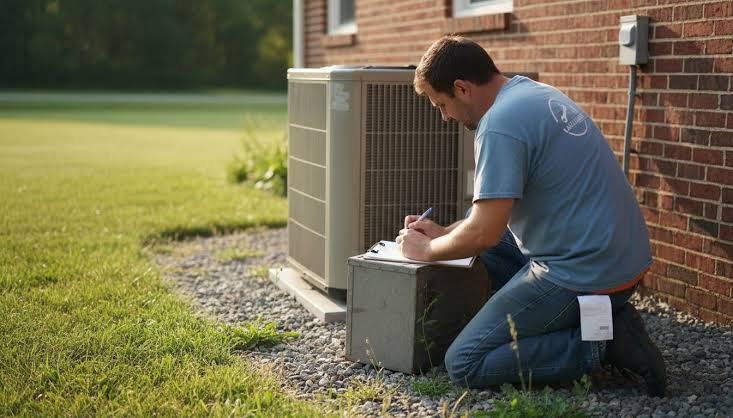
A dependable air conditioning system is essential for maintaining a comfortable indoor environment, improving air circulation, and managing indoor humidity during periods of warm weather. When an air conditioner operates correctly, it helps maintain consistent temperatures and creates a more pleasant atmosphere for everyday activities, whether people are working from home, spending time with family, or relaxing after a busy day. However, like any mechanical system, an air conditioner can develop problems because of regular wear, inadequate maintenance, electrical faults, restricted airflow, or malfunctioning components. Professional AC repair helps homeowners identify these issues, restore reliable cooling performance, and prevent minor faults from developing into expensive equipment failures. Addressing problems early can also reduce unnecessary strain on important components and help the system operate closer to its intended efficiency.Modern air conditioning systems contain several interconnected components that must work together to remove heat from indoor air and release it outdoors. These components include the compressor, evaporator coil, condenser coil, refrigerant lines, thermostat, blower motor, electrical connections, and air filtration system. When one component begins to malfunction, the effects can extend throughout the equipment, resulting in weak airflow, uneven temperatures, unusual sounds, or increased energy consumption. Homeowners may notice that their air conditioner runs continuously without reaching the desired temperature or shuts down before adequately cooling the room. Rather than ignoring these warning signs, arranging a professional inspection allows a qualified technician to investigate the underlying cause and recommend an appropriate solution. Understanding the importance of timely maintenance and dependable repairs makes it easier to protect the cooling system, maintain indoor comfort, and avoid unnecessary disruptions.
Recognizing Common Air Conditioning Problems
Air conditioners often provide noticeable warning signs when something is wrong, and recognizing these symptoms can help homeowners respond before the situation becomes more serious. One common problem is insufficient cooling, which may occur when the air conditioner produces air that feels warmer than expected or struggles to maintain the thermostat setting. Possible causes include dirty filters, blocked condenser coils, malfunctioning thermostats, restricted ductwork, refrigerant leaks, or problems with the compressor. Although these issues can produce similar symptoms, they require different diagnostic procedures and solutions. Repeatedly lowering the thermostat will not correct an underlying mechanical fault and may cause the equipment to run longer than necessary. A qualified technician can inspect the system, evaluate its operating conditions, and determine which repairs are needed to restore appropriate cooling performance.Other warning signs include unusual noises, unpleasant odors, water around the indoor unit, and frequent system shutdowns. Grinding or squealing sounds may indicate worn mechanical components, while buzzing or clicking noises can sometimes point to electrical or control-related problems. Musty odors may suggest moisture accumulation or contamination around damp surfaces, whereas burning smells require immediate attention because they can indicate overheating electrical components. Water leakage may result from a clogged condensate drain, a damaged drain pan, or ice forming on the evaporator coil and melting during shutdown. Homeowners should not ignore recurring symptoms or attempt complicated repairs without appropriate training. If the equipment produces smoke, a burning odor, or signs of an electrical hazard, the system should be turned off when safe to do so and inspected by a qualified professional. Prompt action can help limit damage and improve household safety.
Why Professional AC Repair Improves System Reliability
Professional AC repair provides a structured approach to diagnosing cooling problems instead of relying on guesswork or replacing components without identifying the actual cause. During a service visit, technicians may examine thermostat operation, inspect electrical connections, test capacitors, evaluate blower performance, check refrigerant conditions, and assess the cleanliness of the indoor and outdoor coils. They may also inspect accessible ductwork, examine condensate drainage, and observe how the system starts and operates under normal conditions. This process helps determine whether the problem involves a single component or several related issues that affect the system’s overall performance. A thorough diagnosis is particularly valuable when symptoms appear intermittently or when previous repairs have failed to provide lasting improvement.Correcting the underlying problem can help prevent additional wear and reduce the likelihood of repeated breakdowns. For example, restricted airflow can contribute to evaporator coil freezing, while a malfunctioning fan can interfere with heat transfer and place extra stress on other components. Electrical faults may prevent motors from starting properly, and refrigerant leaks can reduce cooling capacity while affecting system operation. Continuing to run an air conditioner under these conditions may increase energy consumption or worsen the original problem. Professional service addresses the identified fault and allows the technician to evaluate whether related components also need attention. This comprehensive approach supports dependable operation, improves temperature consistency, and helps homeowners make informed decisions about maintenance, repairs, and future equipment needs.
Improving Energy Efficiency Through Regular Maintenance
Energy efficiency is an important consideration for homeowners who want reliable cooling without unnecessary electricity expenses. An air conditioner generally operates more effectively when its filters are clean, airflow is unrestricted, coils are maintained, and temperature controls function correctly. When dirt accumulates on filters or coils, the equipment may have to work harder to transfer heat and distribute conditioned air. This additional workload can contribute to longer operating cycles and increased energy consumption, particularly during periods of heavy use. Restricted airflow can also create uneven temperatures, causing homeowners to lower thermostat settings in an attempt to cool rooms that are not receiving sufficient conditioned air. Maintaining the system properly helps address these avoidable problems and supports more consistent performance throughout the cooling season.Homeowners can take several practical steps to improve air conditioning efficiency between professional service visits. Checking air filters according to the manufacturer’s recommendations, keeping return vents unobstructed, and removing loose leaves or debris from around the outdoor unit can help maintain proper airflow. It is also important to avoid placing furniture, curtains, or household belongings directly over supply vents because these obstructions can interfere with air distribution. Professional maintenance provides a more detailed assessment by allowing a technician to inspect coils, electrical components, drainage systems, and overall equipment operation. Thermostat settings should also reflect household schedules and comfort requirements rather than maintaining unnecessarily low temperatures throughout the day. Although maintenance cannot guarantee a particular reduction in utility bills, it can help identify inefficiencies, reduce avoidable operating strain, and support the equipment’s intended performance.
The Importance of Proper Airflow and Ventilation
Airflow is fundamental to air conditioning because the system must move indoor air across the evaporator coil to remove heat effectively. When airflow becomes restricted, the air conditioner may struggle to maintain the desired temperature, and certain rooms may remain uncomfortable even when the equipment runs for extended periods. Homeowners may notice weak airflow from vents, unusually long cooling cycles, excessive temperature differences between rooms, or ice forming on the indoor coil. These symptoms can result from clogged filters, blocked return vents, dirty blower components, damaged ductwork, or other distribution problems. In some cases, the air conditioner itself may be operating correctly, but the duct system may prevent conditioned air from reaching the intended spaces efficiently.A professional inspection can help identify whether the problem originates within the air conditioning equipment or elsewhere in the home’s ventilation system. Technicians may examine accessible duct connections, evaluate blower performance, inspect filters, and look for restrictions that interfere with circulation. Air leakage in ductwork can also reduce the amount of conditioned air delivered to occupied rooms, while poor insulation may allow unwanted heat to enter the building. Homeowners should keep vents clear and report persistent hot or cold spots rather than repeatedly adjusting the thermostat. Correcting airflow problems can improve comfort, reduce unnecessary equipment operation, and help the system distribute conditioned air more consistently. A balanced approach that considers the air conditioner, ductwork, and indoor environment is often more effective than focusing exclusively on the thermostat or cooling unit.
Understanding Refrigerant Leaks and Cooling Performance
Refrigerant plays a critical role in the cooling process because it absorbs heat from indoor air and transfers that heat to the outdoor environment. When refrigerant levels are incorrect, the system may struggle to provide adequate cooling and could operate under conditions that place additional stress on certain components. An air conditioner does not normally consume refrigerant as fuel, so a low refrigerant charge may indicate a leak or a problem associated with previous servicing. Simply adding more refrigerant without investigating the underlying cause may provide temporary improvement while allowing the original issue to continue. Professional diagnosis is therefore important when the system repeatedly loses cooling capacity, develops frozen coils, or exhibits other symptoms that may indicate a refrigerant-related problem.Because refrigerant issues can resemble airflow restrictions, dirty coils, or mechanical failures, technicians must evaluate the system carefully before recommending corrective work. Appropriate diagnostic equipment helps qualified professionals assess operating conditions, investigate potential leaks, and determine the required service. Refrigerant handling must comply with applicable safety and environmental regulations, and homeowners should never attempt to open refrigerant lines or recharge equipment themselves. Repairing a confirmed leak and restoring the correct refrigerant charge can help improve heat transfer and protect the system from continued operation under unsuitable conditions. A complete inspection may also reveal other maintenance concerns that contribute to poor cooling performance. Addressing these issues together supports a more dependable result and reduces the likelihood that the same symptoms will return shortly after service.
Maintaining Electrical and Mechanical Components
Air conditioning systems depend on electrical and mechanical components to start the equipment, circulate air, control temperature, and maintain the cooling cycle. Capacitors, contactors, relays, wiring, control boards, fan motors, and compressor assemblies can experience wear because of age, vibration, heat, moisture, and repeated operation. When one of these components begins to fail, the air conditioner may start intermittently, make unusual noises, shut down unexpectedly, or fail to respond when cooling is requested. Some faults can also cause a circuit breaker to trip or prevent the outdoor unit from operating correctly. Since several different problems can produce similar symptoms, accurate testing is necessary to determine whether a component needs adjustment, repair, or replacement.Qualified technicians can inspect electrical connections, test relevant components, and assess whether the system is operating within appropriate manufacturer specifications. Homeowners should avoid opening electrical panels, handling capacitors, or attempting repairs involving energized components because these activities can cause serious injury. A circuit breaker that trips repeatedly should not simply be reset over and over without investigating the reason. Likewise, an outdoor unit that hums without starting should be examined rather than left to operate unsuccessfully. Timely professional attention may help prevent additional damage and restore reliable operation. Maintaining electrical and mechanical components also gives homeowners a clearer understanding of the equipment’s condition, making it easier to plan future maintenance and evaluate the value of potential repairs.
Choosing a Qualified Air Conditioning Service Provider
Selecting the right service provider is an important part of keeping an air conditioning system dependable and efficient. Homeowners should look for technicians who have appropriate training, relevant experience, suitable insurance, and any licenses required for the work being performed. Experience with the particular type of cooling equipment is also valuable because different systems may have different operating requirements, components, and diagnostic procedures. A dependable provider should communicate clearly, explain the suspected problem, describe the recommended work, and provide an estimate before beginning significant repairs. Customers should understand which services are included in the quoted price and whether replacement parts, additional testing, or follow-up visits may involve extra charges.Price is an important consideration, but it should not be the only factor when comparing service providers. An unusually low estimate may not include a complete diagnosis or all the work required to correct the problem, while an expensive recommendation does not automatically mean that replacing the entire system is necessary. A qualified technician should consider the equipment’s age, maintenance history, current condition, and repair requirements before presenting practical options. Homeowners interested in dependable heating and cooling support can explore the services offered by Cardinal Heating to learn more about available solutions and determine which services may suit their needs. Choosing a professional who values accurate diagnosis, transparent communication, and appropriate workmanship helps homeowners make better decisions and maintain greater confidence in their cooling equipment.
Preparing the Air Conditioner for Seasonal Use
Preparing an air conditioning system before periods of heavy use can help reduce the likelihood of unexpected problems when cooling becomes essential. Homeowners should begin by checking accessible air filters, confirming that the thermostat responds correctly, and making sure the outdoor unit has adequate clearance for airflow. Leaves, grass clippings, dust, and other debris can collect around the condenser and interfere with its ability to release heat. Keeping the surrounding area clear helps maintain ventilation and makes it easier to notice visible damage or other concerns. Homeowners should also check that supply and return vents are open and that furniture or household objects are not blocking the movement of conditioned air throughout the property.Professional seasonal maintenance can provide a more comprehensive assessment of equipment condition. Depending on the system, a technician may inspect coils, examine electrical components, check condensate drainage, evaluate airflow, and test overall operation. These inspections may reveal developing problems before the equipment is required to run for extended periods. Maintenance intervals should follow the manufacturer’s recommendations and reflect the system’s age, operating conditions, and usage patterns. Keeping records of previous service visits, replaced components, and recurring symptoms can also help technicians identify patterns during future inspections. Preventive maintenance cannot eliminate every possibility of failure, but it provides an opportunity to address concerns early and prepare the system for demanding operating conditions. Combining simple homeowner checks with professional inspections supports more dependable cooling throughout the season.
Deciding Between Air Conditioner Repair and Replacement
When an air conditioner develops a significant fault, homeowners may need to determine whether repairing the existing equipment or investing in a replacement offers better long-term value. This decision depends on several factors, including the system’s age, general condition, repair history, energy performance, and the cost of the proposed work. A relatively minor repair may be a sensible choice when the equipment is otherwise reliable and continues to meet household cooling needs. However, frequent breakdowns, repeated expensive repairs, inconsistent temperatures, and declining performance may indicate that replacement deserves consideration. Evaluating the full situation helps homeowners avoid spending money on repeated repairs when a different long-term solution may be more practical.A professional assessment can provide useful information about the equipment’s condition and the likely benefits of each option. Technicians can explain the immediate repair requirements, identify additional concerns, and discuss whether the system is approaching the end of its expected service life. If replacement is being considered, equipment sizing, ductwork condition, insulation, and household cooling requirements should be evaluated rather than selecting a new unit based solely on price. An appropriately sized and correctly installed system can provide more consistent comfort and may improve energy efficiency compared with outdated equipment. Actual savings depend on several factors, including installation quality, equipment performance, usage habits, and building characteristics. Making the decision with accurate information allows homeowners to balance immediate costs against reliability, comfort, and future operating expenses.
Supporting Indoor Comfort and Long-Term Performance
Indoor comfort depends on several factors beyond the temperature displayed on a thermostat. Humidity, insulation, sunlight, air movement, and the condition of windows and doors can all affect how comfortable a home feels. An air conditioner removes some moisture while cooling indoor air, but persistent humidity may indicate a problem with equipment sizing, operating cycles, maintenance, or another aspect of the indoor environment. Dirty filters, restricted airflow, and neglected coils can also reduce performance. Addressing these concerns through appropriate maintenance and professional evaluation can help homeowners achieve more consistent comfort instead of relying on constant thermostat adjustments or allowing the system to run for unnecessarily long periods.Homeowners can complement professional service by making practical improvements throughout the property. Sealing avoidable air leaks, using window coverings to reduce unwanted solar heat, and maintaining suitable insulation can help limit the cooling demand placed on the air conditioner. Programmable and smart thermostats may also support more efficient temperature management when configured correctly and used with compatible equipment. At the same time, persistent odors, unusual moisture, and significant temperature differences between rooms should be investigated rather than ignored. Combining equipment maintenance with sensible energy practices helps create a comfortable indoor environment while supporting dependable operation. These measures also make it easier to recognize changes in system performance and seek professional assistance before a developing concern becomes more disruptive.
Conclusion
Maintaining a reliable air conditioning system requires regular care, timely attention to warning signs, and professional assistance when problems develop. Weak airflow, insufficient cooling, unusual noises, water leakage, electrical interruptions, and recurring shutdowns can all indicate that equipment needs further inspection. Professional AC repair helps identify underlying faults, restore appropriate operation, and reduce the risk of additional damage caused by continued use of malfunctioning equipment. Regular filter checks, unobstructed vents, seasonal maintenance, and sensible thermostat settings can further support consistent comfort and efficient performance.Homeowners should work with qualified service providers who offer accurate diagnostics, clear explanations, and practical recommendations based on the equipment’s actual condition. Whether the solution involves correcting restricted airflow, repairing an electrical component, addressing a refrigerant leak, or evaluating a replacement system, the objective should be dependable performance and long-term value. By combining preventive maintenance with prompt professional service, homeowners can reduce avoidable disruptions, make informed decisions about repair expenses, and maintain a more comfortable indoor environment throughout the cooling season.