Transforming Homes and Businesses Through Professional Painting Services

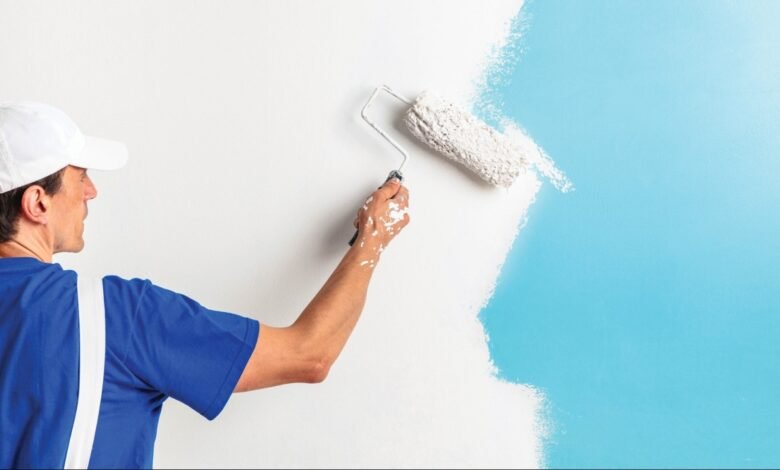
A fresh coat of paint can dramatically change the appearance, atmosphere, and overall condition of a property. Whether homeowners want to modernize their living spaces or business owners need to create a more welcoming environment for customers and employees, professional painting offers a practical way to improve both aesthetics and surface protection. However, achieving an attractive, durable finish requires much more than selecting a color and applying paint to a wall. Surface preparation, product selection, application techniques, environmental conditions, and attention to detail all influence the final result. Working with a professional painting company helps property owners approach these important factors systematically, ensuring that walls, ceilings, exterior surfaces, cabinets, and other painted features receive appropriate care. Experienced painters understand how different materials respond to coatings and why preparation is essential for preventing peeling, uneven coverage, and premature deterioration. They can also help clients select colors and finishes that complement the property’s architecture, lighting, furnishings, and intended use. By combining careful planning with skilled workmanship and suitable materials, professional painting services can refresh outdated spaces, protect exposed surfaces, and create an appearance that remains attractive for years.
The Importance of Professional Surface Preparation
Surface preparation is one of the most important stages of any successful painting project because even premium paint cannot compensate for a poorly prepared surface. Walls may contain small cracks, nail holes, peeling coatings, grease, dust, or other imperfections that interfere with adhesion and create visible defects in the finished result. Exterior surfaces may have accumulated dirt, mildew, chalking paint, or weather-related deterioration that must be addressed before new coatings are applied. Professional painters begin by evaluating the existing condition of each surface and identifying the preparation methods required for the specific material. This process may involve cleaning, scraping loose paint, sanding rough areas, repairing minor imperfections, and applying an appropriate primer. Furniture, flooring, fixtures, and nearby surfaces should also be protected to reduce accidental splashes and keep the work area organized. Different materials require different approaches, so wood, drywall, metal, masonry, and previously painted surfaces should not automatically receive identical treatment. Careful preparation creates a more consistent foundation, improves paint adhesion, and helps the finish resist ordinary wear. It can also reduce the likelihood of expensive touch-ups caused by defects that could have been corrected before painting began. Investing sufficient time in preparation therefore supports a cleaner appearance and contributes significantly to the overall quality and durability of the completed project.
Interior Painting for Comfortable and Attractive Living Spaces
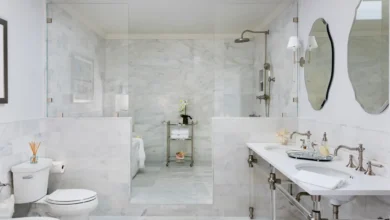
Interior painting provides an opportunity to improve the appearance and atmosphere of a home without undertaking a major renovation. Color influences how a room feels, how natural light is perceived, and how different design elements work together. Light shades can make certain spaces feel more open, while deeper colors may create a sense of warmth, contrast, or visual depth when used thoughtfully. Neutral palettes often provide flexibility for changing furniture and decorations, whereas accent walls can introduce personality without overwhelming the entire room. Professional interior painters consider the function of each space before recommending suitable colors and finishes. Bedrooms may benefit from calming tones, while living rooms and dining areas can use colors that complement existing furnishings and create a cohesive appearance. Kitchens, bathrooms, hallways, and other frequently used spaces may require finishes that are easier to clean and suitable for their exposure to moisture or regular contact. Proper preparation is equally important indoors because uneven drywall, old patching, and surface imperfections can become more noticeable after fresh paint is applied. Skilled application helps produce smooth coverage, clean edges, and consistent color across walls and ceilings. With thoughtful planning and professional workmanship, interior painting can make an older home feel refreshed, improve the relationship between rooms, and create a more comfortable environment for everyday living.
Exterior Painting for Long-Term Surface Protection
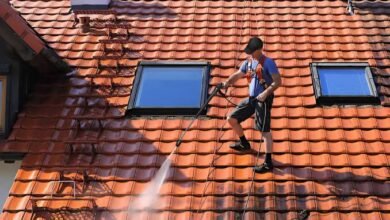
Exterior paint contributes to curb appeal while helping protect exposed building materials from environmental conditions. Sunlight, rain, wind, temperature changes, and airborne dirt can gradually affect siding, trim, doors, and other exterior surfaces. Over time, coatings may fade, crack, blister, or peel, leaving the underlying material more vulnerable to moisture and deterioration. A properly planned exterior painting project begins with an inspection to determine whether the existing coating remains stable and whether any damaged areas require repair. Surfaces must be cleaned thoroughly, loose paint removed, and bare or repaired areas prepared with suitable primers when needed. The paint must also be compatible with the substrate, whether that surface consists of wood, masonry, fiber cement, metal, or another material. Weather conditions during application matter because excessive moisture, unsuitable temperatures, and other environmental factors can interfere with drying and adhesion. Professional painters consider these requirements when scheduling work and selecting products intended for exterior use. They also pay attention to vulnerable areas such as trim joints, exposed edges, and surfaces where moisture may collect. A well-executed exterior painting project can renew a property’s appearance, help protect sound building materials, and reduce the frequency of repainting when supported by appropriate maintenance. Addressing deteriorated coatings before they fail extensively can also make the preparation process more manageable and help prevent avoidable repair expenses.
Choosing Colors That Complement Your Property
Color selection is often one of the most enjoyable parts of a painting project, but it can also become challenging when homeowners must choose among numerous shades, undertones, and finishes. A color that appears attractive on a small sample may look noticeably different when applied across an entire wall or exposed to changing natural light. Artificial lighting, window direction, flooring, cabinetry, furniture, and surrounding exterior elements can all influence how a color is perceived. Testing sample colors on the actual surface can help property owners observe these differences before committing to a complete application. It is also useful to consider the relationship between adjacent rooms so that transitions feel intentional rather than disconnected. For exterior projects, the color of the roof, masonry, landscaping, doors, and architectural trim should inform the overall palette. Professional painters can provide practical guidance on coordinating primary colors, accent shades, and finishes according to the property’s design and the owner’s preferences. They may also explain how different paint sheens affect the appearance of surface imperfections, light reflection, and ease of cleaning. Rather than choosing colors solely because they are currently fashionable, homeowners should consider whether the palette will remain appealing as furnishings and personal preferences change. Thoughtful color planning creates a more unified appearance and helps ensure that the finished project reflects the property’s character while meeting practical needs.
Cabinet Painting for a Refreshed Kitchen and Bathroom
Cabinet painting can be an effective alternative to replacing existing cabinetry when the cabinet boxes and doors remain structurally sound. Kitchens and bathrooms often contain extensive cabinetry, so changing its color can have a substantial visual impact without requiring a complete renovation. However, cabinet surfaces experience frequent handling, cleaning, moisture exposure, and occasional contact with household products, making preparation and coating selection especially important. Grease, fingerprints, residue, and older finishes can prevent paint from adhering properly if they are not removed before application. Professional cabinet painters typically assess the material and existing finish, clean the surfaces, repair minor defects, and prepare the substrate through suitable sanding or other approved methods. A compatible bonding primer may be necessary, followed by a durable coating designed for cabinetry and frequent use. Doors and drawers may need to be removed so that edges and detailed areas can be finished more consistently. Appropriate drying and curing time should also be allowed because a coating that feels dry to the touch may not yet have reached its intended durability. Cabinet painting can update an outdated kitchen, coordinate existing cabinetry with new hardware, and improve the appearance of storage areas without the disruption associated with replacing every cabinet. When the project is carefully planned and professionally executed, it offers a practical way to achieve a cleaner, more contemporary appearance while making continued use of existing materials.
Commercial Painting for Professional Business Environments
The appearance of a commercial property can influence how customers, visitors, employees, and business partners perceive an organization. Clean, well-maintained walls and exterior surfaces contribute to a professional atmosphere, while faded paint, scuffed corridors, and deteriorating finishes may create an impression of neglect. Commercial painting services can support offices, retail spaces, shared residential buildings, and other business properties by improving appearance and maintaining surfaces exposed to frequent use. Planning these projects requires attention to the building’s purpose, daily activity, access requirements, and operational schedule. For example, a busy office may need work completed in phases to limit disruption, while a retail environment may require careful coordination around opening hours and customer access. Durable coatings can be particularly valuable in corridors, entryways, meeting rooms, and other areas where walls receive frequent contact. Exterior painting also helps maintain a consistent visual identity and supports the upkeep of exposed building materials. A professional contractor should explain the proposed scope, preparation requirements, materials, project schedule, and measures for protecting furnishings, equipment, and surrounding areas. Clear communication helps businesses understand what to expect and plan around temporary limitations. By investing in regular maintenance and appropriately scheduled painting, commercial property owners can preserve the appearance of their buildings, create more inviting environments, and reduce the likelihood that minor coating problems will develop into extensive surface deterioration.
Staining and Protecting Wood Surfaces
Wood staining offers a way to enhance the natural appearance of timber while providing a finish suited to the surface’s intended use. Unlike opaque paint, which generally covers the underlying grain, many stains allow the wood’s texture and natural variations to remain visible. Staining can be suitable for selected doors, trim, fences, decks, and other wood features, depending on the material and the product chosen. Before application, the surface must be evaluated to determine whether old coatings need to be removed, whether the wood requires cleaning, and whether sanding is necessary to achieve a consistent result. Moisture content and surface condition can influence how evenly a stain penetrates, so proper preparation should not be overlooked. The chosen product must also be appropriate for its intended environment, particularly when the wood is exposed to sunlight, rain, or frequent use. Some projects may require an additional protective finish, while others use products designed to combine coloring and protection. Applying stain unevenly or failing to remove excess product according to the manufacturer’s directions can create blotches and inconsistent color. Professional staining services help property owners choose suitable products, prepare the wood correctly, and achieve a more uniform appearance. Regular inspection and maintenance can then help preserve the finish and identify areas where renewed protection may be necessary. Properly maintained stained surfaces can continue to complement the property’s design while supporting the useful life of the wood.
Selecting the Right Paint and Finish
Paint selection affects appearance, coverage, durability, maintenance, and the overall performance of the finished surface. Different formulations are designed for different applications, and the most suitable option depends on the substrate, location, exposure conditions, and expected level of wear. Interior wall paints may prioritize cleanability and a consistent appearance, while exterior products must withstand environmental exposure. Primers serve a different purpose from finish coats because they help prepare certain surfaces, improve adhesion, or create a more uniform base for the final color. Finish selection also matters. Flat and matte finishes can help reduce the visibility of minor wall imperfections, while satin and semi-gloss finishes may offer greater cleanability in appropriate applications. However, glossier coatings can make surface flaws more noticeable, which increases the importance of preparation. Professional painters consider these trade-offs before recommending a product rather than selecting materials based on price or appearance alone. Coverage estimates, drying times, recoating requirements, and manufacturer instructions should all be reviewed when planning the project. Using compatible products and following application guidelines helps reduce problems such as peeling, uneven sheen, poor adhesion, and premature wear. Homeowners should also consider the room’s ventilation and follow product safety directions during application and curing. A suitable combination of primer, paint, and finish helps achieve the intended appearance while providing performance appropriate for the surface’s everyday demands.
Maintaining Painted Surfaces After Completion
Regular maintenance helps preserve the appearance of painted surfaces and makes it easier to identify developing problems before they require extensive corrective work. Interior walls may accumulate dust, fingerprints, and marks in high-traffic areas, while exterior coatings gradually collect dirt and experience exposure to sunlight and moisture. Cleaning methods should match the paint finish and manufacturer’s recommendations because abrasive tools and unsuitable cleaning products may dull or damage the coating. Small scuffs can sometimes be addressed with gentle cleaning, while deeper scratches, peeling areas, or persistent discoloration may require touch-ups or further inspection. When storing leftover paint for future repairs, property owners should label the product with the room or surface where it was used and retain the color information for easier matching. Exterior surfaces should be inspected periodically for cracking, blistering, mildew, or exposed substrate, especially around trim, joints, and other vulnerable areas. Any moisture problem behind the paint should be corrected before repainting because applying another coating will not resolve the underlying cause. Regular maintenance also provides an opportunity to identify damaged caulking, loose trim, and other conditions that may affect coating performance. By responding promptly to small issues and arranging professional attention when needed, property owners can keep their spaces looking well maintained and make future painting projects more predictable.
Planning a Painting Project With Confidence
A successful painting project begins with a clear understanding of the work required, the desired result, and the practical limitations of the property. Before requesting an estimate, homeowners and business owners should consider which surfaces need attention, whether damaged areas require repairs, and whether the project includes preparation, priming, finish coats, and cleanup. A detailed written estimate helps clarify the scope of work and makes it easier to compare proposals from different providers. Property owners should ask which materials will be used, how surfaces will be protected, how the schedule will be managed, and what may happen if hidden damage is discovered during preparation. It is also sensible to verify applicable licensing and insurance requirements and review any available workmanship warranty. A dependable contractor should explain the process clearly, answer questions without unnecessary pressure, and establish realistic expectations for the finished result. Choosing a painting company that provides interior and exterior painting, cabinet painting, staining, and commercial painting services can help property owners coordinate different improvements according to their needs. Clear communication is particularly important when several rooms or surface types are involved because the order of work can affect access, drying time, and the use of the space. With careful planning, suitable materials, and professional application, painting can become a manageable investment that improves appearance, supports surface protection, and contributes to the property’s long-term value.
Conclusion
Professional painting is an effective way to refresh residential and commercial properties while maintaining the condition of walls, cabinetry, exterior materials, and other painted surfaces. Lasting results depend on a combination of appropriate preparation, suitable products, careful color selection, skilled application, and ongoing maintenance. Homeowners can improve the atmosphere of their living spaces through interior painting, strengthen the appearance of exterior surfaces, and modernize cabinetry without necessarily undertaking extensive renovations. Business owners can maintain a more welcoming and professional environment by addressing worn finishes and planning commercial painting projects around operational requirements. Staining can also enhance suitable wood surfaces while preserving their natural character. Before beginning any project, property owners should review the condition of the surfaces, request clear estimates, understand the proposed scope, and choose professionals who communicate effectively and prioritize quality workmanship. Taking these steps helps reduce preventable problems and supports finishes that remain attractive with appropriate care. A carefully planned painting project does more than introduce a new color; it can improve how a property looks, feels, and functions while helping owners protect their investment for the future.