Roof Cleaning: Essential Maintenance for a Cleaner and Longer-Lasting Roof

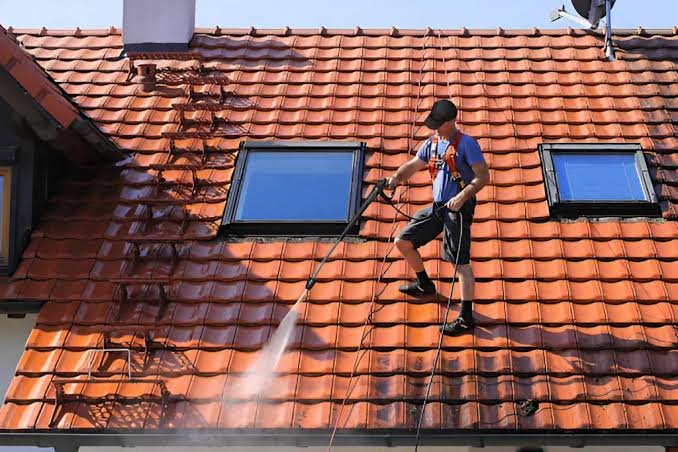
A roof is one of the most important parts of any residential or commercial property because it protects the building from rain, wind, sunlight, dust, and other environmental conditions. However, constant exposure to changing weather and airborne contaminants can gradually affect the roof’s appearance and condition. Dirt, algae, moss, mildew, fallen leaves, and other organic materials may accumulate on roofing surfaces, making the property look neglected and potentially contributing to maintenance problems. Regular roof cleaning helps remove unwanted buildup, maintain the appearance of roofing materials, and make it easier to identify potential issues before they require expensive repairs. When performed using appropriate techniques, professional cleaning can become an important part of a property’s exterior maintenance routine, supporting both its visual appeal and the long-term performance of the roofing system.Many property owners pay attention to their walls, windows, landscaping, and driveways while overlooking the roof until visible stains or other problems become noticeable. Unfortunately, roof contamination often develops gradually, which means property owners may not recognize the need for maintenance until algae streaks, moss patches, or accumulated debris become extensive. A well-planned roof cleaning service addresses these concerns by evaluating the roof’s condition, identifying the types of contaminants present, and selecting suitable methods to remove them without unnecessarily damaging the roofing materials. Understanding the benefits of regular maintenance, the importance of safe cleaning practices, and the preventive measures that help control recurring buildup allows property owners to make informed decisions about protecting their investment.
Understanding the Causes of Roof Contamination
Roof surfaces are continuously exposed to environmental elements that contribute to the accumulation of dirt and organic growth. Wind carries dust, pollen, leaves, and other particles onto the roof, while rainwater can spread debris across shingles, tiles, and metal panels. Areas beneath overhanging trees may collect additional leaves, twigs, and organic residue, while shaded sections often remain damp for longer periods after rainfall. These conditions can encourage algae, moss, and mildew to develop, particularly when moisture and limited sunlight combine to create a suitable environment for growth. Regular roof cleaning helps control these contaminants before they spread across large sections of the roof and become more difficult to address.The roofing material itself also influences how contamination develops and how it should be removed. Asphalt shingles can develop dark streaks associated with algae, while concrete and clay tiles may collect dirt within textured surfaces and small gaps. Metal roofing can accumulate dust and pollen around seams, fasteners, and overlapping sections, while other roofing materials may experience discoloration from prolonged exposure to moisture and airborne particles. Because each material has different strengths, surface characteristics, and maintenance requirements, roof cleaning should always be planned according to the specific roofing system rather than performed using the same technique on every property. Selecting an appropriate process helps preserve protective coatings, reduce unnecessary wear, and achieve a more consistent result.
The Importance of Removing Algae and Moss
Algae is one of the most recognizable causes of roof discoloration, particularly when dark streaks appear across asphalt shingles. These marks can gradually spread and make a property appear older or less maintained than it actually is. Although algae is not always a direct indication of structural damage, it can affect the roof’s appearance and make routine inspections more difficult when contamination becomes widespread. Professional roof cleaning can help address algae growth using suitable treatments that target the contamination while protecting the underlying roofing materials. Identifying the cause of recurring discoloration is equally important because persistent shade, moisture, and environmental conditions may encourage algae to return if the contributing factors remain unchanged.Moss requires particular attention because it can retain moisture and grow along the edges of shingles, between roofing materials, and around areas where debris accumulates. As moss becomes established, it may lift or disturb shingles, interfere with water movement, and create conditions in which moisture remains against vulnerable surfaces for longer than necessary. In colder conditions, retained moisture may contribute to additional stress as temperatures fluctuate. Appropriate roof cleaning methods can help control moss without relying on aggressive scraping or pulling that might damage the roof. Property owners should avoid attempting to remove firmly attached growth by force because damaging shingles or tiles can create additional maintenance expenses and potentially expose the structure to water intrusion.
Choosing the Right Roof Cleaning Method
Selecting the correct cleaning method is essential for protecting the roof while removing accumulated dirt and organic growth. Soft washing is commonly used on suitable roofing materials because it relies on low-pressure application of appropriate cleaning solutions rather than forceful streams of water. The treatment helps loosen contamination and address algae or other organic growth while reducing the risk of damaging delicate surfaces. A professional roof cleaning provider can evaluate the roofing material, the severity of the buildup, and the manufacturer’s recommendations before deciding whether soft washing is appropriate. Careful application and suitable rinsing procedures help achieve a cleaner surface without exposing shingles, flashing, seams, or other vulnerable components to unnecessary stress.High-pressure washing should be approached cautiously because excessive pressure can remove protective granules from asphalt shingles, disturb roofing materials, damage coatings, and force water beneath overlapping sections. A technique that works on a durable driveway or concrete walkway may not be suitable for a roof, where surface materials and drainage details require different treatment. Effective roof cleaning focuses on selecting a method that removes contamination without compromising the roof’s protective function. Cleaning solutions must also be chosen carefully, applied according to their instructions, and managed to prevent unnecessary exposure to landscaping, pets, people, and nearby drainage systems. Property owners should ask service providers about their equipment, cleaning products, safety procedures, and experience with the specific type of roof installed on the property.
How Professional Cleaning Supports Roof Maintenance
Professional exterior maintenance offers benefits beyond removing visible stains because experienced technicians can evaluate the condition of the roof before beginning the cleaning process. During an assessment, they may identify loose shingles, damaged flashing, cracked tiles, deteriorated sealants, blocked drainage pathways, or other visible concerns that deserve further attention. Arranging roof cleaning with an initial condition assessment can help property owners recognize maintenance needs before they become more serious. Although cleaning itself does not repair structural defects or guarantee that a roof is watertight, the process can make certain surface problems easier to notice and provide an opportunity to plan appropriate repairs.Professional technicians also understand that different sections of a roof may require different levels of care. Roof valleys, edges, joints, and areas around chimneys, skylights, and ventilation openings can collect debris or contain components that are particularly sensitive to water pressure and chemical exposure. A suitable roof cleaning approach takes these details into account and avoids directing excessive water toward openings or vulnerable connections. Proper access equipment, fall protection, and controlled application methods help reduce risks for workers and protect the building during the project. Property owners who prefer professional assistance can explore the exterior maintenance services offered by roof cleaning and discuss their property’s cleaning needs before arranging a suitable service.
Protecting Gutters and Improving Drainage
A roof functions as part of a larger drainage system that directs rainwater away from the building and its foundation. Gutters, downspouts, roof valleys, and drainage outlets work together to manage water movement, but leaves, twigs, moss, and accumulated dirt can obstruct these pathways over time. When water cannot flow freely, it may overflow onto exterior walls, collect near the foundation, or contribute to deterioration around fascia boards and other exposed components. Effective roof cleaning should therefore be considered alongside gutter maintenance so that loose debris and surface contaminants do not continue contributing to drainage problems. Keeping the roof and gutters in suitable condition supports more reliable water management during periods of rainfall.Property owners should pay attention to visible signs of drainage trouble, including overflowing gutters, water stains beneath roof edges, sagging gutter sections, and standing water near the foundation. These symptoms may indicate blockages, damaged joints, poor alignment, or inadequate drainage capacity rather than a roof cleanliness problem alone. Combining roof cleaning with an inspection of accessible drainage components can help reveal conditions that require separate maintenance or repair. After cleaning, property owners should confirm that water can move through the drainage system properly and that debris has not collected around outlets. Addressing the entire water-management system is more effective than focusing exclusively on the roof’s appearance because uncontrolled water can affect several parts of a property.
Improving Curb Appeal and Property Value
The roof occupies a substantial portion of a building’s visible exterior, which means its condition can strongly influence the property’s overall appearance. Dark streaks, green moss, scattered debris, and uneven discoloration may make a home or commercial building appear older and less carefully maintained. Professional roof cleaning can remove suitable surface contamination and create a cleaner, more consistent appearance that complements other exterior improvements. When combined with siding maintenance, window washing, gutter care, and general landscaping, roof maintenance contributes to a more coordinated exterior presentation. Although cleaning cannot correct faded materials, structural damage, or an aging roofing system, it can improve the appearance of a roof that remains suitable for continued service.Maintaining a clean exterior can also be useful when preparing a property for sale or rental. Potential buyers and tenants often form an initial impression based on the building’s visible condition, and neglected roofing surfaces may raise questions about the property’s maintenance history. Appropriate roof cleaning can help present the exterior more professionally while giving owners an opportunity to identify visible defects that may need attention before marketing the property. However, a clean roof should never be treated as proof that the roofing system is structurally sound or has many years of service remaining. Roof age, installation quality, previous repairs, material condition, and professional inspection findings remain important considerations when evaluating the property’s overall condition and value.
Determining the Right Cleaning Schedule
There is no universal schedule that determines how frequently every roof should be cleaned because maintenance needs vary according to environmental exposure, roofing material, surrounding vegetation, and the amount of contamination present. Properties beneath mature trees may experience more leaf accumulation and shade, while roofs exposed to airborne dust or persistent humidity may develop visible buildup more quickly. A practical roof cleaning schedule should be based on regular visual inspections and the roof’s actual condition rather than an arbitrary requirement to clean at frequent intervals. This approach helps property owners respond to developing problems while avoiding unnecessary treatments that may expose roofing materials to additional wear.Periodic inspections can reveal dark streaks, moss patches, loose debris, blocked gutters, or unusual water-flow patterns that suggest maintenance may be needed. Property owners should inspect the roof from the ground or another safe vantage point whenever possible rather than climbing onto steep or slippery surfaces. If extensive growth, damaged roofing materials, or difficult access makes the situation uncertain, professional assessment is the safer choice. Appropriate roof cleaning should follow manufacturer recommendations and account for the age and condition of the roofing system. In some situations, limited treatment of affected areas may be sufficient, while other roofs may require a more comprehensive maintenance plan. The objective is to keep the roof in suitable condition without cleaning it more aggressively or frequently than necessary.
Preventive Measures That Help Keep Roofs Cleaner
Preventive maintenance can reduce the amount of dirt, leaves, and organic growth that accumulates between service visits. Trimming overhanging branches where appropriate can limit debris accumulation, improve sunlight exposure, and help roof surfaces dry more quickly after rainfall. Keeping nearby vegetation under control can also reduce the likelihood of branches rubbing against roofing materials or dropping organic matter into roof valleys and gutters. After a professional roof cleaning service, property owners can support the results by addressing these contributing factors rather than relying entirely on repeated cleaning. Tree maintenance should be completed safely, particularly when branches are close to electrical lines, fragile roofing materials, or other parts of the building.Maintaining gutters, inspecting flashing, and addressing minor roofing defects promptly can also reduce recurring problems. Blocked gutters may retain wet organic material near roof edges, while damaged flashing or poorly sealed transitions may allow water to enter vulnerable areas. Proper attic ventilation and moisture management can be important as well, depending on the building’s design and the cause of the moisture concern. While ventilation improvements are not a universal solution for algae or surface staining, they may help address certain underlying moisture problems when professionally evaluated. Combining sensible preventive measures with periodic roof cleaning and inspections creates a more effective maintenance strategy because it addresses both existing contamination and the conditions that encourage it.
Common Mistakes to Avoid During Roof Cleaning
One of the most damaging mistakes is using excessive water pressure to remove stubborn stains as quickly as possible. High-pressure washing can strip protective granules from shingles, disturb tiles, damage surface coatings, and force water into joints that are designed to shed rain rather than withstand direct pressure. Another mistake is using an unsuitable cleaning product without confirming its compatibility with the roofing material and surrounding environment. Safe roof cleaning requires suitable equipment, controlled application, and careful handling of cleaning solutions so that the treatment does not create a new problem while removing existing contamination. Property owners should ask questions before authorizing work and ensure the proposed method reflects the manufacturer’s guidance for their particular roof.Attempting to remove moss by pulling or scraping it away aggressively can also cause unnecessary damage, particularly when growth is firmly attached to shingles or tiles. Similarly, walking across a wet, steep, or fragile roof without proper training and fall-protection equipment can result in serious injuries. Before beginning roof cleaning, existing leaks, loose roofing materials, damaged flashing, and other visible defects should be evaluated so that the cleaning process does not worsen the situation. Homeowners should also avoid mixing household chemicals or improvising cleaning solutions without appropriate product guidance. Professional assistance is particularly valuable when the roof is steep, difficult to access, heavily contaminated, or constructed from materials that require specialized handling.
Conclusion
Maintaining a roof requires more than waiting for visible damage to appear because environmental contaminants can gradually affect its appearance and create additional maintenance concerns. Dirt, algae, moss, mildew, and accumulated debris may interfere with drainage, obscure visible defects, and make a property look poorly maintained. A suitable roof cleaning plan helps address these concerns while supporting regular inspections and responsible exterior care. By selecting methods that match the roofing material, protecting surrounding landscaping, maintaining gutters, and correcting contributing problems, property owners can improve the appearance of their roofs without exposing them to unnecessary damage.Professional assessment is especially helpful when a roof has extensive staining, persistent moss growth, fragile materials, or signs of existing deterioration. An appropriate cleaning service can remove suitable surface contaminants and help identify conditions that may require separate repairs, although it cannot replace a structural inspection or resolve underlying roofing defects on its own. Combining periodic roof cleaning with preventive maintenance, safe inspections, and timely repairs gives property owners a practical way to protect their investment and maintain a cleaner exterior. With careful planning and material-appropriate treatment, a well-maintained roof can continue contributing to the property’s protection, appearance, and overall maintenance strategy for years to come.