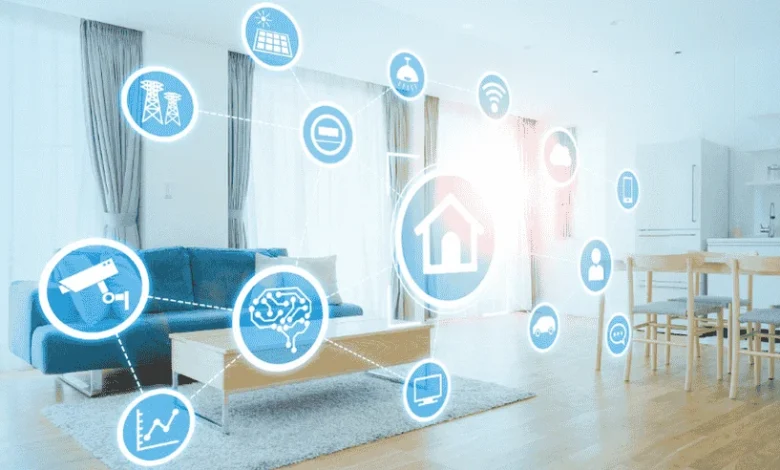
Technology has changed the way people communicate, work, and manage their daily responsibilities, and modern homes are becoming an increasingly important part of this transformation. Homeowners now have opportunities to control lighting, security equipment, climate settings, entertainment systems, and connected appliances through integrated technologies that simplify everyday activities. Instead of relying on separate controls for every device, an intelligently designed system allows multiple components to communicate and respond to user preferences, schedules, and environmental conditions. A professional home automation company helps homeowners turn these possibilities into practical solutions by assessing their needs, selecting compatible devices, planning reliable connectivity, and configuring systems that work together. The goal is not simply to install advanced gadgets but to create a comfortable, secure, and efficient living environment that fits the household’s lifestyle. When automation is planned carefully, it can reduce repetitive tasks, improve control over important home functions, and provide greater flexibility as technology and personal requirements change.
Understanding the Value of an Integrated Smart Home
A smart home combines connected devices, communication networks, sensors, and control platforms to make residential systems easier to manage. Depending on the selected equipment, homeowners may control devices through mobile applications, touchscreens, voice commands, physical switches, or automated schedules. For example, a homeowner might create a morning routine that gradually brightens the bedroom lights, adjusts the thermostat, and opens compatible motorized window shades. An evening routine could lower the lighting, switch off selected electronics, and activate designated security features with a single command. A knowledgeable home automation company can help determine which functions are most useful and how they should interact. This planning process is important because every property has different requirements, and not every available feature will provide meaningful value to every household. A carefully selected combination of devices is often more practical than an unnecessarily complicated setup. By concentrating on usability, compatibility, and dependable performance, homeowners can build an automation system that supports their routines without making daily activities more difficult.
Designing Personalized Lighting for Every Room
Lighting influences the appearance, comfort, and functionality of a home, making it one of the most useful areas for automation. Traditional switches provide basic control, but connected lighting can offer dimming, scheduling, scene selection, remote operation, and sensor-based activation. Homeowners can create brighter settings for cooking, studying, or completing detailed tasks while choosing softer illumination for relaxing, watching television, or preparing for sleep. Automated schedules can switch exterior lights on in the evening and turn them off at an appropriate time, while motion sensors can illuminate hallways when someone passes through. These features can also help limit unnecessary electricity use when lights are accidentally left on. The installation process should account for existing fixtures, bulb types, dimmer compatibility, electrical requirements, and the preferred control method in each room. Some systems work with smart bulbs, while others use connected switches or centralized lighting controllers. Choosing the correct approach from the beginning helps maintain consistent operation and reduces compatibility problems. A well-designed lighting system should feel natural to use, allowing residents to adjust individual lights or activate coordinated scenes without navigating complicated controls.
Creating a More Responsive Home Security System
Home security technology has developed beyond traditional alarms by introducing connected cameras, smart locks, video doorbells, motion sensors, and door or window contact sensors. These devices can help homeowners monitor activity, receive notifications, and manage selected access functions remotely. For example, a video doorbell may allow a resident to see who is at the entrance, while a smart lock can provide controlled access for authorized household members. Motion-triggered lighting may improve visibility around entrances, and contact sensors can notify residents when a monitored door or window opens. Integrating these features can provide a clearer picture of household activity than operating each device independently. A professional home automation company can help configure the system so alerts, cameras, locks, and lighting respond according to the homeowner’s preferences. However, effective security also depends on responsible setup and regular maintenance. Strong passwords, multifactor authentication, current software, appropriate camera placement, and carefully managed user permissions are essential considerations. Connected security devices should complement sound physical safeguards rather than replace them. When configured responsibly, automation can make it easier to monitor important areas and manage everyday security tasks with greater confidence.
Improving Comfort Through Smart Temperature Control
Maintaining a comfortable indoor environment can be challenging when household schedules change or different rooms have different temperature requirements. Smart thermostats and compatible climate control systems can make temperature management more flexible by supporting schedules, remote adjustments, and selected automated responses. Homeowners may lower heating or cooling settings when the house is unoccupied and restore preferred temperatures before returning. Some connected thermostats also provide energy reports, maintenance notifications, and information about usage patterns. These functions can help residents understand how their settings influence comfort and energy consumption. However, thermostat compatibility must be confirmed before installation because heating and cooling systems vary in wiring, operating requirements, and control capabilities. Homes with specialized HVAC equipment may need specific interfaces or professional configuration to ensure proper operation. Smart controls should also be programmed around realistic household needs rather than extreme temperature changes that could compromise comfort or place unnecessary demands on equipment. When properly configured, climate automation can reduce the need for repeated manual adjustments and help homeowners maintain a more consistent indoor environment throughout the day.
Building Reliable Connectivity for Connected Devices
A reliable network is essential for a smart home because many connected devices depend on consistent communication to receive commands, exchange information, and deliver notifications. As households add cameras, smart speakers, lighting controls, televisions, appliances, and sensors, the network may experience increased demands. Weak wireless coverage, interference, outdated routers, or poor access point placement can cause devices to disconnect or respond slowly. These problems may affect everyday convenience and become particularly frustrating when homeowners depend on connected security equipment or automated controls. Network planning should consider the size and layout of the property, building materials, internet service, number of devices, and the location of equipment that requires stable connectivity. Depending on the situation, additional wireless access points, wired connections, or better network organization may improve performance. A qualified installer can assess these requirements and coordinate the network with the automation system. It is also important to understand the difference between local automation and internet-based services. Certain functions may continue working through a local controller during an internet outage, while remote access and cloud-dependent features may become unavailable. Understanding these limitations helps homeowners choose technology that matches their expectations.
Connecting Entertainment Systems for Easier Everyday Use
Entertainment automation can bring together televisions, streaming devices, speakers, receivers, and compatible audio equipment to create a more convenient listening and viewing experience. Whole-home audio systems allow residents to play music in selected rooms, synchronize playback across multiple areas, or choose different content for different spaces. Entertainment scenes can also coordinate several devices through a single action. For instance, a movie setting might dim selected lights, lower motorized shades, turn on the television, and adjust the audio equipment to a preferred configuration. These coordinated routines reduce the number of separate controls required and make entertainment spaces easier to manage. Successful integration depends on equipment compatibility, network stability, speaker placement, wiring, and the control interface selected for the household. Homeowners should also consider whether family members and guests can operate the system without assistance. Advanced equipment offers little practical benefit if its controls are confusing or unreliable. Selecting compatible products and organizing them within an intuitive interface helps create a connected entertainment experience that remains enjoyable rather than becoming a source of technical frustration.
Using Sensors to Automate Everyday Household Tasks
Sensors allow smart home systems to respond to activity and environmental changes instead of depending entirely on manual commands. Motion sensors can activate lighting when someone enters a room, contact sensors can monitor doors and windows, and temperature or humidity sensors can provide information about indoor conditions. Water leak detectors may send alerts when moisture appears near plumbing connections, washing machines, water heaters, or other vulnerable areas. Depending on the devices and automation platform, these signals can trigger notifications or initiate predefined actions. For example, hallway lighting might activate when movement is detected after dark, while a sensor near a utility area could alert a homeowner to investigate possible water leakage. Sensor placement and configuration are important because poor positioning can lead to missed detections or frequent false alarms. Homeowners should consider detection range, battery life, communication methods, maintenance requirements, and the importance of the monitored area. Automation rules should be tested carefully to confirm that the intended actions occur under the right conditions. Thoughtfully implemented sensors can make a home more responsive while helping residents notice certain problems sooner.
Supporting Energy Efficiency With Intelligent Controls
Energy management is another important benefit of connected home technology. Smart thermostats, lighting controls, compatible plugs, and energy monitoring devices can help residents understand how and when electricity is being used. Automated schedules may switch off selected lights in unoccupied rooms, adjust temperature settings during predictable periods of absence, or reduce unnecessary operation of compatible equipment. Energy monitoring features can also highlight patterns that deserve closer attention, helping homeowners identify opportunities to improve their habits. Nevertheless, automation should be configured carefully to avoid interrupting essential equipment or creating uncomfortable living conditions. Refrigerators, medical devices, security systems, and other important appliances may require continuous power, so they should not be included in inappropriate shutdown routines. The actual energy savings from automation depend on the home’s construction, climate, equipment efficiency, occupancy, and user behavior. Installing connected devices does not automatically guarantee lower bills. The greatest benefit comes from selecting suitable features and using them consistently. By combining practical schedules with thoughtful energy monitoring, homeowners can improve visibility into their consumption and make informed decisions about reducing unnecessary usage without sacrificing convenience.
Protecting Privacy and Digital Security
Connected devices can collect information about household activity, operating schedules, visitors, and personal preferences. Although this information can support useful functions, homeowners should understand how it is stored, accessed, and protected. Cameras, microphones, smart locks, and connected control applications deserve particular attention because they may involve sensitive information or important household functions. Strong, unique passwords help protect accounts, while multifactor authentication can provide an additional layer of security when supported. Software and firmware updates should be installed according to manufacturer recommendations, and unnecessary user permissions should be removed. Homeowners should also review privacy settings, recording options, cloud storage policies, and the devices or applications that can access their systems. Network organization can provide another layer of protection by separating certain connected devices from computers and other equipment containing sensitive information, where appropriate. Physical placement matters as well, especially for cameras and microphones in private areas. A smart home should provide greater control rather than introduce avoidable privacy concerns. Establishing responsible security practices during installation and reviewing them periodically can help protect connected devices as the system grows.
Planning Automation That Can Grow Over Time
Household requirements rarely remain exactly the same, so an effective smart home should allow room for future changes. Homeowners may initially want automated lighting and a smart thermostat before deciding to add cameras, motorized shades, audio equipment, or additional sensors. Selecting a compatible platform and considering future connectivity needs can make these upgrades easier. Before purchasing equipment, homeowners should review communication standards, supported integrations, software support, available accessories, and whether the system relies on a particular manufacturer or subscription service. A device that works independently may not integrate seamlessly with every automation platform, so compatibility should be confirmed rather than assumed. Planning ahead may also include providing suitable wiring, adequate network coverage, convenient control locations, and space for central equipment. A professional home automation company can help organize these decisions around current priorities while considering possible future additions. The aim is to avoid unnecessary complexity and reduce the likelihood of replacing major components simply because a new feature is required. A scalable system allows technology to evolve with the household while preserving a consistent and manageable user experience.
Why Professional Installation Makes a Difference
Installing individual smart devices may be straightforward, but connecting several systems into one reliable environment can involve networking, electrical work, device compatibility, programming, and security considerations. Poor configuration may result in delayed commands, disconnected devices, conflicting automation rules, or controls that work inconsistently. Professional installation begins with understanding the property’s layout, existing equipment, household routines, and desired outcomes. The installer can then recommend compatible products, plan device locations, configure the network, establish automation routines, and test the completed system. This process also provides an opportunity to explain how the equipment works and how homeowners can make adjustments later. When evaluating a provider, it is useful to ask about experience with the proposed technology, support availability, equipment warranties, system documentation, and the process for troubleshooting problems. Clear instructions are particularly important when multiple family members will use the system. Homeowners interested in integrated connectivity and smart home solutions can learn more by visiting a home automation company. Choosing a suitable professional can help ensure that the finished installation is organized, functional, and designed around the property’s actual requirements.
Maintaining Performance After Installation
A smart home requires ongoing attention to remain dependable as devices, software, and household needs change. Routine maintenance may include checking batteries in wireless sensors, confirming that cameras and locks remain connected, reviewing automation schedules, updating device software, and testing important notifications. Homeowners should also monitor network performance and address recurring disconnections before they affect more devices. When equipment is replaced or a new product is added, its compatibility with existing routines should be checked to prevent unexpected behavior. Changes to account permissions are important when household members move, temporary access is no longer needed, or service providers change. Keeping a simple record of device names, locations, account responsibilities, and key settings can make future troubleshooting easier. It is also wise to periodically review whether each automation remains useful. A schedule that once suited a household may become inconvenient after a change in work hours or family routines. Regular reviews help ensure that technology continues serving the people who use it instead of forcing them to adapt to outdated settings.
Conclusion
Intelligent home automation can transform everyday living by connecting lighting, security, climate control, entertainment, sensors, and other residential technologies into a coordinated environment. The real value comes from choosing features that solve practical problems, integrating compatible devices, maintaining reliable connectivity, and protecting personal information. A successful system should be easy to operate, adaptable to changing needs, and dependable enough to support daily routines without unnecessary complexity. Working with a professional home automation company helps homeowners plan the right combination of technology, avoid common compatibility challenges, and establish a system that can expand over time. When installation, configuration, and maintenance receive appropriate attention, smart home technology can provide greater convenience, improved awareness, flexible control, and more informed energy management. By focusing on functionality rather than simply adding more devices, homeowners can create a connected living environment that supports comfort, security, and efficiency for years to come.