Professional Pool Repair Solutions for a Clean, Safe, and Long-Lasting Swimming Pool

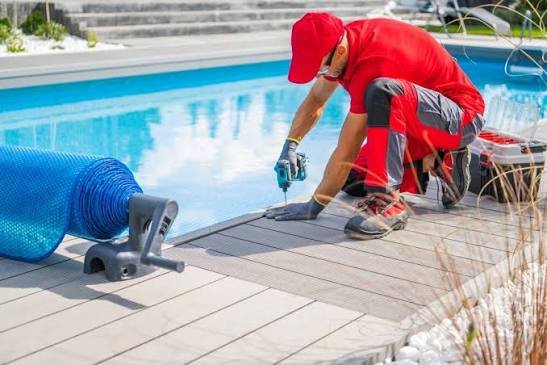
A swimming pool is a valuable feature that provides relaxation, recreation, exercise, and entertainment for families and guests. However, maintaining a swimming pool requires regular attention to its structure, circulation equipment, plumbing, filtration system, and water chemistry. Over time, normal wear, frequent use, chemical exposure, and environmental conditions can affect the performance of different pool components. Professional pool repair services help identify these issues, restore damaged equipment, and maintain the overall condition of the swimming pool. From repairing leaks and malfunctioning pumps to addressing surface deterioration and circulation problems, timely maintenance helps prevent minor concerns from becoming expensive complications. Pool owners who invest in regular inspections and appropriate repairs can improve water quality, extend equipment life, reduce unnecessary operating costs, and enjoy a more dependable swimming environment throughout the season.
Understanding the Importance of Swimming Pool Maintenance
Regular maintenance is essential for keeping a swimming pool clean, comfortable, and functional. Every pool depends on several interconnected components, including pumps, filters, plumbing lines, drains, skimmers, and chemical treatment systems. When one component fails, other parts of the system may also experience difficulties. For example, inadequate circulation can cause debris to accumulate, interfere with chemical distribution, and encourage algae growth. Similarly, a damaged fitting or leaking pipe may waste water and create moisture problems around the pool area. Professional pool repair helps address these concerns by identifying the underlying cause and restoring the affected components before additional damage occurs. Routine inspections also allow technicians to evaluate equipment performance, check visible surfaces, and recommend preventive measures suited to the pool’s construction and usage. By combining consistent maintenance with timely corrective work, pool owners can protect their investment, improve operating efficiency, and reduce the likelihood of unexpected disruptions during periods of heavy use.
Common Swimming Pool Problems That Require Attention
Swimming pools can develop several problems as their components age and experience regular use. Common warning signs include declining water levels, unusual pump noises, weak water circulation, cloudy water, cracked tiles, loose fittings, and recurring algae growth. Although some issues may appear minor, they can indicate deeper problems involving plumbing, filtration, water chemistry, or structural integrity. Professional pool repair services help distinguish between simple maintenance requirements and more serious faults that need specialized attention. For example, cloudy water may result from an overloaded filter, insufficient sanitizer, poor circulation, or excessive contaminants, meaning that treating the water without investigating the cause may provide only temporary improvement. Similarly, a pump that operates loudly may have a worn bearing, restricted water flow, or another mechanical problem that requires inspection. Recognizing these warning signs early makes it easier to select an appropriate solution, avoid unnecessary expenses, and restore the pool to reliable operating condition. Pool owners should monitor changes in equipment behavior and water appearance rather than waiting until the problem becomes difficult to manage.
Identifying and Repairing Swimming Pool Leaks
Water loss is a common concern that can increase maintenance expenses and affect the overall condition of a swimming pool. Although evaporation naturally reduces water levels, especially during warm, dry, or windy weather, unusually rapid or persistent water loss may indicate a leak. Damaged plumbing connections, worn seals, cracked fittings, deteriorated liners, and structural defects can all contribute to this problem. Professional pool repair begins with evaluating the water loss and examining the pool’s visible components to determine where further testing may be necessary. Depending on the findings, technicians may repair a leaking connection, replace a damaged seal, address a liner problem, or recommend specialized work for a structural defect. Accurate diagnosis is important because unnecessary repairs can increase costs without resolving the original issue. A persistent leak can also interfere with chemical balance, increase water consumption, and potentially damage nearby landscaping or supporting materials. Addressing the problem promptly helps protect the pool and surrounding property while supporting more efficient water management. Pool owners should monitor water levels regularly and seek professional assessment when the amount of water lost appears unusual.
Maintaining Pumps and Filtration Equipment
Pumps and filters are essential components of a swimming pool because they support circulation and help remove suspended debris from the water. A properly functioning pump moves water through the filtration system, allowing the filter to capture unwanted particles before the water returns to the pool. When the pump loses pressure, produces unusual sounds, overheats, or stops operating consistently, circulation may become inadequate. Filters can also become clogged, damaged, or less effective as dirt and other contaminants accumulate. Professional pool repair can address these problems through equipment inspection, cleaning, adjustment, replacement of worn components, or more extensive servicing when necessary. Technicians may examine pump baskets, seals, pressure readings, filter condition, and other parts to identify the source of poor performance. Maintaining these components helps support clearer water, more consistent circulation, and improved equipment efficiency. Pool owners should follow manufacturer recommendations for filter cleaning and pump operation because maintenance requirements vary by equipment type and pool design. Regular attention can reduce mechanical strain and help prevent sudden equipment failure during periods of frequent swimming.
Repairing Cracks, Tiles, and Damaged Pool Surfaces
The surface of a swimming pool contributes to its appearance, comfort, and structural durability. Depending on the construction material, pools may experience cracked plaster, loose tiles, deteriorating grout, damaged vinyl liners, or surface defects in fiberglass finishes. These problems may develop because of aging materials, chemical imbalance, movement in the supporting structure, or normal wear. Professional pool repair helps determine whether the damage is limited to the surface or may indicate a deeper structural concern. Small areas of deteriorated grout or minor finish damage may require localized treatment, while larger cracks or recurring defects may need a more comprehensive assessment. Pool owners should pay particular attention to cracks accompanied by unusual water loss, shifting surfaces, or recurring moisture around the pool. Ignoring these warning signs can allow damage to progress and make future repairs more complicated. Suitable repair materials and methods should be selected according to the pool’s construction and the severity of the problem. Timely attention preserves the finish, improves swimmer comfort, and helps extend the useful life of the pool structure.
Improving Water Quality and Chemical Balance
Water quality is one of the most important factors in maintaining a healthy swimming environment. A pool may look clear while still having chemical levels that are unsuitable for comfortable swimming. Sanitizers help control harmful microorganisms, while pH and alkalinity influence sanitizer effectiveness and the way water interacts with pool surfaces and equipment. When the chemical balance becomes unsuitable, swimmers may experience irritation, algae may develop, and some materials may become more vulnerable to deterioration. Professional pool repair and maintenance can help identify whether recurring water-quality problems are connected to equipment faults, poor circulation, damaged components, or inadequate treatment practices. Regular water testing allows owners to identify imbalances and make appropriate adjustments according to product instructions and recognized pool-care guidance. Chemicals should always be handled carefully, stored securely, and never mixed directly unless the manufacturer explicitly permits the procedure. If the water remains cloudy or algae repeatedly returns despite routine treatment, a broader inspection may be necessary. Maintaining suitable chemical levels alongside properly functioning equipment supports cleaner water, protects pool components, and creates a more comfortable swimming experience.
Resolving Pool Plumbing and Circulation Problems
Swimming pool plumbing connects the pump, filter, skimmers, drains, return fittings, and other equipment needed for proper water movement. Because some pipes are installed underground or concealed behind structures, plumbing problems may remain hidden until their effects become noticeable. Reduced water flow, unexplained water loss, air bubbles entering the circulation system, damp areas around equipment, and inconsistent pressure can indicate a potential plumbing fault. Professional pool repair services can investigate these symptoms and determine whether the cause involves a blockage, damaged pipe, loose connection, or deteriorated fitting. Depending on the location and severity of the problem, the solution may require clearing an obstruction, replacing a connection, repairing a damaged pipe, or correcting another installation issue. Appropriate diagnostic testing can help technicians narrow down the source of the fault and avoid unnecessary work. Timely plumbing repairs support effective circulation, limit water waste, and reduce the risk of moisture-related damage to surrounding areas. After completing the work, the affected system should be tested to confirm that water flow has improved and that the original symptoms have been resolved.
Troubleshooting Pool Heaters and Temperature Controls
Pool heaters allow owners to maintain comfortable water temperatures and extend the periods when swimming is enjoyable. Depending on the installation, a swimming pool may use a gas heater, an electric heat pump, or another compatible heating system. These units contain mechanical, electrical, and water-circulation components that require appropriate maintenance. Common warning signs include slow heating, inconsistent temperatures, unusual operating sounds, frequent shutdowns, and error messages on the control panel. Restricted circulation, sensor problems, dirty filters, and worn equipment parts can all affect heating performance. Professional pool repair may involve checking water flow, inspecting compatible components, diagnosing control issues, and recommending suitable repairs. Electrical connections, gas lines, and combustion components should only be handled by appropriately qualified professionals because incorrect work can create serious safety hazards. Routine maintenance according to manufacturer recommendations can improve reliability and reduce avoidable breakdowns. Pool owners should also ensure that the circulation system operates correctly because insufficient water flow can interfere with heater performance. Addressing heating issues early helps preserve equipment efficiency and maintain a more comfortable swimming environment.
Knowing When Pool Equipment Needs Replacement
Swimming pool equipment does not last indefinitely, and some components eventually become less economical to repair. Pumps, filters, heaters, automated controls, and other mechanical systems may experience repeated failures as they age. Rising energy consumption, unusual operating noises, frequent shutdowns, unavailable replacement parts, and persistent performance problems may indicate that a component needs closer evaluation. Professional pool repair specialists can assess the condition of the existing equipment and explain whether servicing or replacement is the more practical option. The decision should consider the cost of the proposed work, the expected remaining service life, energy efficiency, compatibility with existing systems, and the likelihood of future breakdowns. Replacing a severely worn pump, for example, may reduce operating expenses if a suitable modern model uses energy more efficiently. However, equipment should not be replaced solely because it is old if it continues to function reliably and can be maintained economically. A careful assessment helps owners avoid unnecessary purchases while ensuring that important components receive appropriate attention. Planning for eventual replacement also makes it easier to budget for long-term pool ownership.
Preventing Algae Growth and Recurring Water Problems
Algae can quickly reduce the appearance and usability of a swimming pool, particularly when warm conditions, inadequate sanitation, or poor circulation allow growth to spread. Water may become green, cloudy, or slippery, while algae can accumulate on walls, floors, steps, and other surfaces. Common contributing factors include low sanitizer levels, dirty filters, excessive debris, and inadequate water movement. Professional pool repair can help identify whether recurring algae problems are connected to circulation equipment, filtration performance, or other mechanical issues that routine chemical treatment alone cannot resolve. Effective prevention requires regular water testing, appropriate sanitation, brushing, vacuuming, debris removal, and proper filter maintenance. Algaecide products may be useful in specific situations, but they should not replace the essential practices needed to maintain balanced water. Pool owners should follow chemical product instructions carefully and avoid swimming until the water has been properly treated and confirmed suitable for use. If algae continues to return, a more detailed evaluation may reveal an underlying issue with the pool’s circulation or maintenance routine. Consistent preventive care generally requires less effort and expense than repeatedly correcting severe water-quality problems.
Establishing a Reliable Preventive Maintenance Schedule
A consistent maintenance schedule allows pool owners to monitor the condition of their swimming pool and identify potential problems before they become serious. Frequent tasks may include removing leaves, checking water clarity, observing pump operation, and monitoring the water level. Weekly maintenance can involve testing chemical balance, brushing surfaces, cleaning skimmer baskets, vacuuming the pool, and checking filtration performance. Equipment should also be inspected according to manufacturer recommendations, with additional attention given to systems that operate heavily or show signs of wear. Professional pool repair inspections can complement these routine activities by identifying leaks, deteriorating fittings, mechanical problems, and other concerns that may not be obvious during ordinary cleaning. Keeping a maintenance record helps owners track chemical readings, equipment performance, previous repairs, and recurring symptoms. These records can also provide useful information when a technician needs to investigate an ongoing problem. Seasonal assessments may help prepare the pool for periods of heavy use or reduced operation. By following a practical schedule, owners can maintain more consistent water quality, reduce preventable equipment strain, and make long-term maintenance costs easier to manage.
Benefits of Professional Pool Maintenance Services
Professional maintenance services provide technical knowledge and diagnostic tools that can help resolve problems more effectively than trial-and-error repairs. While many owners can perform routine cleaning and basic water testing, complicated issues involving electrical equipment, structural cracks, underground plumbing, or persistent water loss may require specialized experience. Professional pool repair services begin by evaluating the symptoms and identifying the likely cause before recommending an appropriate solution. This approach helps prevent unnecessary part replacements and reduces the risk of temporary fixes that allow the original problem to continue. Experienced technicians can also explain which repairs are essential, what maintenance may prevent similar problems, and whether any equipment requires additional monitoring. Clear communication allows pool owners to understand the recommended work and make informed decisions about their maintenance budget. Choosing a service provider with relevant experience, appropriate qualifications, and a systematic approach to diagnosis can improve confidence in the repair process. Professional support is particularly valuable when multiple systems appear to be affected or when a recurring problem has not improved after routine maintenance. Combining expert attention with responsible daily care helps maintain dependable pool performance over time.
Managing Pool Repair Costs and Maintenance Budgets
Swimming pool maintenance costs vary according to the pool’s size, construction, equipment, age, and overall condition. Replacing a small fitting may require relatively little work, while repairing a concealed plumbing leak, restoring a damaged surface, or replacing a major mechanical component can involve a larger investment. Labor, replacement materials, diagnostic testing, equipment accessibility, and the complexity of the problem all influence the final cost. Professional pool repair assessments help owners understand the source of the issue and compare suitable solutions before committing to extensive work. Pool owners can manage expenses by scheduling inspections, addressing warning signs early, and setting aside funds for unexpected maintenance. It is also helpful to request a clear explanation of the recommended work, including whether additional repairs may be necessary after the initial problem is addressed. Selecting the cheapest available option does not always provide the best long-term value, particularly if unsuitable materials or incomplete workmanship allow the issue to return. A sensible budget considers the immediate expense, expected durability, operating efficiency, and consequences of delaying necessary repairs. Preventive care cannot eliminate every problem, but it can reduce avoidable deterioration and make ownership more predictable.
Maintaining Safety During Pool Repairs
Safety should remain a priority whenever a swimming pool is cleaned, inspected, or repaired. Wet surfaces, electrical equipment, chemicals, mechanical components, and deep water can create hazards if appropriate precautions are not followed. Before working on pumps, heaters, lighting, or automated controls, qualified personnel should follow suitable shutdown and isolation procedures. Pool repair involving electrical systems, gas connections, or specialized mechanical equipment should be performed by appropriately qualified professionals rather than attempted without the necessary training. Pool chemicals must be stored securely, used according to their labels, and kept separate from incompatible substances. Owners should also inspect ladders, handrails, decking, covers, barriers, and other safety features for damage or instability. Sharp tile edges, loose fittings, and slippery surfaces should be addressed promptly to reduce the risk of injury. After repairs are completed, affected equipment should be tested to verify that it operates correctly, and the water should be confirmed suitable for swimming before normal use resumes. Children should always be supervised around pools, and suitable barriers and other protective measures should be maintained. A safety-focused maintenance approach protects swimmers, workers, and property while supporting reliable pool operation.
Choosing the Right Pool Care Strategy
An effective pool care strategy combines regular cleaning, balanced water chemistry, equipment inspections, and timely professional attention. Pool owners should observe changes in water clarity, circulation, water level, surface condition, and equipment sounds because these details can reveal developing issues. Professional pool repair can address concerns that require specialized diagnosis, while routine owner maintenance helps prevent debris accumulation and supports consistent water quality. When a problem develops, recording its symptoms and noting when it occurs can help a technician determine the most likely cause. Owners should also distinguish between routine maintenance and situations that require urgent attention, particularly when there is significant structural damage, a suspected electrical hazard, or a major leak. Choosing suitable repair methods and durable materials is important because the quality of the work can influence how long the solution remains effective. Once a repair is completed, the affected system should be checked to ensure that it operates as intended. A practical care strategy also includes planning for future equipment needs, reviewing maintenance expenses, and following manufacturer guidance. These habits help preserve the pool’s appearance, improve reliability, and reduce unnecessary disruptions during the swimming season.
Conclusion
A swimming pool can provide years of enjoyment when its structure, equipment, plumbing, and water quality receive consistent attention. Leaks, damaged surfaces, circulation failures, chemical imbalances, and aging equipment can interfere with pool performance if they are not addressed promptly. Professional pool repair helps identify the underlying causes of these problems, restore affected components, and protect the pool from avoidable deterioration. Combined with regular cleaning, appropriate water testing, preventive inspections, and responsible equipment operation, timely repairs can improve efficiency and support a safer swimming environment. Pool owners should monitor warning signs, maintain clear service records, and seek qualified assistance whenever a problem requires specialized knowledge or equipment. They should also budget for routine maintenance and potential repairs instead of waiting until an unexpected breakdown interrupts pool use. By taking a proactive approach to care, owners can preserve water clarity, extend the useful life of essential components, and reduce unnecessary expenses. Consistent maintenance and well-planned repairs ultimately help create a cleaner, more dependable, and longer-lasting swimming pool for everyone who enjoys it.