Creating a Beautiful and Functional Bathroom Through Thoughtful Remodeling

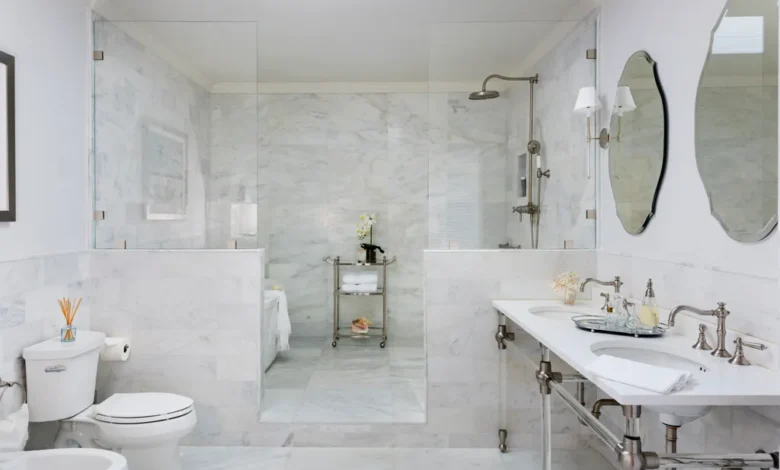
Introduction
A bathroom is one of the most frequently used spaces in any home, yet it is often overlooked when homeowners consider improvements that can enhance comfort, functionality, and property value. An outdated layout, insufficient storage, poor lighting, worn flooring, and inefficient plumbing fixtures can make everyday routines less convenient than they should be. A carefully planned bathroom remodel offers an opportunity to transform this essential space into a more attractive, comfortable, and practical environment that meets the household’s changing needs. By combining thoughtful design, durable materials, efficient fixtures, and professional installation, homeowners can improve the bathroom’s appearance while addressing problems that may have developed over years of regular use. Whether the goal is to modernize an older bathroom, improve accessibility, create a spa-inspired atmosphere, or make better use of limited space, successful remodeling begins with a clear understanding of priorities and a realistic plan.Modern bathroom design focuses on balancing visual appeal with everyday usability. Beautiful tiles and stylish fixtures can improve the overall appearance, but the room must also provide sufficient storage, dependable ventilation, effective lighting, and a layout that allows people to move comfortably. Plumbing connections, waterproofing, electrical requirements, and the condition of the existing structure are equally important considerations. Addressing these technical details during the planning stage helps reduce the risk of unexpected problems and supports long-lasting results. With the right approach, a bathroom renovation can deliver meaningful improvements that extend beyond appearance, making the space easier to maintain, more comfortable to use, and better suited to the homeowner’s lifestyle.
Planning a Bathroom Renovation Around Your Needs
Every successful remodeling project begins with identifying the problems that need to be solved and the improvements that matter most. Some homeowners want to replace outdated fixtures and finishes, while others need more storage, improved lighting, better ventilation, or a layout that accommodates several family members. Understanding these priorities helps establish a clear direction for the project and prevents unnecessary design changes later. Homeowners should consider how the bathroom is used throughout the day, which features create inconvenience, and whether the existing arrangement makes effective use of the available floor area. These observations can help determine which changes will deliver the greatest practical benefits.
Budget planning is another essential part of preparation. The overall cost depends on the room’s size, the condition of existing plumbing and electrical systems, the selected materials, labor requirements, and the extent of structural changes. Replacing surface finishes may involve less work than relocating a shower, moving a toilet, or changing major plumbing connections. Homeowners should establish a budget that accounts for both planned improvements and a reasonable contingency for concealed issues, such as damaged subflooring or deteriorated pipes discovered during demolition. Comparing material options, defining project priorities, and reviewing the scope of work with a qualified remodeling professional can help keep decisions organized and reduce the likelihood of expensive surprises.
Designing a Layout That Maximizes Space
The layout has a major influence on how comfortable and functional a bathroom feels. Even a visually attractive room can become frustrating if the door interferes with movement, the vanity blocks access, or the shower leaves insufficient space for other fixtures. A well-designed arrangement creates clear pathways, provides convenient access to essential features, and allows the available floor area to serve multiple purposes without feeling crowded. Before finalizing a design, homeowners should evaluate the placement of the toilet, sink, vanity, bathtub, shower, storage cabinets, and doorways to determine whether the current configuration meets their needs.Smaller bathrooms often benefit from wall-mounted vanities, recessed shelving, sliding shower doors, and carefully selected fixtures that occupy less visual space. Large mirrors can help reflect light, while consistent flooring and restrained color choices can create a more open appearance. Larger bathrooms provide opportunities for separate shower and bathtub areas, double sinks, additional storage, or comfortable seating, provided these features do not compromise movement. The most effective design is not necessarily the one with the greatest number of features; it is the one that uses space intelligently and supports the household’s daily routines. A professional designer can help balance measurements, plumbing requirements, accessibility, and visual proportions to create a layout that remains practical over time.
Selecting Durable Materials and Attractive Finishes
Material selection affects the bathroom’s appearance, cleaning requirements, durability, and resistance to moisture. Because bathrooms regularly experience humidity, splashes, and temperature changes, materials should be selected according to their intended application rather than appearance alone. Porcelain and ceramic tiles are popular choices for many bathroom surfaces because they are available in numerous colors, textures, sizes, and patterns. Natural stone can introduce distinctive character, although some varieties require sealing and more careful maintenance. Water-resistant flooring products may also be suitable when installed according to the manufacturer’s specifications and the requirements of the underlying substrate.Countertops, cabinetry, wall finishes, and hardware should complement one another while providing the durability needed for frequent use. Quartz countertops are valued for their consistent appearance and relatively straightforward maintenance, while other countertop materials offer different combinations of cost, texture, and performance. Moisture-resistant cabinetry and properly finished edges can help reduce the risk of swelling or deterioration. Homeowners should also consider grout color, slip resistance, cleaning requirements, and the availability of replacement materials before making final selections. A coordinated palette can make the room feel cohesive, but using too many contrasting finishes may create visual clutter. Choosing a manageable combination of complementary materials helps achieve an attractive design that remains appealing long after the renovation is complete.
Creating a Modern and Comfortable Shower Area
The shower is often one of the most important features of a contemporary bathroom because it influences comfort, convenience, and the room’s overall visual character. An outdated shower may have damaged grout, poor water pressure, inadequate storage, or a layout that makes cleaning difficult. Remodeling provides an opportunity to improve these conditions by selecting suitable shower fixtures, upgrading wall finishes, improving drainage, and creating a more comfortable bathing area. Walk-in showers, frameless glass enclosures, recessed niches, and adjustable showerheads are popular options, although the best combination depends on the available space and the needs of the household.Proper waterproofing is especially important because the shower receives frequent and direct exposure to water. Tile and grout alone should not be treated as the complete waterproofing system. The underlying shower assembly must include an appropriate waterproof membrane, correctly detailed corners and penetrations, and a properly designed drain connection. The floor should be sloped as required so that water moves toward the drain instead of collecting in low areas. A qualified installer can help ensure that these components work together according to the selected system’s instructions and applicable building requirements. Careful installation reduces the likelihood of leaks, moisture damage, and costly repairs hidden behind finished surfaces.
Choosing the Right Bathtub and Bathroom Fixtures
Bathtubs and plumbing fixtures contribute to both the function and the style of a bathroom. Some households prefer a bathtub for relaxation, bathing children, or accommodating different family needs, while others prioritize a spacious shower that is easier to enter and maintain. Freestanding tubs can create a distinctive focal point in larger bathrooms, whereas built-in tubs may provide practical advantages in rooms where space is limited. Before selecting a replacement, homeowners should consider the available dimensions, plumbing connections, floor support, access for installation, and the amount of clearance required for comfortable use.Faucets, shower controls, toilets, and other fixtures should be chosen with attention to reliability, water efficiency, ease of cleaning, and compatibility with the existing plumbing system. Water-saving fixtures can help reduce consumption without sacrificing the performance expected from a well-designed bathroom. Comfort-height toilets, handheld showerheads, thermostatic controls, and easy-to-operate handles may also improve usability for different members of the household. Matching finishes can create a coordinated appearance, but quality and practical performance should remain central considerations. Investing in dependable fixtures and having them installed correctly helps reduce maintenance concerns and contributes to a more satisfying renovation.
Improving Bathroom Lighting and Ventilation
Lighting has a significant effect on how a bathroom looks and functions. Poor illumination can make grooming tasks difficult, create unwanted shadows, and leave the room feeling smaller or less welcoming. A well-planned lighting design combines general illumination with task lighting and, where appropriate, accent lighting. Ceiling fixtures provide overall brightness, while lights positioned near the mirror can help create more even illumination for shaving, skincare, and makeup application. Dimmable fixtures may offer additional flexibility for relaxing evening routines, provided they are suitable for the installation and used with compatible controls.Ventilation is equally important because moisture accumulates quickly in bathrooms, especially during showers and baths. Without adequate airflow, condensation may linger on mirrors, windows, ceilings, and walls, potentially contributing to mold growth or deterioration of paint and other finishes. An appropriately sized exhaust fan that vents to the exterior can help remove humid air, while suitable controls may allow the fan to continue operating after bathing. Ventilation requirements depend on the room, the equipment selected, and applicable building codes. During a renovation, it is sensible to evaluate the existing fan, ductwork, and discharge location rather than simply replacing the visible fixture. Good lighting and effective ventilation work together to create a more comfortable space and help protect the materials used throughout the bathroom.
Adding Storage Without Creating Clutter
Insufficient storage can quickly undermine an otherwise beautiful bathroom. Toiletries, towels, cleaning supplies, grooming tools, and everyday personal items require accessible places to be stored. When these belongings accumulate on countertops or around the bathtub, the room can feel crowded and become harder to clean. Remodeling provides an opportunity to incorporate storage into the design from the beginning, making it easier to maintain an organized environment without sacrificing valuable floor space.Vanities with deep drawers, mirrored medicine cabinets, recessed wall niches, and built-in shelving can help accommodate different storage needs. Drawer organizers make small items easier to find, while vertical cabinets can provide additional capacity in bathrooms with limited floor area. Open shelves may be useful for frequently used towels and decorative accessories, although they require regular organization to avoid a cluttered appearance. Storage should also account for practical considerations, including moisture exposure, accessibility, and the placement of plumbing connections. By matching storage solutions to the household’s routines, homeowners can create a bathroom that looks more spacious and remains easier to maintain every day.
Incorporating Accessibility and Long-Term Comfort
A well-designed bathroom should accommodate changing needs rather than focus exclusively on current preferences. Homeowners may wish to improve accessibility for older family members, individuals with limited mobility, or anyone who would benefit from a safer and more comfortable layout. Features such as curbless showers, slip-resistant flooring, strategically placed grab bars, handheld showerheads, and accessible storage can make the room easier to use. Even households without immediate accessibility concerns may benefit from incorporating some of these features during remodeling because adding them later can involve additional demolition and expense.Accessibility improvements should be planned carefully to ensure that fixtures, support structures, and clearances are appropriate for the intended users. Grab bars, for example, need secure attachment to suitable structural backing rather than relying solely on tile or drywall. Shower entries, door widths, turning space, and the height of controls should be evaluated according to the needs of the household and applicable requirements. Thoughtful planning can integrate these features into the design without making the bathroom feel clinical or sacrificing visual appeal. By prioritizing safety, comfort, and flexibility, homeowners can create a space that remains functional through different stages of life.
Understanding the Remodeling Process
A bathroom renovation typically involves several stages, and understanding their sequence helps homeowners prepare for temporary disruptions. The project may begin with measurements, design development, material selection, and confirmation of the work’s scope. Demolition follows when existing fixtures, flooring, cabinets, or wall finishes need to be removed. Once the underlying areas are exposed, contractors can inspect plumbing connections, framing, subflooring, and other components for damage that was not visible beforehand. Any necessary repairs should be addressed before the new finishes conceal these areas.The next stages may include plumbing and electrical work, inspections where required, waterproofing, installation of wall and floor finishes, cabinetry, fixtures, lighting, and final detailing. The order can vary depending on the project’s design and local requirements, but coordination between trades is essential. Delays may occur when materials arrive late, hidden damage is discovered, or design decisions change after work begins. Homeowners can help keep the process organized by confirming selections early, maintaining communication with the contractor, and ensuring that changes to the agreed scope are documented. A final walkthrough provides an opportunity to check fixture operation, drainage, visible finishes, ventilation, and any outstanding items before the project is considered complete.
Why Professional Remodeling Services Matter
Bathroom renovations involve several interconnected systems, including plumbing, electrical components, ventilation, waterproofing, cabinetry, flooring, and decorative finishes. A mistake in one area can affect the performance of others, making careful coordination important throughout the project. Professional remodeling services can help homeowners evaluate the existing space, develop a practical design, select suitable materials, and coordinate the work needed to bring the plan together. Experienced professionals can also identify potential problems early, explain available options, and help ensure that installation follows the relevant manufacturer instructions and building requirements.When choosing a remodeling provider, homeowners should review previous projects, confirm the scope of services, request a detailed estimate, and discuss scheduling expectations. It is also important to understand who will coordinate subcontractors, manage permits where required, and communicate about unexpected conditions. For homeowners seeking design and remodeling assistance, bathroom remodel offers home improvement services that include bathroom remodeling and related renovation work. Discussing the goals, budget, preferred style, and practical requirements of the space can help establish a clear project direction. A collaborative approach allows homeowners and professionals to make informed decisions while balancing appearance, functionality, and long-term performance.
Budgeting Wisely for Better Results
A realistic budget helps homeowners distinguish essential improvements from optional upgrades. Structural repairs, plumbing corrections, waterproofing, electrical work, and ventilation should receive appropriate attention because they affect the bathroom’s safety and performance. Decorative elements, premium fixtures, specialty tile patterns, and custom cabinetry may improve the design, but their cost should be considered alongside the fundamental requirements of the project. Prioritizing the components that have the greatest effect on durability and daily use can help homeowners make better decisions when compromises are necessary.Material costs are only one part of the overall budget. Labor, demolition, disposal, delivery, permits, inspections, and possible repairs to concealed areas can also affect the final amount. It is sensible to set aside a contingency fund for unforeseen issues, particularly when renovating an older bathroom where the condition of plumbing and subflooring may be uncertain. Homeowners should compare estimates carefully to understand what is included rather than selecting a contractor based solely on the lowest quoted price. A detailed agreement helps establish expectations for materials, labor, timelines, payment stages, and changes to the original plan. Careful financial planning supports a smoother renovation and reduces the likelihood of having to compromise on important details late in the project.
Conclusion
A successful bathroom renovation brings together thoughtful design, durable materials, efficient fixtures, effective lighting, dependable ventilation, and careful installation. By evaluating the existing layout and identifying the household’s priorities, homeowners can make improvements that enhance comfort while addressing storage limitations, outdated finishes, and potential maintenance concerns. Proper waterproofing, reliable plumbing, safe electrical work, and suitable ventilation are particularly important because they support the performance of the bathroom long after the decorative elements have been installed.A well-planned bathroom remodel can transform an ordinary space into a more functional, attractive, and comfortable part of the home. Whether the project focuses on a modern shower, improved storage, accessible features, energy-conscious fixtures, or a complete design update, careful preparation helps ensure that every decision contributes to the overall goal. Working with qualified remodeling professionals can simplify coordination, improve installation quality, and help homeowners manage their budget more effectively. With a clear plan and attention to both visible finishes and essential underlying systems, a bathroom renovation can deliver lasting value and create a space that supports everyday routines for years to come.