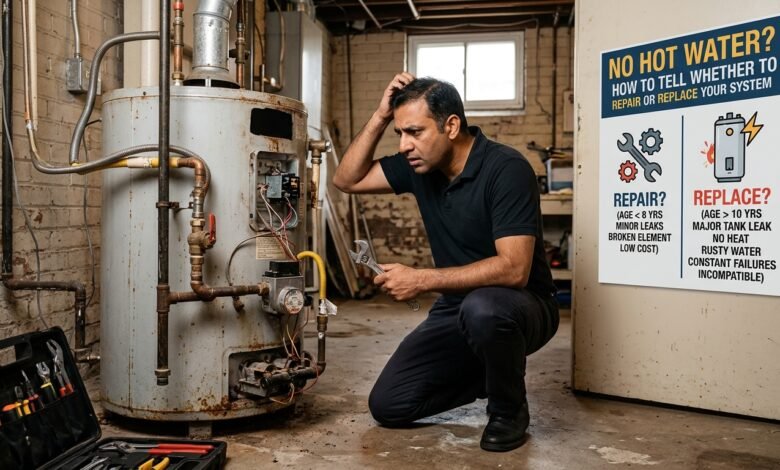
Few household problems are as disruptive as a hot water system that stops working. Cold showers, lukewarm dishes, and a laundry that won’t get clean quickly turn a minor fault into a major inconvenience. The good news is that many problems can be fixed relatively simply. The challenge is knowing when repair makes sense and when it’s time to move on.
If you’re searching for hot water system repair melbourne households need, this guide explains the common faults, the differences between system types, and how to decide between repairing and replacing.
Know Your System Type
The right fix depends on what you have. Common systems include:
Gas storage. A tank heated by a gas burner. Reliable and widely used, with relatively quick recovery.
Gas continuous flow (instantaneous). Heats water on demand as it passes through the unit, with no storage tank.
Electric storage. A tank with electric heating elements. Common in many homes.
Heat pump. Uses a refrigeration cycle to extract heat from the air, offering high energy efficiency.
Solar with booster. Roof-mounted collectors heat water, supported by a gas or electric booster.
Each type has different parts, faults, and lifespans, so a plumber’s diagnosis starts with identifying what you have.
Common Faults
No Hot Water at All
Possible causes include:
- Gas systems: Pilot light out, faulty thermocouple or ignition, gas supply issue
- Electric systems: Tripped circuit breaker, failed thermostat, or burnt-out heating element
- Continuous flow units: Blocked filters, flow sensor faults, or error codes
- Heat pumps: Fan or compressor faults, or controller issues
Not Enough Hot Water
- Sediment buildup in the tank reduces capacity
- Faulty element or thermostat
- Undersized system for the household
- Crossover issues where cold water mixes with hot due to faulty valves or mixing taps
Water Too Hot or Too Cold
Thermostat faults and failed tempering valves can cause fluctuating temperatures. Excessively hot water poses a scalding risk and should be addressed promptly.
Leaks
Leaks from the tank body usually mean the tank has corroded and the system needs replacing. Leaks from valves, pipes, or connections can often be repaired. Check the pressure-temperature relief valve; occasional drips can be normal, but constant flow indicates a problem.
Strange Noises
Popping, rumbling, or banging often points to sediment buildup or scaling, particularly in hard-water areas.
Discoloured or Smelly Water
Rusty water may signal tank corrosion. Odours can occur due to bacteria in lukewarm storage tanks or reactions with the anode rod.
Safety Considerations
Hot water systems involve electricity, gas, pressure, and very hot water. Treat repairs as a job for a licensed professional. In Victoria, gas and plumbing work must be carried out by appropriately licensed tradespeople. Do not attempt to remove covers, adjust gas components, or bypass safety devices yourself.
If you smell gas, turn off the gas supply if it’s safe to do so, ventilate the area, avoid ignition sources, and call your gas emergency number immediately.
Temperature matters for health. Storage systems should keep water hot enough to inhibit Legionella bacteria, generally at or above 60°C in the tank, while a tempering valve limits the temperature delivered to taps to reduce scalding risks.
Repair or Replace? Key Factors
Age
Most storage systems last around 10 to 15 years, though lifespans vary with water quality, maintenance, and usage. Continuous flow and heat pump units can last longer with proper care. If your system is near or beyond its expected life, a major repair may not be economical.
Cost of Repair
A simple, low-cost repair, such as a thermostat, element, or valve, on a relatively young system usually makes sense. If the repair cost approaches a large share of a new system’s price, replacement deserves serious thought.
Frequency of Faults
Repeated breakdowns suggest underlying deterioration. Replacement may save money and stress over time.
Tank Condition
A leaking tank cannot be repaired. Corrosion has compromised the vessel, and replacement is the only safe option.
Efficiency and Running Costs
Older systems can be less efficient. Modern gas, heat pump, and solar systems may significantly reduce energy use, especially if hot water is a large part of your household bills.
Household Needs
If your family has grown or you’ve added bathrooms, an undersized system may not keep up. Upgrading capacity or switching type could solve persistent shortages.
Availability of Parts
For older or discontinued models, finding parts may be difficult or costly.
Thinking About Replacement
When it’s time to replace, consider:
- Energy source: Gas, electricity, heat pump, or solar
- Size and capacity suited to your household
- Installation space and ventilation requirements
- Running costs compared with upfront costs
- Available rebates or incentives for energy-efficient systems
- Warranty terms and what they cover
- Noise, especially for heat pumps near bedrooms or neighbours
- Environmental impact, including emissions
Ask your plumber to explain the trade-offs and provide quotes for different options.
Prevent Problems Early
A little maintenance extends system life:
- Have the system serviced at the intervals suggested by the manufacturer
- Test the pressure-temperature relief valve according to guidance
- Flush sediment where advised
- Check the anode on storage systems where applicable
- Insulate exposed pipes to reduce heat loss
- Set the thermostat appropriately
- Address small leaks or noises early
What to Do When It Fails
- Check basics: power, gas supply, pilot light, circuit breakers
- Look for error codes on continuous flow or heat pump units
- Turn off water or power if there’s a leak
- Call a licensed plumber for diagnosis
- Ask for a clear quote and options
Final Thoughts
Hot water faults range from simple fixes to signs that a system has reached the end of its life. Understanding your system type, recognising common symptoms, and weighing age, repair cost, and efficiency will help you decide wisely. Prioritise safety, use licensed professionals, and invest in maintenance, and you can enjoy reliable hot water for years to come.