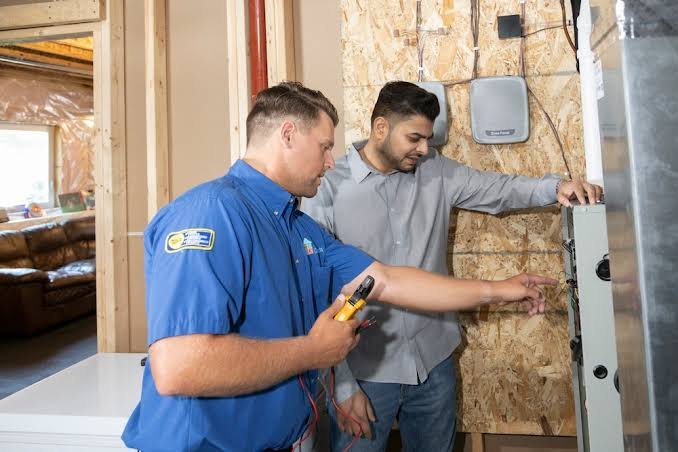
A dependable heating system plays an important role in maintaining indoor comfort, protecting household routines, and creating a pleasant living environment during colder periods. When a furnace operates properly, it distributes warmth throughout the property, responds to thermostat adjustments, and maintains a consistent indoor temperature without unnecessary energy consumption. However, like any mechanical equipment, a furnace can experience wear, component failure, airflow restrictions, and performance problems over time. Even a relatively small issue can affect the entire heating system if it remains unaddressed. Timely furnace repair helps identify the source of heating problems, restore proper equipment operation, and reduce the risk of unexpected breakdowns. Understanding how furnaces work, recognizing early warning signs, and choosing professional heating services can help homeowners protect their equipment and maintain reliable indoor comfort.
Understanding the Importance of a Reliable Furnace
A furnace is designed to generate heat and distribute it throughout a property using a controlled heating process. Depending on the equipment, the system may operate through heating oil, natural gas, electricity, or another approved energy source. Fuel-burning furnaces generally use a burner to produce heat, while a heat exchanger transfers that warmth to the circulating air without allowing combustion gases to mix with the indoor air supply. A blower motor then moves the heated air through the ductwork and into different rooms. Thermostats, electrical controls, ignition components, filters, and safety devices work together to support this process. When any of these parts develops a problem, the furnace may struggle to maintain the desired temperature or operate efficiently. Professional service helps ensure that each important component is inspected and that the actual cause of the problem is addressed instead of relying on temporary solutions.
Recognizing Common Signs of Furnace Trouble
Furnaces often show noticeable symptoms before experiencing a complete breakdown. Homeowners may notice that the equipment takes longer to heat the property, produces less warm air, or struggles to maintain the thermostat setting. Some rooms may feel comfortable while others remain noticeably colder, suggesting that airflow or heating distribution needs attention. Frequent cycling is another common warning sign because a furnace that repeatedly turns on and off may have a thermostat issue, restricted airflow, overheating problem, or malfunctioning control. Unusual sounds such as rattling, banging, grinding, or persistent clicking can also indicate mechanical or electrical concerns. A sudden increase in energy consumption may suggest that the equipment is working harder than necessary to produce the same level of warmth. Paying attention to these changes allows homeowners to arrange an inspection before a minor fault develops into a more expensive equipment problem.
How Professional Diagnosis Prevents Repeated Breakdowns
An effective repair begins with an accurate diagnosis. Several different furnace problems can create similar symptoms, so replacing a component without understanding the underlying cause may fail to resolve the issue. For example, weak airflow might result from a clogged filter, blocked return vent, damaged blower motor, or a problem inside the ductwork. Similarly, a furnace that does not start could have an electrical issue, thermostat malfunction, ignition failure, or interruption in its fuel supply. A qualified technician examines the equipment, reviews its operating sequence, and tests relevant components to identify the source of the fault. This approach helps avoid unnecessary part replacements and makes it easier to recommend a suitable solution. Professional diagnosis is especially important when a furnace experiences repeated shutdowns because recurring problems may indicate an underlying condition that has not been properly corrected.
The Role of Air Filters in Heating Performance
Air filters are essential for maintaining proper airflow and preventing dust and other airborne particles from accumulating inside the heating equipment. As air passes through the filter, it collects debris that would otherwise circulate through the property or reach sensitive furnace components. Over time, however, the filter becomes increasingly restricted and may prevent the system from moving air as efficiently as intended. Reduced airflow can cause uneven heating, longer operating cycles, increased energy use, and unnecessary strain on the blower motor. In some furnace designs, severe airflow restrictions can contribute to overheating and automatic safety shutdowns. Homeowners should inspect filters regularly and replace them according to the manufacturer’s recommendations, taking household conditions and filter type into account. If airflow remains weak after replacing a dirty filter, professional inspection can help determine whether the problem involves the blower assembly, ductwork, or another part of the system.
Understanding Thermostat and Control System Problems
The thermostat controls when the furnace operates by monitoring indoor temperature and communicating heating requirements to the equipment. If the thermostat is incorrectly configured or experiencing a fault, the furnace may fail to start, run longer than necessary, or shut down before the desired temperature is reached. Incorrect settings, weak batteries, damaged wiring, poor placement, and compatibility problems can all affect thermostat performance. Homeowners should first confirm that the thermostat is set to the correct heating mode and that the selected temperature is appropriate. They can also check whether the display is functioning and replace batteries when required. However, repeated temperature inconsistencies or unexplained cycling may indicate a deeper electrical or control-related issue. A technician can inspect the thermostat, wiring connections, circuit board, and related controls to determine whether the problem originates in the thermostat or within the furnace itself.
Addressing Ignition System and Burner Malfunctions
The ignition system is responsible for starting the heating process in a fuel-burning furnace. Depending on the equipment design, it may use an electronic ignition arrangement or another approved ignition method. If the ignition component becomes worn, dirty, or damaged, the furnace may struggle to start or repeatedly attempt ignition without producing consistent heat. Burner problems can create similar symptoms and may involve fuel delivery, component condition, combustion settings, or restricted passages. These components must operate within the manufacturer’s specifications to support dependable and safe heating. Repeated ignition attempts should not be ignored because they can indicate a problem that requires professional evaluation. A qualified technician can inspect the ignition assembly, burner, relevant electrical connections, and fuel-related components before recommending corrective work. Homeowners should avoid manually adjusting burner settings or attempting to repair ignition equipment because incorrect handling can create serious safety risks.
Why Heat Exchanger Inspection Is Essential
The heat exchanger is one of the most important components in many fuel-burning furnaces. It transfers heat produced by the combustion process into the air circulating through the heating system while keeping combustion gases separated from the indoor air supply. Because the component experiences repeated heating and cooling cycles, it can gradually develop corrosion, cracks, or other forms of damage. A compromised heat exchanger can create serious safety concerns, making professional inspection particularly important when a furnace shows signs of unusual operation. Technicians use suitable inspection procedures to evaluate the condition of the component and determine whether it can continue operating safely or requires replacement. Homeowners should never attempt to inspect internal combustion components by dismantling the equipment themselves. Any suspected heat exchanger damage should be treated seriously, and the furnace should not continue operating if a qualified professional identifies an unsafe condition.
Solving Blower Motor and Air Distribution Problems
The blower motor is responsible for moving heated air through the duct system and distributing it into the rooms throughout a property. If the blower assembly becomes damaged or worn, the furnace may continue producing heat but fail to circulate it effectively. Homeowners might notice weak airflow, unusual vibration, humming sounds, or inconsistent temperatures. Common causes include worn bearings, electrical connection problems, damaged fan components, restricted air passages, or a failing capacitor in systems that use one. Dust accumulation can also affect the condition and performance of the blower assembly over time. A professional technician can examine the motor, fan, electrical components, and air circulation system to determine the appropriate solution. Correcting blower-related problems helps restore proper airflow, improve heating consistency, and reduce the possibility of additional mechanical strain.
The Impact of Dirty Burners and Internal Components
Furnace components operate in demanding conditions and can gradually collect dust, residue, and other forms of buildup. Dirty burners may interfere with proper fuel combustion, while accumulated debris around other internal components can affect airflow, temperature regulation, and overall equipment performance. When a furnace is not cleaned and inspected regularly, these conditions may contribute to inefficient operation and repeated service problems. Professional cleaning should be performed using methods appropriate for the equipment rather than household tools or chemical products that may damage sensitive parts. During a maintenance appointment, a technician can examine accessible components, identify contamination, and determine whether cleaning or replacement is necessary. Keeping important parts in suitable condition helps the furnace operate more consistently and supports the performance of connected systems, including the blower assembly and heating controls.
How Fuel Supply Problems Affect Heating Systems
Fuel-burning furnaces require an appropriate and dependable fuel supply to produce heat. If the fuel supply is interrupted, restricted, contaminated, or affected by a faulty component, the furnace may struggle to ignite or maintain consistent operation. Heating oil systems depend on several connected parts, including the storage tank, fuel lines, filters, pump, and burner assembly. Problems in any of these areas can affect the equipment’s ability to receive and burn fuel properly. A furnace that repeatedly shuts down, fails to ignite, or produces unusual operating symptoms may require an inspection of both the heating unit and its fuel supply. Homeowners should avoid opening fuel lines, adjusting pumps, or attempting to repair burner assemblies without professional training. An experienced heating technician can evaluate the complete system and determine whether the issue involves fuel delivery, equipment condition, or another connected component.
Improving Heating Efficiency Through Timely Repairs
Heating efficiency describes how effectively a furnace converts its energy source into useful warmth. When equipment operates with restricted airflow, malfunctioning controls, dirty components, or damaged mechanical parts, it may consume more energy while producing less comfortable results. A furnace that runs for unusually long periods may indicate that it is struggling to reach the selected temperature. This can increase operating costs and place additional pressure on important components. Professional service helps identify conditions that interfere with normal performance and allows technicians to recommend suitable corrections. Depending on the diagnosis, the work may involve replacing a damaged part, cleaning a component, correcting an airflow restriction, or addressing a control problem. Timely furnace repair can therefore support better heating performance while helping homeowners avoid the additional costs associated with prolonged inefficient operation.
Preventing Problems Through Regular Furnace Maintenance
Regular maintenance is an important part of responsible heating system ownership. A maintenance visit gives a technician an opportunity to examine the equipment before developing problems that cause a major interruption. Depending on the furnace design, the inspection may include checking electrical connections, reviewing safety controls, examining the burner, assessing ignition operation, inspecting the blower assembly, and evaluating airflow. The technician may also review thermostat performance and identify signs of wear that could require attention in the future. Homeowners can support this process by replacing filters as recommended, keeping vents clear, and paying attention to changes in equipment operation. Maintenance does not guarantee that a furnace will never experience a breakdown, but it can help identify developing issues earlier and provide a clearer understanding of the system’s overall condition.
When Furnace Repair Is Better Than Equipment Replacement
A furnace that stops working does not automatically need to be replaced. Many performance problems can be resolved by repairing or replacing an individual component, particularly when the equipment is otherwise in good condition. A faulty thermostat, worn blower component, ignition problem, or restricted airflow may be addressed without installing an entirely new system. However, replacement may become a more practical option when a furnace has extensive damage, repeated major breakdowns, serious heat exchanger problems, or declining efficiency that makes continued operation costly. The decision should consider equipment age, repair history, safety condition, replacement part availability, and the estimated cost of future service. A qualified professional can explain the condition of the furnace and compare the advantages of repairing the existing equipment with installing a new system. This allows homeowners to make a decision based on the actual condition of their heating equipment rather than assumptions.
Preparing Heating Equipment Before Increased Seasonal Use
Preparing a furnace before periods of heavier operation can help homeowners identify concerns before they become disruptive. The process begins with checking the thermostat, inspecting the air filter, and making sure supply and return vents are not blocked by furniture, rugs, or other household items. Homeowners should also pay attention to unusual sounds, unexpected odors, weak airflow, and changes in heating performance. Fuel-burning systems may require additional attention to their fuel supply and combustion-related components. Scheduling professional maintenance before the furnace is needed for extended operating periods gives a technician time to examine important parts and recommend necessary work. This preparation is particularly useful for systems that have not been inspected recently or have experienced performance issues during previous heating periods. Taking a proactive approach can make heating operations more predictable and reduce the likelihood of an avoidable interruption.
The Importance of Safe Furnace Operation
Safety should remain a priority whenever a furnace is operating. Homeowners should follow manufacturer instructions, keep the equipment area clear, and avoid modifying electrical, fuel, or combustion components. Fuel-burning appliances can produce carbon monoxide when combustion or venting conditions are not correct, so suitable carbon monoxide alarms should be installed and maintained according to their instructions. If an alarm activates, occupants should leave the building and contact emergency services or the appropriate authorities. They should not attempt to identify the source themselves or continue operating the furnace. Similarly, a suspected fuel leak requires immediate caution and professional assistance. Homeowners should avoid creating ignition sources and follow emergency guidance. Qualified technicians can inspect safety controls, combustion-related components, and venting arrangements to identify conditions that may affect safe equipment operation. Professional service and properly maintained alarms provide important layers of protection for the household.
Choosing a Qualified Heating Service Provider
Selecting the right service provider can make a significant difference in the quality and reliability of heating system care. Homeowners should look for professionals who understand the type of furnace installed, have relevant technical experience, and follow appropriate safety procedures. A dependable technician should take time to understand the symptoms, examine the equipment, explain the findings, and provide clear recommendations before performing significant work. Experience with heating oil equipment is particularly valuable when a property uses an oil-fired furnace because these systems involve specific fuel delivery and burner components. The Oil Boys offers heating-related services, making it important for homeowners to consider a provider familiar with the requirements of their equipment. Clear communication also helps homeowners understand whether a recommended service is intended to address an immediate fault, improve ongoing performance, or prevent further damage.
Supporting Long-Term Comfort with Responsible Heating System Care
Long-term heating reliability depends on a combination of correct installation, routine maintenance, appropriate operation, and timely attention to developing problems. Homeowners can help protect their equipment by replacing filters when necessary, maintaining unobstructed airflow, using thermostat settings responsibly, and arranging professional inspections. It is also important to keep a record of recurring problems and previous repairs because this information can help technicians identify patterns and evaluate the condition of an aging furnace. If the equipment frequently struggles to maintain temperature or requires repeated service, a more comprehensive assessment may be appropriate. Responsible care does not mean waiting until the furnace completely stops working. Instead, it involves responding to early warning signs and making informed decisions about repairs, maintenance, and eventual replacement. This approach helps support consistent comfort and more predictable heating system performance.
Conclusion
A properly functioning furnace is essential for maintaining indoor comfort, and its reliability depends on the condition of many connected mechanical, electrical, and fuel-related components. Problems involving ignition systems, burners, thermostats, blower motors, filters, heat exchangers, and fuel delivery can all affect heating performance. Recognizing warning signs early and arranging professional service helps homeowners address these concerns before they develop into more serious equipment failures. Regular maintenance also provides an opportunity to evaluate system condition, improve airflow, review safety controls, and identify components that may require attention. Professional furnace repair supports dependable heating by addressing the actual cause of equipment problems and helping restore normal operation. With knowledgeable service, responsible maintenance, and attention to safety, homeowners can protect their heating investment and maintain a comfortable indoor environment throughout the heating season.