Outdoor Playground Equipment: Creating Fun, Safe, and Engaging Spaces for Children

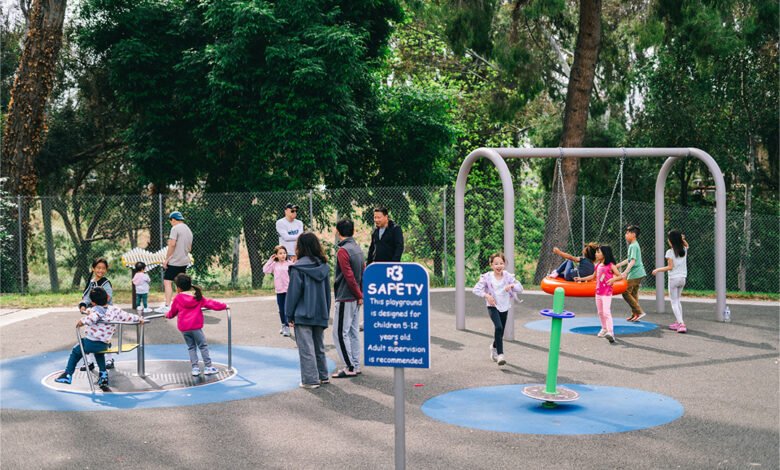
Outdoor playgrounds provide children with valuable opportunities to stay active, explore their surroundings, develop physical abilities, and build meaningful social connections. In an increasingly digital world, having access to enjoyable outdoor recreational spaces is more important than ever. Playgrounds encourage children to spend time outside, participate in physical activities, interact with other children, and develop essential life skills through enjoyable experiences. Whether installed in schools, parks, residential communities, childcare centers, or commercial properties, thoughtfully selected playground equipment can transform an ordinary outdoor area into an exciting environment that supports learning, creativity, and healthy development.
Choosing the right outdoor playground equipment involves more than selecting attractive structures and colorful accessories. Property owners, school administrators, and community planners must consider children’s ages, physical abilities, available space, safety requirements, equipment durability, accessibility, and maintenance needs. Every playground should provide a balanced combination of activities that encourage movement, imagination, cooperation, and exploration. From slides and swings to climbing structures, seesaws, interactive panels, and adventure courses, each feature can contribute to a more enjoyable recreational experience. Understanding the different equipment options, their benefits, installation requirements, and long-term maintenance considerations can help create outdoor play areas that remain functional, attractive, and entertaining for years.
Understanding the Importance of Outdoor Playgrounds
Outdoor playgrounds play an important role in childhood development because they provide opportunities for physical activity that may not always be available indoors. Running, jumping, climbing, balancing, and swinging allow children to use different muscle groups while improving coordination and physical confidence. Regular outdoor activity can also support general fitness, encourage healthy habits, and provide a positive alternative to spending excessive time sitting in front of electronic devices.
Playgrounds also support emotional and social development. When children participate in group activities, they learn how to communicate, share equipment, cooperate with others, and solve everyday challenges. Playing together encourages patience, teamwork, independence, and confidence. Children also develop problem-solving abilities when they explore climbing structures, navigate obstacle courses, or participate in imaginative games.
A thoughtfully designed playground can serve different recreational purposes simultaneously. Younger children may enjoy simple sensory activities, while older children may prefer more challenging climbing equipment and interactive games. Providing a variety of activities helps create an environment where children with different interests and abilities can participate comfortably.
Different Types of Outdoor Playground Equipment
Modern playgrounds offer a wide range of equipment designed to support different forms of recreation and physical development. Selecting an appropriate combination of structures helps create an engaging play environment rather than limiting children to a single activity.
Slides remain among the most popular playground features because they offer enjoyable movement experiences and encourage children to develop coordination. Swings provide opportunities for balance and controlled movement, while climbing structures help develop strength and confidence. Seesaws encourage cooperation between children, and interactive panels provide opportunities for sensory exploration and problem-solving.
Other options include tunnels, playhouses, balance bridges, rope nets, spinning equipment, obstacle courses, and musical play elements. Each type of equipment offers different benefits, making it important to consider the overall purpose of the playground before choosing individual components.
A balanced equipment arrangement should provide opportunities for active movement, imaginative play, social interaction, and quieter activities. Combining different features can make a playground more interesting and encourage children to explore multiple types of recreation.
Slides and Their Role in Outdoor Recreation
Slides are essential features in many playground environments because they provide a simple and enjoyable way for children to experience movement and height. They are available in several designs, including straight slides, curved slides, spiral slides, wave slides, and multi-lane options. Different configurations can accommodate various playground sizes and age groups.
Choosing an appropriate slide requires consideration of platform height, access arrangements, landing areas, material quality, and age suitability. Smaller slides are generally suitable for younger children, while taller and more complex designs may provide additional challenges for older users. All slides should have appropriate protective surfacing and sufficient clearance around the exit area.
Common slide materials include durable plastics and certain metal constructions. High-density polyethylene is frequently used because it offers design flexibility and can withstand outdoor exposure when properly manufactured and maintained. Metal slides may also be suitable in specific applications, although surface temperature and other environmental considerations should be evaluated.
Proper installation is essential for ensuring that slides remain stable and safe during regular use. Periodic inspections should check for cracks, loose connections, sharp edges, and damage to surrounding protective surfaces.
Swings for Different Age Groups
Swings are among the most recognizable playground features and offer children an enjoyable experience involving movement, balance, and coordination. Their simple design makes them suitable for many recreational settings, provided that the selected equipment matches the age and abilities of its users.
Traditional belt swings are commonly installed for older children who can sit independently and maintain their balance. Bucket-style seats provide additional support for younger users, while specialized accessible swings can help expand participation opportunities for children with different physical abilities.
Group swings are another option for playgrounds that want to encourage shared recreational experiences. These structures can accommodate multiple users and create opportunities for cooperative play.
Swing placement requires careful attention because the equipment moves through a defined travel area. Designers must provide sufficient clearance in front of and behind each swing, install appropriate surfacing, and follow the manufacturer’s spacing requirements. Regular maintenance should include checking chains, connectors, seats, support frames, and other moving components.
Climbing Structures for Strength and Coordination
Climbing equipment provides opportunities for children to challenge themselves physically while developing strength, balance, and coordination. These structures are available in different designs, including climbing walls, rope nets, ladders, arches, climbing domes, and interconnected platforms.
Younger children generally benefit from lower structures with accessible handholds and manageable climbing routes. Older children may enjoy more challenging equipment that incorporates different levels, climbing angles, and movement patterns. Selecting equipment according to developmental abilities is essential for providing an appropriate recreational experience.
Climbing structures can also encourage problem-solving because children must consider their movements and determine how to navigate different obstacles. Completing a climbing challenge may help develop confidence and encourage persistence.
Safety should remain a priority throughout the selection and installation process. Appropriate fall zones, protective surfacing, stable foundations, and properly designed handholds are essential. Equipment should be inspected regularly for worn ropes, loose fasteners, damaged platforms, and other potential hazards.
Seesaws and Interactive Play Features
Seesaws provide a different type of playground experience by encouraging children to coordinate their movements with another person. Traditional seesaws move around a central pivot point, allowing users to experience controlled up-and-down motion. These activities can encourage cooperation, communication, and an understanding of balance.
Modern seesaw designs may incorporate additional support features, ergonomic seats, and different movement patterns. Selecting a suitable model requires consideration of age suitability, weight capacity, installation requirements, and the surrounding protective surface.
Interactive play features can complement traditional equipment by introducing activities that encourage curiosity and learning. Rotating panels, puzzles, musical elements, counting boards, and sensory features provide different experiences for children who may prefer quieter or more imaginative forms of play.
Combining physical equipment with interactive features creates a more diverse recreational environment. This approach helps accommodate different interests and encourages children to explore several activities during each visit.
Choosing Age-Appropriate Playground Equipment
Children develop at different rates, and their recreational needs change as they grow. For this reason, playground equipment should be selected according to the intended age groups rather than relying entirely on appearance or popularity.
Toddlers generally benefit from simple equipment that supports early movement and sensory development. Low platforms, small slides, crawl-through tunnels, interactive panels, and age-appropriate swings can provide suitable experiences. Equipment should have manageable heights and designs that support developing coordination.
Preschool children may enjoy more varied activities, including small climbing structures, balance elements, playhouses, and imaginative play equipment. These features can help develop independence and encourage interaction with other children.
Older children often prefer more challenging recreational activities. Climbing walls, rope structures, elevated platforms, obstacle courses, and balance bridges can provide opportunities to test their physical abilities.
A well-planned playground may include separate activity zones for different age groups. Clearly organized areas help reduce overcrowding and allow children to enjoy equipment that matches their developmental needs.
The Benefits of Inclusive Outdoor Playground Equipment
Inclusive playgrounds are designed to provide meaningful recreational opportunities for children with different physical, sensory, and developmental abilities. Accessibility should be considered during the initial design process so that the finished playground offers a welcoming experience for a wider range of users.
Accessible pathways are an important part of inclusive playground planning. Routes should provide suitable widths, stable surfaces, and manageable slopes to help children using mobility devices reach different activity areas.
Ground-level play panels, accessible swings, transfer platforms, sensory activities, and interactive features can expand opportunities for participation. Designers should also consider equipment that encourages communication and cooperative play rather than focusing exclusively on individual activities.
Seating, shaded rest areas, and accessible entrances can further improve the usability of the playground. Caregivers should be able to supervise children comfortably while maintaining access to different parts of the recreational area.
An inclusive approach helps create a playground where children can participate together and enjoy activities according to their individual abilities.
Safety Standards for Outdoor Playground Equipment
Safety is one of the most important considerations when purchasing and installing playground equipment. Structures should be manufactured, installed, and maintained according to applicable safety standards and manufacturer instructions.
Equipment spacing is particularly important because insufficient clearance can increase the risk of collisions. Slides, swings, climbing structures, and moving equipment all require appropriate use zones. Designers should ensure that active areas do not interfere with one another.
Protective surfacing is another essential component. Suitable materials may include engineered wood fiber, rubber safety surfaces, or other tested products designed to reduce the impact of falls. The correct surface should be selected according to equipment height, installation conditions, and applicable safety requirements.
Equipment should also be checked for entrapment hazards, sharp edges, exposed fasteners, unstable components, and damaged surfaces. Age recommendations and weight limitations should be followed carefully.
Regular inspections help identify developing safety concerns before they become serious. A consistent maintenance schedule should include checking structural connections, moving parts, protective surfacing, and surrounding pathways.
Selecting Durable Materials for Outdoor Playgrounds
The materials used in playground equipment influence its durability, appearance, maintenance requirements, and ability to withstand outdoor conditions. Since playground structures are exposed to sunlight, moisture, temperature changes, and repeated use, material selection should prioritize long-term performance.
Metal is commonly used for support frames, climbing equipment, and structural components. Appropriate protective coatings can help reduce corrosion and maintain the appearance of exposed surfaces. Fasteners and connections should also be manufactured for outdoor use.
High-density polyethylene is frequently used for slides, panels, and decorative components because it can be manufactured in different shapes and colors. It also offers useful weather resistance when suitable grades and finishes are selected.
Treated wood may be incorporated into nature-inspired playground designs, while rubber materials are commonly used for protective surfacing. Each material requires appropriate installation and maintenance procedures.
When comparing equipment options, buyers should consider the quality of construction, expected usage, warranty coverage, replacement part availability, and manufacturer recommendations. Selecting durable materials can reduce maintenance demands and help preserve the playground’s appearance.
Creative Playground Themes and Designs
A creative playground theme can transform a standard recreational area into a memorable environment that encourages imagination and exploration. Themes may be inspired by nature, adventure, transportation, animals, outer space, or educational concepts.
Nature-inspired playgrounds often incorporate earthy colors, wood-like textures, leaf patterns, and climbing structures that resemble natural landscapes. These designs can create a welcoming outdoor environment and encourage children to explore their surroundings.
Adventure-themed playgrounds may include towers, bridges, tunnels, climbing structures, and obstacle courses. Such features encourage imaginative storytelling and provide opportunities for physical challenges.
Educational playgrounds can incorporate alphabet panels, number activities, puzzles, and interactive learning boards. These elements combine recreation with opportunities to explore basic concepts through play.
Colors and decorative elements should complement the overall layout without distracting from equipment functionality. A coordinated design can help different activity zones feel connected while maintaining a visually appealing environment.
Playground Equipment for Schools and Educational Facilities
Schools require recreational spaces that accommodate multiple age groups and provide suitable opportunities for physical activity. Outdoor playground equipment can help students stay active during breaks while encouraging teamwork, communication, and social development.
A school playground should be designed according to the number of students, available land, supervision requirements, and the ages of the intended users. Multiple activity zones can help reduce overcrowding and provide different recreational options.
Younger students may benefit from low climbing structures, smaller slides, interactive panels, and age-appropriate swings. Older students may prefer challenging climbing equipment, balance courses, and group activities.
Educational features can also support learning outside the classroom. Counting games, interactive boards, and problem-solving activities provide opportunities to develop basic skills while enjoying outdoor recreation.
Schools should prioritize durable equipment because playground structures may experience frequent use throughout the academic year. Regular inspections and an organized maintenance plan are essential for keeping the facilities in suitable condition.
Residential and Community Playground Equipment
Residential communities benefit from playgrounds because they create shared spaces where children and families can spend time together. These recreational areas can encourage outdoor activity, improve neighborhood interaction, and provide a convenient place for children to develop friendships.
Community playgrounds should offer a balanced selection of equipment that accommodates different age groups and interests. Slides, swings, climbing structures, interactive panels, and open play areas can provide a variety of recreational opportunities.
Seating and shaded areas are also valuable because they allow parents and caregivers to supervise children comfortably. Accessible pathways can improve movement throughout the playground and connect it with nearby walking routes.
When selecting equipment for a residential or community project, planners should consider expected visitor numbers, available space, installation costs, and long-term maintenance responsibilities. Equipment designed for frequent use can provide better value over time when properly maintained.
Natural Playground Equipment and Outdoor Landscaping
Natural playground designs incorporate elements that connect children with the outdoor environment. Instead of relying exclusively on manufactured structures, these playgrounds may include suitable logs, natural textures, sensory gardens, and nature-inspired climbing features.
Natural play areas can encourage exploration, creativity, and curiosity. Children may enjoy interacting with different textures, observing plants, and participating in imaginative activities inspired by their surroundings.
Landscaping also improves the appearance and comfort of playgrounds. Trees and suitable shade structures can provide protection from direct sunlight, while carefully arranged planting areas can help define activity zones.
However, natural features must still be evaluated for safety. Logs, rocks, planting areas, and other elements should be positioned appropriately, maintained regularly, and kept clear of dangerous surfaces or obstacles.
Drainage is another important consideration because poorly managed water can create muddy areas and affect protective surfacing. Combining suitable landscaping with durable equipment can create an attractive and functional recreational environment.
Understanding the Cost of Outdoor Playground Equipment
The cost of purchasing playground equipment depends on several factors, including the size of the playground, equipment selection, material quality, design complexity, and installation requirements. A small residential play area may require a different investment from a large school or public recreational facility.
Individual equipment prices can vary considerably. Slides, swings, climbing structures, interactive panels, and customized play systems have different manufacturing and installation costs. Specialized accessible equipment may also affect the overall project budget.
Additional expenses may include site preparation, protective surfacing, drainage improvements, fencing, shade structures, pathways, transportation, and professional installation. These requirements should be included in the initial planning process to avoid unexpected costs.
Buyers should compare quotations based on equipment specifications, construction quality, warranty coverage, installation services, and long-term maintenance requirements. Choosing the least expensive option is not always the most economical decision if the equipment requires frequent repairs or replacement.
A well-planned budget should balance initial investment with durability, safety, and the expected lifespan of the playground.
Professional Playground Installation and Site Preparation
Proper installation is essential for ensuring that playground equipment remains stable and functions as intended. Even high-quality structures can create safety concerns when foundations, anchors, connections, or protective surfaces are installed incorrectly.
The installation process generally begins with evaluating the site. Professionals assess ground conditions, available space, drainage, underground utilities, access routes, and the proposed equipment layout.
Site preparation may involve leveling the ground, improving drainage, preparing foundations, and establishing appropriate pathways. Equipment is then assembled according to manufacturer instructions and secured using suitable installation methods.
Protective surfacing should be installed at the required depth or thickness and should cover the appropriate use zones. Before the playground becomes available for children, the completed installation should receive a thorough inspection.
Working with experienced installers can help reduce installation mistakes and ensure that the playground meets relevant safety and performance requirements.
Playground Maintenance and Long-Term Care
Regular maintenance helps keep outdoor playground equipment safe, attractive, and functional. Exposure to sunlight, rain, temperature changes, and repeated use can gradually affect equipment components and surrounding surfaces.
Routine inspections should examine support frames, fasteners, platforms, slides, swings, ropes, and climbing structures. Loose connections, damaged components, sharp edges, and deteriorating surfaces should be evaluated and repaired promptly.
Protective surfacing also requires regular attention. Materials may become displaced, compacted, damaged, or contaminated with debris. Cleaning, replenishment, and repairs should follow the recommendations for the specific surface material.
Landscaping and drainage should also be maintained. Removing debris, controlling vegetation, checking pathways, and preventing standing water can help preserve the playground environment.
Keeping written maintenance records makes it easier to monitor equipment conditions, schedule repairs, and plan future replacement requirements. Preventive maintenance can extend equipment life and help reduce unexpected expenses.
How to Choose the Right Playground Equipment Supplier
Selecting a reliable supplier is an important part of developing a successful playground project. A professional supplier should understand equipment specifications, safety requirements, material quality, installation procedures, and long-term maintenance considerations.
Before making a purchase, buyers should review the supplier’s previous projects and ask about experience with similar recreational facilities. It is also helpful to request product specifications, warranty details, safety information, and available replacement parts.A dependable supplier should understand the intended age groups, available space, expected number of users, and project budget before recommending equipment. This helps ensure that the proposed selection is suitable for the actual requirements.
Customer reviews and references can provide additional information about product quality and service reliability. Buyers should also confirm whether installation, site preparation, and post-installation support are included in the quotation.Choosing a supplier that prioritizes safety, durability, and customer service can help property owners make a more informed investment.
Common Mistakes to Avoid When Purchasing Playground Equipment
One common mistake is selecting equipment based entirely on appearance. Colorful structures may attract attention, but they must also be appropriate for the intended age group, available space, and safety requirements.
Another mistake is overlooking protective surfacing. Playground equipment requires suitable fall protection, and insufficient surface coverage can increase the risk of injuries. Surfacing should be considered during the earliest planning stages rather than added as an afterthought.
Poor space planning can also affect usability. Equipment placed too close together may create congestion and increase the possibility of collisions. Proper circulation routes and use zones should be included in the layout.
Some buyers also underestimate long-term maintenance costs. Outdoor equipment requires inspections, cleaning, occasional repairs, and eventual component replacement. Considering these responsibilities before purchasing can help prevent unnecessary expenses.Finally, accessibility should not be overlooked. Providing inclusive pathways and suitable play features helps ensure that more children can participate and enjoy the recreational environment.
Conclusion
Outdoor playgrounds provide children with valuable opportunities to stay physically active, develop coordination, build friendships, and explore their creativity. Choosing the right equipment is essential for creating recreational environments that are enjoyable, accessible, durable, and safe. From slides and swings to climbing structures, seesaws, interactive panels, and natural play features, every component can contribute to a balanced outdoor experience.
Successful playground projects require careful planning, suitable material selection, age-appropriate equipment, protective surfacing, and professional installation. Schools, residential communities, childcare facilities, and public recreation areas should consider their specific requirements before finalizing an equipment layout.
Regular inspections and preventive maintenance are equally important for protecting the long-term value of a playground. By working with experienced suppliers and prioritizing quality, safety, and accessibility, property owners can create engaging outdoor recreational spaces that encourage healthy development and provide enjoyable experiences for children for many years.