Skylight Installation: Transform Your Property with Natural Light and Modern Design

Introduction
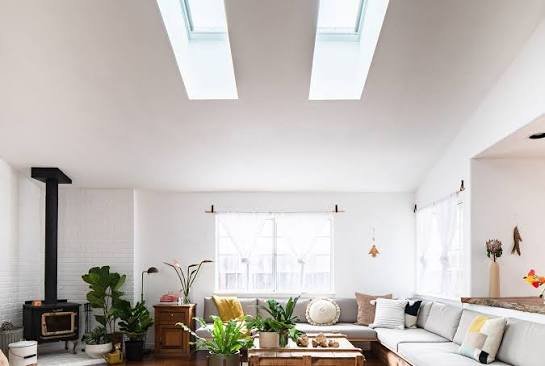
Natural light plays an important role in creating comfortable, attractive, and energy-efficient indoor environments. Whether in a residential home or a commercial building, properly designed lighting can make interior spaces feel more open, welcoming, and enjoyable. However, rooms with limited windows or poor access to daylight often depend heavily on artificial lighting throughout the day. One effective way to address this challenge is by adding a skylight to the roof. Skylights are specially designed windows installed in roofs or ceiling structures to allow natural sunlight to enter interior spaces. They can improve the appearance of a property, enhance indoor comfort, and create a more inviting atmosphere without requiring major changes to existing wall layouts.
A professionally planned skylight can transform dark kitchens, bathrooms, hallways, living rooms, and other interior spaces by introducing daylight from above. Modern designs are available in different shapes, sizes, glazing options, and opening mechanisms, making it easier for property owners to find an option that complements their building’s architecture. However, successful installation requires more than selecting an attractive skylight. Roof structure, waterproofing, insulation, ventilation, glazing performance, and proper placement must all be considered to achieve reliable long-term results. Understanding the installation process, available skylight types, benefits, maintenance requirements, and common mistakes can help homeowners make informed decisions and enjoy the advantages of natural lighting.
Understanding What Skylight Installation Involves
Skylight installation is the process of adding a specially designed roof window that allows natural light to enter an interior space. Unlike traditional windows installed in exterior walls, skylights are positioned on sloped or flat roof structures, depending on the building design and product specifications. Their placement allows sunlight to reach areas that may otherwise receive very little natural illumination.
The installation process generally involves assessing the roof, identifying a suitable position, preparing the required opening, installing the skylight assembly, and creating a weather-resistant connection between the unit and the surrounding roofing materials. The exact procedure depends on the roof construction, skylight design, and manufacturer’s installation requirements.
A successful project must also account for the interior ceiling configuration. Some skylights connect directly to a ceiling below the roof, while others require a light shaft to direct sunlight into the room. The shape and depth of this shaft can influence how daylight spreads throughout the interior.
Professional planning is essential because skylights create an opening in the building envelope. If the installation is not properly sealed and insulated, rainwater intrusion, condensation, drafts, and heat transfer may become problems. Selecting suitable materials and ensuring correct installation techniques help protect the property while improving indoor lighting.
Benefits of Installing a Skylight in Your Property
One of the biggest advantages of a skylight is its ability to introduce natural daylight into interior spaces. Rooms that previously depended on artificial lighting may become noticeably brighter after installation. This can improve the overall appearance of the interior and make smaller spaces feel more open.
Natural daylight can also help create a more pleasant living environment. Sunlight changes throughout the day, bringing variation to interior spaces and highlighting architectural details, furniture, and decorative features. This can make rooms feel more connected to the outdoors.
Another benefit is the potential reduction in daytime electricity consumption. When skylights provide sufficient daylight, occupants may need to use fewer electric lights during certain hours. Actual energy savings depend on skylight size, orientation, glazing performance, room design, and local weather conditions.
Some skylight models also provide ventilation. Operable units can be opened to allow warm air to escape and fresh air to enter when outdoor conditions are suitable. This may improve indoor comfort, especially in kitchens, bathrooms, and other areas where heat or moisture can accumulate.
In addition to functional advantages, skylights can enhance architectural appeal. A thoughtfully selected roof window can become an attractive design feature that gives a property a more contemporary and sophisticated appearance.
Different Types of Skylights Available
Choosing the right skylight is an important part of the planning process. Different designs provide different levels of daylight, ventilation, and visual appeal. Understanding the available options can help property owners select a product that meets their requirements.
Fixed skylights are designed primarily to bring natural light into a room. They do not open, making them suitable for spaces where ventilation is not a major concern. Their relatively simple operating design can make them an attractive option for living rooms, hallways, staircases, and other areas that need additional daylight.
Vented skylights can be opened to provide additional airflow. Depending on the model, they may operate manually or through an electric mechanism. These skylights are particularly useful in bathrooms, kitchens, and upper-level rooms where warm air may collect near the ceiling.
Tubular skylights use reflective tubing to transport daylight from the roof into interior spaces. They are often suitable for smaller areas, such as closets, corridors, and compact bathrooms, where installing a traditional roof window may not be practical.
Flat-roof skylights are specifically designed for buildings with flat or low-slope roofing systems. They use compatible mounting and flashing components to create a weather-resistant installation.
Pitched-roof skylights are designed for sloped roofs and are available in various sizes and configurations. They can be incorporated into many residential roof designs and are commonly used to brighten attic rooms, bedrooms, and upper-floor living areas.
The best option depends on the building’s roof structure, interior layout, desired ventilation, and overall design preferences.
Choosing the Right Location for a Skylight
Skylight placement has a significant influence on how effectively natural light reaches the interior. Selecting the right position requires considering the room’s dimensions, ceiling design, roof orientation, nearby structures, and the amount of daylight required.
Living rooms are popular locations because skylights can create a brighter atmosphere and highlight decorative features. In kitchens, they can provide additional illumination over work areas and help make the space feel more open. Bathrooms may benefit from natural daylight and the ventilation provided by suitable operable skylight models.
Hallways and staircases are also useful locations because these areas often have limited access to conventional windows. A strategically placed skylight can improve visibility and reduce dependence on artificial lighting during daylight hours.
Roof orientation should also be considered. Different directions receive different amounts and intensities of sunlight throughout the day. The right choice depends on the desired lighting effect, local climate, shading conditions, and the building’s energy requirements.
Nearby trees, neighboring buildings, chimneys, and other roof structures may influence the amount of sunlight reaching the skylight. A professional assessment can help identify a location that provides useful daylight while avoiding unnecessary exposure to direct heat or potential obstructions.
Understanding the Skylight Installation Process
A professional installation generally begins with a detailed assessment of the roof and the interior space where the skylight will be positioned. The technician evaluates the roofing material, structural framing, roof slope, ceiling configuration, and accessibility before recommending an appropriate product.
Once the location and skylight model have been selected, the installation area is carefully measured. Accurate measurements are essential because the opening must match the product specifications and fit appropriately within the roof structure.The next stage involves preparing the roof opening. This work must account for the structural arrangement of the roof, including rafters, trusses, and other supporting components. Any necessary structural modifications should be evaluated and completed according to applicable building requirements.
The skylight unit is then positioned and secured using compatible installation components. Flashing and waterproofing materials are installed around the unit to direct rainwater away from vulnerable joints and prevent water from entering the roof assembly.
After the exterior installation is completed, attention turns to the interior finish. Depending on the design, this may include constructing a light shaft, installing insulation, fitting drywall, and finishing the surrounding ceiling surfaces.Finally, the technician checks the installation for proper sealing, alignment, drainage, and operation. A thorough inspection helps identify potential issues before the project is considered complete.
The Importance of Proper Waterproofing and Flashing
Waterproofing is one of the most important aspects of any skylight installation. Because a skylight creates an opening in the roof, the surrounding area must be carefully protected against rainwater and moisture.
Flashing is a system of specially designed components installed around the skylight to guide water away from the opening. Different flashing systems are available for different roof materials and slopes. Selecting compatible components is essential for creating a reliable weather-resistant connection.
Improper flashing can allow water to enter around the skylight, potentially damaging roof decking, insulation, drywall, and interior finishes. Water intrusion may also contribute to mold growth and deterioration of surrounding building materials.In addition to flashing, proper integration with the roofing membrane and underlayment is important. The installation must follow the manufacturer’s requirements to ensure that water is directed safely away from the skylight.
Homeowners should also understand that condensation can sometimes resemble a roof leak. Moisture may develop when warm indoor air contacts a cold surface, particularly when insulation or ventilation is inadequate. A professional inspection can help determine whether the problem involves failed waterproofing, condensation, or another issue.
Energy Efficiency and Modern Skylight Designs
Modern skylights are available with glazing and frame technologies designed to improve thermal performance. Selecting an energy-efficient product can help maintain indoor comfort while allowing natural light to enter the property.
Double-glazed skylights contain two layers of glass separated by an insulating space. This arrangement can reduce heat transfer compared with certain single-glazed products. Some models also feature specialized coatings that help manage solar heat gain and improve overall performance.
Low-emissivity coatings are designed to control the movement of radiant heat through glass. Depending on the product, these coatings can help reduce unwanted heat transfer while maintaining useful levels of daylight.Frame materials also contribute to performance. Modern skylights may use treated timber, aluminum, composite materials, or other products designed for durability and thermal efficiency.
Property owners should consider the skylight’s energy ratings, glazing specifications, climate suitability, and manufacturer’s recommendations before making a selection. A product that performs well in one climate may not be the best choice for another.Proper installation is equally important. Even a high-quality skylight may perform poorly if the surrounding area is inadequately insulated or sealed. Combining suitable glazing with professional installation helps achieve better long-term results.
Skylight Installation for Different Rooms
Skylights can be incorporated into many areas of a residential or commercial property. However, each room has different lighting, ventilation, privacy, and moisture requirements.
Living rooms: Skylights can make living areas feel brighter and more spacious. Larger fixed models may provide broad daylight coverage, while carefully positioned units can highlight architectural features and improve the overall atmosphere.
Kitchens: Natural lighting can improve visibility in food preparation areas and create a more welcoming environment. Operable skylights may also help release warm air and cooking odors when appropriate ventilation conditions are available.
Bathrooms: Skylights can introduce daylight into bathrooms that have limited exterior wall space. Moisture-resistant materials and suitable ventilation are particularly important in these areas to help manage condensation and humidity.
Bedrooms: Skylights can add natural light and enhance the appearance of upper-floor bedrooms. Models with blinds or shades can provide better control over brightness, privacy, and unwanted solar heat.
Hallways and staircases: These areas often have limited access to traditional windows. A skylight can help brighten darker sections of the property and improve the visual connection between different levels.
Attic spaces: Skylights can make converted attic areas more comfortable and functional by bringing daylight into spaces that may otherwise feel enclosed.
Selecting the appropriate model for each room helps ensure that the skylight provides practical benefits as well as visual appeal.
Skylight Installation for Flat and Sloped Roofs
Roof design plays an important role in determining the type of skylight and installation method required. Flat and sloped roofs have different drainage characteristics, which means the installation must be planned accordingly.
Flat roofs generally require skylights designed specifically for low-slope applications. These products may include raised frames, specialized flashing, and glazing arrangements that help manage water movement. Proper drainage is particularly important because standing water can increase the risk of leakage if the system is not designed appropriately.
Sloped roofs provide a different installation environment. Pitched-roof skylights are generally designed to integrate with the roof angle and surrounding roofing materials. Their flashing systems must match the roof covering, whether it consists of shingles, tiles, metal panels, or another approved material.
In both cases, the installer must evaluate the existing roof condition before beginning work. Damaged roofing materials, deteriorated underlayment, and structural concerns should be addressed as part of the project planning process.Choosing a skylight specifically designed for the roof configuration is essential for achieving reliable weather protection and long-term performance.
How Much Does Skylight Installation Cost?
The cost of skylight installation depends on several factors, including the product type, dimensions, glazing specifications, roof design, installation complexity, and interior finishing requirements. A basic fixed skylight may involve less work than a larger operable unit that requires electrical connections and additional structural preparation.
Roof accessibility can also influence the overall project cost. Installations involving steep roofs, difficult access, or complex roofing materials may require additional labor and safety equipment.The condition of the existing roof is another important consideration. If the roof requires repairs, structural modifications, or replacement of damaged materials around the installation area, these tasks may increase the overall expense.
Additional features such as remote-controlled opening mechanisms, integrated blinds, rain sensors, and specialized glazing can also affect the final price.
Homeowners should request a detailed written estimate that explains product costs, labor, flashing, insulation, interior finishing, and any additional work. Comparing quotations from experienced contractors can help property owners understand available options and make a suitable decision.Rather than choosing exclusively on price, it is important to consider installation quality, product warranties, weatherproofing methods, and the contractor’s experience.
Common Skylight Installation Mistakes to Avoid
Although skylights can offer substantial benefits, poor installation decisions may lead to long-term problems. One common mistake is choosing a skylight without evaluating the roof structure. The roof must be capable of accommodating the opening without compromising essential structural support.Another mistake is using unsuitable flashing materials or failing to integrate the skylight correctly with the surrounding roofing system. This can create weak points where rainwater may enter.
Inadequate insulation is another concern. Poorly insulated skylight openings may contribute to drafts, condensation, and unwanted heat transfer. Proper sealing around the frame and light shaft is essential for maintaining indoor comfort.Choosing the wrong skylight size can also affect performance. A unit that is too large may introduce excessive sunlight and unwanted heat, while a very small model may not provide enough daylight to achieve the desired effect.
Ignoring ventilation requirements is another potential issue, particularly in bathrooms and kitchens. These spaces may require a suitable combination of mechanical ventilation and operable windows to manage moisture effectively.Working with experienced professionals and following manufacturer installation guidelines can help prevent these problems and improve the overall quality of the project.
Maintaining Your Skylight for Long-Term Performance
Regular maintenance is important for preserving the appearance and functionality of a skylight. Although modern products are designed to withstand normal weather conditions, exposure to sunlight, rain, wind, dust, and temperature changes can gradually affect their condition.
Homeowners should periodically inspect the visible skylight frame and surrounding roof area for signs of damage. Cracked glazing, deteriorated seals, loose components, and damaged flashing should be evaluated by a qualified professional.
Keeping nearby gutters and roof drainage areas clear can also help prevent water from accumulating around the skylight. Leaves and other debris should be removed when safe and appropriate.
The glass should be cleaned according to the manufacturer’s recommendations. Using unsuitable abrasive materials or harsh cleaning chemicals may damage specialized coatings or surrounding finishes.Interior inspection is equally important. Water stains, peeling paint, unusual moisture, or recurring condensation may indicate an issue that needs attention. Addressing these warning signs early can help prevent more extensive repairs.
Operable skylights may also require occasional inspection of hinges, opening mechanisms, electrical components, and weather seals. Following the manufacturer’s maintenance guidance can help maintain reliable operation.
Choosing a Professional Skylight Installation Contractor
Selecting the right contractor is one of the most important decisions in a skylight project. Proper installation requires knowledge of roofing systems, structural considerations, waterproofing, insulation, and the specific requirements of the selected product.
Experience should be a major consideration when evaluating contractors. Property owners should look for professionals who have completed similar projects and understand different roof configurations.It is also useful to review previous work, customer feedback, and references. These can provide insight into workmanship, reliability, communication, and the contractor’s approach to project management.
Homeowners should ask whether the contractor is insured, appropriately qualified, and familiar with relevant building requirements. They should also confirm whether the proposed installation follows the skylight manufacturer’s instructions.
A detailed written quotation should explain the materials, labor, installation process, project timeline, and warranty arrangements. Clear communication before work begins can help prevent misunderstandings and unexpected expenses.A reliable contractor should also explain potential challenges and provide realistic recommendations based on the property’s roof structure and lighting requirements.
Improving Indoor Comfort with Skylight Blinds and Accessories
Skylight accessories can help property owners manage daylight, privacy, and indoor temperatures. Although natural light is one of the main reasons for installing a skylight, there may be times when controlling the amount of incoming sunlight is beneficial.Skylight blinds are available in different styles, including manual and motorized options. Some designs provide light filtering, while others offer room-darkening capabilities for bedrooms and media spaces.
Solar-powered blinds may be suitable for certain skylight installation models, reducing the need for additional electrical wiring. Remote-controlled options can also make it easier to adjust hard-to-reach roof windows.Insect screens may be useful for operable skylights, allowing ventilation while helping prevent insects from entering the property. Rain sensors and automatic closing mechanisms are additional features available with selected products.
The right accessories depend on the room’s purpose, sunlight exposure, ventilation requirements, and personal preferences. Discussing these options during the planning stage can help ensure that the selected skylight provides the desired level of convenience.
Conclusion
Skylights offer an effective way to improve natural lighting, enhance interior design, and create more comfortable residential and commercial spaces. By introducing daylight from above, they can transform darker rooms, make interiors feel more spacious, and reduce the need for artificial lighting during suitable daylight hours. Modern skylight options also provide additional features, including ventilation, energy-efficient glazing, motorized operation, and light-control accessories.
However, achieving these benefits requires careful planning and professional installation. Roof structure, skylight placement, waterproofing, flashing, insulation, and glazing performance all play important roles in the success of a project. Choosing the right product for the building’s design and climate can help prevent common problems and improve long-term performance.
Regular maintenance and timely inspections are equally important for protecting the skylight and surrounding roof materials. Property owners should pay attention to damaged seals, water stains, condensation, and other signs that may indicate a developing issue.
Ultimately, a professionally planned skylight installation is a valuable improvement that combines functionality with architectural appeal. By working with an experienced contractor and selecting suitable materials, property owners can enjoy brighter interiors, improved comfort, and reliable performance for many years.