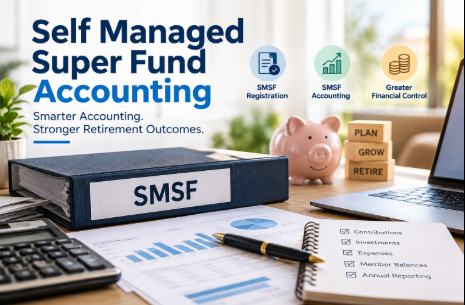
Managing an SMSF can offer greater control over retirement savings, but accurate records matter. SAH Tax’s self managed superannuation fund services can help trustees establish a more organised approach from the outset.
A self managed super fund also brings responsibility. Trustees are expected to maintain proper records, track financial transactions, meet reporting obligations and ensure the fund operates according to superannuation rules. Without a reliable accounting process, even routine transactions can become difficult to manage.
Why Self Managed Super Fund Accounting Deserves Attention
Self managed super fund accounting is more than entering transactions into accounting software. It involves maintaining a clear financial record of the fund throughout the year so that its accounts, tax reporting and compliance requirements can be addressed accurately.
An SMSF may receive contributions, earn investment income, purchase assets, incur expenses and make pension payments. Each transaction needs to be recorded appropriately and supported by relevant documentation.
Good accounting gives trustees a clearer understanding of:
- The fund’s assets and liabilities
- Investment income and expenses
- Member contributions and balances
- Cash flow throughout the financial year
- Information required for annual reporting
When these records are maintained consistently, the year-end process becomes considerably more structured.
What Makes SMSF Accounting Different?
SMSFs operate under a specific regulatory framework. That means trustees cannot necessarily treat their fund like an ordinary personal investment portfolio.
For example, an SMSF may hold shares, managed investments or property. Each asset can generate different types of income and expenses, while transactions involving members can have additional considerations.
| Area | Accounting focus | Benefit to trustees |
| Contributions | Recording amounts and member allocations | Better member records |
| Investments | Tracking purchases, sales, income and costs | Clearer investment performance |
| Expenses | Categorising legitimate fund expenses | More reliable financial reporting |
| Member benefits | Recording payments and balances | Improved transaction accuracy |
| Annual reporting | Preparing financial information | Smoother compliance process |
This is where specialist SMSF accounting can be valuable. A knowledgeable accountant can help identify missing information, maintain appropriate records and prepare the financial information required for the fund’s annual obligations.
Start With Proper SMSF Registration
Accounting becomes much easier when the fund is established correctly. Self managed super fund registration is therefore an important foundation for trustees considering an SMSF.
Setting up a fund involves more than completing a registration form. Trustees need to understand the structure of the fund, establish appropriate governing arrangements and consider how the fund will be managed over time.
Before proceeding, prospective trustees should think about:
- Whether an SMSF is suitable for their circumstances.
- Who will be responsible for trustee duties.
- How the fund’s investment strategy will be managed.
- How accounting and record keeping will be handled.
- What ongoing compliance responsibilities will apply.
Professional guidance at this stage can prevent avoidable administrative problems later.
Should Trustees Handle Accounting Themselves?
Some SMSF trustees prefer a hands-on approach. Accounting software can certainly make transaction management easier, particularly for straightforward funds. However, software does not replace professional judgement.
DIY accounting may require trustees to spend substantial time reviewing transactions, reconciling accounts and preparing information for annual reporting. It can become more demanding when the fund has several investments or more complicated transactions.
Professional support can instead provide a structured process in which trustees retain control of their fund while an accountant handles the technical accounting workload.
The choice often comes down to three factors:
- Time: How much administration can the trustee realistically manage?
- Complexity: How complicated are the fund’s investments and transactions?
- Risk: How confident is the trustee in meeting accounting and reporting requirements?
For trustees who value their time or have a more complex SMSF, outsourcing accounting can be a practical decision rather than simply an administrative convenience.
What Should You Look for in an SMSF Accountant?
Choosing the right accounting provider can make ongoing fund administration easier. Trustees should look beyond basic bookkeeping and consider whether the provider has specific experience with SMSFs.
A suitable provider should be able to explain financial information clearly, maintain organised records and understand the accounting requirements associated with superannuation funds.
It is also worth asking about:
- The scope of services included in the engagement
- How often financial records are reviewed
- Communication and document requirements
- Annual reporting and tax preparation
- How complex investment transactions are handled
Transparent communication is particularly important. Trustees should know what their accountant is responsible for and which obligations remain with them.
Make SMSF Administration More Manageable
Running an SMSF can provide flexibility, but flexibility works best when supported by disciplined administration. Reliable self managed super fund accounting helps trustees maintain visibility over their fund while creating a stronger foundation for annual reporting and compliance.
For trustees who would rather spend less time dealing with accounting administration, professional support can provide a more efficient alternative to managing every technical detail themselves.
SAH Tax supports SMSF trustees with accounting and taxation services designed around the requirements of self managed super funds. Their specialist approach can help simplify financial record keeping and give trustees a clearer process for managing their ongoing obligations.
If you are establishing a fund, reviewing your current accounting arrangements or simply looking for professional assistance, SAH Tax provides broader accounting and taxation support for individuals and businesses.
An SMSF is a significant financial responsibility. Getting the accounting structure right from the beginning can make ongoing management more organised, transparent and efficient.