Creating a More Comfortable Home with Professional Heating and Cooling Solutions

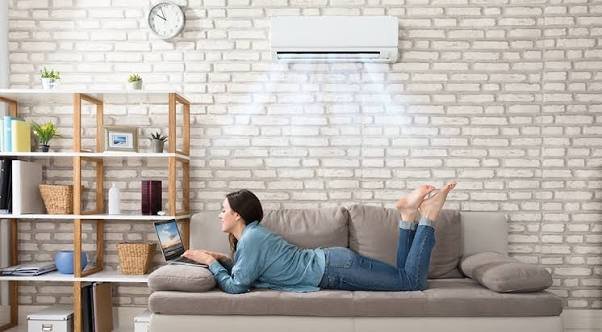
A comfortable indoor environment depends on reliable heating, effective cooling, and proper air circulation throughout the year. Whether homeowners want to maintain consistent temperatures, improve indoor air quality, or reduce unnecessary energy consumption, a well-maintained HVAC system plays an essential role in everyday comfort. Working with an experienced hvac contractor can help homeowners understand their heating and cooling requirements, identify potential equipment problems, and choose practical solutions that support long-term performance. Professional HVAC services cover much more than repairing a malfunctioning air conditioner or furnace. They include system installation, preventive maintenance, heating repairs, cooling services, heat pump solutions, and other improvements that help residential and commercial properties maintain dependable indoor conditions. By understanding how these services work together, property owners can make informed decisions about their equipment, protect their investments, and create healthier, more comfortable indoor spaces.
Understanding the Importance of a Reliable HVAC System
A dependable heating and cooling system provides more than temperature control. It helps regulate humidity, supports proper ventilation, and maintains a comfortable environment for occupants throughout changing weather conditions. When equipment operates correctly, rooms receive more consistent airflow, indoor temperatures remain stable, and the system can meet everyday demands without excessive strain. However, neglected equipment may develop problems that gradually affect comfort, efficiency, and reliability. Dirty filters, restricted airflow, worn electrical components, refrigerant problems, and poorly maintained heating elements can all interfere with normal operation. Professional HVAC services help identify these concerns before they develop into more disruptive problems. An experienced technician can evaluate the condition of the equipment, inspect important components, and recommend appropriate maintenance or repairs based on the system’s actual needs. Regular attention helps property owners avoid preventable breakdowns while supporting dependable heating and cooling performance.
Choosing the Right Heating and Cooling Equipment
Selecting suitable equipment is one of the most important decisions homeowners make when improving indoor comfort. Different buildings have different heating and cooling requirements, depending on their size, insulation, window placement, ceiling height, occupancy, and existing ventilation. Equipment that is too small may struggle to maintain comfortable temperatures during extreme weather, while oversized systems can cycle on and off too frequently, potentially wasting energy and creating uneven conditions. A qualified HVAC professional can evaluate these factors before recommending an installation or replacement. The goal is to select equipment that matches the property’s requirements instead of simply choosing the largest or most powerful available unit. Proper sizing, appropriate equipment selection, and careful installation all contribute to reliable performance. Homeowners should also consider operating costs, maintenance requirements, equipment warranties, and available energy-efficient features when comparing different systems. A well-planned decision can improve comfort while helping manage long-term household expenses.
Recognizing When Professional HVAC Repairs Are Necessary
Heating and cooling equipment often provides warning signs before a major breakdown occurs. Unusual noises, inconsistent temperatures, weak airflow, unexpected increases in utility bills, frequent cycling, and unpleasant odors can indicate that something requires attention. Ignoring these symptoms may allow a relatively minor issue to develop into a more expensive repair. For example, restricted airflow can place additional stress on blower components, while an improperly functioning thermostat may cause the equipment to operate longer than necessary. When these problems appear, a professional inspection can help determine their underlying causes. An experienced technician checks the relevant components rather than relying on assumptions or replacing parts without proper diagnosis. Timely repairs restore normal operation and help protect connected equipment from unnecessary wear. Homeowners should avoid attempting repairs involving electrical wiring, refrigerants, gas connections, or internal heating components without the required training. Professional service provides a safer approach to troubleshooting complex equipment and restoring dependable indoor comfort.
The Value of Preventive HVAC Maintenance
Preventive maintenance is one of the most practical ways to protect heating and cooling equipment over time. Systems operate for extended periods during demanding weather, and their components gradually collect dust, experience wear, and require adjustments. Routine inspections help identify developing concerns before they interrupt normal operation. During a maintenance appointment, a technician may inspect electrical connections, examine moving components, evaluate thermostat performance, check airflow, and assess the overall condition of the equipment. Depending on the system, maintenance may also include cleaning accessible components, inspecting condensate drainage, checking refrigerant-related performance, and verifying that safety controls function correctly. Homeowners can support this process by replacing air filters according to manufacturer recommendations, keeping outdoor equipment clear of debris, and ensuring that supply and return vents remain unobstructed. Maintenance schedules should reflect the equipment type, operating conditions, and manufacturer’s instructions. Consistent care can improve reliability, reduce avoidable strain, and help property owners recognize when aging equipment may require additional attention.
Improving Energy Efficiency Without Sacrificing Comfort
Energy efficiency is an important consideration for households seeking comfortable indoor temperatures without unnecessary operating expenses. Heating and cooling systems can consume substantial amounts of energy, particularly when equipment is outdated, poorly maintained, or incorrectly configured. Improving efficiency often begins with addressing simple problems such as dirty filters, leaking ductwork, inadequate insulation, and poorly calibrated thermostats. Programmable or smart thermostats can also help occupants manage temperature settings according to their schedules. For example, adjusting the temperature when a building is unoccupied may reduce unnecessary equipment operation while maintaining comfortable conditions when people return. Sealing air leaks around windows, doors, and other openings can further reduce the workload placed on heating and cooling equipment. When existing systems are nearing the end of their useful service life, upgrading to appropriately sized, energy-efficient equipment may offer additional benefits. A knowledgeable professional can explain the available options, compare operating requirements, and help homeowners determine which improvements are likely to provide meaningful long-term value.
Understanding Professional Furnace Services
Reliable heating becomes particularly important when indoor temperatures fall and occupants depend on their furnace for everyday comfort. A furnace contains several components that must work together correctly, including the thermostat, blower assembly, ignition system, heat exchanger, and safety controls. Problems with any of these components can affect heating performance or prevent the equipment from operating. Common warning signs include cold air coming from the vents, repeated shutdowns, unusual sounds, uneven room temperatures, or difficulty starting the system. Professional furnace services can help diagnose these problems and determine whether repair, maintenance, or replacement is the most appropriate solution. Routine inspections also provide an opportunity to evaluate safety-related components and identify concerns that may otherwise remain unnoticed. Homeowners should take unusual burning smells, suspected gas leaks, or carbon monoxide alarms seriously. If a gas leak is suspected, leave the building and contact the appropriate emergency service from a safe location. Carbon monoxide alarms also require immediate attention. Proper maintenance and prompt professional assistance help support safer, more dependable heating.
When Heating Repairs Cannot Wait
Heating problems do not always develop at convenient times. A furnace may stop operating during a cold night, a heating system may begin producing unusual noises over a weekend, or a thermostat failure may leave a property without adequate warmth. These situations can become especially uncomfortable for households with young children, older adults, or occupants who are sensitive to temperature changes. Emergency heating services are designed to address urgent equipment problems and help restore safe operation as quickly as practical. When contacting a service provider, homeowners should describe the symptoms, explain whether the system has stopped working completely, and mention any warning indicators or unusual odors. This information can help technicians understand the situation before arriving. However, safety concerns involving gas, smoke, or suspected carbon monoxide exposure should never be treated as routine repair requests. Occupants should move to safety and contact emergency services when necessary. Having a trusted service provider identified before a breakdown occurs can reduce uncertainty and make it easier to arrange appropriate assistance when heating equipment fails unexpectedly.
Exploring the Benefits of Heat Pump Technology
Heat pumps provide an alternative approach to maintaining indoor comfort by transferring heat rather than relying exclusively on conventional heating methods. Depending on the equipment design, a heat pump can provide both heating and cooling, making it a versatile option for many properties. During warmer conditions, the system moves heat from inside the building to the outdoors. During colder conditions, it can extract available heat from outdoor air and transfer it indoors. Modern heat pump systems can provide efficient temperature control when properly selected, installed, and maintained. Their suitability depends on factors such as climate, building insulation, equipment capacity, and the availability of supplemental heating when needed. Homeowners considering this technology should understand the differences between conventional air-source heat pumps, ductless systems, and other available configurations. Professional installation helps ensure the equipment is sized correctly, refrigerant lines are connected properly, and airflow is configured according to manufacturer specifications. Regular maintenance further supports dependable performance and helps identify problems before they interfere with heating or cooling.
Supporting Better Indoor Air Quality
Indoor air quality influences comfort and can affect how occupants experience their homes and workplaces. Dust, pollen, pet dander, cooking particles, excess moisture, and other airborne contaminants may accumulate when ventilation and filtration are inadequate. HVAC equipment contributes to indoor air management by circulating air through filters and, where properly designed, supporting ventilation and humidity control. However, a standard heating and cooling system cannot eliminate every indoor contaminant on its own. Effective indoor air quality improvements often require a combination of practical measures, including regular filter replacement, moisture management, appropriate ventilation, and source control. Homeowners should also address plumbing leaks, persistent condensation, and other moisture problems promptly because excessive moisture can encourage mold growth. Depending on the building’s needs, a professional may recommend improved filtration, humidity-control equipment, ventilation adjustments, or other specialized solutions. The appropriate approach depends on the specific concern rather than a single product or upgrade. By addressing the sources of indoor air problems and maintaining the equipment responsible for air circulation, property owners can create a cleaner and more comfortable indoor environment.
Managing Humidity for Greater Indoor Comfort
Temperature alone does not determine whether a room feels comfortable. Humidity also influences how occupants experience indoor conditions, how quickly moisture evaporates, and whether condensation develops on cool surfaces. Excessive humidity can make warm rooms feel uncomfortable and may contribute to moisture-related problems, while air that is excessively dry can cause discomfort for some occupants. Heating and cooling equipment can help regulate humidity when properly configured, but some properties require additional humidity-control solutions. Dehumidifiers can help manage excessive indoor moisture, while humidifiers may be useful when indoor air becomes unusually dry during heating periods. Choosing the right equipment requires consideration of the building’s size, existing HVAC configuration, moisture sources, and ventilation. Professional assessment can help determine whether the issue is related to equipment performance, inadequate ventilation, building-envelope problems, or a combination of factors. Maintaining appropriate humidity levels supports comfort while helping protect furnishings, wood surfaces, and other materials from moisture-related damage. Persistent dampness should always be investigated rather than treated only with a humidity-control device.
Understanding the Importance of Proper Installation
Even high-quality HVAC equipment may perform poorly when it is installed incorrectly. Installation involves much more than positioning a furnace or connecting an air conditioner. Technicians must account for equipment sizing, electrical requirements, drainage, ventilation, ductwork, refrigerant connections, safety controls, and manufacturer specifications. Every part of the installation contributes to the overall performance of the system. Poorly designed ductwork can restrict airflow, incorrect refrigerant charging can interfere with cooling, and improper electrical connections can create operational or safety concerns. Professional installation helps reduce these risks and provides an opportunity to configure the equipment for the property’s actual requirements. Homeowners should ask about installation procedures, applicable permits, warranties, and recommended maintenance before approving a project. They should also make sure that the installer explains thermostat operation, filter replacement, and any routine care the equipment requires. Proper installation establishes the foundation for long-term reliability and can help prevent avoidable performance problems throughout the system’s service life.
Preparing HVAC Equipment for Seasonal Changes
Seasonal preparation helps heating and cooling systems transition between periods of heavy use. Before warm weather arrives, homeowners should make sure the air conditioning system is ready to manage rising indoor temperatures. Replacing dirty filters, clearing debris from around outdoor equipment, checking thermostat settings, and scheduling professional maintenance can help identify potential concerns before cooling demand increases. Before colder weather arrives, attention should shift toward furnace operation, heating controls, ventilation, and other components responsible for maintaining indoor warmth. Seasonal inspections can reveal worn parts, restricted airflow, drainage concerns, or other issues that might otherwise appear during periods of peak demand. Homeowners should also check that outdoor equipment has sufficient clearance and that vents are not blocked by stored items or landscaping. These simple preparations complement professional maintenance rather than replacing it. By addressing developing problems early, property owners can reduce the likelihood of unexpected interruptions and improve their chances of maintaining consistent comfort when the weather changes.
Evaluating Repair Versus Replacement
Deciding whether to repair or replace HVAC equipment requires a careful assessment of its age, condition, operating costs, and repair history. A relatively minor fault in a well-maintained system may justify repair, especially when the equipment has substantial useful life remaining. However, repeated breakdowns, declining performance, rising operating expenses, and major component failures may indicate that replacement deserves consideration. Homeowners should avoid making the decision based solely on the price of a single repair. Instead, they should compare the expected cost of continued maintenance with the purchase and installation expenses associated with newer equipment. Energy efficiency, warranty coverage, available replacement parts, and future comfort requirements may also influence the decision. A professional evaluation can explain the advantages and limitations of each option without assuming that replacement is always necessary. When a new system is appropriate, selecting equipment that matches the property’s requirements can help prevent recurring problems associated with improper sizing. A thoughtful decision balances immediate affordability with long-term reliability, comfort, and operating costs.
Selecting a Dependable HVAC Service Provider
Choosing the right service provider can make a meaningful difference in equipment performance and the overall customer experience. Homeowners should look for qualified technicians who understand different heating and cooling systems, follow applicable safety standards, and provide clear explanations of recommended work. Licensing requirements vary by jurisdiction, so customers should verify the credentials required in their area. Insurance coverage, relevant experience, manufacturer training, and familiarity with the property’s equipment are also worth considering. A dependable professional should explain the cause of a problem, outline suitable repair options, and provide transparent information about pricing before beginning significant work. Customers should be cautious of recommendations that rely on unnecessary urgency or pressure them into purchasing equipment without a clear explanation. Good communication is particularly important when a project involves replacement, major repairs, or changes to ductwork and ventilation. Reviewing the scope of work, expected timeline, warranty conditions, and maintenance recommendations can help homeowners understand what they are paying for and establish realistic expectations.
Building a Long-Term HVAC Care Plan
A long-term maintenance plan makes it easier to manage heating and cooling responsibilities without waiting for problems to appear. Such a plan can include scheduled inspections, filter replacement reminders, seasonal system checks, and a record of previous repairs. Keeping documentation helps homeowners recognize recurring faults, monitor equipment age, and make informed decisions about future upgrades. It can also help technicians understand the system’s history and identify patterns that may otherwise be overlooked. Property owners should establish a realistic maintenance budget that accounts for routine service as well as the possibility of occasional repairs. Simple household habits also contribute to better performance, including keeping vents clear, maintaining appropriate thermostat settings, and avoiding unnecessary obstruction of outdoor equipment. If the building undergoes renovations or changes in occupancy, the heating and cooling requirements may also change, making a fresh system assessment worthwhile. An organized approach to HVAC care supports more predictable expenses, improves awareness of equipment condition, and helps property owners plan for repairs or replacements before they become urgent.
Conclusion
Reliable heating and cooling depend on appropriate equipment, careful installation, regular maintenance, and timely repairs. From furnace troubleshooting and emergency heating services to heat pump installation and indoor air quality improvements, professional HVAC care helps homeowners maintain comfortable indoor conditions while protecting their investment in essential equipment. Energy efficiency, proper humidity management, seasonal preparation, and informed repair-versus-replacement decisions all contribute to better long-term performance. Choosing an experienced hvac contractor gives property owners access to technical knowledge that can help them identify problems, evaluate available solutions, and maintain their systems according to manufacturer recommendations. By taking a proactive approach to maintenance and seeking qualified assistance when concerns arise, homeowners can reduce avoidable equipment strain, make more informed spending decisions, and support dependable comfort throughout the year.