Beyond the Pipes: How Professional Plumbing Keeps Every Property Running Smoothly

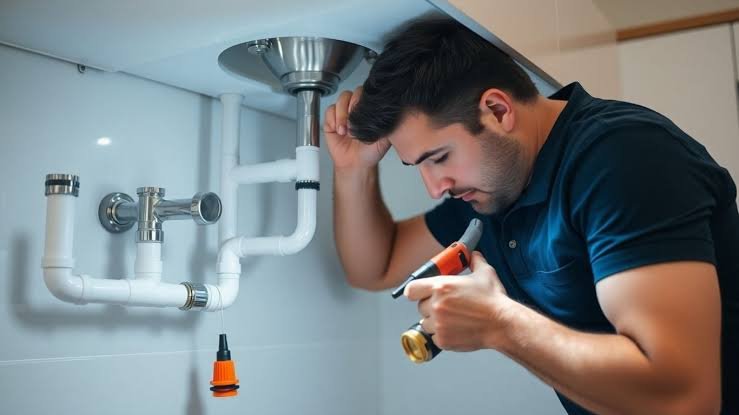
A properly functioning plumbing system is essential to the comfort, cleanliness, and daily operation of every residential and commercial property. From delivering fresh water to removing wastewater safely, plumbing components perform important tasks that often go unnoticed until something goes wrong. Pipes, faucets, toilets, water heaters, drains, sewer connections, and other fixtures must work together efficiently to support everyday activities. Even a minor leak or drainage restriction can create inconvenience, waste water, and gradually damage surrounding building materials if it is not addressed promptly. Hiring an experienced plumber helps property owners identify plumbing concerns, select suitable repair methods, and maintain dependable systems. Professional attention is valuable not only when an emergency occurs but also when planning improvements, replacing outdated equipment, or preventing recurring problems that could become more expensive over time.
Understanding the Value of a Healthy Plumbing System
A reliable plumbing system contributes directly to a property’s functionality because nearly every occupied building depends on consistent water supply and effective drainage. Kitchens require properly connected sinks and faucets, bathrooms depend on functioning toilets and showers, and laundry areas need dependable water lines and drainage connections. When any of these components develops a problem, ordinary routines can quickly become difficult. A professional plumber understands how individual fixtures connect to the larger plumbing network and can evaluate whether a problem is isolated or connected to another part of the system. This broader understanding is important because symptoms do not always reveal the actual source of a plumbing failure. For example, low water pressure may result from a clogged fixture, a partially closed valve, pipe corrosion, or a more extensive supply-line issue. Proper diagnosis helps ensure that repairs address the real cause instead of providing only temporary relief.Preventive maintenance is one of the most practical ways to protect plumbing equipment and reduce the possibility of unexpected breakdowns. Pipes and fittings experience constant use, and their condition can gradually change because of pressure fluctuations, mineral deposits, temperature variations, and ordinary material deterioration. A plumber can inspect accessible connections, examine visible pipe sections, check fixtures for leaks, and evaluate drainage performance during a maintenance visit. These inspections may reveal loose fittings, worn seals, corrosion, slow drains, or other early warning signs that property owners might overlook. Addressing small concerns before they develop into larger failures can help limit water waste and prevent damage to floors, cabinets, walls, and other building materials. Regular maintenance also gives property owners a better understanding of their plumbing system’s condition, making it easier to plan repairs and replacements according to actual needs.
Leak Detection and Dependable Pipe Repairs
Water leaks are among the most common plumbing concerns, but their seriousness depends on their location, size, and duration. A dripping faucet may appear harmless, yet continuous dripping can waste a considerable amount of water over time and may indicate worn internal components. A leaking pipe beneath a sink or behind a wall can be more difficult to detect because moisture may spread into concealed spaces before becoming visible. Signs such as damp cabinets, discolored ceilings, bubbling paint, warped flooring, musty odors, and unexplained increases in water usage should be investigated rather than ignored. A skilled plumber can inspect the affected area, identify the likely source, and determine whether the problem involves a damaged pipe, loose connection, worn valve, or faulty fixture. Accurate leak detection helps prevent unnecessary repairs and reduces the possibility of moisture-related structural damage.The correct repair method depends on the material, condition, and location of the damaged plumbing component. A small leak at a threaded connection may require tightening or replacing a fitting, while a deteriorated section of pipe may need to be removed and replaced. Older plumbing systems sometimes develop recurring leaks because several sections have reached the end of their useful service life. In these situations, repairing one visible failure without evaluating the surrounding pipework may lead to additional problems later. A professional plumber can assess the condition of nearby connections and explain whether a localized repair, partial pipe replacement, or larger repiping project is more appropriate. Using compatible materials and secure installation techniques is important because poorly matched fittings or rushed repairs can create new leaks and reduce the reliability of the system.
Restoring Proper Drainage and Eliminating Blockages
Drainage systems carry wastewater away from sinks, showers, bathtubs, toilets, and other plumbing fixtures, so obstructions can quickly affect everyday comfort and sanitation. Kitchen drains frequently collect cooking grease, food particles, soap residue, and other materials that gradually restrict water movement. Bathroom drains may become clogged by hair, shampoo residue, personal-care products, and mineral deposits. Although a minor obstruction may initially cause only slow drainage, continued accumulation can eventually produce standing water, unpleasant smells, and repeated backups. A plumber can determine where the blockage is located and choose an appropriate cleaning method based on the pipe configuration and severity of the obstruction. Professional drain cleaning helps remove accumulated material while reducing the risk of damage that may occur when unsuitable tools or aggressive chemical products are used repeatedly.Recurring drainage problems deserve additional attention because they may indicate a deeper issue within the plumbing network. If several fixtures drain slowly at the same time, the problem could involve a shared branch line or the main sewer connection rather than individual sink or shower drains. Gurgling sounds, wastewater returning through lower fixtures, and persistent sewer odors can also indicate restrictions that require a more detailed inspection. A professional plumber may use specialized drain-cleaning equipment or a sewer camera to understand the condition of the line before recommending further work. Camera inspections are particularly useful because they allow technicians to view internal pipe conditions and identify accumulated debris, cracks, root intrusion, or other obstructions. This information supports more accurate decisions and can prevent repeated attempts to clear the same problem without resolving its underlying cause.
Sewer Line Inspection, Repair, and Replacement
Sewer lines play a critical role in protecting property hygiene because they transport wastewater away from occupied spaces and connect the building to the appropriate disposal system. Over time, sewer pipes can develop cracks, joint separation, corrosion, root intrusion, or blockages caused by accumulated waste and other debris. These issues may lead to repeated backups, unpleasant odors, slow drainage throughout the property, or wastewater collecting in areas where it should never appear. A plumber can investigate these warning signs and determine whether the problem is located inside the building’s drainage network or farther along the sewer line. Identifying the precise location and nature of the damage is important because different problems require different repair strategies. A localized blockage may be resolved through professional cleaning, while a damaged or collapsed pipe may require more extensive rehabilitation or replacement.Modern inspection and repair methods can make sewer work more precise and help property owners understand their options before committing to a project. Camera inspection equipment allows technicians to examine the interior of a pipe and locate defects without immediately excavating the surrounding area. Depending on the pipe’s condition, trenchless rehabilitation may also be an option. Certain lining methods create a new interior surface within an existing pipe, potentially reducing the amount of digging required. However, trenchless solutions are not appropriate for every situation, particularly when a pipe has collapsed or its alignment has been severely compromised. An experienced plumber can explain whether cleaning, localized excavation, pipe replacement, or rehabilitation is the most practical approach. Understanding the expected scope, material requirements, and long-term considerations helps property owners make informed decisions about important sewer repairs.
Water Heater Performance and Hot Water Reliability
Hot water is necessary for bathing, washing dishes, cleaning, laundry, and many other everyday activities, making the water heater an important part of the plumbing system. When a unit begins to malfunction, property owners may notice inconsistent temperatures, insufficient hot water, unusual noises, slow heating, or visible moisture around the equipment. These symptoms can result from sediment accumulation, worn heating elements, thermostat problems, faulty valves, or deteriorating connections. A plumber can inspect the unit, evaluate its components, and determine whether a repair is likely to restore reliable performance. Ignoring water heater problems may lead to increased energy consumption, more frequent interruptions, or damage to surrounding areas if a leak develops. Professional servicing also provides an opportunity to review the unit’s condition and identify maintenance needs before a complete failure occurs.When replacement becomes necessary, selecting the correct water heater involves more than choosing a model based on appearance or initial price. Traditional storage-tank systems keep a supply of hot water ready for use, while tankless models heat water as it flows through the equipment. Heat pump water heaters use heat from the surrounding air and may provide an energy-efficient option in suitable conditions. Each type has different installation requirements, operating characteristics, maintenance needs, and purchase costs. A plumber can evaluate household or business hot-water demand, available installation space, existing utility connections, and the condition of the current plumbing before recommending suitable equipment. Correct sizing and installation are essential because an undersized unit may struggle to meet demand, while an unsuitable installation can affect performance and safety. Regular maintenance and manufacturer-recommended inspections can help support dependable operation.
Fixture Installation and Modern Plumbing Upgrades
Faucets, sinks, toilets, showers, bathtubs, and garbage disposals influence both the appearance and functionality of kitchens and bathrooms. A damaged faucet can create persistent dripping, while a faulty toilet mechanism may waste water continuously even when the fixture appears to be working normally. Loose connections beneath a sink can allow moisture to collect inside cabinets, and improperly sealed shower fixtures may permit water to reach surrounding surfaces. A plumber can repair existing fixtures or install replacement products while ensuring that supply lines, drainage connections, seals, and fittings are properly secured. Professional installation is particularly useful when upgrading older bathrooms or kitchens because new fixtures must be compatible with the existing plumbing layout. Correct measurements and careful connection work help reduce leaks, improve usability, and support long-term reliability.Plumbing improvements can also help property owners conserve water and make everyday tasks more convenient. Modern toilets, faucets, and showerheads are available in designs that reduce water consumption while maintaining practical performance. Other upgrades may include water filtration equipment, pressure-regulating valves, smart leak detection devices, improved shutoff valves, and more efficient water heaters. However, the benefits of an upgrade depend on choosing equipment that suits the building’s existing plumbing system. A plumber can review the property’s pipe materials, water pressure, fixture connections, and intended usage before recommending suitable products. For example, a filtration system may require specific connections and maintenance, while a new fixture may need adjustments to existing supply lines or drainage. Careful planning helps ensure that improvements provide genuine functional value instead of introducing compatibility problems.
Repiping and Improving Aging Plumbing Systems
Older plumbing systems can become less dependable as pipes, fittings, and valves experience years of regular use. Corrosion, mineral buildup, repeated leaks, discolored water, and inconsistent pressure may indicate that the existing pipe network needs closer evaluation. Although some problems can be resolved through localized repairs, widespread deterioration may make repeated patching an inefficient long-term approach. A plumber can inspect accessible piping, identify the materials currently installed, and determine whether the property would benefit from partial or complete repiping. Replacing aging pipes with suitable modern materials can reduce the likelihood of recurring leaks and improve the reliability of water distribution. The process should be planned carefully because pipe routing, fixture locations, wall access, and building requirements all influence the scope of work.A repiping project also provides an opportunity to evaluate shutoff valves, pressure regulation, fixture connections, and other components that affect overall system performance. Property owners should understand which areas will require access, how water service may be interrupted, and what restoration work may be needed after installation. An experienced plumber can explain the expected sequence of work and identify practical ways to minimize disruption. Choosing compatible piping materials is essential because different products have specific installation methods, temperature limits, and connection requirements. Once the work is completed, the system should be checked for leaks and tested to confirm that water reaches the connected fixtures properly. A carefully planned repiping project can provide greater confidence in the condition of the plumbing network and reduce the inconvenience associated with repeated pipe failures.
Emergency Plumbing and Fast Problem Resolution
Some plumbing problems require immediate attention because water can damage property rapidly when it escapes from a pressurized pipe or overflowing fixture. Burst pipes, major leaks, sewer backups, severely blocked drains, and sudden water heater failures can interrupt normal activities and create safety concerns. During a serious leak, property owners should locate and close the appropriate shutoff valve if it is safe to do so. If water is near electrical outlets, appliances, or exposed wiring, avoiding the affected area and prioritizing safety is essential. Once immediate risks are controlled, a plumber can inspect the system, identify the failure, and recommend the necessary repair. Prompt professional attention helps limit further water damage and reduces the chance that a temporary measure will be mistaken for a complete solution.Not all urgent plumbing concerns involve visible flooding or a completely broken pipe. A sudden change in water pressure, repeated toilet overflow, persistent sewer smell, unexplained dampness, or multiple slow drains may indicate a developing issue that deserves timely investigation. These warning signs should not be dismissed simply because the plumbing system is still partly usable. A plumber can evaluate the symptoms, determine whether the problem is isolated or system-wide, and explain which repairs should be prioritized. Having access to professional service is particularly helpful when a problem occurs outside ordinary working hours or affects essential facilities. Clear communication about the condition of the system, available repair options, and expected work helps property owners respond calmly and make decisions based on accurate information.
Residential and Commercial Plumbing Services
Residential plumbing systems must support the different needs of a household, from food preparation and personal hygiene to laundry and general cleaning. A property may contain numerous fixtures, supply lines, drainage connections, water heaters, and outdoor plumbing components, all of which require proper installation and maintenance. A plumber can help homeowners address leaking pipes, clogged drains, faulty toilets, water heater concerns, fixture upgrades, and other common issues. Service should be based on the property’s layout and the needs of the people using the system. When repairs are explained clearly, homeowners can better understand the condition of their plumbing and make practical choices about maintenance or replacement. Regular attention can also help prevent small problems from developing into disruptive failures that affect several rooms or fixtures.Commercial plumbing systems often experience heavier use because they serve employees, customers, tenants, visitors, and specialized business equipment. Restaurants may depend on kitchen sinks, grease management, and high-demand hot-water systems, while offices and retail facilities require reliable restrooms and drainage. A plumbing failure can interrupt business operations, affect customer experience, and create sanitation concerns. A plumber working on commercial systems must consider building usage, pipe capacity, fixture demand, access requirements, and the need to minimize operational downtime. Preventive inspections can help identify developing leaks, worn valves, drainage restrictions, and equipment concerns before they interfere with daily operations. Planned maintenance and timely repairs support more dependable facilities and help businesses avoid unnecessary interruptions.
Selecting the Right Plumbing Professional
Choosing a plumbing service provider is an important decision because installation and repair quality can influence the performance of the system for many years. Property owners should consider relevant experience, licensing where required, insurance, communication, and the clarity of written estimates. A reliable plumber should investigate the problem carefully, explain the findings, and describe why a particular repair or replacement is recommended. Customers should also be able to ask about materials, expected timelines, maintenance requirements, and possible alternatives before work begins. Transparent communication helps prevent misunderstandings and gives property owners a clearer picture of the service being provided. Quality workmanship should include suitable materials, secure connections, appropriate testing, and attention to the condition of surrounding plumbing components.Long-term value should be considered alongside the immediate cost of a repair. Choosing the cheapest available solution may not be beneficial if it relies on unsuitable materials, incomplete diagnosis, or temporary fixes that allow the same problem to return. A plumber who takes time to understand the system can help property owners compare repair and replacement options according to durability, practicality, and future maintenance needs. Bayshore Plumbers offers plumbing-related services that customers can explore when evaluating support for repairs, installations, drain concerns, and other plumbing requirements. Before scheduling work, property owners should discuss the specific issue, request information about the recommended service, and confirm the scope of the proposed project. Taking these steps encourages informed decisions and helps establish a professional working relationship.
Conclusion
A dependable plumbing system is essential for protecting property, supporting sanitation, and maintaining comfort throughout everyday life. Leaking pipes, clogged drains, damaged sewer lines, malfunctioning water heaters, and outdated fixtures can all affect the performance of a building when they are not addressed appropriately. Regular inspections, timely repairs, and carefully planned upgrades help reduce avoidable disruption while improving the long-term reliability of important plumbing components. Working with an experienced plumber allows property owners to receive accurate assessments, practical recommendations, and professional attention for both routine maintenance and more complicated plumbing concerns. Whether the project involves repairing a small leak, improving drainage, replacing aging pipes, or installing modern fixtures, quality plumbing care helps keep residential and commercial properties operating efficiently and reliably.