Professional Sprinkler System Installation Services for Healthy Lawns and Efficient Residential Landscape Irrigation

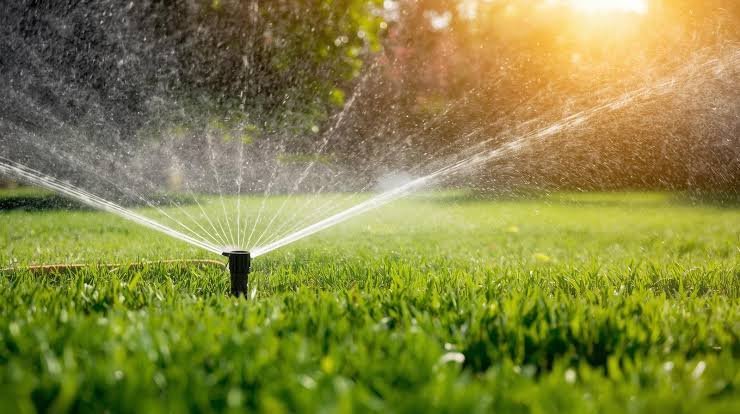
A healthy and attractive landscape requires consistent watering, proper soil care, and an irrigation system that delivers the right amount of moisture to plants and grass. Whether maintaining a residential lawn, commercial property, garden, or large outdoor space, providing sufficient water is essential for supporting healthy root development and maintaining vibrant greenery. However, manually watering an entire landscape can become time-consuming, inconsistent, and difficult to manage, particularly when outdoor areas contain different types of plants and varying irrigation requirements. A properly designed sprinkler system offers a convenient solution by distributing water across designated areas according to an organized schedule. Professional sprinkler installation helps property owners create an efficient irrigation setup that supports plant health, reduces unnecessary water waste, and simplifies regular landscape maintenance.
Installing a sprinkler system involves more than placing sprinkler heads throughout a lawn and connecting them to a water supply. A successful project requires careful planning, accurate measurements, appropriate equipment selection, and an understanding of water pressure, flow rates, soil conditions, and landscape design. Different plants require different amounts of water, while lawns, flower beds, shrubs, and trees may need separate irrigation arrangements. A poorly designed system can result in uneven coverage, excessive watering, dry patches, and unnecessary operating expenses. Understanding the installation process and the importance of professional planning helps property owners make informed decisions and achieve better long-term results.
Understanding the Importance of a Proper Sprinkler System
A sprinkler system plays an important role in maintaining healthy outdoor spaces by delivering water to landscaped areas in a controlled and organized manner. Without an efficient irrigation arrangement, property owners may struggle to maintain consistent moisture levels, especially across larger lawns and gardens. Manual watering can lead to uneven distribution because some areas may receive too much water while others remain dry. A properly designed sprinkler system helps overcome this problem by providing predictable coverage across designated sections.
Consistent watering supports healthy grass, flowers, shrubs, and other vegetation. Plants require moisture to absorb nutrients, maintain normal biological functions, and develop strong root systems. When water distribution is irregular, plants may experience stress, become discolored, or grow unevenly. An appropriately designed irrigation system helps deliver water according to the needs of different landscape areas.
Another important benefit is convenience. Instead of manually moving hoses and sprinklers around the property, homeowners can use an automated controller to manage watering schedules. Modern systems can operate at selected times and allow different irrigation zones to receive water according to their specific requirements. This makes everyday landscape care more manageable while reducing the time and effort required to maintain an attractive outdoor environment.
Planning Your Sprinkler Installation Project
Proper planning is the foundation of a successful irrigation project. Before purchasing equipment or digging trenches, property owners should evaluate the landscape and identify the areas that require regular watering. This includes measuring lawn dimensions, locating garden beds, identifying trees and shrubs, and examining the placement of walkways, driveways, patios, and other permanent structures.
A detailed property layout helps determine where sprinkler heads should be installed and how different areas should be divided into irrigation zones. The system should provide sufficient coverage without unnecessarily spraying buildings, outdoor furniture, paved surfaces, or neighboring properties. Particular attention should be given to narrow lawn sections, curved garden beds, and areas with unusual shapes because these spaces may require specialized sprinkler heads or different installation arrangements.
Water supply conditions must also be evaluated during the planning stage. Available water pressure and flow rate influence the number of sprinkler heads that can operate effectively within each zone. If too many heads operate simultaneously, the system may experience insufficient pressure, resulting in weak spray patterns and uneven coverage. Professional irrigation planning takes these factors into account to create a balanced system that performs reliably.
Choosing the Right Type of Sprinkler System
Selecting the appropriate sprinkler system depends on the size of the property, landscape layout, plant requirements, soil characteristics, and available water supply. Different irrigation systems are designed for different applications, and selecting the correct type helps improve watering efficiency while reducing unnecessary water consumption.
In-ground sprinkler systems are commonly used for residential and commercial lawns because their pipes and sprinkler heads are installed below the ground surface. The heads rise when irrigation begins and retract after watering is completed, creating a neat appearance when the system is not operating. These systems are suitable for properties that require regular irrigation across larger grass areas.
Rotary sprinkler systems distribute water through rotating spray patterns and are often used for medium-sized and large lawn sections. Their rotating action allows them to cover relatively wide areas, making them useful where consistent water distribution is required. Fixed spray heads are another option and are generally suitable for smaller lawn sections and areas that require shorter watering distances.
Drip irrigation systems are particularly useful for flower beds, shrubs, vegetable gardens, and certain landscaped areas. Rather than spraying water over a broad surface, drip systems deliver moisture closer to plant roots through specialized tubing and emitters. Although they are not traditional lawn sprinklers, they can complement an in-ground sprinkler system by providing more targeted irrigation where appropriate.
Understanding Sprinkler Heads and Their Functions
Sprinkler heads are among the most important components of an irrigation system because they determine how water is distributed across the landscape. Different heads produce different spray patterns, coverage distances, and water application rates. Selecting the right type is essential for achieving consistent watering without creating excessive overlap or leaving dry areas.
Fixed spray heads generally distribute water across a stationary pattern and are commonly used for smaller landscaped areas. They are available in different spray angles and distances, allowing installers to match the coverage to the shape of the lawn. Rotary heads use moving streams of water to cover wider areas and are often selected for larger grass sections.
Pop-up sprinkler heads are designed to remain below the ground surface when the system is inactive. When irrigation begins, water pressure causes the heads to rise and distribute water across the designated area. Once watering stops, they retract, allowing normal lawn activities such as mowing and walking to continue without unnecessary obstruction.
The correct nozzle selection is equally important. Nozzles influence the amount of water delivered and the shape of the spray pattern. Using unsuitable nozzles can create uneven irrigation, particularly when different types of sprinkler heads operate within the same zone. Professional installers evaluate coverage requirements and equipment specifications before selecting suitable components.
Evaluating Water Pressure and Flow Rate
Water pressure and flow rate are essential considerations when designing an effective irrigation system. Pressure determines how strongly water moves through pipes and sprinkler heads, while flow rate measures the amount of water available over a specific period. Both factors influence the performance and coverage of the entire system.
If water pressure is too low, sprinkler heads may fail to reach their intended coverage distances. The resulting spray pattern may become inconsistent, leaving certain parts of the lawn dry. Excessively high pressure can also create problems, including misting, overspray, increased water consumption, and unnecessary stress on irrigation components.
Flow rate determines how many sprinkler heads can operate simultaneously within a watering zone. Each sprinkler head requires a specific amount of water to perform correctly. If the combined demand exceeds the available supply, the system may not provide sufficient water to all operating heads. Dividing the landscape into separate irrigation zones helps manage this limitation and maintain more consistent performance.
Professional installers can evaluate available pressure and flow conditions before designing the system. This assessment helps determine suitable pipe sizes, sprinkler head combinations, zone arrangements, and pressure regulation requirements. Accurate calculations during the planning stage reduce the likelihood of performance problems after installation.
Designing Irrigation Zones for Better Water Distribution
An irrigation zone is a designated section of the landscape that receives water through a specific group of sprinkler heads or irrigation components. Dividing a property into multiple zones allows the system to operate within available water supply limits while providing different watering schedules for different landscape areas.
For example, a large lawn may require several zones because operating every sprinkler head simultaneously could reduce available water pressure. Separate zones can also be created for front lawns, backyards, narrow side areas, flower beds, and landscaped sections containing shrubs or trees.
Each zone should contain sprinkler heads with compatible water requirements and coverage characteristics. Mixing different types of heads with significantly different application rates can create uneven watering because some areas may receive more moisture than others during the same operating period. Grouping similar sprinkler heads together helps maintain more consistent irrigation.
Landscape conditions should also influence zone design. Sunny areas may dry more quickly than shaded sections, while sloped surfaces may require shorter watering cycles to reduce runoff. Soil type is another important factor because sandy soil generally drains faster than clay-rich soil. A carefully planned zoning arrangement makes it easier to adjust watering according to these differences and maintain healthier outdoor spaces.
The Sprinkler Installation Process
The installation process begins with preparing a detailed layout that identifies pipe routes, sprinkler head locations, valve positions, and controller placement. Once the design has been finalized, the installation team prepares the required equipment and materials, including irrigation pipes, fittings, valves, sprinkler heads, connectors, and control components.
The next stage involves marking the designated trench routes. Underground pipes must be installed at appropriate depths according to local requirements, soil conditions, and the manufacturer’s specifications. Before excavation begins, underground utility lines should be identified to prevent accidental damage to electrical cables, gas lines, communication systems, or existing water pipes.
After the trenches are prepared, irrigation pipes are positioned and connected according to the approved design. Control valves are installed to manage water flow to individual zones, while sprinkler heads are positioned to provide the intended coverage. The system is then connected to a suitable water supply using appropriate backflow protection where required by local plumbing regulations.
Once the main components have been installed, the system is tested to identify leaks, pressure problems, blocked lines, or incorrect sprinkler head positioning. Adjustments are made to improve spray patterns and ensure that each designated area receives appropriate coverage. Finally, trenches are backfilled carefully, damaged lawn sections are restored where necessary, and the irrigation controller is programmed according to the landscape’s watering requirements.
Installing an Automatic Sprinkler Controller
An automatic sprinkler controller makes irrigation more convenient by allowing property owners to schedule watering without manually operating the system. It communicates with control valves and activates individual irrigation zones according to programmed settings. Modern controllers offer different features that can help simplify landscape maintenance and improve watering efficiency.
Basic controllers allow users to select watering days, start times, and irrigation durations. More advanced models may include multiple programs, seasonal adjustments, rain sensors, and smart connectivity. These features make it possible to adjust irrigation schedules according to changing weather conditions and landscape requirements.
Smart irrigation controllers offer additional convenience through mobile applications and internet connectivity. Some models can use weather information, soil moisture sensors, or other environmental data to adjust watering schedules automatically. This helps reduce unnecessary irrigation during periods when rainfall or existing soil moisture makes additional watering unnecessary.
Controller placement should be considered carefully during installation. It should be accessible for programming and protected from unsuitable environmental exposure according to the manufacturer’s instructions. Proper programming is equally important because excessive watering can contribute to runoff, soil erosion, and unnecessary water expenses. A well-configured controller helps ensure that the system operates according to the actual needs of the landscape.
Preparing Your Landscape for Sprinkler Installation
Preparing the property before installation can make the project more efficient and reduce unnecessary disruption. The landscape should be inspected for underground obstacles, existing irrigation equipment, utility connections, drainage features, and areas where excavation may be difficult. Existing plants, trees, and established lawn sections should also be considered when planning pipe routes.
Before digging, underground utility services should be located through the appropriate local utility notification process. This precaution is essential because underground cables, water lines, gas pipes, and other services may not be visible from the surface. Damaging these installations can create serious safety concerns and expensive repairs.
Property owners should also discuss the expected installation process with the contractor, including access requirements, excavation areas, material selection, and restoration work. If the property contains mature trees or delicate landscaping, installation routes should be planned to minimize disturbance to existing roots and vegetation.
Good preparation helps reduce delays and allows the installation team to work more efficiently. It also makes it easier to protect valuable landscape features and restore the property after underground irrigation components have been installed.
Common Sprinkler Installation Mistakes to Avoid
Even a high-quality irrigation system can perform poorly when basic design and installation principles are overlooked. One common mistake is installing sprinkler heads without considering their coverage patterns. If heads are spaced too far apart, dry patches may develop between spray areas. Insufficient overlap can also create inconsistent watering, particularly when wind affects the spray pattern.
Another frequent problem is using incompatible sprinkler heads within the same irrigation zone. Different head types may distribute water at different rates, resulting in uneven moisture levels across the landscape. Proper system design should group components according to their water requirements and operating characteristics.
Incorrect pipe sizing can also affect system performance. Pipes that are too small may restrict water flow, while poorly installed connections can create leaks and pressure losses. Similarly, failing to install appropriate backflow prevention equipment can create contamination risks for the water supply.
Poor controller programming is another issue that can increase water consumption. Watering too frequently or operating the system for excessive periods may create saturated soil, runoff, and unhealthy plant conditions. Avoiding these mistakes requires accurate planning, suitable equipment, and careful installation practices.
Maintaining Your Sprinkler System for Long-Term Performance
Regular maintenance helps keep an irrigation system functioning properly and reduces the likelihood of unexpected problems. Sprinkler heads can become clogged by dirt, grass clippings, mineral deposits, and other debris, affecting their spray patterns and coverage. Periodic inspections help identify these problems before they cause noticeable damage to the landscape.
Property owners should check whether all sprinkler heads are rising correctly, distributing water evenly, and retracting properly after operation. Damaged heads, leaking connections, and blocked nozzles should be addressed promptly. It is also useful to inspect visible valves and pipe connections for signs of moisture or unusual water accumulation.
The irrigation controller should be reviewed periodically to ensure that watering schedules remain suitable for current weather conditions and plant requirements. Seasonal adjustments may be necessary as temperatures, rainfall, and daylight conditions change. Rain sensors and soil moisture sensors should also be checked according to manufacturer recommendations.
Professional inspections can provide additional support by identifying underground leaks, valve problems, pressure irregularities, and other issues that may not be immediately visible. A consistent maintenance routine helps protect the investment and keeps the landscape receiving appropriate amounts of water.
Improving Water Efficiency With Smart Irrigation Practices
Water conservation is an important consideration for any landscaping project. An efficient irrigation system should deliver water where it is needed while minimizing unnecessary runoff, evaporation, and overspray. Proper sprinkler placement, suitable operating schedules, and appropriate equipment selection all contribute to more responsible water use.
Watering during cooler periods, such as early morning, can help reduce evaporation and allow moisture to reach the soil effectively. However, schedules should also reflect local weather conditions, plant requirements, and any applicable water-use restrictions. Watering for excessively long periods may create runoff, particularly on sloped surfaces or soils with limited infiltration capacity.
Drip irrigation can be incorporated into landscaped areas containing shrubs, flowers, and other plants that benefit from targeted watering. Soil moisture sensors may also help prevent unnecessary irrigation by providing information about existing moisture levels. Smart controllers can further improve efficiency by adjusting watering schedules according to available weather data.
Regularly checking sprinkler coverage is another useful practice. Heads should be adjusted to prevent water from spraying onto sidewalks, driveways, buildings, and other areas that do not require irrigation. Combining suitable equipment with thoughtful scheduling helps maintain healthier landscapes while reducing unnecessary water consumption.
Choosing the Right Sprinkler Installation Professionals
Selecting an experienced irrigation contractor is an important step toward achieving a reliable and efficient sprinkler system. Professional installers understand how to evaluate water pressure, calculate flow requirements, plan irrigation zones, and select suitable equipment for different landscape conditions. Their experience can help prevent common installation mistakes and reduce the likelihood of future performance problems.
Before hiring a contractor, property owners should review previous projects, ask about relevant experience, and request a detailed written estimate. The estimate should explain the proposed system design, materials, labor requirements, equipment specifications, and any additional services included in the project. It is also important to discuss warranties and the availability of future maintenance or repair services.
A reliable contractor should be willing to explain why certain sprinkler heads, pipe sizes, valves, and controller features are recommended. They should also consider existing landscape features and take appropriate precautions when working around underground utilities. Clear communication helps property owners understand the project and make informed decisions about their irrigation investment.
Professional installation can be particularly valuable for larger properties and landscapes with complex layouts. Properly designed systems are easier to maintain, provide more consistent coverage, and can support efficient water management over the long term.
Conclusion
A properly designed sprinkler system is a valuable investment for maintaining healthy lawns, attractive gardens, and well-organized outdoor spaces. By delivering water through carefully positioned sprinkler heads and controlled irrigation zones, it simplifies landscape maintenance while supporting consistent plant growth. However, achieving reliable performance requires more than installing pipes and sprinkler heads. Accurate measurements, suitable equipment selection, pressure evaluation, proper zoning, and careful controller programming are all essential parts of a successful project.
Professional sprinkler installation helps property owners avoid common irrigation problems while creating a system that matches the specific needs of their landscape. Regular maintenance, timely repairs, and responsible watering schedules further contribute to long-term efficiency and dependable operation. Property owners should also consider soil conditions, plant requirements, weather patterns, and water conservation when planning their irrigation arrangements.
Ultimately, a well-installed sprinkler system can reduce the effort required to maintain an attractive landscape while helping plants receive consistent and appropriate moisture. With proper planning, quality materials, and professional workmanship, homeowners and commercial property owners can enjoy healthier outdoor spaces and a more convenient approach to landscape care for years to come.