Understanding Modern Heating and Cooling
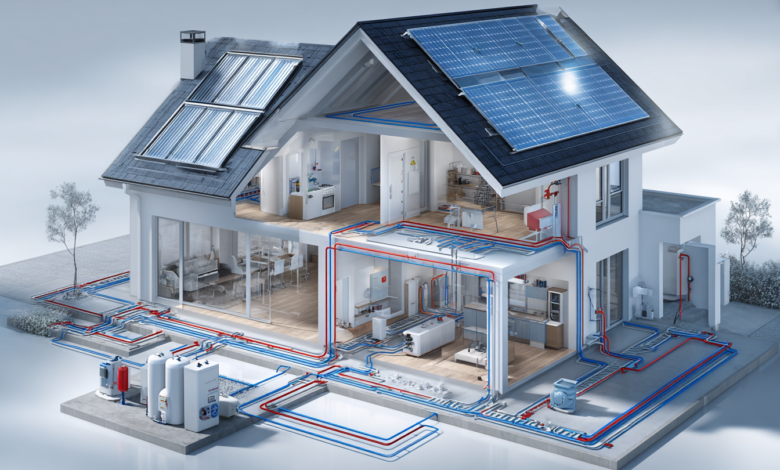
Maintaining a comfortable indoor environment is essential for creating a pleasant, healthy, and energy-efficient home. Heating and cooling systems help regulate indoor temperatures, maintain consistent airflow, and manage humidity levels throughout changing seasons. When these systems operate correctly, homeowners can enjoy a comfortable living environment without placing unnecessary strain on their equipment or increasing their energy expenses. A dependable hvac system combines heating, ventilation, and air conditioning functions to support indoor comfort while helping maintain suitable environmental conditions. However, achieving reliable performance requires more than purchasing quality equipment. Proper system sizing, professional installation, regular maintenance, and timely repairs all contribute to the overall effectiveness of a residential heating and cooling system. Understanding these essential factors allows homeowners to make better decisions about their equipment and develop a practical strategy for maintaining indoor comfort throughout the year.Modern heating and cooling equipment offers a wide range of features designed to improve temperature control, energy efficiency, and everyday convenience. Depending on the property’s requirements, homeowners may choose furnaces, heat pumps, central air conditioning systems, or ductless solutions. Each option has specific advantages, operating requirements, and maintenance considerations that should be evaluated before making a decision. Factors such as the home’s size, insulation quality, window placement, existing ductwork, and household comfort preferences can significantly influence equipment performance. Selecting a system based on these conditions helps prevent common problems, including uneven temperatures, excessive energy consumption, and frequent equipment cycling. By understanding how different components work together, homeowners can identify opportunities to improve their indoor environment and protect their investment over the long term.
Selecting the Right Equipment
Choosing suitable heating and cooling equipment is one of the most important steps in maintaining a comfortable home. A system that is too small may struggle to maintain the desired temperature during periods of extreme weather, forcing it to operate for extended periods while delivering unsatisfactory results. Conversely, an oversized system may reach the thermostat setting too quickly and shut down before completing an effective operating cycle. In cooling applications, this can contribute to inadequate humidity removal and uncomfortable indoor conditions. Professional contractors evaluate the property’s heating and cooling requirements before recommending equipment, considering factors such as square footage, ceiling height, insulation, air leakage, window efficiency, and the number of occupants. This assessment helps ensure that the selected system can provide suitable performance without unnecessary energy use or excessive mechanical strain.Equipment efficiency should also be considered when comparing different heating and cooling options. Higher-efficiency systems can deliver the required temperature control while using less energy under appropriate operating conditions, although actual savings depend on installation quality, climate, thermostat settings, and household usage. Homeowners should review the equipment’s efficiency ratings and compare the long-term operating costs rather than focusing exclusively on the initial purchase price. Other important considerations include expected service life, maintenance requirements, available warranties, noise levels, and compatibility with existing components. A qualified contractor can explain the differences between available models and help homeowners understand which features provide meaningful benefits for their particular property. Making an informed decision before purchasing equipment can reduce the likelihood of expensive modifications and support dependable operation for years to come.
The Importance of Professional Installation
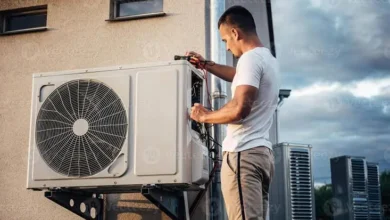
Professional installation plays a major role in determining how effectively heating and cooling equipment performs. Even a high-quality system may experience efficiency problems or repeated breakdowns if it is installed incorrectly. Installation involves several technical considerations, including electrical connections, equipment placement, airflow requirements, drainage arrangements, refrigerant lines where applicable, and compliance with manufacturer instructions. Contractors must also verify that the selected equipment matches the property’s requirements and that all connected components can operate together correctly. An installation that overlooks these details may cause uneven temperatures, unusual operating noises, poor airflow, or excessive energy consumption. Investing in qualified installation services helps homeowners reduce these risks while ensuring that their new equipment is configured for reliable performance.Ductwork is another essential part of a professionally installed heating and cooling system. Conditioned air must travel through an appropriate distribution network to reach different rooms, and damaged or poorly designed ducts can interfere with this process. Leaks may allow heated or cooled air to escape before it reaches the intended spaces, while restricted passages can reduce airflow and place additional demands on the equipment. These problems may cause certain rooms to remain uncomfortable even when the system appears to be operating normally. A professional technician can inspect the ductwork, identify visible damage, evaluate airflow concerns, and recommend suitable improvements. Addressing these issues during installation or system upgrades can help distribute conditioned air more consistently and improve the overall comfort of the home.
Maintaining Consistent Indoor Temperatures
Consistent indoor temperatures depend on several connected elements, including equipment condition, thermostat settings, insulation, ventilation, and airflow distribution. When one part of the system fails to perform correctly, the entire home may become less comfortable. For example, a bedroom located far from the main equipment may receive insufficient airflow, while a room with large windows may gain heat more quickly during sunny periods. Poor insulation can also allow outdoor temperatures to influence indoor conditions, forcing the equipment to work harder to maintain the desired setting. Homeowners should pay attention to recurring temperature differences and consider whether the problem may be related to airflow, building insulation, equipment performance, or thermostat placement. Identifying the underlying cause is more effective than repeatedly adjusting temperature settings without understanding why the home feels uncomfortable.Thermostat placement and operation can significantly affect heating and cooling performance. A thermostat installed near a heat-producing appliance, in direct sunlight, or close to a draft may detect temperatures that do not accurately represent the rest of the home. As a result, the system may stop operating too early or continue running longer than necessary. Programmable and smart thermostats can help homeowners manage temperature settings according to their daily routines, provided that the controls are compatible with the installed equipment. Setting practical temperatures for sleeping hours and periods when the property is unoccupied may also reduce unnecessary energy consumption. However, thermostat adjustments cannot correct every comfort problem, particularly when the underlying cause involves damaged ductwork, inadequate insulation, or mechanical faults. A complete assessment helps determine which changes are likely to produce meaningful improvements.
Why Routine Maintenance Matters
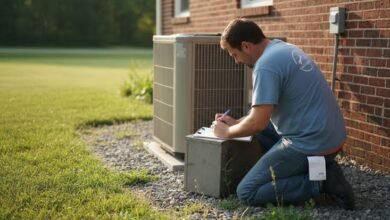
Regular maintenance helps protect heating and cooling equipment from avoidable wear while supporting dependable operation throughout the year. Dust, debris, normal component wear, and restricted airflow can gradually reduce system performance if they are not addressed. Filters may become clogged, condensate drains may develop blockages, electrical connections may require inspection, and moving components may need professional attention. When these conditions remain unresolved, equipment may consume more energy, struggle to maintain comfortable temperatures, or experience preventable mechanical problems. Routine service gives technicians an opportunity to identify developing concerns before they become more serious. Although preventive maintenance cannot eliminate every possible breakdown, it can help reduce avoidable operating issues and provide homeowners with a clearer understanding of their equipment’s condition.Homeowners can support maintenance by replacing accessible air filters according to the manufacturer’s recommendations, keeping supply and return vents unobstructed, and removing leaves or debris from around outdoor equipment when it is safe to do so. Filter replacement frequency varies according to the filter type, household conditions, equipment requirements, and the presence of pets or airborne dust. A filter that remains in place too long may restrict airflow, while an unsuitable replacement may also interfere with system performance. Professional maintenance can include inspecting relevant electrical components, checking drainage, evaluating airflow, testing system operation, and reviewing other procedures specified by the manufacturer. Keeping records of completed service and recurring problems can help technicians identify patterns and recommend appropriate next steps. This combination of routine homeowner care and qualified professional service supports more reliable equipment operation.
Recognizing Warning Signs Early
Heating and cooling systems often show signs of developing problems before they stop operating completely. Weak airflow, unusual noises, frequent cycling, inconsistent temperatures, unexpected increases in utility bills, and persistent odors may indicate that an inspection is needed. For example, a system that runs continuously without maintaining the thermostat setting may have restricted airflow, insufficient capacity, an equipment fault, or excessive heat transfer through the building envelope. A sudden increase in operating costs may also indicate that the equipment is working harder than usual because of dirty components or an underlying mechanical problem. These symptoms do not automatically mean that the entire system needs replacement, but they should not be ignored when they persist or become more severe.Different noises and operating changes may provide clues about the nature of a problem. Rattling sounds could indicate loose panels or components, while persistent grinding or unusual mechanical vibrations may require prompt professional evaluation. Water collecting near indoor equipment may point to a blocked condensate drain or another drainage issue, while cooling equipment that produces warm air may have an airflow, thermostat, or refrigerant-related problem. Homeowners should avoid opening sealed equipment compartments or attempting electrical and refrigerant repairs without the necessary qualifications. If a burning odor, exposed wiring, repeated breaker trips, or another immediate safety concern occurs, the equipment should be shut down when it is safe to do so, and a qualified professional should be contacted. Early diagnosis can help prevent further damage and reduce the disruption associated with unexpected equipment failure.
Improving Household Energy Efficiency
Energy efficiency depends on how well heating and cooling equipment operates and how effectively the building retains conditioned air. Air leaks around windows, exterior doors, attic openings, and other gaps can allow heated or cooled air to escape, increasing the workload placed on the system. Inadequate insulation can create similar problems by allowing outdoor temperatures to influence indoor conditions more quickly. Sealing appropriate gaps, improving insulation where needed, maintaining ductwork, and choosing suitable thermostat settings can help reduce unnecessary energy use. These improvements may also make temperatures more consistent between rooms and reduce the frequency with which the equipment needs to operate. Before investing in major equipment upgrades, homeowners should consider whether relatively simple improvements to the building envelope could address some of their comfort and efficiency concerns.Equipment maintenance is equally important because inefficient operation can increase energy consumption even when the system is relatively new. Dirty filters, blocked airflow pathways, neglected coils, and incorrect thermostat settings can prevent the equipment from performing as intended. Homeowners should also ensure that outdoor units have adequate clearance and that furniture, curtains, and other objects do not obstruct indoor vents. Smart thermostats may provide additional convenience by adjusting temperatures according to established schedules, while energy monitoring features can help homeowners recognize changes in usage. Nevertheless, the best efficiency strategy depends on the home’s design, the installed equipment, and the occupants’ habits. Combining practical building improvements with professional maintenance can provide a more balanced approach to reducing energy expenses without sacrificing reasonable indoor comfort.
Supporting Better Indoor Air Quality
Indoor air quality is an important consideration because household air can contain dust, pollen, pet dander, cooking particles, odors, and other airborne contaminants. Heating and cooling equipment can support indoor air management through appropriate filtration and ventilation, but standard systems do not automatically eliminate every pollutant. The effectiveness of filtration depends on selecting a compatible filter and replacing it according to the manufacturer’s guidance. A filter with unsuitable specifications may restrict airflow, while a neglected filter may become less effective at capturing particles. Homeowners should consider the specific needs of their household, including existing ventilation conditions, common indoor pollution sources, and any persistent concerns about dust or odors, before choosing additional air-cleaning equipment.Moisture management is another essential part of maintaining a comfortable indoor environment. Excess humidity can contribute to condensation, musty odors, and conditions that support mold growth, while excessively dry air may cause discomfort for some occupants. Air conditioning can remove some moisture from indoor air during operation, but its effectiveness depends on equipment sizing, operating conditions, and the property’s moisture sources. Persistent moisture problems should be investigated rather than addressed solely through temperature adjustments. Homeowners can support a healthier indoor environment by controlling leaks, using appropriate exhaust ventilation in moisture-producing areas, and addressing damp materials promptly. When mold growth or ongoing water intrusion is suspected, identifying and correcting the source of moisture is essential. Professional assessment can help determine whether ventilation improvements, repairs, or additional indoor air quality measures are appropriate.
Preparing Heating Systems for Colder Weather
Preparing heating equipment before colder weather arrives can help homeowners reduce the risk of unexpected performance problems. A seasonal inspection gives technicians an opportunity to evaluate system operation, examine relevant components, identify airflow restrictions, and check whether the thermostat responds correctly. Homeowners should also confirm that supply vents remain unobstructed and that return-air pathways are clear. If the heating system has shown unusual noises, inconsistent temperatures, or frequent cycling, those concerns should be discussed during the inspection rather than postponed until the equipment stops working. Taking these steps before temperatures fall can make it easier to arrange necessary service and reduce the inconvenience of losing heat during a period of increased demand.Different heating technologies require different service procedures, so maintenance should reflect the equipment installed in the property. Furnaces, boilers, and heat pumps have distinct operating requirements and safety considerations. Qualified technicians can follow the manufacturer’s instructions to inspect the appropriate components and verify that the system is operating correctly. Homeowners should also maintain smoke and carbon monoxide alarms according to the applicable recommendations and keep required equipment clearances unobstructed. If a gas odor is detected, occupants should leave the area and contact the appropriate emergency service from a safe location rather than attempting to locate or repair the leak themselves. A combination of seasonal maintenance and basic safety awareness helps protect household comfort while reducing avoidable risks during the heating season.
Keeping Cooling Systems Reliable
Cooling systems often operate for extended periods during hot weather, making proper maintenance particularly important. Before the cooling season begins, homeowners should check accessible filters, remove loose debris from around outdoor equipment, and make sure that indoor vents are not blocked. Outdoor condenser units need sufficient clearance to release heat effectively, while indoor components depend on appropriate airflow to maintain performance. When airflow is restricted or important components become dirty, the system may struggle to cool the home and may consume more energy than necessary. Professional seasonal service can help identify developing problems and verify that the equipment is operating according to its design requirements.If the cooling system begins producing warm air, leaking water, or making unfamiliar noises, a professional diagnosis can help determine the appropriate solution. Potential causes include thermostat problems, blocked drainage, restricted airflow, electrical faults, or refrigerant-related issues. Refrigerant systems require specialized knowledge and suitable equipment, so homeowners should not attempt to open sealed components or handle refrigerants themselves. Prompt repairs may prevent a relatively minor problem from creating further damage or leaving the household without reliable cooling. Homeowners should also pay attention to changes in indoor humidity and temperature consistency because these may reveal that the system is not performing as effectively as expected. Regular inspections, timely repairs, and appropriate daily operation can help maintain dependable cooling throughout the season.
Deciding Between Repair and Replacement
Determining whether to repair or replace existing equipment requires a careful evaluation of its age, condition, efficiency, service history, and current performance. A system with a relatively minor fault may be worth repairing when the remaining components are in good condition and the equipment continues to meet household needs. However, repeated breakdowns, increasingly expensive repairs, declining performance, and persistent comfort problems may indicate that replacement deserves consideration. Homeowners should compare the cost of the proposed repair with the potential long-term expenses associated with continued operation. The decision should also account for energy consumption, warranty coverage, expected maintenance requirements, and whether the existing system can reliably meet the property’s heating and cooling demands.A professional assessment can help clarify the available options and explain the likely advantages and limitations of each approach. Homeowners should request a detailed estimate that identifies the problem, the recommended repair, and any reasonable alternatives. If replacement is being considered, the contractor should evaluate equipment sizing and the condition of existing ductwork instead of simply recommending a unit based on the old system’s specifications. Changes to insulation, windows, room layouts, or household needs may mean that a different capacity or system design is now more suitable. Comparing several relevant factors rather than focusing exclusively on the purchase price helps homeowners make a practical decision that supports comfort, reliability, and long-term value.
Choosing a Reliable Service Provider
Choosing an experienced service provider is essential for maintaining heating and cooling equipment properly. Homeowners should look for contractors who understand the installed system, follow manufacturer recommendations, communicate clearly, and provide transparent estimates. Appropriate licensing, insurance, relevant qualifications, and experience with the equipment involved are also important considerations. Before approving a repair or installation, homeowners can ask about the diagnostic process, expected work, warranty conditions, available equipment options, and recommended maintenance schedule. These questions help establish clear expectations and make it easier to understand what the service includes. A professional contractor should explain the problem in understandable terms and distinguish between essential repairs and optional improvements.Reliable service also involves recommending solutions based on the property’s actual requirements rather than automatically suggesting expensive upgrades. A technician should evaluate the symptoms, inspect relevant components, and explain the reasoning behind the recommended work. Written estimates and documented service records can help homeowners compare options and keep track of previous repairs. Establishing an ongoing relationship with a qualified provider may also make future maintenance more straightforward because the service history and equipment specifications are easier to review. When homeowners understand their system and have access to dependable professional support, they can respond more confidently to developing problems and make informed decisions about equipment care.
Conclusion
Maintaining dependable heating and cooling requires a combination of appropriate equipment selection, professional installation, routine maintenance, energy-conscious operation, and timely repairs. Homeowners who pay attention to airflow, insulation, thermostat settings, and indoor air quality can often identify opportunities to improve comfort while reducing unnecessary equipment strain. Recognizing unusual noises, inconsistent temperatures, unexpected energy costs, and other warning signs also helps ensure that developing problems receive attention before they become more disruptive. A proactive approach allows homeowners to protect their investment while maintaining a comfortable indoor environment across changing seasons.Working with a qualified service provider helps ensure that maintenance and repair decisions reflect the property’s actual needs. Professional inspections can identify performance concerns, explain suitable solutions, and help homeowners understand whether existing equipment should be maintained, repaired, or replaced. Keeping service records, following manufacturer recommendations, and addressing problems promptly can further support long-term reliability. A well-maintained hvac system can contribute to efficient operation and consistent indoor comfort when its equipment is properly selected, installed, and cared for. By prioritizing preventive maintenance and informed decision-making, homeowners can create a more comfortable living space while supporting the dependable performance of their heating and cooling equipment.