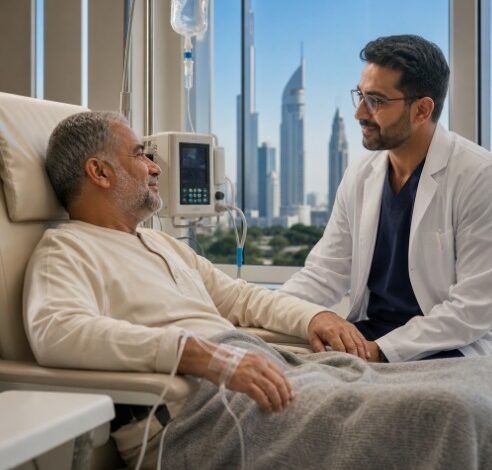
Cancer care in the United Arab Emirates has evolved significantly over the past decade, with patients now accessing treatment protocols that mirror those available in leading medical centres worldwide. The shift from traditional approaches to precision medicine represents a fundamental change in how oncologists design care plans, moving away from one-size-fits-all chemotherapy toward therapies tailored to individual tumour biology and patient genetics.
This transformation matters because cancer remains one of the leading health challenges in the region, affecting thousands of families each year. Understanding the full spectrum of available treatments helps patients and their families make informed decisions during what is often the most difficult period of their lives.
The Foundations of Contemporary Cancer Care
Modern oncology rests on three pillars: surgery, radiation therapy, and systemic treatments. Surgery remains the cornerstone for solid tumours when the cancer is localised and accessible. The goal is complete resection with clear margins, though the extent of surgery has changed. Surgeons now favour organ-sparing procedures when oncologically safe, preserving function without compromising survival rates.
Radiation therapy has become remarkably precise. Techniques such as intensity-modulated radiation therapy and stereotactic body radiotherapy deliver high doses to tumours while sparing surrounding healthy tissue. This precision reduces side effects and allows treatment of tumours previously considered too risky to irradiate, particularly those near critical structures like the spinal cord or optic nerves.
Systemic therapies include chemotherapy, hormonal treatments, and newer biological agents. Each category works through different mechanisms, and oncologists often combine them in sequences designed to attack cancer cells at multiple vulnerabilities. The sequencing matters as much as the drugs themselves, with some combinations producing synergistic effects that neither agent would achieve alone.
Targeted Therapy and Personalised Medicine
Targeted therapies represent a departure from traditional chemotherapy’s broad cellular assault. These drugs identify specific molecular abnormalities driving a particular cancer and block those pathways. For example, HER2-positive breast cancers overexpress a growth receptor; drugs like trastuzumab specifically block this receptor, starving the cancer of growth signals while leaving normal cells largely unaffected.
The efficacy of targeted therapy depends entirely on accurate molecular diagnosis. Tumour tissue undergoes genomic profiling to identify actionable mutations. Not every cancer harbours a targetable mutation, and even when one exists, the cancer may develop resistance over time by activating alternative pathways. This limitation means targeted therapy works best as part of a broader treatment strategy rather than as a standalone cure.
Chronic myeloid leukaemia offers the most dramatic success story. Before targeted therapy, this disease required bone marrow transplantation for potential cure. Now, oral tyrosine kinase inhibitors convert it into a manageable chronic condition for most patients, with normal life expectancy. This transformation demonstrates what becomes possible when a cancer’s molecular driver is identified and effectively blocked.
Harnessing the Immune System Against Cancer
The human immune system possesses the inherent capability to recognise and destroy abnormal cells, including cancer cells. However, tumours evolve mechanisms to evade immune surveillance, effectively hiding from the body’s defences. Breaking through this evasion has become one of oncology’s most promising frontiers.
Cleveland Clinic Abu Dhabi offers advanced immunotherapy treatments as part of its comprehensive cancer care programme, working with patients to determine whether their specific tumour type and biomarkers make them suitable candidates for immune-based approaches. These treatments include checkpoint inhibitors, which remove the molecular brakes that cancers use to suppress immune responses, and CAR T-cell therapy, where a patient’s own immune cells are engineered to recognise cancer-specific markers.
The response patterns differ from traditional treatments. Some patients experience rapid tumour shrinkage, while others show stable disease for extended periods. A small percentage develop durable responses lasting years after treatment ends, suggesting the immune system maintains long-term surveillance. However, not all patients respond, and predicting who will benefit remains an active area of research.
Side effects also differ from chemotherapy. Rather than hair loss and nausea, immune therapies can cause inflammatory conditions affecting the lungs, intestines, or endocrine glands. These immune-related adverse events require prompt recognition and management with immunosuppressive drugs, creating an apparent paradox where physicians must sometimes suppress the very immune response they worked to activate.
The Role of Multidisciplinary Care
Optimal cancer treatment requires coordination across multiple specialties. Tumour boards bring together medical oncologists, surgical oncologists, radiation oncologists, radiologists, pathologists, and other specialists to review complex cases. This collaborative approach ensures treatment plans incorporate each discipline’s perspective and expertise.
Supportive care services form an integral component of comprehensive cancer treatment, addressing the physical and psychological toll of both disease and therapy. Nutritionists help patients maintain adequate caloric intake during treatment, while physical therapists design exercise programmes to combat fatigue and preserve muscle mass. Mental health professionals provide counselling and pharmacological support for anxiety and depression, which affect roughly half of cancer patients at some point in their journey.
Pain management specialists employ multimodal approaches combining medications, nerve blocks, and interventional procedures. Uncontrolled pain undermines quality of life and can interfere with treatment tolerance, making effective pain control a clinical priority rather than a mere comfort measure. Similarly, knowing when to seek emergency versus urgent care helps patients navigate complications safely between scheduled appointments.
Navigating Treatment Decisions
Choosing between treatment options involves weighing potential benefits against side effects and impact on daily life. A treatment offering a modest survival advantage may not be worthwhile if it causes debilitating toxicity. These decisions are deeply personal and depend on individual values, family circumstances, and life goals.
Clinical trials provide access to experimental therapies before they become widely available. Participation contributes to medical knowledge while potentially offering additional treatment options when standard therapies have failed. However, trials include randomisation, placebo controls, and additional testing requirements. Patients should understand the specific trial design and what participation entails before enrolling.
Second opinions serve a valuable role, particularly for rare cancers or when treatment recommendations differ from patient expectations. Most oncologists welcome second opinions and readily provide medical records for outside review. The goal is not to find a physician who says what a patient wants to hear, but rather to ensure the recommended treatment aligns with current evidence and the patient’s specific situation.
Beyond Medical Treatment
Lifestyle factors influence both treatment tolerance and outcomes. Regular physical activity reduces fatigue and may improve survival in some cancers. Patients need not run marathons; even moderate walking several times weekly provides measurable benefits. Nutrition focuses on maintaining weight and muscle mass rather than pursuing restrictive diets lacking scientific support.
Sleep disturbances affect most cancer patients, stemming from disease-related symptoms, treatment side effects, anxiety, or medications. Addressing sleep improves energy levels and cognitive function. Non-pharmacological approaches like sleep hygiene and relaxation techniques should be tried first, with medication reserved for persistent insomnia that does not respond to behavioural interventions.
Social connections provide emotional support and practical assistance during treatment. Family and friends often want to help but may not know how. Specific requests work better than general offers: ask someone to drive you to appointments, prepare meals, or research questions about treatment options. Some patients find support groups helpful for connecting with others facing similar challenges, while others prefer to process their experience privately. Just as patients benefit from coordinated cancer care, those seeking dental treatment often appreciate understanding the step-by-step process involved in elective procedures, allowing them to approach treatment with realistic expectations.
Looking Forward
Cancer treatment continues advancing rapidly. Liquid biopsies detect circulating tumour DNA in blood samples, potentially identifying cancer recurrence months before conventional imaging. Artificial intelligence analyses medical images and pathology slides, assisting physicians with diagnosis and treatment planning. Vaccine-based immunotherapies are entering clinical trials, training the immune system to recognise cancer-specific mutations.
These advances build incrementally on existing knowledge rather than representing sudden breakthroughs. Progress occurs through thousands of clinical trials enrolling millions of patients worldwide, each contributing data that refines treatment protocols. The result is steady improvement in survival rates across most cancer types, transforming what was once uniformly fatal into a manageable or even curable condition for many patients.
Access to comprehensive cancer care in the UAE means patients no longer need to travel internationally for cutting-edge treatment. Multi-specialty hospitals now provide the full range of surgical, radiation, and systemic therapies, supported by molecular diagnostics and multidisciplinary care teams. This evolution in local healthcare infrastructure represents a significant development for patients and families facing cancer diagnosis in the region.