Essential Home Protection Through Professional Soffit and Fascia Replacement

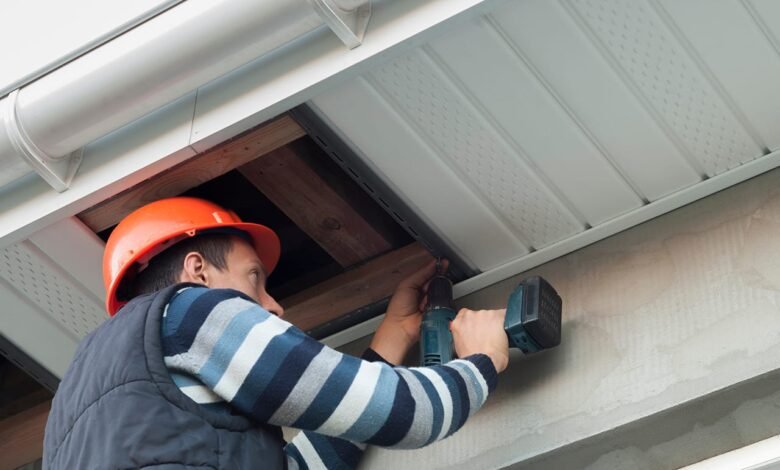
A home’s exterior is constantly exposed to changing weather conditions, moisture, wind, sunlight, and other environmental factors that can gradually affect its structural integrity. Although homeowners often focus on shingles, siding, and gutters when maintaining their properties, the components installed along the roofline are equally important for protecting the building. Soffits and fascia boards help cover exposed roof edges, support proper attic ventilation, provide secure mounting surfaces for gutters, and create a clean, finished appearance. When these components become damaged or deteriorated, they can allow moisture and pests to enter vulnerable areas, potentially leading to more expensive repairs. Understanding their purpose and recognizing the importance of timely maintenance can help property owners preserve the performance of their roofing systems. Professional soffit and fascia replacement offers an effective way to address deterioration, restore damaged roofline components, and maintain the overall durability and appearance of a home.
Understanding the Role of Soffits and Fascia
Soffits and fascia boards perform different functions, but they work together to protect the roof’s perimeter and support the building’s exterior. A soffit is the material installed beneath the roof overhang, covering the underside of the eaves and helping protect the exposed roof structure from weather and unwanted entry. Depending on the building’s design, soffits may include ventilation openings that allow fresh air to enter the attic. This airflow can help regulate attic temperatures and manage moisture when the ventilation system is properly designed. Fascia boards, on the other hand, run along the lower edge of the roof and provide a finished surface where the roofing system meets the exterior walls. They also commonly serve as attachment points for gutters, making their condition important for effective rainwater management.Although these components may appear decorative, their practical functions make them essential parts of a well-maintained home. Damaged soffits can expose roof cavities to insects, birds, and small animals, while deteriorated fascia boards may weaken gutter attachments and expose vulnerable wood to rainwater. When damage progresses, problems can spread to roof rafters, roof decking, insulation, and nearby exterior materials. Maintaining these components helps reduce unnecessary exposure to moisture and supports the performance of the entire roofing system. Homeowners who understand the relationship between soffits, fascia, roofing materials, and gutters can make better maintenance decisions and identify problems before they develop into more extensive repairs.
Recognizing Common Signs of Damage
Identifying deterioration early is one of the most effective ways to protect roofline components and avoid unnecessary repair expenses. Wooden fascia boards may show peeling paint, soft areas, cracking, discoloration, or visible decay when they have experienced repeated moisture exposure. Soffit panels can become loose, warped, broken, or separated from surrounding materials because of weather damage, aging fasteners, or improper installation. Vinyl and aluminum components may also develop dents, cracks, loose edges, and gaps that reduce their effectiveness. Even when the visible damage seems minor, it is important to determine whether moisture has reached the underlying structure or weakened the materials supporting the roofline.Other warning signs may appear around the gutters, attic, or exterior walls. Gutters that sag, pull away from the roof, or repeatedly overflow may indicate damaged fascia boards, loose fasteners, or drainage problems. Homeowners may also notice water stains near the eaves, musty odors inside the attic, damp insulation, or increased pest activity around roof openings. These symptoms can have several causes, so a professional inspection is useful for determining whether the problem originates in the soffits, fascia, gutters, roofing materials, or another part of the exterior. Addressing the source of the deterioration is essential because installing new materials without correcting an ongoing leak can lead to repeated damage and additional expenses.
Why Moisture Protection Matters
Moisture is one of the leading causes of deterioration around roof edges. Rainwater can reach soffits and fascia through damaged shingles, defective flashing, leaking gutters, overflowing drainage systems, or poorly sealed joints. When water repeatedly contacts exposed wood, it can penetrate the material, cause swelling, weaken the surface, and eventually encourage decay. Moisture trapped behind exterior panels may also damage supporting materials that remain hidden from view. Over time, these conditions can compromise the strength of fascia boards and create openings that allow additional water or pests to enter the building.Preventing recurring damage requires identifying how moisture reaches the affected area and correcting the underlying problem. A leaking gutter should be repaired, defective roof coverings should be addressed, and drainage should be arranged so that water moves away from vulnerable parts of the property. Properly installed flashing, suitable exterior materials, secure connections, and appropriate sealing details can further reduce the likelihood of water intrusion. During a replacement project, the contractor should inspect accessible supporting surfaces and repair deteriorated sections before installing new components. This approach provides a more dependable result than simply covering damaged areas. By combining quality installation with effective moisture management, homeowners can improve the durability of their rooflines and reduce the likelihood of recurring exterior problems.
Choosing the Right Materials for Long-Term Performance
Selecting suitable materials is an important consideration when planning exterior improvements. Wood remains a popular choice for fascia and certain soffit applications because it can be shaped, painted, and customized to match traditional architectural styles. It provides flexibility for detailed designs, but it requires appropriate preparation and periodic maintenance to protect it from moisture and surface deterioration. If protective finishes fail or water repeatedly reaches exposed joints, wooden components may require repairs or replacement sooner than expected. Homeowners choosing wood should consider its appearance, maintenance requirements, and suitability for the conditions affecting the property.
Vinyl and aluminum are common alternatives that offer different advantages in terms of appearance and maintenance. Vinyl soffit panels are available in various colors and configurations, including ventilated options designed to support attic airflow. Aluminum components can provide a durable exterior finish and resist corrosion under suitable conditions, making them a practical choice for many applications. However, these materials are not completely maintenance-free. Vinyl can crack or deform under certain conditions, while aluminum may become dented or develop loose sections when exposed to physical impacts or improper installation. Other exterior-rated materials may also be appropriate depending on the building’s design, existing construction, and manufacturer recommendations.The most suitable choice depends on the property’s architecture, roofline configuration, ventilation needs, expected weather exposure, and maintenance preferences. Homeowners should consider the total value of the materials rather than focusing exclusively on their initial cost. Durability, installation requirements, repairability, color compatibility, and expected maintenance expenses all influence long-term performance. An experienced exterior contractor can assess these factors and recommend materials that complement the existing roofing system while providing reliable protection and a consistent appearance.
The Importance of Proper Attic Ventilation
Soffit ventilation can play an important role in maintaining suitable conditions inside the attic. In a properly designed system, intake vents near the eaves allow fresh air to enter while appropriately positioned exhaust vents help air leave the upper portion of the attic. This movement supports the management of heat and moisture that may otherwise accumulate beneath the roof. Inadequate ventilation can contribute to excessive attic temperatures, condensation, damp insulation, and moisture-related deterioration. These conditions may also affect the performance of other building components if they remain unresolved.Replacing damaged soffits provides an opportunity to evaluate whether the existing ventilation arrangements are functioning as intended. Homeowners should avoid covering required intake openings with solid panels or allowing insulation and debris to block airflow. Ventilation openings must be selected and installed according to the building’s design and applicable requirements. Adding vents without considering the capacity of the exhaust system may not resolve the problem, so a balanced approach is important. A professional assessment can help determine whether existing vents should be repaired, retained, or incorporated into an improved arrangement during the project.
Ventilation should also be considered alongside insulation, air sealing, and indoor moisture management. These measures work together to support building performance, and no single component can correct every attic problem. Properly installed soffits can help protect the roof overhang while supporting the intended ventilation strategy. By paying attention to these details during replacement, homeowners can improve the functionality of their rooflines and help reduce conditions that contribute to condensation and material deterioration.
How Professional Replacement Work Is Performed
A reliable replacement project begins with a thorough inspection of the roofline and surrounding exterior components. The contractor examines soffit panels, fascia boards, gutter attachments, exposed edges, and visible signs of moisture damage. Depending on the condition of the property, the assessment may also include accessible roof rafters, flashing, roof decking, and other supporting materials. This process helps establish whether the project requires repairs to selected sections or more extensive replacement. A clear assessment also allows homeowners to understand the condition of their property and make informed decisions about materials, costs, and the scope of work.Once the damaged areas have been identified, the contractor carefully removes the deteriorated components and examines the underlying surfaces. Gutters may need to be detached temporarily to provide access to fascia boards, while surrounding roofing and siding materials should be protected during the work. If the supporting wood shows signs of decay or structural weakness, the affected areas should be repaired before new panels are installed. Skipping this step can allow hidden damage to remain beneath the replacement materials, reducing the durability of the completed project.Installation requires accurate measurements, suitable materials, and secure fastening methods. Panels and boards must fit correctly around corners, joints, and transitions to reduce gaps and maintain a consistent appearance. Ventilated soffits should be installed in appropriate locations, and gutter attachment points must be secured to sound supporting materials. After installation, the contractor should inspect the completed work for alignment, fastening quality, visible gaps, and compatibility with adjacent components. Proper cleanup and a final review also help ensure that the property is left in suitable condition. Attention to each stage of the process supports reliable performance and reduces the likelihood of problems caused by poor workmanship.
Protecting Gutters and Managing Rainwater
Fascia boards and gutters are closely connected because the fascia commonly provides the surface used to secure gutter brackets. Gutters collect rainwater from the roof and direct it toward downspouts, helping prevent excessive runoff from falling directly beside the building. When fascia boards become weak or rotten, gutter fasteners may loosen, causing sections to sag, pull away from the roof, or lose their intended slope. Water may then overflow or escape through gaps, potentially damaging siding, landscaping, walkways, and foundation areas.
Replacing damaged fascia provides an opportunity to inspect the gutter system and address problems that may have contributed to the deterioration. Contractors can identify loose brackets, leaking joints, damaged gutter sections, and drainage concerns before reinstalling or replacing the system. If the existing gutters remain in suitable condition, they may be reused after the fascia has been repaired. However, severely damaged or poorly fitted sections may need additional work to provide reliable drainage. Downspouts should also be arranged to carry water away from vulnerable parts of the foundation, following the property’s drainage requirements.Maintaining the connection between fascia and gutters helps protect the roofline from repeated moisture exposure. Regular gutter cleaning, timely repairs, and periodic inspections can reduce the risk of overflowing water damaging newly installed materials. Homeowners should also remember that soffits and fascia cannot compensate for defective shingles or flashing. Effective roofline protection depends on maintaining the connected components that collect, control, and redirect rainwater throughout the exterior system.
Improving Exterior Appearance and Property Value
The roofline contributes significantly to the visual appearance of a home. Faded trim, uneven panels, peeling paint, and sagging fascia can make the exterior appear poorly maintained, even when other parts of the property remain in good condition. Replacing damaged components helps create cleaner lines and restores a more consistent finish around the eaves. Because soffits and fascia connect visually with roofing, siding, gutters, and exterior trim, the selection of colors and materials should complement the property’s overall design.Homeowners may choose replacement materials that match existing finishes or coordinate with other planned exterior improvements. A consistent color scheme can make the roofline appear more polished without requiring a complete renovation. However, appearance should never take priority over functional requirements. Ventilation openings must remain effective, joints must be properly fitted, and water must be directed away from vulnerable areas. Selecting attractive materials that are also appropriate for the building’s construction helps ensure that the improvement delivers both visual and practical benefits.Well-maintained exterior components may also support a positive impression when a property is being prepared for sale. Prospective buyers often notice visible signs of deterioration because they can suggest that maintenance has been delayed or that hidden problems may exist. Although exterior improvements cannot guarantee a specific increase in market value, addressing damaged roofline materials demonstrates attention to property care. A clean, consistent, and properly maintained exterior can make a home more appealing while helping protect its long-term condition.
Preventing Pest Entry and Hidden Structural Problems
Gaps around damaged soffits and fascia can provide entry points for insects, birds, and small animals looking for shelter. Once inside an attic or roof cavity, pests may damage insulation, disturb wiring, contaminate stored belongings, or create persistent noise. Some animals can enlarge existing openings while trying to establish nesting areas, making repairs more complicated. Moisture-damaged wood may also attract certain insects, particularly when the surrounding conditions provide suitable shelter and nesting opportunities.Replacing deteriorated materials helps restore the protective boundary around the roofline and reduces openings that pests may use to access the structure. However, if animals are already present inside the attic, the situation should be assessed before the openings are permanently sealed. Appropriate pest management and cleanup may be necessary to prevent trapped animals or lingering contamination. Ventilation openings should also be protected with suitable screens or guards where appropriate, provided these additions do not obstruct the airflow required by the ventilation system.Hidden structural deterioration is another reason to address roofline problems promptly. Persistent moisture can weaken fascia boards, affect rafter ends, and damage other supporting materials. If these problems continue unnoticed, the necessary repairs may become more extensive. Regular inspections and appropriate replacement help property owners identify deterioration before it spreads, supporting the safety, appearance, and durability of the home’s exterior.
Maintaining Soffits and Fascia After Installation
Ongoing maintenance helps preserve the condition of newly installed materials and allows homeowners to identify emerging concerns before they become serious. Periodic visual inspections can reveal loose panels, peeling paint, water stains, damaged edges, or gaps around the eaves. Inspections are particularly useful after severe weather, when wind, rain, and flying debris may have affected the roofline. Since these components are often located above ground level, homeowners should avoid unsafe climbing and arrange professional assistance when close inspection requires ladders or specialized equipment.Keeping gutters clear is another important maintenance task because accumulated leaves, twigs, and other debris can restrict drainage and cause water to overflow onto fascia boards. Downspouts should remain clear, and drainage should carry rainwater away from vulnerable parts of the building. Homeowners should also monitor roof coverings, flashing, and exterior joints because defects in these areas can direct water toward soffits and fascia. If wooden components are installed, suitable protective coatings should be maintained according to the material specifications and the condition of the existing finish.Maintenance requirements vary according to the materials used and the property’s exposure to weather. Vinyl and aluminum may require less surface treatment than wood, but they still need periodic checks for cracks, loose fasteners, and damaged sections. Keeping records of inspections and completed repairs can help property owners identify recurring issues and plan future maintenance more effectively. Consistent care protects the investment made during installation and helps extend the useful life of the roofline.
Choosing a Reliable Exterior Restoration Contractor
Selecting a qualified contractor is essential for achieving a durable and professionally finished result. Homeowners should look for service providers with experience in roofing, exterior trim, gutter systems, and moisture-related repairs. A reliable contractor will inspect the affected areas, explain the cause of the damage where it can be determined, and provide recommendations based on the property’s actual condition. Clear communication helps homeowners understand whether localized repairs are sufficient or whether replacing larger sections would provide a more dependable solution.Before approving a project, property owners should request a written estimate that outlines the materials, labor, removal procedures, supporting repairs, installation methods, and cleanup arrangements. It is also sensible to confirm applicable licensing and insurance requirements, review relevant references, and ask about warranties on materials and workmanship.
Contractors should be prepared to explain their recommendations and discuss how the proposed work will address the underlying causes of deterioration. Transparent planning makes it easier to compare estimates and avoid misunderstandings about the project’s scope.Homeowners seeking professional exterior restoration can explore the services available through soffit and fascia replacement which offers roofing and exterior improvement services relevant to maintaining a property’s protective exterior. An experienced service provider can help assess damaged components, identify appropriate repair options, and coordinate roofline improvements with other exterior maintenance needs. Choosing a contractor who understands how soffits, fascia, roofing materials, and gutters work together can help homeowners achieve a solution that supports both long-term protection and visual appeal.
Conclusion
Soffits and fascia play an important role in protecting the roofline, supporting gutter systems, maintaining appropriate attic ventilation, and preventing unwanted access to vulnerable roof cavities. When these components deteriorate, the resulting problems may extend beyond appearance and affect the supporting structure, insulation, drainage system, and surrounding exterior materials. Recognizing early warning signs, addressing moisture sources, and choosing suitable replacement materials can help homeowners avoid more extensive repairs and preserve the overall condition of their properties.Professional soffit and fascia replacement should involve careful inspection, proper preparation, repair of damaged supporting materials, and installation that follows the requirements of the selected products. Homeowners can further protect their investment by keeping gutters clear, monitoring the roof for leaks, maintaining protective finishes, and arranging inspections when concerns arise. By combining quality workmanship with consistent maintenance, property owners can improve curb appeal, strengthen exterior protection, and support the long-term durability of their homes.