Professional Handyman Services: Reliable Home Repairs, Maintenance, and Improvement Solutions

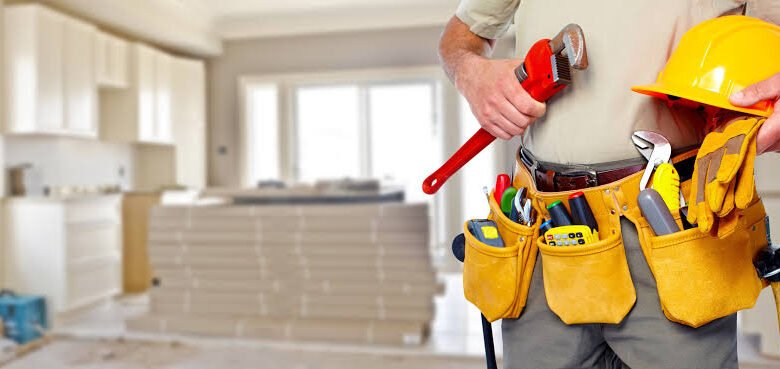
Maintaining a home or commercial property requires regular attention, practical skills, and timely repairs. From minor plumbing problems and damaged doors to electrical concerns, furniture assembly, painting, and general property maintenance, numerous tasks can arise throughout the year. Although some issues may appear small, leaving them unattended can eventually lead to more expensive repairs and inconvenience. Property owners often have busy schedules and may not have the necessary tools, experience, or time to handle every maintenance requirement themselves. This is where professional handyman services become a practical solution for keeping properties functional, comfortable, and well-maintained.
A well-maintained property does more than create a pleasant living or working environment. It also helps protect the building’s structure, preserve its appearance, and support the long-term performance of important fixtures and installations. Whether someone needs assistance with a single repair or several improvement projects, hiring an experienced professional can make the process easier and more manageable. Skilled handymen can handle a wide range of everyday maintenance tasks, identify developing problems, and recommend suitable solutions according to the property’s condition. Understanding the benefits, available services, and importance of professional workmanship can help homeowners and business owners make informed maintenance decisions.
Understanding the Importance of Professional Property Maintenance
Every property experiences wear and tear over time. Doors may become difficult to close, cabinet hinges can loosen, faucets may begin dripping, and walls can develop cracks or damaged paint. These issues are a normal part of property ownership, but they require attention to prevent further deterioration. Regular maintenance helps identify small problems early and ensures that different parts of the building continue functioning as intended.
Professional maintenance is particularly useful because many household repairs require specific tools and practical knowledge. A loose cabinet door may seem simple to fix, but repairing it correctly may involve checking the hinges, adjusting the alignment, and ensuring that the mounting points remain secure. Similarly, repairing a leaking faucet requires identifying the source of the problem and selecting compatible replacement components.
Experienced professionals understand how different building materials and fixtures work together. They can evaluate the problem, determine whether a repair is possible, and recommend replacement when necessary. This approach helps property owners avoid temporary fixes that may fail after a short period.
Another important benefit of routine maintenance is improved property value. A building with properly functioning fixtures, maintained surfaces, and reliable installations generally creates a better impression than one with visible damage and neglected repairs. Taking care of everyday maintenance requirements can therefore contribute to both comfort and long-term property preservation.
Common Handyman Services for Residential Properties
Residential properties require attention to many different maintenance tasks, ranging from minor adjustments to more involved repair projects. Homeowners may need assistance with kitchen fixtures, bathroom fittings, doors, windows, flooring, walls, furniture, and other household components. Having access to a professional who can manage multiple maintenance requirements makes property care more convenient.
Typical residential maintenance work includes repairing loose handles, replacing damaged door hardware, fixing cabinet hinges, mounting shelves, installing curtain rods, patching small wall holes, and adjusting misaligned doors. These tasks may not require major construction work, but completing them properly can improve the appearance and functionality of a home.
Kitchen maintenance is another common requirement. Cabinet doors may become loose, drawer slides can stop working smoothly, and countertops may develop minor damage. A skilled technician can assess these problems and recommend suitable repairs. Bathroom maintenance may include replacing accessible fixtures, repairing minor plumbing issues, resealing appropriate joints, and addressing loose accessories.
Professional assistance can also be useful when preparing a home for guests, moving into a new property, or completing seasonal maintenance. Instead of allowing several small problems to accumulate, homeowners can arrange a planned visit to address multiple tasks efficiently.
Plumbing Repairs and Fixture Maintenance
Plumbing problems are among the most common issues homeowners encounter. Even a minor leak can waste water, damage nearby surfaces, and create unnecessary inconvenience when left unresolved. Common concerns include dripping faucets, running toilets, loose showerheads, clogged drains, and leaking connections.
A professional handyman may be able to handle basic plumbing maintenance, such as replacing faucet washers, tightening accessible connections, installing shower accessories, and repairing certain minor fixture problems. The exact work depends on the technician’s qualifications, the complexity of the plumbing system, and applicable local requirements.
A dripping faucet may result from worn seals, damaged cartridges, or loose components. Simply tightening the handle may not solve the problem because the underlying part could require replacement. Similarly, a running toilet may have an issue with its flapper, fill valve, or internal adjustment mechanism.
Professional assessment helps identify the actual source of the problem and prevents unnecessary replacement of otherwise functional fixtures. However, major pipe repairs, extensive drainage problems, water heater work, and complicated plumbing installations may require a licensed plumber or another appropriately qualified specialist.
Regularly checking visible pipes, connections, faucets, and drainage fixtures can help homeowners recognize potential issues before they cause significant damage.
Electrical Maintenance and Minor Installation Work
Electrical systems are essential for everyday activities, including lighting, heating, cooling, and operating household appliances. However, electrical problems should always be approached carefully because incorrect repairs can create serious safety hazards.
Some property maintenance tasks involve basic electrical fixtures, such as replacing suitable light fittings, installing compatible accessories, or addressing certain minor installation concerns. These jobs should only be completed by professionals who have the appropriate qualifications and understand relevant electrical safety requirements.
Common warning signs of electrical problems include flickering lights, frequently tripping circuit breakers, unusual buzzing sounds, damaged switches, and outlets that become unusually warm. These symptoms should not be ignored because they may indicate overloaded circuits, loose connections, damaged wiring, or other underlying faults.
Homeowners should avoid attempting complicated wiring repairs or opening electrical panels without proper training. Work involving circuit modifications, new wiring, electrical panels, and other high-risk installations should be handled by licensed electricians where required.
A dependable maintenance professional should recognize the limits of their expertise and recommend a qualified specialist whenever a task requires advanced electrical knowledge. This ensures that repairs are completed responsibly and that household safety remains the priority.
Painting, Wall Repairs, and Surface Improvements
Walls and ceilings play an important role in the overall appearance of a property. Over time, painted surfaces may become scratched, stained, chipped, or discolored. Furniture movement, everyday activity, moisture exposure, and accidental damage can all contribute to visible imperfections.
Surface restoration often begins with preparing the damaged area. This may involve removing loose paint, filling small holes, smoothing uneven sections, and applying suitable primer before repainting. Proper preparation is essential because applying fresh paint over damaged or poorly prepared surfaces may result in an uneven finish.
Professional maintenance workers can also assist with minor drywall repairs, patching small openings, repairing superficial cracks, and refreshing painted surfaces. Larger cracks or recurring damage should be assessed carefully because they may indicate moisture problems or structural movement rather than ordinary cosmetic wear.
Painting projects may involve individual rooms, ceilings, doors, trim, or selected exterior surfaces. Choosing suitable paint products according to the material and environmental conditions helps improve durability and appearance.
Regularly maintaining painted surfaces can make rooms look cleaner and more attractive while helping protect suitable building materials from everyday wear.
Furniture Assembly and Installation Services
Furniture assembly can become a time-consuming task, particularly when products contain numerous components, specialized fittings, and detailed instructions. Beds, wardrobes, desks, bookshelves, cabinets, and storage units may all require careful assembly to ensure stability and proper functionality.
A professional technician can help assemble furniture according to the manufacturer’s instructions, use the correct hardware, and check that the finished structure is stable. This is especially helpful for large furniture pieces that are difficult to handle without assistance.
Installation services may also include mounting shelves, hanging mirrors, installing curtain rods, fitting wall-mounted accessories, and securing suitable furniture to walls. Correct installation is important because improperly secured objects may fall and cause injuries or property damage.
Before mounting heavy items, the wall material and location of supporting structures should be evaluated. Different surfaces, including drywall, brick, and concrete, require different fasteners and installation methods.
Professional furniture assembly and installation can save time, reduce frustration, and help ensure that household items are positioned securely and correctly.
Door, Window, and Lock Repairs
Doors and windows are essential components of a property because they provide access, privacy, ventilation, and protection from outdoor conditions. When these components become damaged or misaligned, they can affect convenience, security, and energy efficiency.
Common door problems include loose hinges, sticking frames, damaged handles, worn weatherstripping, and locks that do not operate smoothly. Windows may also experience issues involving faulty latches, damaged screens, loose hardware, and deteriorating seals.
Minor maintenance may involve adjusting hinges, tightening screws, replacing suitable handles, repairing screens, or installing compatible weatherstripping. These improvements can restore normal functionality and reduce drafts around doors and windows.
Lock-related problems require particular attention because they directly affect property security. A qualified professional can assess the hardware and determine whether adjustment, repair, or replacement is appropriate.
If a door or window has significant frame damage, water intrusion, or structural movement, more extensive repair work may be necessary. Identifying the underlying cause helps ensure that the solution addresses the actual problem instead of temporarily improving its appearance.
Flooring Repairs and General Installation Work
Flooring experiences constant use, making it one of the most frequently affected surfaces in residential and commercial properties. Depending on the material, floors may develop scratches, loose sections, cracked tiles, damaged laminate boards, or worn transitions between rooms.
Minor flooring repairs can help restore appearance and reduce the possibility of further damage. For example, a loose transition strip may create a tripping hazard, while a damaged tile can affect the surrounding grout and surface stability.
Professional technicians can assess suitable flooring materials and recommend the correct repair method. Some tasks may involve replacing individual tiles, securing loose trim, repairing selected laminate sections, or addressing minor surface damage.
Flooring maintenance also includes checking for signs of moisture. Water trapped beneath certain flooring materials can contribute to swelling, discoloration, unpleasant odors, and deterioration. Before installing replacement materials, the source of moisture should be identified and corrected.
Although general maintenance professionals may handle smaller flooring projects, extensive installations, structural subfloor repairs, and complicated water-damage restoration may require specialized contractors.
Why Homeowners Benefit From Hiring a Professional Handyman
Managing household repairs independently can be difficult, especially when several maintenance tasks require different tools and skills. Homeowners may spend considerable time researching repair methods, purchasing materials, and attempting to complete jobs without knowing whether the chosen solution is suitable.
Hiring a professional offers convenience by allowing several appropriate maintenance tasks to be handled during one scheduled visit. Rather than contacting multiple providers for minor repairs, property owners may be able to arrange assistance with different tasks through a single qualified service professional.
Professional workmanship can also help reduce mistakes. Incorrect installation, unsuitable materials, and incomplete repairs may cause additional damage or require the work to be repeated. An experienced technician understands how to approach common maintenance problems and when a particular repair requires specialized expertise.
Another advantage is access to appropriate equipment. Some tasks require measuring tools, drills, fasteners, cutting equipment, or specialized repair products. Professionals generally understand which tools are suitable for different materials and applications.
Reliable handyman services can also help homeowners manage preventive maintenance rather than waiting until something stops working completely. Addressing loose fittings, minor leaks, damaged surfaces, and other developing issues can make property maintenance more organized and manageable.
Commercial Property Maintenance and Repair Solutions
Commercial buildings experience maintenance requirements that can differ from those of residential properties. Offices, retail stores, restaurants, rental properties, and other business facilities depend on properly functioning fixtures, doors, lighting, furniture, and interior surfaces.
A damaged door handle, loose shelving unit, leaking faucet, or deteriorating wall finish may seem like a minor issue, but it can affect the appearance and usability of a commercial space. In customer-facing environments, neglected maintenance can also create an unfavorable impression.
Professional maintenance workers can assist with suitable minor repairs, furniture assembly, fixture installation, wall patching, hardware replacement, and general upkeep. Their assistance can help property managers address everyday problems without unnecessarily delaying normal operations.
Businesses may also benefit from creating a preventive maintenance schedule. Regular inspections help identify damaged components, worn fixtures, and other concerns before they interfere with employees, customers, or daily activities.
However, commercial properties may have additional building regulations, accessibility requirements, fire safety standards, and insurance conditions. Maintenance work should always comply with the relevant requirements, and specialized electrical, plumbing, HVAC, fire protection, or structural work should be assigned to appropriately qualified contractors.
How to Choose the Right Handyman Professional
Selecting a reliable maintenance professional is important because the quality of the work directly affects the property’s condition and safety. Before hiring someone, property owners should evaluate their experience, skills, service range, and approach to customer communication.
Start by identifying the specific tasks that need attention. A professional may be experienced in furniture assembly and minor carpentry but may not have the qualifications required for complex electrical or plumbing repairs. Understanding these differences helps ensure that the right person is selected for each job.
It is also useful to ask about previous experience with similar projects. A technician who regularly repairs doors, installs shelves, or handles drywall maintenance may be better prepared to complete those particular tasks efficiently.
Before work begins, request a clear estimate covering labor, materials, expected completion time, and any additional charges. For larger projects, written details can help avoid misunderstandings and provide a clearer understanding of the agreed work.
Other important considerations include:
- Checking customer reviews and references where available.
- Confirming relevant qualifications and insurance coverage.
- Asking whether materials and tools are included in the quoted price.
- Discussing project timelines and availability before scheduling.
- Confirming whether warranties or workmanship guarantees are provided.
- Ensuring that the professional follows appropriate safety procedures.
- Choosing someone who communicates clearly about problems and repair options.
A trustworthy professional should explain what needs to be done, provide realistic expectations, and avoid recommending unnecessary replacements. Clear communication and transparent pricing are important indicators of a responsible service provider.
The Importance of Preventive Maintenance for Long-Term Savings
Preventive maintenance focuses on identifying and correcting small problems before they develop into expensive repairs. It is an important part of responsible property ownership because even minor defects can become more complicated when exposed to continued use.
For example, a small leak beneath a sink may initially require only a simple repair. However, if ignored, it could damage cabinetry, flooring, and nearby building materials. Similarly, a loose handrail may become a safety concern if its mounting points continue to weaken.
Creating a maintenance checklist can help property owners monitor different areas of the building. This checklist may include checking faucets, inspecting visible pipes, testing door hardware, examining window seals, monitoring lighting, and looking for signs of wall or ceiling damage.
Seasonal inspections are also useful because changing weather conditions can affect building materials, exterior surfaces, and plumbing components. Before periods of heavy rainfall or extreme temperatures, property owners should pay attention to vulnerable areas that may require maintenance.
Scheduling repairs in an organized way also makes budgeting easier. Instead of responding to several unexpected problems at once, homeowners can plan routine maintenance according to priority and available resources.
How Handyman Services Improve Property Value and Everyday Comfort
A property’s condition influences both its usability and its overall appeal. Well-maintained interiors, properly functioning fixtures, secure doors, attractive surfaces, and reliable installations contribute to a comfortable environment.
For homeowners considering selling or renting their property, completing minor maintenance projects can help create a better first impression. Prospective buyers and tenants often notice visible signs of neglect, including damaged walls, loose handles, dripping faucets, and poorly maintained fixtures.
Addressing these concerns before marketing a property can improve its presentation and demonstrate responsible ownership. Although minor repairs cannot guarantee a higher selling price, maintaining the building in good condition can make it more attractive to potential occupants.
Comfort is another important benefit. A door that closes properly, a stable shelf, functioning bathroom fixtures, and smooth-operating windows may seem like small improvements, but they contribute to a more convenient daily experience.
Professional maintenance also allows property owners to focus on their personal and professional responsibilities instead of spending excessive time managing multiple repair tasks. Having a reliable maintenance professional available can make ongoing property care more predictable and less stressful.
Conclusion
Maintaining a residential or commercial property requires consistent attention to everyday repairs, installations, and improvements. From plumbing maintenance and minor electrical work to painting, furniture assembly, flooring repairs, and door adjustments, many tasks contribute to the functionality, safety, and appearance of a building. Although individual problems may appear insignificant, neglecting them can eventually result in more extensive damage and higher maintenance expenses.
Hiring experienced professionals helps property owners address these concerns efficiently while ensuring that each task is handled using appropriate tools, materials, and techniques. It is equally important to recognize when specialized work requires a licensed electrician, plumber, or other qualified contractor. Choosing the right professional and arranging regular inspections can make property maintenance more manageable and help prevent avoidable problems.
Reliable handyman services provide a practical way to keep homes and commercial spaces in good condition throughout the year. By addressing small repairs promptly, investing in preventive maintenance, and prioritizing quality workmanship, property owners can protect their investments, improve everyday comfort, and maintain functional spaces for years to come.