
When you find yourself staring blankly into an open refrigerator for ten minutes, you are experiencing a common phenomenon known as decision fatigue. Small, mundane choices regarding what to eat, wear, or watch consume a surprising amount of cognitive energy each day, leaving you feeling mentally exhausted before evening arrives.
By introducing lighthearted strategies into your morning and evening routines, you can reclaim valuable mental space. Resolving tiny daily dilemmas with gamified solutions helps bypass choice paralysis while keeping your overall focus sharp.
Why Do Micro-Decisions Drain Your Focus?
Every single choice you make requires mental processing power. When you spend twenty minutes deciding which morning coffee flavor to brew or which shirt to wear, you draw directly from the same mental reservoir needed for complex problem-solving later in the afternoon.
Psychologists studying behavioral fatigue have gathered concrete evidence regarding this phenomenon. Research published in PLOS ONE demonstrated that mental fatigue directly degrades technical and tactical decision-making capabilities. The constant friction of overanalyzing low-stakes options creates an invisible barrier to peak cognitive performance.
When you spend your early hours deliberating over trivialities, you leave far less energy for meaningful work. Eliminating unnecessary friction early in the day protects your mind against afternoon burnouts.
How Can Gamification Eliminate Overthinking?
Transforming mundane choices into quick games instantly strips away the emotional weight of simple selections. Using external tools lets you pass the responsibility of a decision off to chance, taking away the urge to second-guess your final choice.
- Roll simple dice: Assign six common lunch spots or workout routines to numbers on a standard die and let a single roll decide your afternoon.
- Flip a coin: Assign your top two preferences to heads or tails, paying close attention to how you feel while the coin is in the air.
- Create decision cards: Write your frequent dinner choices on index cards, shuffle them, and draw one blind every evening.
Integrating a visual tool like an online yes or no picker wheel into your daily workflow makes choosing between two everyday options effortless and entertaining. Digital tools act as neutral third parties, making the selection process playful rather than stressful. You can spin once, accept the outcome immediately, and proceed with your day without looking back.
What Does Research Say About Gamified Strategies?
Outsourcing trivial decisions to randomizers or interactive games provides tangible benefits for your mental well-being. Removing high expectations from tiny choices allows your brain to rest between complex tasks.
Scientific literature supports the psychological benefits of these playful approaches. A study highlighted in PubMed Central noted that gamified mental interventions hold significant potential for bolstering mental wellness and mitigating psychological symptoms. Turning minor choices into games reduces self-imposed pressure.
When you allow playful tools to take over routine choices, you build resilience against daily stress. You spend less time worrying about optimal outcomes and more time taking real action.
How Do You Set “Good Enough” Thresholds?
Perfectionism is often the hidden culprit behind simple indecision. People frequently stall while searching for the absolute best choice when a completely satisfactory option is sitting right in front of them.
Shifting your mindset toward finding “good enough” solutions radically speeds up your daily choices. Give yourself a strict fifteen-second timer to pick an outfit or select a podcast. Once the timer expires, commit fully to whichever option you selected first. Setting a firm cutoff forces your brain to prioritize speed over endless optimization.
How Does Emotional Fatigue Impact Choice Quality?
When mental fatigue accumulates, your ability to evaluate options degrades, leading either to extreme paralysis or reckless choices. Understanding this emotional curve helps you spot fatigue early and intervene before it affects your day.
Clinical evaluations reveal a complex web of factors behind choice paralysis. A systematic review published in Psychology Exposed emphasized the intertwined cognitive, emotional, behavioral, and contextual determinants involved in ongoing decision fatigue. Recognizing that your hesitation stems from fatigue rather than the actual importance of the decision helps you let go of perfectionism.
Accepting that a decision holds very low long-term impact empowers you to pick an option immediately. The moment you recognize a choice as low-stakes, you free yourself from needless worry.
What Are Practical Ways to Streamline Your Day?
Building structure into your environment minimizes the volume of choices you encounter daily. Consolidating choices allows you to maintain momentum across both personal and professional tasks.
- Establish themed days: Assign specific themes to weeknight dinners, such as pasta on Tuesdays or soup on Thursdays, to remove mealtime guesswork.
- Capsule your wardrobe: Select five reliable outfits for the workweek so you can get dressed without thinking every morning.
- Batch minor tasks: Group small administrative choices into a single fifteen-minute window rather than scattering them throughout the afternoon.
Applying these structured boundaries gives your day a smooth, predictable rhythm. You preserve your mental energy for high-value priorities while speeding through routine chores.
How Can You Build Decision-Free Routines?
Creating predictable habits reduces the number of choices you face before your day even begins. Prepare your coffee supplies, pack your bag, and choose your outfit the night before to eliminate unnecessary morning distractions.
Automation also helps you maintain consistency without relying on willpower. Set recurring reminders for routine tasks, create standard grocery lists, and establish fixed times for checking emails. These small adjustments turn repeated decisions into effortless habits.
Over time, your routines become reliable shortcuts that preserve mental energy. Instead of wasting valuable attention on familiar tasks, you can focus on creative projects, meaningful conversations, and important responsibilities.
When Should You Let Chance Make the Choice?
Random decision-making works best when the available options carry similar benefits and little risk. Choosing a movie, picking a lunch spot, or selecting a weekend activity are ideal opportunities to let a coin flip or digital spinner settle the debate.
However, some decisions deserve careful consideration rather than a playful shortcut. Financial commitments, health-related choices, and important professional decisions require thoughtful evaluation of potential consequences. Use randomizers to break minor deadlocks, not to replace sound judgment.
The goal is to make everyday life easier, not to surrender control over important outcomes. By recognizing which choices deserve your attention and which can be resolved in seconds, you create a healthier balance between intentional thinking and spontaneous action.
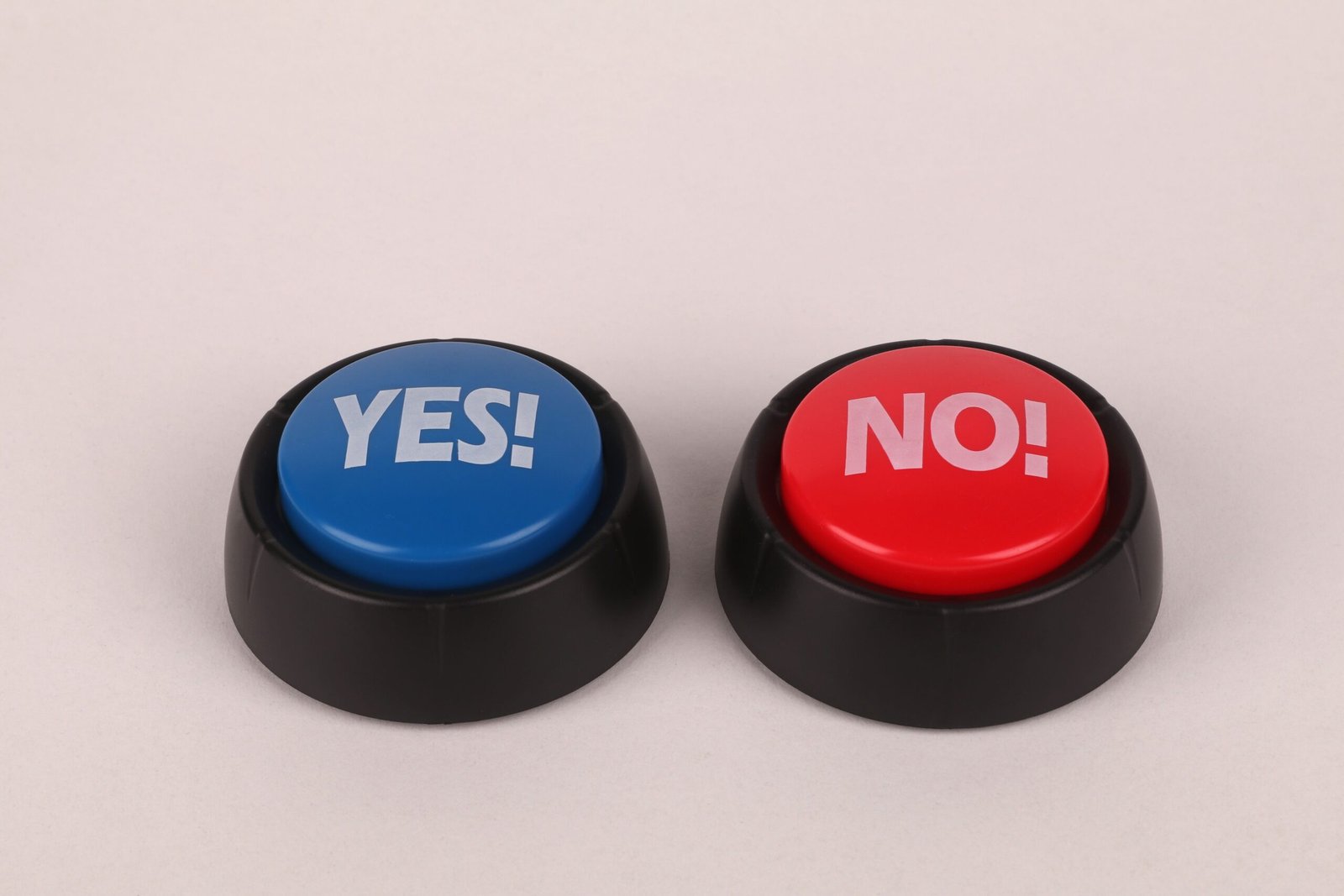
Rebuilding confidence in your decision-making starts with letting go of the need to optimize every minor detail. Routine choices should never dictate your mood or consume your schedule. By adopting a playful attitude, utilizing simple randomizers, and accepting satisfactory outcomes, you protect your cognitive energy and regain momentum throughout your day.