Commercial Window Tinting: Improving Privacy, Comfort, and Energy Efficiency

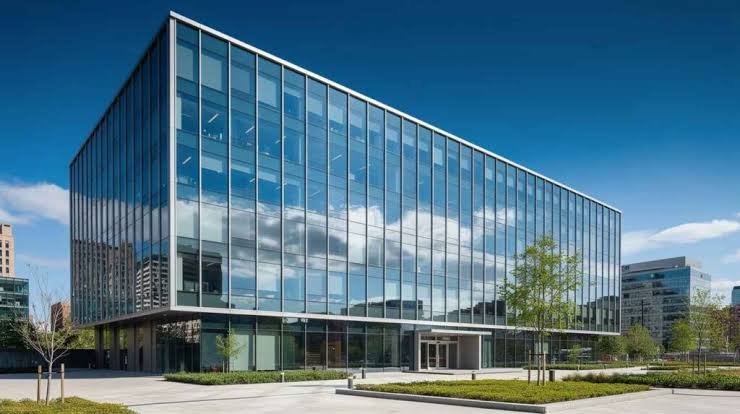
Modern commercial buildings are designed to provide comfortable, productive, and visually appealing environments for employees, customers, and visitors. However, large glass windows can create several challenges, including excessive sunlight, uncomfortable indoor temperatures, glare, and limited privacy. Although natural light can make an office or commercial space feel more welcoming, uncontrolled sunlight may increase cooling requirements and affect the comfort of people working inside. Finding an effective way to manage these issues is an important part of maintaining a functional business environment. Commercial window tinting offers a practical solution by improving the performance of existing windows without requiring major structural changes.
Window films are specially designed materials applied to the interior or exterior surface of suitable glass. Depending on their construction and specifications, these films can reduce solar heat gain, control glare, block a significant portion of ultraviolet radiation, and improve privacy. Some options also enhance the appearance of commercial buildings by creating a consistent finish across different windows. From corporate offices and retail stores to restaurants, medical facilities, hotels, and educational institutions, businesses can benefit from selecting window films that match their specific requirements. Understanding the available options, installation process, and long-term advantages can help property owners make informed decisions about their buildings.
Understanding the Purpose of Commercial Window Films
Commercial window films are designed to improve the functionality of existing glass surfaces. They are available in different shades, finishes, thicknesses, and technical specifications, allowing businesses to select products according to their operational requirements. Some films focus primarily on solar control, while others are designed to provide privacy, decorative appeal, or additional glass protection.
One of the main purposes of window film is to manage the amount of solar energy entering a building. Sunlight contains visible light, ultraviolet radiation, and infrared energy. Depending on the glass and film specifications, an appropriate window film can reduce the transmission of certain portions of this energy. This can help maintain more consistent indoor conditions, particularly in buildings with large windows or extensive glass facades.
Another important purpose is improving indoor comfort. Direct sunlight can create uncomfortable hot spots near windows, making some areas of an office or retail space less pleasant than others. By reducing excessive solar exposure, suitable films can help improve temperature consistency and reduce glare. This may also support a more comfortable working environment for employees and a better experience for customers.
Commercial films are also available in decorative and privacy-focused designs. These options can change the appearance of glass partitions, meeting rooms, entrances, and customer-facing areas while maintaining a professional interior design.
Benefits of Installing Window Tint in Commercial Buildings
Commercial properties often contain extensive glass surfaces that contribute to natural lighting and architectural appeal. However, untreated windows may allow excessive sunlight and heat to enter during certain times of the day. Installing suitable window film can help address these challenges while improving the functionality of the building.
One significant benefit is improved solar control. Depending on the selected product, window films can reduce the amount of solar energy entering through the glass. This may help lower cooling demand during warmer periods and make indoor environments more comfortable. The actual energy savings depend on factors such as building orientation, window size, existing glazing, insulation, climate, and HVAC efficiency.
Glare reduction is another valuable advantage. Strong sunlight can make computer screens difficult to read and create uncomfortable working conditions for employees. In retail environments, excessive glare may also interfere with product displays and customer comfort. Appropriate films can reduce harsh brightness while still allowing useful natural light to enter.
Ultraviolet protection is also important. Many quality window films block a high percentage of UV radiation, depending on their specifications. Reducing UV exposure can help protect furniture, flooring, merchandise, artwork, and interior finishes from fading. Although fading can have several causes, including visible light and heat, UV control can contribute to better long-term preservation.
Privacy is another reason businesses consider window films. Certain finishes can limit outside visibility during daylight hours or provide visual separation between different areas of a commercial property. These benefits make window films a versatile improvement for many building types.
Improving Energy Efficiency and Managing Indoor Temperatures
Energy efficiency is a major concern for commercial property owners because heating and cooling systems can represent a significant portion of building operating expenses. Large windows may contribute to solar heat gain, particularly when they receive direct sunlight for several hours each day. This additional heat can increase the workload placed on air-conditioning systems.
Solar-control window films are designed to reduce selected portions of incoming solar energy. Their performance depends on the type of film, the existing glass, and the installation conditions. Some products offer stronger heat rejection, while others prioritize visible light transmission and a more natural appearance. Selecting the correct balance is essential because an excessively dark film may reduce natural lighting more than necessary.
Reducing solar heat gain may help create more stable indoor temperatures and improve comfort in spaces located near windows. Employees may experience fewer uncomfortable hot spots, while customers can enjoy a more pleasant indoor environment. In some buildings, improved solar control may also support reduced cooling demand during periods of intense sunlight.
However, window tinting should be considered part of a broader energy management strategy. Insulation, air sealing, HVAC maintenance, lighting efficiency, and building orientation also influence overall energy consumption. Property owners should evaluate the building as a complete system rather than expecting window film alone to resolve every temperature-related issue.
Choosing the Right Type of Commercial Window Film
Different businesses have different priorities, so selecting the correct film requires an understanding of available product categories. Solar-control films are commonly selected for buildings that experience excessive sunlight and heat. They are available in various shades and technical designs, allowing property owners to manage solar energy while maintaining an appropriate level of visible light.
Reflective films use a reflective surface to reduce solar transmission and create a distinctive exterior appearance. They may also provide daytime privacy by making it more difficult to see inside from certain viewing angles. However, privacy performance depends on lighting conditions. When interior lighting becomes brighter than outdoor lighting, the visibility effect may change.
Ceramic films are another option for commercial properties. These products use advanced non-metallic materials to manage selected portions of solar energy while maintaining useful visible light transmission. Some ceramic films are designed to provide heat control without producing a highly reflective appearance. Their performance varies by product, so technical specifications should be reviewed carefully.
Decorative films are frequently used on internal glass partitions, conference rooms, reception areas, and office doors. They can create frosted, patterned, or branded finishes while allowing light to pass between spaces. These films are useful when businesses want visual separation without installing permanent walls.
Safety and security films are designed to help hold broken glass fragments together under certain conditions. They may reduce the likelihood of scattered glass after some impact events, although they do not make ordinary glass unbreakable. Product selection should consider the building’s risk assessment and any applicable safety requirements.
Enhancing Privacy in Offices and Commercial Spaces
Privacy is an important consideration for many businesses, particularly those that handle confidential information or conduct private meetings. Glass walls and large windows can create an open and modern appearance, but they may also expose internal activities to visitors or people outside the building. Window films provide several ways to improve privacy without completely eliminating natural light.
Frosted films are particularly popular for conference rooms, consultation areas, reception spaces, and internal office partitions. They create an opaque or translucent appearance that limits direct visibility while allowing light to pass through. Businesses can apply them to full glass panels or selected sections depending on their design preferences.
Decorative films can also provide privacy while supporting branding and interior aesthetics. Patterns, geometric designs, and customized graphics can create visual interest and help distinguish different departments or meeting areas. These options are particularly useful in modern offices where glass partitions are used to create open layouts.
Reflective films may offer daytime privacy on exterior windows, but they should not be treated as a guaranteed privacy solution. Their performance depends on the difference in lighting between the inside and outside of the building. Businesses that require reliable privacy at all times should consider suitable blinds, curtains, or other privacy measures alongside window film.
Reducing Glare and Creating a Comfortable Working Environment
Glare is a common problem in buildings with large windows, especially where employees work with computers, monitors, or other digital equipment. Direct sunlight can reflect off screens and create uncomfortable brightness that makes it difficult to concentrate. It may also affect customers who spend extended periods inside offices, banks, restaurants, and retail spaces.
Commercial window films can help reduce excessive visible brightness while preserving a comfortable level of natural illumination. The ideal film depends on the direction of the windows, the intensity of sunlight, the type of interior activities, and the existing glass specifications.
In office environments, glare control can support employee comfort and improve the usability of workstations located near windows. Conference rooms may also benefit because sunlight can interfere with presentations and digital displays. In retail spaces, reducing glare can make product displays easier to view while maintaining an inviting atmosphere.
Property owners should consider testing samples before choosing a final product. Viewing samples under different lighting conditions can help determine whether the selected film provides the desired balance between brightness and solar control. This step can prevent dissatisfaction after installation and help businesses achieve a more consistent indoor experience.
Protecting Interior Furnishings and Merchandise
Sunlight can gradually affect the appearance of many materials used inside commercial buildings. Furniture, carpets, curtains, wooden flooring, printed displays, artwork, and merchandise may experience fading or discoloration after prolonged exposure. This can be particularly concerning for retail stores, galleries, showrooms, hotels, and offices with valuable interior furnishings.
Many quality window films are designed to block a high percentage of ultraviolet radiation. Reducing UV transmission can help limit one important factor associated with fading and material deterioration. Some films also reduce visible light transmission and solar heat, which may provide additional benefits depending on the product.
Businesses that display merchandise near windows may find this protection particularly useful. Clothing, furniture, printed materials, and decorative products can be exposed to direct sunlight throughout the day. Reducing excessive exposure may help preserve their appearance and maintain a more professional presentation.
It is important to understand that no ordinary window film can completely prevent all forms of fading. Materials react differently to UV radiation, visible light, heat, and other environmental conditions. However, suitable protective films can contribute to a more controlled indoor environment and help extend the attractive appearance of interior assets.
The Professional Window Tinting Installation Process
A successful installation begins with a detailed assessment of the building’s existing glass. Not every film is compatible with every window, and selecting an unsuitable product can increase the risk of thermal stress or glass damage. Professional installers should identify the glass type, thickness, coating, orientation, and condition before recommending a film.
Once the assessment is complete, the installer can discuss the property’s requirements and present suitable product options. These may include solar-control, decorative, privacy, ceramic, or safety films. Technical specifications should be reviewed to ensure that the selected product offers the desired performance without creating unwanted changes in appearance or visible light transmission.
Before application, the glass must be cleaned thoroughly to remove dust, grease, and other contaminants. Even small particles trapped beneath the film can affect the final appearance. Installers generally use specialized cleaning solutions and tools to prepare the surface before carefully applying the film.
The film is measured, cut, positioned, and applied using appropriate installation techniques. A suitable application solution allows the installer to adjust the film before securing it to the glass. Air and excess moisture are removed using specialized tools to achieve a smooth finish. After installation, the film requires a curing period during which its appearance may gradually change as moisture evaporates.
Professional installers should also explain the recommended cleaning schedule and aftercare instructions. Following these recommendations helps preserve the film’s appearance and supports its expected service life.
Understanding the Importance of Glass Compatibility
One of the most important considerations before installing commercial window film is determining whether the selected product is suitable for the existing glazing. Different types of glass respond differently to solar energy and temperature changes. Some films can alter how heat is absorbed or reflected, potentially increasing thermal stress under certain conditions.
Single-pane glass, double-glazed units, tinted glass, laminated glass, and glass with specialized coatings may all have different compatibility requirements. A product suitable for one type of window may not be appropriate for another. This is why professional assessment should take place before any large installation project begins.
Window orientation also matters. South-facing, west-facing, and other sun-exposed windows may experience different levels of solar exposure depending on the building’s design and surrounding environment. The installer should consider these conditions when recommending film specifications.
Property owners should request confirmation of product compatibility and review any applicable manufacturer warranties. They should also ask whether the proposed film is approved for the specific glass configuration. Taking these precautions helps reduce installation risks and supports better long-term performance.
Commercial Window Tinting for Different Industries
Different commercial industries have different reasons for installing window film. Corporate offices may prioritize glare reduction, employee comfort, and privacy in meeting rooms. Films that maintain natural lighting while reducing excessive brightness can be particularly useful in modern office environments with extensive glass partitions.
Retail stores may focus on reducing heat, protecting merchandise, and creating an attractive storefront. Window films can help manage sunlight while maintaining visibility from outside. Decorative options can also support promotional displays and branding.
Restaurants and hotels often prioritize guest comfort and interior appearance. Solar-control films may help reduce excessive heat around windows, while decorative films can create privacy in selected areas. These improvements can support a more comfortable customer experience without requiring major changes to the existing building structure.
Healthcare facilities may require privacy in consultation rooms and administrative spaces. Frosted films can help create visual separation while preserving natural light. Educational institutions may also use window films to manage glare in classrooms, improve comfort, and protect interior furnishings.
Industrial and warehouse facilities may benefit from suitable films that reduce solar exposure in offices, control glare, or provide additional protection for selected glazing systems. The correct solution depends on the building’s specific operating requirements and safety considerations.
Maintaining Commercial Window Films After Installation
Proper maintenance is essential for preserving the appearance and performance of installed window films. Although quality products are designed for long-term use, improper cleaning methods or abrasive materials can damage their surfaces. Businesses should follow the manufacturer’s recommendations and establish a suitable maintenance routine.
Newly installed film should be allowed to cure according to the installer’s instructions before cleaning begins. During this period, minor haze or small moisture patterns may be visible. These conditions can be part of the normal curing process and may disappear as the film dries completely.
After curing, windows can generally be cleaned with suitable non-abrasive products and soft cloths. Harsh chemicals, rough scrubbing pads, and sharp tools should be avoided because they may scratch or damage the film. Regular gentle cleaning helps remove dust, fingerprints, and environmental contaminants.
Businesses should also inspect their window films periodically for peeling edges, bubbling, discoloration, or other visible changes. If a problem develops, it should be assessed by a qualified installer rather than attempting repairs with unsuitable adhesives or household products. Following appropriate maintenance procedures can help protect the investment and maintain a professional appearance.
Cost Factors to Consider Before Installation
The overall cost of a commercial window film project depends on several factors, including the total glass area, film type, product specifications, installation difficulty, and building accessibility. Large commercial properties may require more materials and labor, while complex architectural glazing can increase installation time.
Premium solar-control and ceramic films may cost more than basic decorative or standard tinted products because of their construction and performance characteristics. Safety and security films may also involve different thicknesses and installation requirements. Businesses should compare products based on their technical specifications rather than selecting an option solely because it has the darkest appearance or lowest price.
Labor expenses may vary depending on window height, access restrictions, existing glass conditions, and the amount of preparation required. Buildings with large exterior glass facades may require specialized access equipment and additional safety arrangements.
Property owners should request detailed written estimates that explain the film type, performance specifications, installation scope, warranty coverage, and expected completion schedule. Comparing several quotations can help businesses understand the available options and select a solution that fits their budget and operational needs.
Why Hiring Experienced Window Tinting Professionals Matters
Although window film may appear straightforward to apply, achieving a clean and durable finish requires experience, suitable tools, and knowledge of glass compatibility. Incorrect installation can result in bubbles, visible contamination, uneven edges, and premature film failure. Selecting an experienced contractor can help reduce these problems.
Professional installers understand how to assess different glazing systems and recommend products suitable for the intended application. They can also identify potential concerns before beginning work, including damaged glass, unsuitable coatings, and installation conditions that may affect performance.
Businesses should review the contractor’s previous projects, customer feedback, product knowledge, and warranty arrangements. It is also helpful to ask whether the installer follows manufacturer-approved procedures and provides aftercare instructions.
A reliable contractor should explain the expected benefits without making unrealistic promises about energy savings, privacy, or glass protection. They should also provide clear information about the product’s limitations and maintenance requirements. Choosing a qualified professional supports a more predictable installation experience and helps protect the business’s investment.
Conclusion
Commercial window tinting films offer a practical way to improve the comfort, appearance, privacy, and functionality of business properties. By managing excessive sunlight, reducing glare, limiting UV exposure, and providing decorative options, suitable films can address several common challenges associated with large glass surfaces. They can also help support energy management by reducing solar heat gain under appropriate conditions.
Selecting the right product requires careful consideration of the building’s glazing system, window orientation, operational requirements, and desired appearance. Professional assessment is particularly important because different types of glass may have different compatibility requirements. Proper installation and regular maintenance also contribute to long-term performance.
Whether a property is an office, retail store, restaurant, hotel, healthcare facility, or educational building, window film can provide useful improvements without requiring extensive structural renovation. By choosing quality materials and working with experienced installers, businesses can create more comfortable, attractive, and functional indoor environments while making better use of their existing windows.