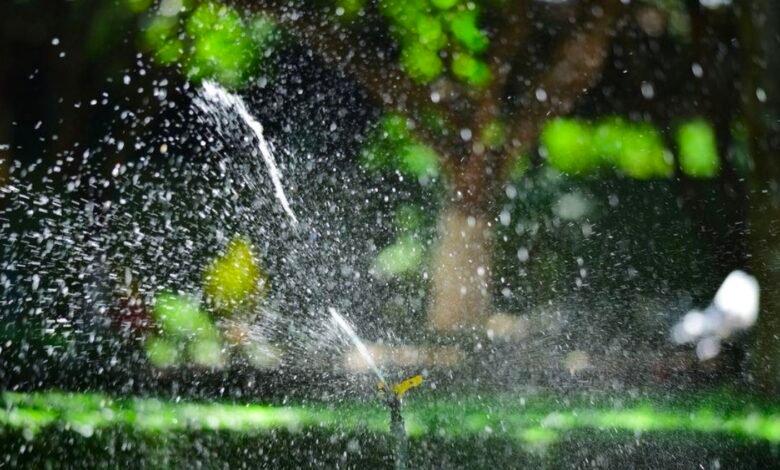
A healthy landscape does not need to be soaked every morning. A sprinkler system that runs reliably can still waste water when its layout ignores soil, shade, or rainfall. The Environmental Protection Agency estimates that as much as half of outdoor water use can be wasted through inefficient irrigation methods and systems. Careful planning helps avoid that waste. It also prevents problems including dry corners, flooded paths, and expensive adjustments after installation.
Start With the Landscape, Not the Equipment
Before choosing sprinkler heads, walk around the property and notice what changes from one area to another. A sunny lawn, shaded border, vegetable bed, and steep bank do not necessarily need the same watering schedule. Soil texture also matters: sandy ground tends to drain more quickly, while heavier soils can absorb water slowly and allow runoff when sprinklers apply it too fast.
Make a simple drawing with measurements, planting areas, paved surfaces, slopes, and water connections. Identify places where water should never spray, especially entrances and walkways. That sketch becomes the foundation for a system designed around actual conditions rather than a catalog.
Match the Design to Water Pressure and Flow
A common installation mistake is choosing too many heads for the available water supply. Pressure and flow rate are different measurements. Pressure influences how heads operate and distribute water; flow determines how much the supply can deliver at one time. A system can have reasonable static pressure yet struggle when sprinklers operate.
When Sunrise Irrigation installs sprinkler systems, proper planning helps ensure that water pressure, flow rate, pipe sizing, and sprinkler placement work together efficiently. These factors determine how many sprinkler heads each zone can support and whether water reaches the landscape evenly. A professionally designed system can help prevent weak spray patterns, uneven coverage, and unnecessary water waste.
Ask for an explanation of the proposed zones and the performance expected at the furthest heads. A good design should be understandable without technical experience.
Divide Watering Areas by Their Needs
Zones work best when they bring together plants and locations with similar demands. A lawn in direct sun may need different attention from an established shrub bed in shade. Combining both on one schedule can leave one area thirsty while the other receives too much water.
The principle behind grouping plants into irrigation zones is straightforward: similar water needs should guide planting and watering decisions. Soil, sun exposure, slope, and the type of irrigation equipment belong in the same conversation.
Separating zones also makes troubleshooting easier. When a particular area is consistently wet, you can examine its programming and equipment without disrupting everything. More zones are not automatically better, though. Each adds components and potential maintenance requirements, so the design needs a practical balance.
Place Sprinklers for Even Coverage
Sprinkler placement involves more than aiming water toward the grass. Many conventional spray layouts use overlapping coverage so that areas near one head also receive water from another. The correct spacing depends on the nozzle, operating pressure, wind exposure, and manufacturer’s specifications.
A narrow strip may require a different spray pattern from an open lawn. Beds with shrubs often suit drip or other low-volume irrigation, which applies water closer to the roots. Avoid combining equipment with very different application rates in the same zone unless the design accounts for those differences.
Watch where the water lands during a test cycle. Wet pavement is not evidence of thorough coverage. It is water missing its intended destination.
Use Controls That Respond to Conditions
A basic timer follows the schedule it was given, even after heavy rain. That can be convenient, but it places responsibility on the owner to make seasonal adjustments. Weather-responsive and soil-moisture-based controls can reduce unnecessary cycles when installed and programmed correctly.
For instance, weather-based irrigation controllers use weather information and landscape conditions to adjust watering rather than repeating one fixed timetable. Their value still depends on accurate setup, functioning sensors, and zone settings. A smart controller cannot repair a leaking pipe or compensate for poorly positioned heads.
Choose technology that you can operate and maintain. A simpler system with reliable settings may outperform sophisticated equipment that goes unused.
Make Installation Easy to Maintain
Good installation decisions often go unnoticed until something breaks. Accessible valve boxes, documented pipe routes, and sensible head placement make future repairs less disruptive. The appropriate pipe depth, backflow protection, and permits depend on applicable requirements and site conditions.
Ask installers how they will protect existing utilities and test the finished system. They should check for leaks, verify head operation, and demonstrate how to shut off individual zones. Keep a copy of the layout, controller instructions, and equipment details. Those records become useful when landscaping changes or repairs are needed later.
Observe the System Through Changing Seasons
After installation, give the landscape time to reveal how the design performs. Dry patches may indicate blocked spray or insufficient coverage; persistently wet ground may suggest a leak, excessive runtime, or a drainage issue. Plant disease and soil problems can produce similar symptoms, so avoid assuming every brown patch needs more water.
Run each zone while you can watch it. Check for tilted heads, clogged nozzles, puddles, and spray reaching hard surfaces. Adjust watering as weather and plant needs change, and review bills for unexplained increases. A short observation now is often easier than repairing avoidable damage later.
Think Beyond the First Growing Season
An irrigation system should remain practical as plants mature, shade patterns shift, and routines change. Leave room to adjust heads or schedules without rebuilding the entire layout. Decide which features genuinely save effort and which add cost without solving a problem.
The aim is not to make every corner look permanently saturated. It is to give roots enough water while keeping waste, runoff, and maintenance manageable. A well-planned system does that reliably, quietly: it supports the landscape without demanding constant attention or making every watering day an expensive experiment.