Trees add beauty, shade, and value to any property, but they don’t last forever. Storm damage, disease, and old age can turn a once-majestic oak into a safety hazard overnight. Knowing when to act — and who to call — makes all the difference between a minor inconvenience and a costly disaster.
At Art’s Tree Service, we’ve spent years helping homeowners and business owners navigate exactly this decision. Whether you’re dealing with a leaning tree threatening your roof or a diseased trunk that’s seen better days, understanding the warning signs and the removal process can save you time, money, and stress.
This guide walks through the most common reasons trees need to come down, what the removal process actually looks like, and why hiring experienced professionals matters more than most people realize.
Signs Your Tree Might Need to Go
Not every tree problem requires removal, but certain red flags shouldn’t be ignored. Here are the most telling signs:
Visible decay or fungal growth. Mushrooms or fungal growths near the base of a tree often indicate internal rot that’s weakening the structure from within.
Significant leaning. A tree that suddenly starts leaning, especially after a storm, may have compromised roots and could topple without warning.
Cracks or splits in the trunk. Deep vertical cracks signal structural instability that typically only worsens with time.
Dead or hanging branches. Large dead limbs pose a falling hazard, particularly during high winds or heavy snow.
Proximity to structures. Even a healthy tree can become a liability if its roots threaten your foundation or its branches hang over power lines and rooftops.
If you’ve spotted any of these signs on your property, it’s worth scheduling a professional assessment sooner rather than later. Small issues tend to escalate quickly, especially with mature trees.
What Actually Happens During Professional Tree Removal?
Many homeowners assume tree removal is as simple as cutting down a trunk and hauling it away. In reality, the process involves careful planning, specialized equipment, and a deep understanding of how trees fall.
Step 1: Assessment and planning. A certified arborist evaluates the tree’s height, lean, surrounding obstacles, and overall health to determine the safest removal strategy.
Step 2: Securing the area. Before any cutting begins, the crew clears the surrounding space, sets up safety barriers, and identifies escape routes in case the tree doesn’t fall as planned.
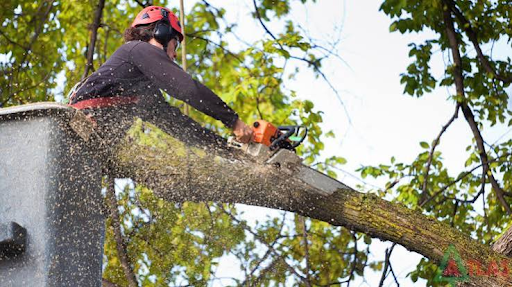
Step 3: Strategic cutting. Using chainsaws and, in tighter spaces, cranes or rigging systems, the crew removes the tree in sections or fells it in one controlled motion, depending on the space available.
Step 4: Stump removal and cleanup. Once the tree is down, the stump can be ground down or fully extracted, and all debris is cleared from the property.
This process requires precision. A single miscalculation can send a falling tree into a house, power line, or neighboring property, which is exactly why this work shouldn’t be left to amateurs or inexperienced DIYers.
The Real Risks of DIY Tree Removal
It’s tempting to save money by tackling tree removal yourself, especially for a tree that doesn’t look too large. But even medium-sized trees carry serious risk without the right training and equipment.
Chainsaw accidents, falling limbs, and electrocution from nearby power lines account for thousands of injuries every year. Add in the unpredictability of how a tree will fall once cut, and the risks multiply quickly. Professional crews carry insurance, use proper rigging techniques, and understand load distribution in ways that make the job far safer.
There’s also the question of property damage. A tree that falls the wrong way can crush a fence, a roof, or a parked car in seconds. Hiring trained professionals dramatically reduces that likelihood.
How Weather and Seasons Affect Tree Health
Seasonal changes play a bigger role in tree health than most people realize. Heavy winter snow can snap weakened branches, while spring storms often expose root instability that wasn’t visible before. Summer droughts stress trees, making them more susceptible to disease and pest infestations, and fall is typically the best time to assess overall tree health before winter sets in.
Regular inspections throughout the year — particularly after major storms — can catch problems early, before a tree becomes an emergency situation.
Why Choose Art’s Tree Service for Your Next Project?
Tree removal that protects your property while giving you lasting peace of mind is exactly what Art’s Tree Service delivers on every job. Our team combines years of hands-on experience with the right equipment to handle everything from small ornamental trees to massive, storm-damaged oaks.
We understand that every property is different. A tree removal job in a tight urban backyard requires a completely different approach than clearing a large tree on an open rural lot. That’s why we start every project with a thorough assessment, walk you through the plan, and provide transparent pricing before any work begins.
Beyond removal, our team also handles stump grinding, trimming, and ongoing tree health assessments to help you avoid future problems altogether. We treat every property like it’s our own, which means careful cleanup, respect for your landscaping, and a commitment to doing the job right the first time.
Customer safety and satisfaction drive everything we do. From the first phone call to the final cleanup, our goal is to make the process as smooth and stress-free as possible.
Ready to Take the Next Step?
Trees rarely give much warning before they become a hazard. If you’ve noticed any warning signs on your property, or you simply want peace of mind about a tree that’s been on your radar for a while, reaching out to a professional team is the smartest move you can make.
Art’s Tree Service is ready to help you assess your property, answer your questions, and provide a safe, efficient solution tailored to your needs. Don’t wait for a storm to decide for you — get in touch today and let our experienced crew handle the heavy lifting.