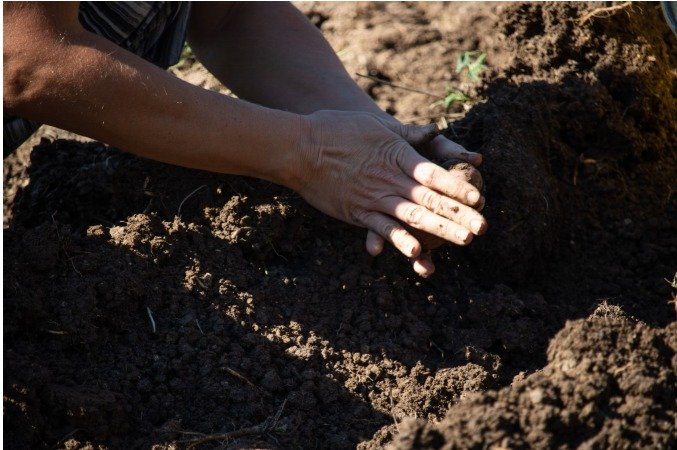
Houston generates more than 8,000 tons of municipal solid waste every day. A significant portion of that—roughly 30%—is organic material that could be composted instead of buried in landfills. As the city continues to expand, the strain on waste infrastructure grows, and so does the urgency to find sustainable alternatives. Composting offers one of the most practical solutions: it diverts waste, reduces methane emissions, enriches soil, and supports urban agriculture in a region where green space is increasingly valuable.
This shift isn’t just theoretical. Across Houston, residents and businesses are beginning to adopt composting practices that deliver measurable environmental and health benefits. From curbside collection services to drop-off programs at local recycling centers, the infrastructure is evolving. This article examines how composting works in an urban context, what services are available to Houstonians, and how emerging technologies and regional expansion efforts are shaping the future of organic waste management in Southeast Texas.
Why Composting Matters in Urban Environments
Composting transforms organic waste—food scraps, yard trimmings, and other biodegradable materials—into nutrient-rich soil amendments. In a dense urban area like Houston, this process plays a critical role in waste reduction. When organic matter decomposes in a landfill, it produces methane, a greenhouse gas with a warming potential more than 25 times greater than carbon dioxide over a 100-year period, according to the Environmental Protection Agency.
By diverting organic waste from landfills, composting helps mitigate climate impact while addressing several other environmental challenges:
- Waste Volume Reduction: Composting decreases the amount of material sent to landfills, which are nearing capacity in many regions.
- Soil Health Improvement: Finished compost restores organic matter to soil, improving water retention, reducing erosion, and supporting plant growth without synthetic fertilizers.
- Carbon Sequestration: Healthy soil acts as a carbon sink, capturing atmospheric CO₂ and storing it in organic matter.
In Houston, where heat, humidity, and sprawl create unique environmental pressures, composting offers a scalable way to manage waste while improving urban resilience. The practice aligns with broader sustainability goals and provides tangible benefits to both public health and local ecosystems.
Health and Environmental Benefits for Houston Residents
Composting delivers benefits that extend beyond waste management. For Houston residents, participation in composting programs contributes to cleaner air, healthier soil, and stronger local food systems. These outcomes are especially relevant in a city where air quality concerns and urban heat islands are persistent challenges.
Key benefits include:
- Reduced Air Pollution: Diverting organic waste from landfills decreases methane emissions, which contribute to smog formation and respiratory issues.
- Soil Enrichment: Compost adds essential nutrients back into the soil, reducing the need for chemical fertilizers that can leach into waterways and harm aquatic ecosystems.
- Economic Opportunity: The composting sector creates jobs in collection, processing, and distribution, supporting local economic development.
- Community Engagement: Composting programs foster environmental awareness and encourage collective action toward sustainability goals.
Urban composting initiatives can reduce greenhouse gas emissions while improving soil quality in metropolitan areas. For Houston, these benefits are amplified by the city’s size and the volume of organic waste generated daily.
How Curbside Compost Collection Works
For residents who want to compost but lack the space or time to manage a backyard bin, curbside collection services offer a convenient alternative. These programs work similarly to traditional recycling: subscribers receive a bin for organic waste, which is collected on a regular schedule and transported to a processing facility.
Here’s how the process typically unfolds:
- Subscription Enrollment: Residents sign up for a service and receive a designated bin for food scraps, yard waste, and other compostable materials.
- Scheduled Pickup: Collection occurs weekly or biweekly, depending on the provider, eliminating the need for residents to transport waste themselves.
- Processing and Distribution: Collected materials are taken to a composting facility where they are processed into finished compost, which is often sold or donated to local farms and gardens.
Houston households have a few ways to get started, whether that’s a pickup bucket from Moonshot Compost, a subscription through Happy Earth Compost, or a mail-in setup from Bootstrap Compost. Whichever route you pick, the main habit change is separating food scraps from the trash.
These services not only reduce the burden on landfills but also educate participants about the environmental impact of their waste. By making composting accessible, curbside programs help normalize sustainable behavior across diverse neighborhoods.
Utilizing Local Recycling Centers for Composting
Local recycling centers play a vital role in Houston’s composting ecosystem. These facilities provide drop-off locations for residents who prefer to manage their own collection schedules or who generate larger volumes of organic waste. Many centers also offer educational resources, workshops, and community events focused on sustainability.
Residents can use these centers effectively by following a few best practices:
- Review the center’s guidelines for accepted materials, as not all organic waste may be suitable for composting.
- Sort and clean materials before drop-off to ensure they meet facility standards and avoid contamination.
- Stay informed about operational changes, seasonal hours, or special collection events.
To locate a nearby recycling center, residents can search online using terms like “composting drop-off Houston” or contact the city’s Solid Waste Management Department for a list of participating facilities. Community composting programs are expanding across the U.S., driven by increased public awareness and municipal support.
By actively engaging with these centers, Houstonians contribute to a circular waste economy that prioritizes resource recovery over disposal.
Emerging Technologies in Composting
Advances in composting technology are transforming how cities manage organic waste. New systems are faster, more efficient, and better suited to urban environments where space and odor control are critical concerns. These innovations are helping Houston and other cities scale their composting efforts without compromising quality or public acceptance.
Notable developments include:
- Accelerated Decomposition Systems: Modern composting equipment uses controlled aeration, temperature regulation, and microbial inoculants to speed up the breakdown of organic matter, reducing processing time from months to weeks.
- Automated Monitoring: Sensors track moisture, temperature, and oxygen levels in real time, optimizing conditions for microbial activity and minimizing odors.
- Compact Urban Designs: Smaller, modular composting units allow facilities to operate in densely populated areas without requiring large land parcels.
These technologies improve the efficiency of local composting services by reducing labor costs, increasing throughput, and minimizing environmental nuisances. Technological advancements are critical for cities aiming to meet ambitious waste diversion targets while maintaining public support.
For Houston, adopting these innovations could significantly expand the city’s capacity to process organic waste, making composting a more viable option for a broader range of residents and businesses.
Expanding Composting Efforts to Kyle, TX
While Houston has made strides in composting infrastructure, nearby communities like Kyle, TX, are just beginning to explore similar programs. Expanding composting efforts to smaller cities offers environmental and economic benefits that mirror those seen in larger urban areas, but with unique opportunities for community engagement and localized impact.
Starting a composting program in Kyle involves several key steps:
- Community Education: Inform residents about the benefits of composting through workshops, social media campaigns, and partnerships with local schools.
- Site Selection: Identify accessible locations for drop-off centers or processing facilities, considering proximity to residential areas and transportation routes.
- Partnerships: Collaborate with local businesses, environmental organizations, and municipal governments to secure funding and logistical support.
- Resource Distribution: Provide compost bins, instructional materials, and ongoing support to encourage participation.
The EPA offers detailed guidance on launching community composting programs, including best practices for site management, regulatory compliance, and public outreach. By following these steps, Kyle can develop a composting program that reduces waste, enriches local soil, and fosters a culture of environmental stewardship.
Making Composting Accessible Through Curbside Services
Curbside compost services represent one of the most effective ways to increase participation in composting programs. By removing logistical barriers—such as transportation and storage—these services make it easy for busy residents to contribute to waste reduction efforts without significant time or effort.
Advantages of curbside composting include:
- Convenience: Residents simply place organic waste in a designated bin for regular pickup, similar to trash and recycling collection.
- Higher Participation Rates: Accessibility encourages more households to participate, amplifying the environmental impact.
- Consistent Waste Diversion: Regular collection ensures that organic waste is consistently diverted from landfills, reducing methane emissions and extending landfill capacity.
In Houston, several providers offer curbside composting tailored to residential and commercial customers. These services not only support the city’s sustainability goals but also provide a practical solution for households that lack the space or resources to compost on-site.
By engaging with curbside composting services, residents play a direct role in reducing Houston’s environmental footprint while contributing to healthier soil and cleaner air across the region.