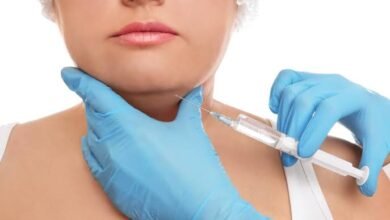
If you’re considering a cosmetic treatment, polished before-and-after photos and catchy procedure names can make booking seem simple. Start by understanding what medspas do, how plans are developed, and what makes a provider trustworthy. In Winston-Salem, as in any community with growing aesthetic options, assessing your choices can help you avoid unnecessary procedures and preventable complications.
What a medspa actually does
A medspa operates between a traditional day spa and a medical practice. Services may include injectables, laser procedures, microneedling, chemical peels, body contouring, and medical-grade skin care.
These services are not interchangeable with ordinary relaxation treatments. Outcomes depend on your history, skin condition, product selection, technique, and aftercare. A responsible provider asks about medications, allergies, previous procedures, sun exposure, and goals.
Similar-sounding treatments can work differently
Online descriptions can make procedures seem interchangeable, but their purposes and techniques differ. Botulinum toxin injections temporarily reduce the activity of selected muscles; dermal fillers add or restore volume. Laser resurfacing removes or alters targeted skin layers, while intense pulsed light uses broad-spectrum light for selected concerns. Standard microneedling creates controlled micro-injuries, whereas radiofrequency microneedling also delivers heat.
Technical details matter. Laser wavelength, energy, and pulse duration influence which structures are targeted. With injectables, product choice, placement, dose, and knowledge of facial anatomy affect both appearance and safety. Chemical peels vary by ingredient, concentration, depth, preparation, and neutralization.
If you’re comparing a medspa in Winston-Salem, look beyond its service menu. Assess the team’s evaluation, practitioner qualifications, medical oversight, and willingness to tailor recommendations.
Why the consultation matters
Expect questions about active skin conditions, previous cosmetic procedures, medications such as isotretinoin, pregnancy, allergies, and any history of abnormal scarring. Your skin tone and risk of post-inflammatory hyperpigmentation also matter.
Listen for realistic explanations. A qualified professional should discuss likely benefits, limitations, risks, downtime, the number of sessions, and maintenance. No treatment guarantees perfect skin or instant results.
The American Academy of Dermatology offers useful questions to ask before a cosmetic procedure, including questions about experience, suitability, expected results, risks, recovery, and cost.
Set goals before following trends
Aesthetic trends change quickly. Glass skin, lip flips, sharply defined jawlines, preventative injections, and new facial add-ons may dominate social media for a while. Popularity does not establish suitability or strong evidence.
Start by identifying the concern you actually want to address. Is it persistent redness, acne, uneven pigmentation, fine lines, or textural scarring? The right approach depends on the cause, skin condition, cost, and recovery.
For example, aggressive resurfacing may be inappropriate when the skin barrier is irritated. Filler may not be the right first step for someone whose main concern is skin texture. A careful provider should explain alternatives, including doing nothing or seeking a medical dermatology assessment.
Skin tone and recovery deserve attention
Skin does not respond identically to every procedure. People with darker skin tones may face a higher risk of post-inflammatory pigmentation after certain peels, lasers, or energy-based treatments, particularly when settings and technique are not selected carefully. These procedures are not automatically unsuitable, but experience across skin tones matters.
Ask whether the provider has treated patients with skin similar to yours and what precautions they use. Discuss your history of dark marks after acne, irritation, or minor injuries. Sun protection and aftercare are essential.
Outdoor activity, heat, sweating, makeup, and active skin-care ingredients may affect when you should schedule treatment and how you recover. Ask for clear instructions about cleansing, exercise, sun exposure, and when to restart products such as retinoids or exfoliating acids. Request written instructions and keep them available throughout your recovery period afterward.
Questions that help you assess safety
Confirm the practitioner’s training, licensing, and experience. Ask who supervises the procedure and handles complications. The person selling the treatment may not be the person administering it, so clarify roles in advance.
Ask whether you are a suitable candidate, what side effects are common, what warning signs require urgent attention, and what follow-up is included. Find out which products or devices will be used and whether the provider can explain their risks and limitations in plain language.
For laser and energy-based procedures, the patient safety guidance for cosmetic laser treatments outlines practical questions about practitioner qualifications, risks, recovery, and aftercare. Vague answers, pressure, and guarantees are reasons to pause.
Price is only one part of value
A low advertised price can be tempting, but the cheapest option is not necessarily the best value. Poor technique, unsuitable treatment settings, counterfeit products, or inadequate aftercare can lead to complications and additional costs.
A high price does not guarantee safety or effectiveness. Compare what the quoted price includes: consultation, product or device fees, follow-up visits, and any likely additional sessions. Ask for an itemized estimate and take time to consider it.
Be cautious about packages that encourage you to purchase several procedures before your skin has been assessed. A sensible plan may be staged, with time to evaluate how you respond before deciding whether another treatment is necessary.
Good results often take patience
Many aesthetic treatments produce gradual rather than instant changes. Neuromodulators take time to settle, pigment concerns may require several sessions, and collagen remodeling develops over weeks or months. Recovery also varies by procedure and individual.
A careful provider may recommend a conservative first treatment and reassess before making adjustments. That approach can reduce the temptation to overcorrect and gives you a chance to evaluate the result realistically.
The smartest booking decision is not necessarily the trendiest procedure or the earliest available appointment. It is choosing a qualified professional who listens, explains uncertainty, respects your goals, and puts safety ahead of sales. Proceed only when you understand what the treatment can and cannot do.