Fat Dissolving Injections: Understanding the Treatment, Benefits, Procedure, and Expected Results

Achieving a more defined body shape is a common aesthetic goal for people who want to improve their appearance and feel more confident. Even with regular exercise and a balanced diet, certain areas of the body may retain small pockets of stubborn fat that are difficult to reduce. These areas can include the chin, jawline, abdomen, thighs, upper arms, and other regions where localized fat deposits tend to accumulate. Advances in aesthetic medicine have introduced several non-surgical treatments designed to address these concerns, giving individuals additional options beyond traditional surgical procedures. Among these treatments, fat dissolving injections have attracted attention because they are designed to target localized fat deposits without requiring conventional surgery.
These injectable treatments are generally intended for carefully selected areas rather than overall weight reduction. They work by using specific substances that damage fat cells, allowing the body to gradually process and remove the affected cellular material. Although the treatment may offer improvements in selected areas, results depend on the product used, treatment location, individual anatomy, and professional assessment. Understanding the procedure, potential benefits, limitations, safety considerations, and recovery process is important before making an informed decision. A qualified medical professional can determine whether this approach is appropriate and explain what results may realistically be expected.
Understanding How Fat Dissolving Injections Work
Fat dissolving injections are non-surgical cosmetic treatments designed to reduce small, localized fat deposits beneath the skin. Unlike general weight-management approaches, which aim to influence overall body weight, these treatments focus on specific areas where unwanted fat remains noticeable.
Some injectable formulations contain deoxycholic acid or related substances that affect the structure of fat cells. Deoxycholic acid is a naturally occurring molecule involved in the body’s processing of dietary fat. In approved medical formulations, it is used to target fat cells in specific treatment areas.
Once the injectable substance is administered by a qualified medical professional, it causes controlled damage to targeted fat cells. The body’s natural inflammatory and clearance processes then gradually remove the affected cellular material. This process takes time, meaning visible changes generally develop over several weeks rather than immediately after treatment.
It is important to understand that different injectable products are not necessarily interchangeable. Their ingredients, regulatory approvals, treatment indications, and safety profiles can vary. A product approved for a particular anatomical area should not automatically be assumed suitable for other parts of the body.
Why People Consider Injectable Fat Reduction Treatments
Localized fat deposits can sometimes remain noticeable despite maintaining healthy lifestyle habits. Genetics, age, hormonal changes, and individual fat distribution patterns all influence where the body stores fat. Consequently, two people with similar body weights may have very different body shapes.
Some individuals consider injectable fat reduction because they want to improve the appearance of a particular area without undergoing an invasive surgical procedure. Others may prefer a treatment that does not require general anesthesia or an extended surgical recovery period.
The treatment is generally intended for localized contouring rather than substantial weight loss. It does not replace healthy eating, regular physical activity, or medical treatment for obesity. People considering the procedure should understand that cosmetic improvement and overall health are different goals.
A medical consultation is essential because not every visible fullness is caused by excess fat. Skin laxity, swelling, muscle structure, fluid retention, and other anatomical factors can influence the appearance of an area. Identifying the actual cause helps determine whether injectable treatment is appropriate.
Common Treatment Areas and Their Suitability
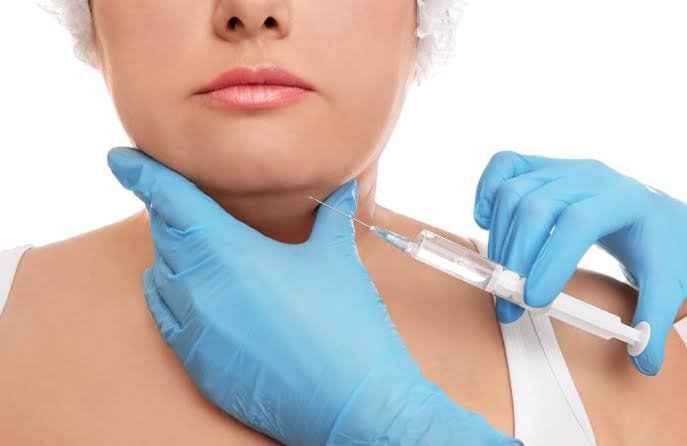
The suitability of injectable fat reduction depends heavily on the specific product and its approved medical indications. One of the best-known uses of deoxycholic acid is the reduction of moderate to severe submental fat, commonly described as a double chin.
The area beneath the chin can influence the appearance of the jawline and lower face. For appropriately selected patients, treatment may help reduce fullness and create a more defined profile. However, skin elasticity and facial anatomy must be considered because reducing fat does not necessarily correct loose skin.
Other body areas are sometimes advertised for injectable fat reduction, including the abdomen, thighs, upper arms, and flanks. However, the evidence, regulatory status, and safety of products used in these areas vary considerably. A treatment established for the chin should not be assumed safe or effective for other body regions.
Patients should be cautious about clinics that promise dramatic body transformation through injections or advertise one formulation as suitable for every area. A responsible practitioner will explain which products are appropriate for the proposed treatment and whether their use is officially authorized.
Potential Benefits of Fat Reduction Injections
One reason these treatments attract interest is that they offer a non-surgical approach to localized contouring. For suitable patients, treatment may provide several practical advantages compared with more invasive procedures.
- Non-surgical approach: Approved injectable treatments do not require traditional surgical incisions or the removal of fat through liposuction.
- Targeted treatment: The procedure focuses on a defined area rather than attempting to change overall body weight.
- Gradual improvement: Changes develop over time as the body processes affected fat cells.
- No general anesthesia for standard treatment: Approved submental treatments are generally performed using local measures rather than general anesthesia.
- Limited interruption to daily activities: Some individuals can resume ordinary activities relatively quickly, although swelling and bruising may temporarily affect appearance.
- Long-lasting effects in treated fat cells: Fat cells successfully destroyed by treatment do not regenerate in the same way, although remaining fat cells can enlarge with weight gain.
These potential advantages should always be considered alongside the risks, limitations, and possibility of incomplete results.
What Happens During a Professional Consultation?
A medical consultation is one of the most important stages before undergoing any injectable cosmetic treatment. During this appointment, the practitioner evaluates the treatment area, reviews medical history, discusses expectations, and determines whether the proposed procedure is appropriate.
The assessment may include examining skin elasticity, the amount and location of localized fat, previous cosmetic procedures, and any existing medical conditions that could affect treatment suitability.
The practitioner should also explain the exact product being considered, including its ingredients, intended treatment area, regulatory status, expected benefits, and possible adverse effects. Patients should receive clear information about alternatives, including choosing no treatment.
Medical history is particularly important because certain conditions, medications, previous procedures, and anatomical factors may increase the risk of complications. Pregnancy, breastfeeding, active infections, swallowing difficulties, and certain underlying conditions may require treatment to be postponed or avoided, depending on the product and clinical circumstances.
Patients should never feel pressured to proceed immediately. Taking time to review the information and ask questions is an important part of making a safe and informed decision.
Understanding the Treatment Procedure
The procedure varies according to the injectable product, treatment area, and clinical protocol. For approved submental deoxycholic acid treatment, a qualified medical professional first assesses and marks the treatment area according to the manufacturer’s instructions.
The skin is cleaned, and appropriate measures are taken to improve comfort and maintain hygiene. The practitioner then administers the product using the approved clinical technique and dosage protocol.
The treatment session generally takes a relatively short amount of time, although preparation and post-treatment assessment add to the appointment. The number of sessions required depends on the individual’s anatomy, treatment response, and the product’s approved treatment guidelines.Patients may experience temporary sensations such as tenderness, burning, swelling, or discomfort. These effects can vary between individuals.
Because the area beneath the chin contains important nerves, blood vessels, and other anatomical structures, treatment requires detailed knowledge of facial anatomy. Improper injection placement can cause significant complications, making qualified medical administration essential.
Recovery and What to Expect After Treatment
Recovery following injectable fat reduction varies depending on the product, treatment area, and individual response. Swelling is one of the most noticeable temporary effects, particularly following approved treatment beneath the chin.
Other possible effects include redness, bruising, tenderness, firmness, numbness, and temporary discomfort. These reactions generally improve gradually, although the duration can differ between patients.
Some individuals may notice visible swelling for several days or longer. It is important to follow the treating professional’s aftercare instructions rather than relying on generalized advice from social media or online advertisements.
Patients should avoid manipulating the treated area unless specifically instructed by their practitioner. Any recommended activity restrictions, medication guidance, and follow-up appointments should be discussed individually.
Severe or worsening pain, unusual skin discoloration, signs of infection, difficulty swallowing, or facial muscle weakness require prompt medical assessment. Difficulty breathing or another serious allergic reaction requires emergency medical attention.
Possible Side Effects and Safety Considerations
Although injectable cosmetic treatments are often marketed as convenient alternatives to surgery, they are not risk-free. Understanding possible adverse effects is essential before deciding whether to proceed.
Common side effects may include:Swelling and tenderness around the injection area.Bruising and redness.Temporary numbness or altered sensation.Firmness or small areas of swelling beneath the skin.Local discomfort or sensitivity.
Less common but more serious complications can occur. These may include infection, tissue injury, skin ulceration, nerve damage, and difficulty swallowing. When deoxycholic acid is administered incorrectly in the submental area, injury to the marginal mandibular nerve may cause an uneven smile or facial muscle weakness.
The risk of complications depends on the treatment product, injection technique, anatomical location, and practitioner’s qualifications. Unregulated products and injections performed by untrained individuals create additional safety concerns.
Patients should ask about the product’s authenticity, regulatory approval, storage conditions, and the practitioner’s medical credentials. A legitimate clinical setting should provide clear information about risks and appropriate follow-up care.
How Long Does It Take to See Visible Results?
Unlike some cosmetic procedures that produce an immediate visible change, injectable fat reduction generally involves a gradual process. The body needs time to respond to the treatment and clear the affected fat cells.
Some individuals may begin noticing changes after several weeks, while others require a longer period before improvements become apparent. The timeline depends on the product, treatment area, individual metabolism, and extent of localized fat.
Results should be evaluated after sufficient recovery time rather than immediately following the appointment. Temporary swelling can initially make the treated area appear larger, which may be confusing for people expecting instant improvement.
Before-and-after photographs taken under consistent lighting and positioning can help provide a more realistic comparison. However, patients should remember that individual outcomes vary and that photographs used in advertisements may not represent typical results.A qualified practitioner can explain when results should be assessed and whether additional treatment is appropriate according to the product’s approved protocol.
Factors That Influence the Overall Cost of Treatment
The cost of injectable fat reduction varies according to several factors, including the product used, treatment area, number of sessions, practitioner qualifications, and clinic standards.
The amount of product required may influence the total price, particularly when multiple sessions are considered. However, choosing a clinic based entirely on the lowest advertised cost can be risky because product authenticity, medical supervision, and appropriate injection techniques are essential.
Consultation charges, follow-up appointments, and additional clinical assessments may also affect the overall expense. Patients should request a clear breakdown before agreeing to treatment.
It is also important to distinguish between approved products and unregulated injectable formulations. A significantly cheaper treatment may involve a product with uncertain ingredients, inadequate quality control, or no established safety evidence.A responsible provider should explain the expected treatment plan and total anticipated cost without guaranteeing unrealistic results.
Fat Dissolving Injections Compared With Liposuction
Injectable fat reduction and liposuction are different procedures designed for different circumstances. Although both aim to reduce localized fat, their methods, treatment capacity, recovery requirements, and risks are not the same.
Liposuction is a surgical procedure that physically removes fat through specialized equipment. It can address larger areas and may be appropriate for individuals who require more substantial body contouring.
Injectable treatments are generally intended for smaller, localized deposits. They do not provide the same level of fat removal as surgery and may require multiple appointments to achieve the intended improvement.
Liposuction involves surgical risks, anesthesia considerations, and a recovery period that may be more extensive. Injectable treatments avoid conventional surgical fat removal but still carry medical risks, including swelling, nerve injury, and tissue damage.Neither approach is suitable for everyone. A qualified medical professional can explain the available options according to the individual’s anatomy, health, expectations, and treatment goals.
Maintaining Results Through Healthy Lifestyle Habits
Although injectable treatments may permanently destroy some targeted fat cells, they do not prevent remaining fat cells from increasing in size. Significant weight fluctuations can therefore affect the appearance of the treated area over time.
Maintaining a balanced diet, participating in regular physical activity, getting sufficient sleep, and following sustainable health habits can support long-term body composition.
It is also important to maintain realistic expectations. Injectable fat reduction is not a substitute for comprehensive weight management, and it cannot correct every concern related to body shape or skin appearance.
People who are already close to their preferred body weight may be better candidates for localized contouring than those seeking substantial overall weight reduction. However, suitability must always be determined through individual medical assessment.
How to Choose a Qualified Provider for Injectable Fat Reduction
Selecting the right medical professional is one of the most important decisions when considering an injectable cosmetic procedure. The practitioner’s qualifications, experience, product knowledge, and understanding of anatomy directly influence treatment safety.
Before choosing a clinic, consider the following factors:Medical qualifications: Confirm that the practitioner has appropriate medical training and authorization to perform the proposed treatment.Product authenticity: Ask for the exact product name, manufacturer, ingredients, and relevant regulatory information.Treatment experience: Discuss the practitioner’s experience with the specific product and anatomical area.Transparent consultation: A reliable provider should explain expected outcomes, limitations, and possible complications.Clinical hygiene: The facility should follow appropriate infection-control and sterile handling procedures.Aftercare support: Confirm that follow-up appointments and medical assistance are available if complications develop.
Be cautious of providers who promise guaranteed results, advertise extremely low prices, or recommend injecting products into multiple body areas without a proper medical assessment.
A trustworthy medical professional will prioritize patient safety and provide realistic recommendations rather than encouraging unnecessary procedures.
Final Thoughts on Making an Informed Decision About Fat Reduction Treatments
Fat dissolving injections offer a non-surgical option for addressing certain localized fat deposits, particularly when an individual wants to improve a specific area without undergoing conventional surgery. Their effectiveness depends on the formulation, approved treatment indication, individual anatomy, and professional administration.
Understanding the procedure, possible side effects, recovery expectations, and limitations is essential before making a decision. Although the treatment may provide lasting improvements in appropriately selected areas, it is not designed for general weight loss and cannot replace healthy lifestyle habits.
The most important step is consulting a qualified medical professional who can evaluate individual suitability, explain available alternatives, and discuss the risks associated with the specific injectable product. Choosing an appropriately regulated treatment and an experienced practitioner helps reduce avoidable complications.
Ultimately, cosmetic treatments should support realistic personal goals while prioritizing health, safety, and informed decision-making. A carefully considered approach can help individuals understand their options and decide whether injectable fat reduction is appropriate for their needs.