Sewer Cleanup: Essential Solutions for Removing Sewage, Restoring Properties, and Protecting Health


Sewage problems can create serious challenges for homeowners and business owners, especially when contaminated wastewater enters indoor spaces and damages valuable property. A sewer backup can happen unexpectedly because of clogged drainage pipes, broken sewer lines, excessive rainfall, tree root intrusion, or plumbing system failures. Apart from creating unpleasant odors and visible mess, sewage can introduce harmful bacteria, viruses, and other contaminants into living and working environments. If these problems are not handled properly, they can affect indoor air quality, damage building materials, and create potential health risks for occupants. Professional sewer cleanup is therefore an essential service for restoring contaminated properties and preventing further damage. A proper cleanup process involves identifying the source of the problem, removing wastewater, disposing of contaminated materials, disinfecting affected surfaces, and drying the property thoroughly. Understanding how sewage problems develop and how they should be addressed can help property owners make informed decisions and protect their buildings from long-term damage.
Understanding the Causes of Sewer Backups and Drainage Problems
Sewer backups occur when wastewater cannot move through the drainage system as intended and begins returning through toilets, sinks, floor drains, or other plumbing fixtures. A properly functioning sewer system transports wastewater away from residential and commercial properties through connected drainage pipes. However, different obstructions and structural problems can interfere with this process, causing wastewater to accumulate and eventually overflow into indoor or outdoor areas. One of the most common causes is the buildup of grease, soap residue, food particles, hair, and other debris inside plumbing lines. These materials gradually restrict water movement and may eventually create a complete blockage.
Tree roots can also cause significant sewer problems because they naturally grow toward moisture sources. Small cracks or loose joints in underground pipes may allow roots to enter the drainage system, where they can expand and trap debris. Over time, this growth may cause severe obstructions or structural damage that prevents wastewater from flowing freely. Older pipes, shifting soil, corrosion, poor installation, and damaged connections can also contribute to sewer failures. In addition, heavy rainfall may overwhelm drainage infrastructure, particularly when stormwater systems are unable to manage unusually large amounts of water. Identifying the actual cause of a sewer backup is essential because removing wastewater without correcting the underlying issue may only provide temporary relief.
Warning Signs That Your Property Needs Professional Attention
Recognizing the early symptoms of sewer problems can help prevent extensive contamination and costly restoration work. One of the most common warning signs is slow drainage across multiple plumbing fixtures. If toilets, showers, and sinks begin draining slowly at approximately the same time, the problem may involve the main sewer line rather than an individual drain. Gurgling sounds coming from toilets or floor drains can also indicate restricted wastewater movement. These sounds often occur when air becomes trapped inside plumbing pipes because of a blockage or drainage problem.
Unpleasant sewage odors are another indication that something may be wrong with the plumbing system. Persistent foul smells around bathrooms, kitchens, basements, or outdoor drainage areas should never be ignored. Water appearing unexpectedly around floor drains or toilets may indicate that wastewater is backing up through the plumbing network. Other warning signs include repeated toilet overflows, unexplained wet patches in the yard, and unusually green grass above underground sewer lines. In some cases, damaged sewer pipes may cause soil movement or water accumulation around the property. When these symptoms occur, professional inspection can help locate the source and determine the most appropriate solution before the situation becomes more serious.
Why Immediate Sewage Removal Is Important for Property Protection
Sewage contamination requires immediate attention because wastewater can contain microorganisms and substances that may create health and sanitation concerns. Unlike ordinary water leaks, sewage incidents introduce potentially harmful contaminants that can spread across floors, walls, furniture, carpets, and personal belongings. Even after visible water has disappeared, contaminated residue may remain on surfaces and inside absorbent building materials. This makes proper cleaning and disinfection necessary before affected spaces can safely return to normal use.
Delaying restoration can also increase structural damage. Materials such as carpet padding, drywall, insulation, and untreated wood can absorb wastewater and retain moisture for extended periods. Prolonged exposure may weaken these materials and create favorable conditions for mold development. Contaminated furniture and household belongings may also become difficult to restore if they remain exposed for too long. Professional restoration teams use appropriate extraction equipment and sanitation procedures to control contamination and limit additional damage. Acting quickly can help reduce restoration expenses, protect valuable belongings, and prevent sewage-related problems from spreading into unaffected rooms.
Health Hazards Associated With Sewage Contamination
Sewage may contain bacteria, viruses, parasites, and other biological contaminants that can affect human health. Exposure can occur through direct skin contact, accidental ingestion, or contact with contaminated surfaces. Depending on the organisms present and the level of exposure, individuals may experience gastrointestinal illness, skin irritation, eye irritation, or other infections. Contaminated environments can be especially concerning for children, older adults, pets, and people with weakened immune systems.
Another important concern is the possibility of spreading contamination through everyday activities. Walking through sewage-contaminated areas can transfer harmful residue to shoes and other surfaces. Handling affected belongings without suitable protection may also increase exposure. For these reasons, occupants should avoid entering contaminated spaces unnecessarily and should keep children and pets away until appropriate cleaning and disinfection have been completed. Anyone who develops symptoms after suspected sewage exposure should seek medical advice. Professional cleanup specialists understand how to manage biological contamination and use suitable protective equipment to reduce unnecessary exposure during restoration work.
How Professional Sewer Cleanup Services Restore Damaged Properties
Professional restoration involves a structured process designed to remove wastewater, eliminate contamination, and return affected areas to a suitable condition. The first step is a detailed inspection to understand the source and extent of the sewage incident. Technicians examine affected rooms, identify contaminated materials, and determine whether wastewater has entered concealed spaces such as wall cavities, crawl spaces, or areas beneath flooring. This assessment helps establish the cleaning requirements and identifies materials that may need to be removed.
Once the inspection is complete, the affected area is isolated as necessary to prevent contamination from spreading. Standing wastewater is then extracted using suitable pumps, commercial extraction equipment, and specialized tools. After the visible water has been removed, technicians collect contaminated debris and evaluate the condition of affected building materials. Items that cannot be safely restored may need to be discarded according to applicable disposal requirements. Remaining surfaces undergo thorough cleaning to remove organic residue before suitable disinfectants are applied. The final stages may include moisture control, structural drying, odor treatment, and follow-up inspections. This comprehensive approach helps address both visible damage and contamination that may otherwise remain hidden.
The Importance of Protective Equipment During Sewage Restoration
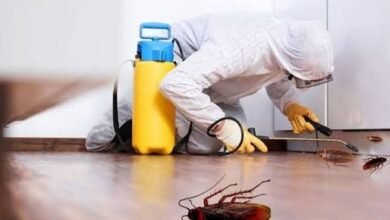
Working in a sewage-contaminated environment without appropriate protection can expose individuals to harmful microorganisms and hazardous materials. Professional restoration technicians use personal protective equipment according to the type and severity of contamination. Common protective items include waterproof gloves, protective clothing, suitable boots, eye protection, and appropriate respiratory protection. These items help reduce direct contact with wastewater, contaminated debris, and particles that may become disturbed during cleanup activities.
Using protective equipment correctly is just as important as having it available. Workers must follow proper procedures when removing gloves and protective clothing to avoid transferring contaminants to clean areas. Reusable equipment should also be cleaned and disinfected appropriately before being used again. Ordinary household cleaning gloves may not provide sufficient protection during extensive sewage incidents. Property owners should therefore avoid attempting complicated cleanup work without understanding the associated hazards. Hiring trained professionals is particularly important when sewage has spread across multiple rooms, entered concealed structural areas, or affected materials that require specialized handling.
Removing Contaminated Water and Damaged Building Materials
Removing wastewater is a major part of the restoration process, but effective cleanup requires additional attention to materials that have absorbed contaminated moisture. Carpets, rugs, mattresses, upholstered furniture, insulation, and certain types of flooring can retain sewage beneath their visible surfaces. Depending on the contamination level and material condition, these items may not be suitable for restoration. Attempting to clean heavily contaminated porous materials without appropriate procedures can leave harmful residue behind.
Nonporous surfaces, including certain tiles, sealed concrete, and suitable plastic materials, may often be cleaned and disinfected effectively. However, absorbent materials may require removal to prevent ongoing contamination and moisture problems. Technicians may need to remove sections of drywall, carpet padding, damaged flooring, or insulation to reach concealed areas. This process should be performed carefully to prevent contaminated dust and debris from spreading throughout the property. Removed materials must also be handled and disposed of safely. A professional assessment helps determine which belongings can be restored and which should be replaced to maintain proper sanitation.
Deep Cleaning and Disinfection for Complete Sanitation
Once standing sewage and contaminated materials have been removed, affected surfaces must undergo thorough cleaning and disinfection. Cleaning is intended to remove visible dirt, organic residue, and other unwanted materials, while disinfection helps reduce harmful microorganisms on compatible surfaces. Both stages are important because applying disinfectant over heavy contamination may limit its effectiveness. Proper surface preparation allows cleaning and disinfecting products to work according to their intended purpose.
Different building materials require different cleaning techniques. Hard surfaces may tolerate appropriate disinfecting solutions, while delicate materials may require specialized treatments or removal. Technicians must consider product compatibility, ventilation, contact time, and manufacturer instructions during the process. Property owners should never mix household chemicals because combining certain cleaning products, including bleach and ammonia, can produce dangerous fumes. Professional technicians understand how to select suitable products and apply them safely. Thorough sanitation helps eliminate persistent contamination, reduce unpleasant odors, and make affected spaces more suitable for normal occupancy once the restoration process is complete.
Preventing Mold Growth After a Sewer Incident
Moisture management is an important part of sewage restoration because damp building materials can encourage mold growth. When wastewater enters drywall, insulation, carpeting, wooden flooring, or other absorbent surfaces, moisture may remain trapped even after visible water has been extracted. If these materials are not dried properly, mold may begin developing and create additional indoor environmental concerns. Persistent musty odors, surface discoloration, and visible growth can indicate a moisture-related problem, although mold may also develop in concealed areas.
Professional restoration specialists use equipment such as commercial dehumidifiers, air movers, and moisture meters to manage drying conditions. They monitor affected materials to determine whether moisture levels have returned to acceptable conditions. In situations involving extensive contamination, damaged materials may need to be removed rather than dried. It is important not to cover damp walls, reinstall flooring, or replace insulation before the affected structure has been properly evaluated. Controlling moisture after sewage damage reduces the likelihood of additional restoration work and helps protect the long-term condition of the building.
Sewer Line Inspection and Repairs to Prevent Recurring Damage
Cleaning contaminated areas without repairing the source of a sewer backup may leave the property vulnerable to another incident. If the problem involves a damaged, blocked, or collapsed sewer pipe, wastewater may continue backing up until the underlying plumbing defect has been corrected. Professional plumbers can use specialized diagnostic equipment, including sewer inspection cameras, to examine underground pipes and identify blockages, cracks, root intrusion, or structural deterioration. This technology allows technicians to evaluate pipe conditions without immediately excavating large sections of the property.
The appropriate repair method depends on the inspection findings. Some blockages can be removed through mechanical drain cleaning, while suitable pipes may benefit from professional hydro jetting. This method uses high-pressure water to clear certain types of buildup from the inside of drainage lines. However, the condition of the pipe must be assessed before this technique is used. Severely damaged sections may require replacement or more extensive repairs. Tree root intrusion may also require removal of the obstruction and correction of damaged pipe connections. Resolving the underlying plumbing issue is essential for preventing repeated contamination and protecting the property from future sewage damage.
Residential and Commercial Sewer Cleanup Requirements
Sewage problems can affect residential homes, apartment buildings, offices, restaurants, retail stores, and industrial facilities. Although the basic restoration principles remain similar, the requirements may vary according to the size of the property and the activities taking place inside it. In residential buildings, common affected areas include bathrooms, kitchens, laundry rooms, garages, and basements. Sewage entering these spaces can damage furniture, flooring, personal belongings, and household equipment. Families may also need to avoid certain areas temporarily while cleaning and restoration work is being completed.
Commercial properties may face additional challenges because contamination can interrupt business activities and affect employees, customers, and visitors. Restaurants and food-related businesses must pay particular attention to sanitation because sewage contamination can affect food preparation areas and other sensitive spaces. Offices and retail buildings may require coordinated restoration to minimize operational disruption while maintaining appropriate safety standards. Depending on the nature of the business, additional inspections or clearance procedures may be necessary before affected areas can reopen. Working with experienced restoration professionals helps businesses understand the extent of contamination, plan the necessary cleanup, and restore their facilities responsibly.
What Property Owners Should Do Immediately After a Sewer Backup
When sewage enters a property, protecting people should always come before attempting to save furniture or other belongings. Occupants should keep children and pets away from affected spaces and avoid walking through contaminated water. If wastewater has reached electrical outlets, appliances, extension cords, or wiring, the affected area may present an electrical hazard. Electricity should only be disconnected from a safe location, and a qualified electrician should be contacted when necessary. Nobody should enter a flooded area containing potentially energized electrical equipment.
Once the immediate safety concerns have been addressed, property owners should contact a qualified plumbing or restoration professional. Taking photographs of visible damage may help with documentation and insurance claims, provided they can be captured without entering dangerous areas. It is also useful to record when the incident occurred, which rooms were affected, and whether the plumbing system has experienced similar problems before. Contaminated belongings should not be moved through clean areas because doing so may spread wastewater residue. Property owners should review their insurance policies to understand the conditions and exclusions relating to sewage backup damage. Following professional recommendations can help prevent additional problems and make the restoration process more organized.
Effective Preventive Measures to Avoid Future Sewer Problems
Preventive maintenance plays an important role in reducing the risk of sewer backups and expensive plumbing emergencies. One of the simplest precautions is to avoid pouring cooking grease, oil, and food waste into sinks. These materials can accumulate inside drainage pipes and create stubborn blockages. Toilets should only be used for appropriate waste and toilet paper because wipes, sanitary products, paper towels, and similar materials may restrict wastewater movement even when some products are advertised as flushable.
Installing drain strainers in kitchen sinks, bathroom sinks, and showers can help prevent hair and larger particles from entering plumbing lines. Property owners should also arrange periodic inspections if their buildings have aging sewer pipes or a history of recurring drainage problems. Trees located near underground sewer lines should be monitored because their roots may eventually interfere with damaged or poorly sealed pipes. Maintaining outdoor drainage areas and addressing unusual wet patches can also help identify developing problems. Taking these preventive steps and arranging timely plumbing maintenance can reduce the possibility of unexpected sewer incidents and extend the useful life of drainage infrastructure.
Choosing the Right Sewer Restoration Professionals
Selecting a reliable restoration company is an important decision because sewage cleanup requires more than ordinary cleaning equipment and general household products. Property owners should look for service providers with relevant experience in wastewater extraction, biological contamination management, disinfection, structural drying, and damaged-material removal. A dependable company should inspect the property carefully, explain the identified problems, and provide a clear outline of the restoration work before beginning major procedures.
It is also helpful to ask about technician training, protective equipment, cleaning methods, disposal procedures, and service warranties where applicable. A professional provider should communicate clearly about the difference between immediate cleanup and any additional plumbing repairs that may be required. Written estimates can help property owners understand labor expenses, equipment costs, and material replacement requirements. Customer reviews and recommendations may also provide useful information about reliability and service quality. Avoid choosing a company based only on the lowest advertised price, especially when dealing with serious contamination. Proper restoration requires careful assessment and effective sanitation, making professional experience an important consideration.
Conclusion: Restore Your Property With Proper Sewer Cleanup
Sewer cleanup backups can cause significant property damage and create serious sanitation concerns when contaminated wastewater enters residential or commercial spaces. From unpleasant odors and damaged building materials to potential exposure to harmful microorganisms, these incidents require prompt and responsible attention. Recognizing warning signs, understanding common causes, and contacting qualified professionals can help property owners control contamination and reduce unnecessary restoration expenses.
A complete restoration process involves identifying the source of the problem, extracting wastewater, removing contaminated materials, cleaning and disinfecting affected surfaces, controlling moisture, and repairing damaged plumbing components. Preventive maintenance and responsible waste disposal can further reduce the risk of recurring drainage problems. By taking appropriate safety precautions and investing in professional restoration when necessary, property owners can protect their buildings, maintain better sanitation, and create a safer environment for everyone who uses the space.