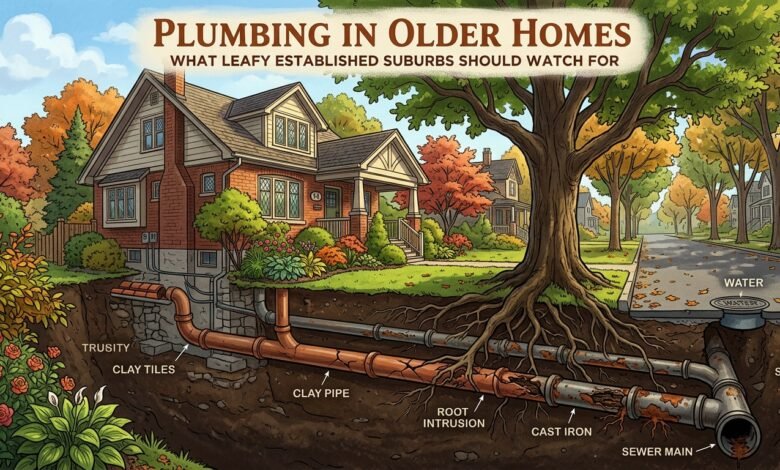
Leafy, established suburbs are full of charm: big trees, period architecture, and homes with decades of history. But beauty comes with age, and plumbing that was installed generations ago doesn’t always keep pace with modern living. Pipes corrode, drains shift, and tree roots go looking for water.
If you’re searching for a plumber Kew homeowners can rely on, it helps to understand the issues that commonly affect older properties and what to expect when work is needed. This guide covers the main problems and how to handle them.
Why Older Homes Need Special Attention
Homes built decades ago were plumbed with materials and methods that have since been replaced. Over time, these systems can develop problems that are invisible until something fails. Common features of older plumbing include:
- Galvanised steel pipes that corrode from the inside
- Copper lines that may develop pinhole leaks
- Earthenware (clay) sewer pipes with joints that can shift or crack
- Cast-iron drains prone to rust and scaling
- Outdated fittings and taps that are difficult to repair
- Previous patchwork repairs, often in a mix of materials
When renovations expose these issues, small leaks and low pressure can quickly become larger repair jobs.
Common Problems to Watch For
Low Water Pressure
Mineral buildup and corrosion inside old galvanised pipes can narrow them and restrict flow. If pressure has dropped gradually throughout the house, pipe condition may be the cause.
Discoloured Water
Rusty or brown water, especially after the taps have been off for a while, often indicates corroding pipes.
Recurring Blockages
Slow drains and repeated clogs can mean damaged or root-invaded sewer lines, grease buildup, or sagging pipes that hold water.
Tree Root Intrusion
Large, mature trees are a feature of many established neighbourhoods, but their roots seek out moisture. They can enter small cracks or joints in old clay drains and grow into blockages. Signs include gurgling drains, slow flushing, damp patches in the garden, and sewage smells.
Leaks and Damp
Hidden leaks may show up as mould, peeling paint, warped floors, or unexplained increases in water bills. In slab or sub-floor areas, leaks can go undetected for a long time.
Ageing Hot Water Systems
Older systems can lose efficiency, develop leaks, or struggle to meet demand. Rust-coloured hot water or a pooling puddle around the unit warrants prompt attention.
Outdated Stormwater Drains
Stormwater pipes in older homes may be undersized or damaged, leading to pooling during heavy rain and potential water damage.
Diagnosing Problems Without Guesswork
Modern tools help locate faults without tearing up floors or gardens:
- CCTV drain cameras let a plumber see inside pipes, locating cracks, blockages, root intrusion, and collapsed sections
- Leak detection equipment uses acoustic, thermal, or pressure methods to find hidden leaks
- Pressure testing can reveal problems in supply lines
- Flow and temperature checks help diagnose hot water issues
Accurate diagnosis saves money by targeting the real problem rather than guessing.
Repair or Replace?
Whether to patch or replace depends on the condition and extent of the damage.
Repairs make sense for isolated problems, such as a single leak, a cracked section, or a localised blockage.
Relining is a trenchless method that creates a new pipe inside the old one, often suitable for damaged sewer lines and avoiding extensive excavation.
Replacement may be better when pipes are widely corroded, collapsed, or incompatible with modern fixtures.
A good plumber explains the options, the likely lifespan of each, and the costs, rather than pushing a single solution.
Licensing and Compliance in Victoria
In Victoria, plumbing work must be carried out by a licensed plumber, and the Victorian Building Authority regulates the industry. For many types of plumbing work, a Certificate of Compliance is required to confirm the work meets regulations. Gas fitting requires appropriate gas-fitting licensing.
Before hiring, check that the plumber:
- Holds a current licence for the type of work
- Carries insurance
- Provides written quotes
- Gives a Certificate of Compliance where required
- Explains warranties on work and materials
Avoid unlicensed work, as it can create safety risks and may cause problems with insurance or when selling the property.
Preventive Maintenance
Regular care reduces the likelihood of emergencies.
- Know where your main water shutoff is and how to use it
- Check taps, toilets, and visible pipes for drips and corrosion
- Watch your water meter for unexpected movement when nothing is running
- Don’t flush wipes or other non-flushables
- Keep grease out of drains
- Manage trees near sewer lines, and consult professionals before planting close to drains
- Service hot water systems according to manufacturer recommendations
- Schedule periodic drain inspections for older properties
Planning Renovations Around Plumbing
If you’re renovating, include plumbing in the planning from the start. Moving a bathroom or kitchen may require changes to supply and waste lines. Upgrading ageing pipes while walls are open is far cheaper than doing it later. Discuss with your plumber and builder how the work should be sequenced and inspected.
Emergencies: What to Do
When a pipe bursts or a drain overflows:
- Turn off the water at the main.
- Switch off electricity to affected areas if water is near power points, if it’s safe to do so.
- Move valuables out of harm’s way.
- Contain the water with towels or buckets.
- Call a licensed plumber.
- Photograph the damage for insurance.
Choosing a Plumber
Look for:
- Local experience with older homes
- Clear communication and honest advice
- Transparent pricing
- Reliable response times
- Positive references
Final Thoughts
Older homes reward owners who stay on top of maintenance. Understand the common problems, act on early warning signs, use proper diagnostics, and always engage licensed professionals. With the right care, even a home with decades of history can enjoy dependable, modern-standard plumbing.