Surge Protection Installation: Guide to Electrical Safety and Reliable Equipment Protection

Electrical systems are essential to modern homes, commercial buildings, and industrial facilities. From lighting and heating equipment to computers, appliances, security systems, and communication devices, almost every part of daily life depends on a reliable electricity supply. However, electrical systems can experience unexpected voltage increases that may damage sensitive equipment, interrupt operations, and create expensive repair requirements. These sudden increases, commonly known as power surges, can occur for several reasons, including lightning activity, utility switching, electrical faults, and changes in power demand. Installing appropriate protective equipment is an important step toward reducing these risks and maintaining the reliability of electrical installations.
Surge protection installation involves selecting and fitting specialized devices that help limit excessive transient voltage and redirect surge current through an appropriate protective path. These devices are designed to protect electrical equipment by responding when voltage rises beyond specified levels. Although no protective device can eliminate every possible electrical risk, a properly designed system can significantly improve the protection of connected equipment. Understanding how surge protection works, where protective devices should be installed, and why professional electrical assessment matters can help property owners make informed decisions about electrical safety.
Understanding Electrical Power Surges and Their Causes
An electrical power surge is a short-duration increase in voltage that travels through an electrical system. Unlike a sustained overvoltage condition, which may continue for an extended period, a transient surge usually occurs very quickly. Even though these events may last only a fraction of a second, they can place considerable stress on electronic components and electrical equipment.
Lightning is one of the most recognized causes of electrical surges. When lightning strikes near power lines, buildings, or electrical infrastructure, it can introduce significant transient energy into connected systems. A direct lightning strike can create particularly severe conditions, while nearby strikes may also induce voltage disturbances through electromagnetic effects. This is one reason buildings in areas with frequent thunderstorms should consider a coordinated approach to electrical protection.
Utility switching is another possible source of surges. Electricity providers regularly switch equipment, operate transformers, and manage distribution networks to maintain reliable power delivery. These activities can sometimes create transient voltage disturbances. Internal electrical events can also contribute to the problem. Large motors, air-conditioning systems, pumps, compressors, and other inductive loads may generate switching transients when they start or stop.
Electrical faults and improper wiring can introduce additional risks. Damaged connections, deteriorated insulation, and grounding problems may affect the performance of an electrical system. Identifying these underlying conditions is important because surge protection devices should complement a properly maintained electrical installation rather than replace essential electrical repairs.
Why Surge Protection Is Important for Modern Properties
Modern properties contain a growing number of electronic devices that rely on sensitive semiconductor components. Computers, televisions, smart home systems, networking equipment, medical devices, and digital appliances may all be vulnerable to excessive transient voltage. Even equipment that appears relatively simple can contain electronic control boards that are expensive or difficult to replace.
A properly selected surge protection system can help reduce the likelihood of damage caused by certain transient electrical events. This may help property owners avoid unexpected repair expenses and equipment replacement. For businesses, protecting important electrical and electronic equipment can also support operational continuity by reducing interruptions caused by electrical damage.
Surge protection is particularly relevant for properties that contain expensive electronics, automated systems, or equipment that must remain operational. Offices may depend on computers, servers, printers, and communication systems, while manufacturing facilities may use programmable controllers, monitoring equipment, and automated machinery. A surge-related failure in one part of an installation can affect several connected systems.
Another important benefit is improved electrical resilience. Although surge protection cannot guarantee that equipment will never fail, it provides an additional protective measure alongside suitable wiring, grounding, circuit protection, and equipment maintenance. Investing in an appropriately designed system demonstrates a proactive approach to managing electrical risks.
Understanding Different Types of Surge Protection Devices
Surge protection devices are available in several categories, each designed for particular installation locations and protective requirements. Choosing the correct device depends on the electrical system, expected surge exposure, equipment sensitivity, and the overall protection strategy. A qualified electrician can evaluate these factors and recommend suitable equipment.
Type 1 surge protective devices are generally intended for installation at the origin of an electrical installation or in appropriate service entrance arrangements. They are designed to handle certain high-energy surge currents associated with external events, including lightning-related surges. Their application depends on the installation design and relevant electrical standards.
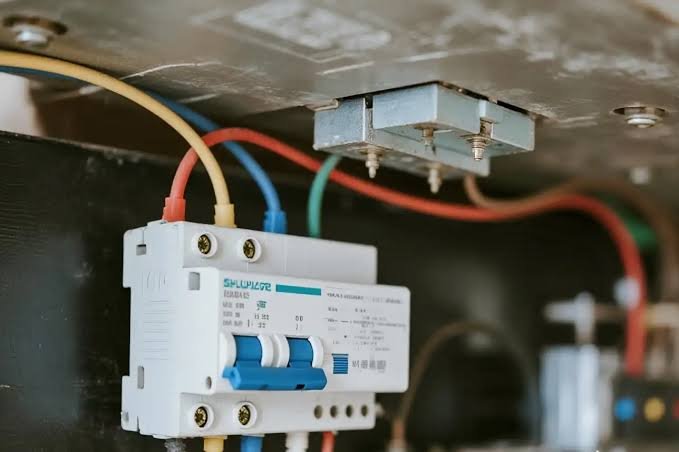
Type 2 surge protective devices are commonly installed in distribution boards or electrical panels. They provide protection against transient surges entering through the supply system and those generated within the installation. Many residential and commercial surge protection arrangements use Type 2 devices as part of their overall protective design.
Type 3 devices are generally used closer to sensitive electrical equipment. These may include suitable plug-in protectors or specialized point-of-use protective products. They are intended to provide an additional level of protection as part of a coordinated system rather than acting as a substitute for protection at the electrical distribution level.
Different device types serve different purposes, and their selection should not be based solely on appearance or advertised specifications. A coordinated protection strategy considers the complete electrical installation and the relationship between protective devices at different locations.
Identifying the Best Locations for Surge Protection
The placement of protective devices has an important influence on how effectively an electrical installation can manage transient voltage. In many properties, the main electrical distribution board is a logical location for an appropriately selected surge protective device. This position allows the device to protect downstream circuits against certain surges entering through the electrical supply.
Additional protection may be appropriate at secondary distribution boards, particularly in larger buildings where electrical circuits extend over considerable distances. Commercial properties, offices, workshops, and industrial facilities may have several distribution points that serve different departments or equipment areas. Evaluating these locations helps determine whether additional protection is necessary.
Sensitive equipment may also benefit from point-of-use protection. Computers, televisions, communication equipment, and other electronics can be connected through suitable protective products that are compatible with their electrical requirements. However, these products should be selected carefully because not every power strip advertised as a surge protector provides the same level of protection.
A professional assessment should also consider the electrical supply arrangement, grounding system, conductor lengths, and potential surge exposure. Protective devices should be installed in accordance with the manufacturer’s requirements and applicable electrical regulations. Correct positioning and coordination are essential for achieving the intended protective performance.
The Importance of Proper Grounding and Bonding
Grounding is a fundamental part of electrical safety and surge protection. It provides an appropriate path for fault currents and helps establish the electrical reference conditions required for protective equipment to operate as intended. Without a properly designed grounding and bonding arrangement, surge protective devices may not provide their expected level of protection.
An effective grounding system connects relevant conductive parts of an electrical installation to the appropriate earthing arrangement. Bonding helps maintain suitable electrical continuity between specified conductive components, reducing dangerous potential differences under certain fault conditions. Both are important elements of a comprehensive electrical safety strategy.
Surge protection devices generally rely on connections that allow transient current to be diverted through a suitable path. The quality and arrangement of these connections can influence protective performance. Excessively long connecting conductors, unsuitable connections, or poor installation practices may increase the voltage that appears across protected equipment during a surge.
Grounding and bonding requirements vary according to the electrical system and applicable regulations. Property owners should never assume that an existing grounding arrangement is adequate simply because electrical equipment appears to operate normally. A qualified electrician should inspect and test the system before recommending protective improvements.
What Happens During a Professional Surge Protection Installation?
A professional installation normally begins with an assessment of the property’s electrical system. The electrician reviews the distribution board, existing protective equipment, grounding arrangement, connected loads, and any known electrical issues. This assessment helps determine the type and rating of surge protection devices suitable for the installation.
The electrician may also review the manufacturer’s product documentation and applicable electrical standards before selecting the equipment. Important specifications can include maximum continuous operating voltage, voltage protection level, nominal discharge current, maximum discharge current, and the device’s short-circuit current rating. These values help establish whether a product is appropriate for the electrical system and the expected surge environment.
Before work begins, the electrician should follow the required isolation and electrical safety procedures. Electrical panels contain potentially dangerous voltages, and installation work should only be carried out by appropriately qualified professionals. The selected protective device must be compatible with the distribution arrangement and installed using approved components.
After installation, the electrician should perform the necessary inspections and tests. These may include checking connections, verifying protective device indicators, and confirming that the installation meets relevant requirements. Documentation should be provided where appropriate, including equipment details and any maintenance recommendations.
Choosing the Right Surge Protection Equipment
Selecting appropriate equipment requires more than choosing a product with a familiar brand name. Different electrical systems have different operating voltages, supply arrangements, and protective requirements. A device designed for one application may not be suitable for another.
The first consideration is compatibility with the electrical supply. Protective devices must be selected according to the system voltage, phase arrangement, frequency, and earthing configuration. Incorrect compatibility can affect both safety and performance.
Another important consideration is the voltage protection level. This specification indicates the level of voltage that may appear at the protected side of the device under defined test conditions. Lower values can provide tighter voltage limitation in suitable applications, but the overall system design and coordination between devices must also be considered.
Discharge current ratings are also relevant. They describe aspects of the surge current that the device is designed to handle under specified conditions. The appropriate ratings depend on the installation’s exposure and the protection category required. Property owners should avoid choosing equipment based on one specification alone.
Product certification and compliance are equally important. Devices should meet recognized testing standards and be suitable for their intended application. Consulting a qualified electrician or reputable electrical supplier can help ensure that selected equipment provides appropriate protection without introducing compatibility issues.
Residential Surge Protection for Household Appliances
Residential properties increasingly rely on sensitive electronic equipment and connected appliances. Refrigerators, washing machines, televisions, computers, routers, smart home devices, and air-conditioning systems may contain electronic control components that can be affected by electrical disturbances.
Installing suitable protection at the main distribution board can provide a useful first layer of defense for household circuits. Additional point-of-use protection may be appropriate for particularly sensitive equipment. For example, computers and networking systems may benefit from suitable protective products that are correctly rated for their electrical loads.
Homeowners should also consider equipment that supports important household functions. Security cameras, alarm systems, internet equipment, and automated access controls may require reliable power to operate correctly. Protecting these systems can help reduce the possibility of interruptions caused by transient electrical events.
However, surge protection should not be confused with backup power. A surge protective device does not provide electricity during an outage and cannot replace an uninterruptible power supply or generator. Homeowners should understand the difference between these systems when planning electrical protection for their properties.
Commercial and Industrial Surge Protection Requirements
Commercial and industrial buildings often have more complex electrical installations than residential properties. They may contain multiple distribution boards, large motors, automated machinery, communication networks, control panels, and sensitive monitoring equipment. These systems can be affected by both external surges and internally generated electrical disturbances.
For commercial offices, protecting computers, servers, communication equipment, and electronic access systems can help maintain normal business operations. A surge-related failure may interrupt customer services, damage stored equipment, or create unexpected repair requirements. A coordinated protection plan can help reduce some of these risks.
Industrial environments may require additional consideration because motors, variable-frequency drives, programmable logic controllers, and automated production systems can generate electrical disturbances. Protective arrangements should account for equipment characteristics, cable routing, electrical distribution design, and the consequences of equipment failure.
Larger facilities may benefit from a documented electrical protection assessment. This can identify important equipment, review the existing grounding system, and determine where additional protective devices may be appropriate. The design should also consider manufacturer recommendations and relevant electrical safety standards.
Surge Protection and Lightning Protection Systems
Lightning protection and surge protection are related but different parts of electrical risk management. A lightning protection system is designed to manage the effects of lightning strikes on a structure by providing suitable interception, conduction, and grounding arrangements. Surge protective devices help limit transient voltage within electrical systems.
A building with an external lightning protection system may still require appropriate surge protection for its electrical and electronic equipment. Lightning-related energy can affect connected power and communication services even when a building’s external protection arrangements are present.
Coordinating these systems is therefore important. The electrical designer should consider the building’s lightning protection arrangement, incoming utility services, grounding network, and the location of sensitive equipment. Proper coordination helps create a more comprehensive strategy for reducing electrical risks.
Property owners should not assume that installing a lightning rod automatically protects computers, appliances, or other electronics. Both external lightning protection and internal surge protection may be necessary depending on the building design and applicable standards.
Common Mistakes to Avoid During Installation
One common mistake is purchasing a surge protective device without checking whether it is compatible with the electrical system. Voltage ratings, supply configurations, and product specifications must be evaluated before installation. A device that is unsuitable for the application may not provide the expected protection.
Another mistake is ignoring the condition of the grounding system. Surge protection relies on an appropriate electrical installation, so damaged connections, poor bonding, or inadequate grounding arrangements should be addressed. Installing a protective device without evaluating these conditions can undermine the overall protection strategy.
Some property owners also rely exclusively on plug-in surge protectors. While suitable point-of-use devices can provide additional protection, they may not offer the same role as protective devices installed at the distribution level. A layered approach is often more appropriate for properties containing sensitive equipment.
Using unqualified individuals for electrical installation is another serious concern. Electrical panels and distribution boards can expose workers to dangerous voltages and other hazards. Improper installation may create electrical faults, damage equipment, or compromise safety. All electrical work should be completed by qualified professionals following the relevant regulations.
Finally, neglecting maintenance can reduce the effectiveness of the protective arrangement. Surge protective devices may degrade after handling surge events and eventually require replacement. Their condition should be checked according to manufacturer recommendations and inspection requirements.
Maintaining and Inspecting Surge Protection Devices
Surge protection is not necessarily a permanent, maintenance-free solution. Many protective devices include status indicators that provide information about their operating condition. These indicators should be checked periodically according to the manufacturer’s instructions.
Some devices use replaceable protection modules, while others require complete replacement when their protective components reach the end of their service life. The appropriate maintenance procedure depends on the specific product design. Property owners should understand what the status indicators mean and contact an electrician if a device indicates that protection is no longer available.
Electrical inspections can also identify problems that may affect overall system performance. Loose connections, damaged conductors, changes to the distribution arrangement, and grounding issues should be investigated by qualified personnel. Major electrical upgrades may require a fresh review of the existing surge protection design.
Keeping installation records can make future maintenance easier. These records may include the device manufacturer, model, installation date, relevant ratings, inspection results, and replacement history. Having accurate information helps electricians determine whether the existing protective equipment remains appropriate for the property.
Budgeting for Surge Protection Installation
The cost of installing surge protection depends on several factors, including the electrical system, building size, device type, installation complexity, and number of distribution boards. A straightforward residential installation may require less work than a large commercial or industrial project involving multiple protective devices.
Equipment costs vary according to product ratings, construction quality, certification, and manufacturer. Additional expenses may include electrical inspections, grounding improvements, replacement components, and labor. If the existing electrical panel requires repairs or upgrades, these may also affect the overall project budget.
Property owners should request a detailed quotation that identifies the proposed equipment, installation work, testing requirements, and any additional electrical improvements. Comparing quotations based on the scope of work rather than price alone can help prevent misunderstandings.
Investing in suitable surge protection may help reduce the financial impact of certain electrical events. However, the value of the investment should be evaluated in relation to the equipment being protected, the property’s electrical exposure, and the potential cost of downtime or replacement.
Conclusion
Surge protection is an important consideration for modern residential, commercial, and industrial electrical systems. Unexpected voltage increases can affect sensitive electronics, household appliances, communication equipment, and essential business machinery. Although no protective device can eliminate every electrical hazard, a properly designed system can help reduce the risk of damage caused by transient electrical events.
A successful surge protection installation begins with a professional assessment of the electrical system. Selecting compatible devices, evaluating grounding and bonding, choosing suitable installation locations, and coordinating different protection levels are all essential parts of the process. Professional installation and appropriate testing help ensure that the equipment is suitable for the intended application.
Long-term reliability also depends on regular inspections and timely replacement of devices that have reached the end of their service life. Property owners should keep installation records and follow the manufacturer’s maintenance recommendations to support continued protection.
Ultimately, investing in appropriate surge protection is a practical step toward improving electrical system resilience and protecting valuable equipment. With professional guidance, suitable products, and responsible maintenance, property owners can create a safer and more dependable electrical environment while reducing the potential impact of unexpected power disturbances.