Effective Cockroach Extermination Methods for a Cleaner, Healthier, and Pest-Free Environment

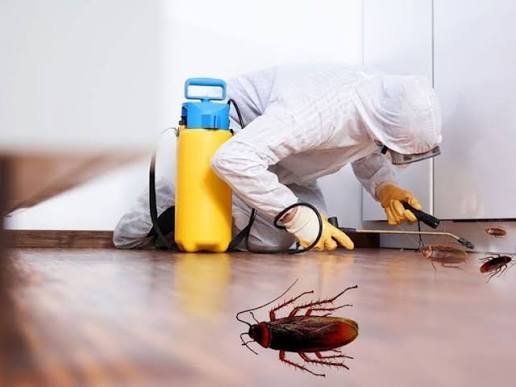
Cockroaches are among the most persistent household pests, creating serious concerns for cleanliness, hygiene, and general comfort. These insects can survive in different environments, reproduce quickly, and hide in places that are difficult to access. Whether they appear in kitchens, bathrooms, storage rooms, basements, or commercial buildings, their presence can become a frustrating problem if appropriate action is not taken. Although a single cockroach may not seem particularly concerning, repeated sightings can indicate a larger infestation that requires attention. Understanding how these pests behave, where they hide, and what attracts them is essential for maintaining a clean and comfortable living environment.
Cockroach infestations are not simply an unpleasant sight. These insects can travel through drains, garbage areas, wall openings, and contaminated surfaces before entering homes or workplaces. As they move around, they may carry bacteria and other microorganisms that can contaminate food preparation areas and household surfaces. Their droppings, shed skins, and body fragments may also contribute to indoor allergens that can affect sensitive individuals. For these reasons, controlling cockroach activity should be considered an important part of property maintenance and hygiene management. A combination of proper sanitation, preventive measures, monitoring, and professional treatment can help address existing infestations and reduce the chances of future problems.
Understanding Why Cockroaches Enter Homes and Buildings
Cockroaches generally enter buildings because they are searching for food, water, warmth, and suitable shelter. Even properties that appear clean can provide attractive conditions if food particles, moisture, or small hiding places are available. Kitchens are particularly vulnerable because they contain food storage areas, cooking appliances, sinks, drains, and waste containers. Bathrooms and laundry spaces may also attract cockroaches because of their moisture levels and limited ventilation.
Small cracks, gaps around plumbing pipes, damaged door seals, and openings near windows can provide entry points. Some cockroaches may enter through drains or move between connected apartments and commercial properties. Others can arrive inside cardboard boxes, grocery packaging, used appliances, or furniture. Once inside, they may hide behind refrigerators, under cabinets, inside cupboards, and within narrow spaces around plumbing installations.
Understanding these entry points helps property owners develop a more effective prevention strategy. Simply treating visible insects may not solve the underlying problem if the conditions supporting their activity remain unchanged. A thorough inspection should therefore identify possible sources of food and water, areas of high moisture, and openings that allow insects to enter. Addressing these conditions creates a less favorable environment for cockroaches and makes treatment efforts more effective.
Recognizing Common Signs of an Infestation
Identifying an infestation early can make pest management easier and help prevent the problem from spreading. One of the most obvious signs is seeing live cockroaches, particularly during daylight hours. These insects are generally more active at night, so frequent daytime sightings may indicate that their hiding places are crowded or that their population has increased significantly.
Another common sign is the presence of small dark droppings around cupboards, drawers, appliances, and corners. These droppings may resemble ground coffee or black pepper, depending on the species and size of the insect. Egg cases are another indication of activity. Cockroach egg cases, commonly called oothecae, contain developing eggs and may be found in protected locations such as cabinet edges, storage spaces, and behind household appliances.
An unusual musty odor can also develop when an infestation becomes extensive. This smell may be noticeable in enclosed spaces where cockroaches gather or reproduce. Shed skins and insect body fragments can provide additional evidence, particularly around hiding areas. Property owners should inspect these locations carefully rather than relying only on occasional sightings. Recognizing multiple signs can help determine whether the problem involves a few wandering insects or a more established infestation that requires comprehensive treatment.
Why Professional Pest Control Can Make a Difference
Managing a serious infestation can be challenging because cockroaches are skilled at hiding in narrow spaces and reproducing in protected environments. Household cleaning products may remove visible insects or improve surface hygiene, but they generally do not address hidden populations. Effective cockroach extermination requires an approach that considers insect behavior, nesting locations, available food sources, and the specific conditions of the affected property.
Professional pest control technicians are trained to inspect properties and identify areas where cockroach activity is most likely to occur. They can examine kitchens, bathrooms, storage areas, drainage openings, and spaces behind appliances to locate possible hiding places. Based on their findings, they can recommend appropriate treatment methods and explain what preparation may be required before application.
Professional services may use targeted baits, insect growth regulators, approved residual treatments, and monitoring devices, depending on the infestation and the product label. These methods are selected according to the affected environment and the level of insect activity. A professional approach can also help reduce unnecessary chemical exposure by concentrating treatments in appropriate areas rather than applying products indiscriminately.
Another advantage is ongoing evaluation. Some infestations require follow-up inspections or additional treatment because eggs may hatch after the initial application or insects may continue entering from neighboring areas. A qualified technician can assess the results and recommend further measures when necessary. This makes professional assistance particularly valuable for extensive infestations, commercial properties, and situations where repeated do-it-yourself attempts have not produced lasting results.
Maintaining Kitchen Hygiene to Reduce Cockroach Activity
Kitchens provide several resources that make them attractive to cockroaches, including food crumbs, cooking residue, water, and warm hiding places. Maintaining kitchen hygiene is therefore one of the most important steps in reducing pest activity. Counters, cooking surfaces, floors, and dining areas should be cleaned regularly, particularly after preparing meals. Even small food particles can provide nourishment for insects, so attention should be given to corners and areas beneath appliances.
Food should be stored in sealed containers rather than left exposed on counters or inside loosely closed packaging. Dry ingredients, cereals, pet food, and other frequently used products should be protected from insects. Open food packets can be transferred into airtight containers to reduce access and make storage more organized. Garbage should also be removed regularly, and waste containers should have secure lids.
Grease buildup around stoves, ovens, and exhaust areas should not be overlooked. These surfaces can collect food residue that may attract pests over time. Cleaning behind refrigerators and beneath kitchen cabinets is equally important because these areas are often neglected during ordinary household cleaning. A consistent sanitation routine helps eliminate food sources and supports the effectiveness of other pest management measures.
Eliminating Moisture and Hidden Water Sources
Water is an essential resource for cockroaches, and even small amounts of moisture can support their survival. Leaking taps, dripping pipes, wet sinks, condensation, and standing water beneath appliances may create favorable conditions. Bathrooms, kitchens, utility rooms, and laundry spaces should therefore receive regular inspections to identify moisture problems.
Repairing plumbing leaks is one of the most effective preventive measures. Property owners should check the areas beneath sinks, around washing machines, and near water heaters for signs of dripping or dampness. Leaking pipes should be repaired promptly, while damaged seals around plumbing connections should be replaced when necessary. If condensation develops regularly, improving ventilation may help reduce moisture accumulation.
After washing dishes or cleaning floors, surfaces should be allowed to dry properly. Wet sponges, cleaning cloths, and mop heads should not remain in enclosed cabinets for extended periods. Drains should also be maintained to prevent blockages and unpleasant conditions. Although eliminating every possible source of moisture may not be practical, reducing unnecessary dampness can make indoor environments less attractive to cockroaches.
Understanding Different Cockroach Treatment Methods
Different treatment methods are available for managing cockroach populations, and each serves a particular purpose. The appropriate option depends on the insect species, infestation severity, property layout, and presence of children or pets. A successful pest management plan often combines more than one approach rather than relying on a single product.
Gel baits are commonly used because they can be placed in small, targeted locations where cockroaches are likely to forage. These products contain an attractive food source combined with an insecticide. When used according to label directions, they can help reduce populations by allowing insects to consume the bait and return to areas where other cockroaches may encounter it. Their placement should be carefully selected to avoid contamination and accidental contact.
Bait stations offer another option by containing the bait within a protective housing. They can be useful in appropriate locations where access by children or pets must be limited, although they should still be positioned and maintained according to product instructions. Insect growth regulators may also be incorporated into professional treatment plans to interfere with normal development and reproduction.
Residual insecticides are designed to remain effective on treated surfaces for a specified period, depending on the formulation and environmental conditions. These products must only be applied to approved areas and in accordance with their labels. Applying chemicals to food preparation surfaces or combining different insecticides without professional guidance can create unnecessary health risks. The treatment method should always be selected based on a proper assessment rather than convenience alone.
Preventing Cockroaches From Returning
Eliminating existing insects is only one part of long-term pest management. Preventing future activity requires reducing the conditions that attract cockroaches and blocking the routes through which they enter. Small openings around doors, windows, plumbing lines, and wall joints should be inspected and sealed using suitable materials. Damaged window screens and door sweeps should also be repaired or replaced.
Storage habits can influence pest activity as well. Cardboard boxes, unused packaging, and piles of paper may provide hiding places. Keeping storage areas organized and reducing unnecessary clutter makes inspections easier and removes potential shelter. Items stored for long periods should be checked occasionally, especially if they are kept in damp or rarely used rooms.
Outdoor maintenance is also relevant because cockroaches may live around garbage containers, drains, vegetation, and other sheltered areas. Waste should be stored securely, and unnecessary moisture around the building should be reduced. Vegetation should be maintained so that it does not create excessive contact with exterior walls. These practical steps can help limit opportunities for insects to move indoors.
Preventive inspections are particularly useful for buildings that have experienced previous infestations. Monitoring devices can help identify renewed activity before it becomes extensive. Property owners should also respond promptly to new sightings instead of waiting until insects become common. Consistent prevention is generally easier and less expensive than repeatedly managing a large infestation.
Protecting Children, Pets, and Household Members During Treatment
Safety should always be a priority when using pest control products. Although modern formulations may be designed for targeted applications, insecticides still require careful handling. Product labels provide important information about approved uses, application methods, precautions, and re-entry requirements. These instructions should be followed exactly rather than relying on assumptions about product safety.
Children and pets should be kept away from treatment areas for the period specified on the product label or by the pest control professional. Food, dishes, utensils, toys, and pet feeding equipment should be removed or protected as instructed before treatment. Aquariums and other sensitive household environments may require additional precautions, depending on the product being used.
Household members should avoid touching treated surfaces until they are safe to access according to the applicable instructions. Cleaning should also be carried out carefully because washing treated areas too soon may reduce the effectiveness of certain products. If anyone experiences symptoms following possible insecticide exposure, they should seek appropriate medical or poison-control guidance and provide information about the product involved.
Professional technicians should explain the preparation process before beginning work. They should also provide clear guidance about ventilation, temporary relocation, cleaning, and re-entry. Good communication helps ensure that pest management activities protect both the property and the people who use it.
Common Mistakes That Make Cockroach Problems Worse
Many property owners unintentionally make pest problems more difficult to manage by relying on incomplete or unsuitable methods. One common mistake is treating only the insects that are visible. Cockroaches often hide behind appliances, inside wall gaps, beneath cabinets, and around plumbing connections. Ignoring these areas may allow the remaining population to continue reproducing.
Another mistake is using excessive amounts of insecticide. Applying more product than recommended does not necessarily improve results and may increase exposure risks. Spraying different chemicals together or using products in locations where they are not approved can also create unnecessary hazards. Always follow label directions and seek professional advice when the correct treatment is uncertain.
Poor sanitation can undermine even a carefully planned treatment program. Leaving food uncovered, allowing garbage to accumulate, and ignoring leaking pipes provide continuing resources for pests. Some people also stop monitoring their property immediately after seeing fewer insects. However, population reduction does not always mean that the infestation has been completely resolved.
A more reliable strategy involves identifying the source of activity, following an appropriate treatment plan, maintaining cleanliness, and checking the property regularly. Consistency is important because cockroach management often requires several coordinated actions rather than a single application.
Managing Cockroach Problems in Commercial Properties
Commercial properties face additional challenges because their size, operating schedules, and daily activities may create more opportunities for pest activity. Restaurants, food storage facilities, hotels, offices, healthcare buildings, and retail establishments all have different requirements. In businesses that handle food, even a small infestation can damage customer confidence and create compliance concerns.
A commercial pest management program should begin with a detailed inspection of the property. Technicians may assess food storage areas, waste disposal facilities, staff kitchens, drainage systems, delivery entrances, and equipment spaces. The inspection should also consider how deliveries, cleaning schedules, and building operations may influence pest movement.
Businesses should establish written sanitation procedures and ensure that employees understand their responsibilities. Food waste should be removed appropriately, storage areas should remain organized, and spills should be cleaned promptly. Deliveries and incoming packaging may also require inspection because insects can occasionally enter through transported goods.
Professional monitoring can help businesses identify changes in pest activity and respond before problems become more extensive. Records of inspections, treatments, and corrective actions can support consistent management. In food-related operations, pest control activities should also follow applicable hygiene standards and regulatory requirements.
Choosing a Reliable Pest Control Professional
Selecting a qualified pest control provider is an important decision, especially when an infestation has become difficult to manage. Property owners should look for technicians with relevant training, appropriate licensing where required, and experience dealing with cockroach infestations. A reliable provider should be willing to inspect the property, explain the findings, and recommend a treatment plan based on actual conditions.
Before approving any service, customers should understand which products and methods will be used. They should receive information about preparation requirements, safety precautions, expected treatment outcomes, and possible follow-up visits. A professional should also explain whether certain areas need to remain untreated to preserve bait effectiveness or maintain other important pest management measures.
Price should not be the only factor when comparing providers. Extremely inexpensive services may not include proper inspections, monitoring, or follow-up support. Customers should evaluate the scope of work, professional qualifications, communication standards, and service conditions before making a decision. A transparent provider will explain what can reasonably be achieved and avoid promising that every infestation can be eliminated through one visit.
Developing a Long-Term Pest Prevention Routine
A consistent prevention routine helps property owners maintain control after treatment. This routine should include regular cleaning, waste management, moisture control, structural maintenance, and periodic inspections. Kitchens and food storage areas should receive particular attention because they provide resources that cockroaches need to survive.
A weekly cleaning schedule can help ensure that less visible spaces are not forgotten. Areas behind appliances, beneath sinks, inside storage cupboards, and around drains should be inspected regularly. Food packaging should remain sealed, and garbage should be removed before it accumulates. Any signs of water leakage should be addressed as soon as possible.
Property owners should also maintain a record of pest sightings and previous treatment activities. This information can help identify recurring problem areas and provide useful details to pest control professionals. If activity returns, the provider can review the history and determine whether the issue involves surviving insects, newly hatched cockroaches, or entry from another part of the building.
Long-term success depends on cooperation between property owners, occupants, cleaning staff, and pest management professionals. When everyone follows consistent preventive practices, the chances of recurring infestations can be reduced considerably.
Conclusion
Cockroach infestations can affect household hygiene, indoor comfort, and the overall condition of residential and commercial properties. Because these insects reproduce quickly and hide in difficult-to-reach locations, managing them requires more than removing the occasional visible pest. A successful approach combines proper identification, suitable treatment methods, improved sanitation, moisture control, and preventive maintenance.
Professional assistance can be especially valuable when infestations are widespread, recurring, or difficult to locate. Experienced technicians can inspect affected areas, select appropriate products, explain safety precautions, and recommend follow-up measures. At the same time, property owners must maintain clean surroundings, store food properly, repair leaks, seal entry points, and monitor areas where insects may hide.
Effective cockroach extermination is best understood as an ongoing pest management process rather than a one-time cleaning task. By addressing the conditions that attract these insects and combining prevention with appropriate treatment, property owners can create cleaner, healthier, and more comfortable indoor environments. Consistent attention and responsible pest control practices provide a practical foundation for keeping unwanted insects under control over the long term.