Creating a Safe, Organized, and Welcoming Parking Area for Every Church Community

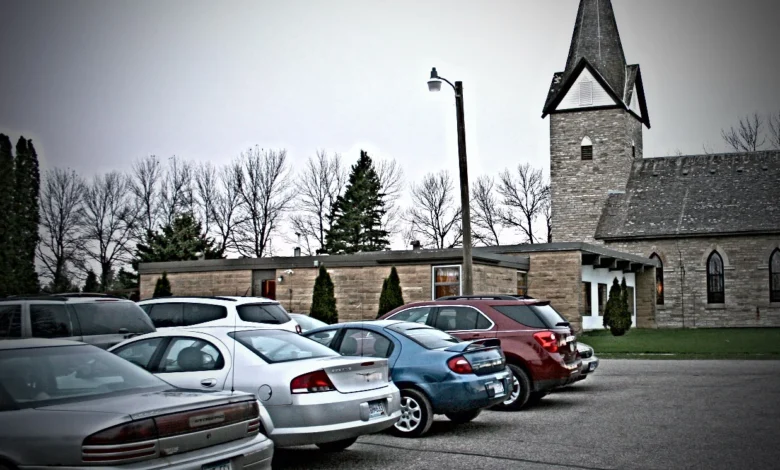
A well-designed parking area plays an important role in creating a positive experience for visitors, members, staff, and everyone attending religious services or community gatherings. Although people often focus on the appearance of a church building, its interior design, and the quality of its facilities, parking arrangements deserve equal attention. A convenient and organized parking environment helps visitors feel welcomed before they even enter the building. It also supports accessibility, improves traffic movement, and reduces unnecessary confusion during busy services and special events. When a congregation takes time to plan its parking facilities properly, it creates a more comfortable environment for everyone and demonstrates consideration for the needs of its community.
Parking is not simply about providing enough space for vehicles. It involves thoughtful planning, clear directions, proper maintenance, pedestrian safety, and efficient use of available land. A church parking lot should accommodate different types of visitors, including families with children, elderly individuals, people with disabilities, volunteers, and staff members. Each group may have different requirements, which makes it important to consider convenience and safety throughout the planning process. By understanding these requirements and making practical improvements, religious organizations can develop a parking environment that supports their activities while maintaining a welcoming atmosphere.
Understanding the Importance of Proper Parking Facilities
Parking facilities are often among the first areas visitors encounter when arriving for a religious service, wedding, funeral, community program, or fundraising event. Their condition can influence the overall impression people develop about the organization. An orderly and accessible parking environment communicates that the church values its visitors and pays attention to their comfort. On the other hand, unclear directions, damaged pavement, poor lighting, and insufficient parking spaces can create frustration before an event even begins.
A properly planned church parking lot helps manage vehicle movement while reducing the possibility of congestion and accidents. During regular services, several families may arrive within a relatively short period, creating increased demand for available spaces. Special occasions can bring even larger crowds, making organized parking arrangements particularly important. Clear markings, designated entrances, appropriate exits, and visible directional signs allow drivers to understand where they should go without unnecessary confusion.
Parking facilities also contribute to the long-term functionality of religious properties. A thoughtfully developed area can accommodate changing attendance levels, community programs, and additional activities without requiring constant adjustments. Instead of treating parking as an afterthought, church administrators should consider it an essential part of the overall property design.
Planning a Parking Layout That Uses Space Efficiently
Effective parking design begins with understanding the available land and determining how it can be used responsibly. Before construction or renovation begins, administrators should evaluate the property’s dimensions, existing structures, pedestrian pathways, landscaping, and expected vehicle capacity. These considerations help establish a layout that provides sufficient parking while maintaining safe movement throughout the property.
A good layout should make it easy for drivers to identify parking spaces and understand traffic patterns. Clearly defined driving lanes, appropriately sized spaces, and visible directional markings can reduce unnecessary vehicle movements. The arrangement should also prevent drivers from having to reverse into busy pedestrian areas or navigate confusing intersections. Where possible, separate entry and exit routes can help maintain smoother traffic flow, particularly during large gatherings.
The number of spaces required depends on several factors, including regular attendance, event frequency, available public transportation, and local building regulations. Administrators should avoid designing the entire facility around average attendance alone because special occasions may attract considerably more visitors. However, expanding parking capacity without considering land limitations or environmental concerns can also create problems. A balanced approach involves evaluating actual needs and making the best possible use of available space.
Planning should also account for future changes. Congregations may grow, introduce new programs, or begin hosting larger community events. A flexible layout makes it easier to accommodate these developments without requiring a complete redesign. Consulting experienced architects, civil engineers, and parking planners can help organizations make informed decisions before investing in major improvements.
Improving Safety for Drivers and Pedestrians
Safety should remain a central consideration in every parking project. A busy religious property often experiences a mixture of vehicle traffic and pedestrian movement, particularly before and after services. Children may walk alongside parents, older visitors may require additional time to reach entrances, and volunteers may be directing vehicles through crowded areas. Without suitable safety measures, these situations can increase the risk of accidents.
Clearly marked pedestrian crossings help separate walking routes from vehicle movement. These crossings should connect parking spaces with building entrances and other frequently visited areas. Sidewalks or dedicated walking paths provide additional protection by allowing visitors to move without walking directly through driving lanes. Where pedestrian routes intersect with vehicle traffic, visible signs and appropriate pavement markings can remind drivers to slow down and remain attentive.
Speed management is equally important. Parking areas generally require lower vehicle speeds because drivers must watch for people walking between parked cars and moving vehicles. Speed limit signs, raised crossings where appropriate, and carefully designed traffic lanes can encourage responsible driving. Volunteers may also assist during major gatherings by helping visitors locate available spaces and guiding traffic when necessary.
Lighting contributes significantly to nighttime safety. Parking areas used during evening services or winter events should have sufficient illumination across driving lanes, pedestrian pathways, entrances, and designated parking spaces. Lighting fixtures should be positioned to minimize dark areas while avoiding excessive glare for drivers. Regular inspections can identify damaged lights and other problems before they become serious concerns.
Making Parking Accessible for Everyone
Accessibility is an essential feature of a welcoming religious environment. People with disabilities, elderly visitors, individuals recovering from injuries, and parents with young children may require parking arrangements that reduce the distance between their vehicles and the main entrance. Providing suitable facilities allows more people to participate comfortably in religious and community activities.
Accessible parking spaces should be clearly marked, appropriately sized, and positioned according to applicable accessibility regulations. They should include the necessary access aisles and provide convenient connections to accessible walking routes. These spaces must remain free from obstructions, including temporary equipment, stored materials, and improperly parked vehicles. Regular monitoring helps ensure that accessible spaces remain available for those who genuinely need them.
The entire journey from the vehicle to the building should be considered. Even when designated spaces are available, visitors may face difficulties if sidewalks are uneven, ramps are too steep, or entrance pathways contain obstacles. Smooth walking surfaces, suitable curb ramps, handrails where required, and accessible entrances can make a meaningful difference.
Accessibility also involves providing clear information. Signs should be easy to understand, positioned at appropriate heights, and visible from relevant approach routes. Church administrators can review their facilities periodically to identify barriers and make improvements based on visitor feedback. Following applicable accessibility standards and local regulations helps create an environment where everyone can participate with dignity and independence.
Choosing Durable Materials for Long-Term Performance
The materials used to construct a parking area influence its appearance, durability, maintenance requirements, and overall cost. Asphalt and concrete are two commonly used paving options, and each offers different advantages depending on the property’s needs, climate, expected traffic, and available budget.
Asphalt is often selected because it provides a relatively smooth surface and can be installed efficiently. It is suitable for many parking applications, although it requires periodic maintenance to protect against cracking, water penetration, and surface deterioration. Sealcoating and timely repairs can help extend its service life when performed according to professional recommendations.
Concrete is another option that can provide long-lasting performance when properly designed and installed. It may require a higher initial investment, but its durability can make it appropriate for areas experiencing frequent vehicle movement. Expansion joints, appropriate drainage, and proper installation techniques are important for reducing the likelihood of cracking and other structural problems.
Regardless of the selected material, the underlying preparation is extremely important. A stable base, suitable grading, and effective drainage contribute to the performance of the finished surface. Poor construction practices can lead to potholes, standing water, uneven sections, and premature deterioration. Working with qualified contractors and selecting materials appropriate for expected conditions can help organizations avoid unnecessary repair expenses.
Maintaining Cleanliness and Attractive Surroundings
The appearance of a parking facility can influence how visitors perceive the entire property. Clean surfaces, organized spaces, maintained landscaping, and properly functioning signs create a more pleasant environment. Although parking areas experience regular vehicle activity, consistent maintenance can prevent them from looking neglected or disorganized.
Routine cleaning should include removing litter, clearing leaves, collecting debris, and addressing oil stains when appropriate. Waste containers can be positioned in convenient locations to discourage visitors from leaving rubbish behind. During special events, additional cleaning arrangements may be necessary because larger crowds can generate more waste than usual.
Landscaping can improve the appearance of parking facilities while providing environmental benefits. Trees and suitable plants can create shade, soften large paved areas, and contribute to a more attractive setting. However, landscaping should never obstruct visibility, interfere with pedestrian pathways, or create unnecessary maintenance difficulties. Plant selections should account for local weather conditions, available water, and the long-term requirements of the property.
Regular pavement inspections are another important responsibility. Small cracks should be assessed before water enters the surface and causes more extensive damage. Faded parking lines should be repainted when necessary, while damaged signs and broken lighting fixtures should be repaired promptly. Establishing a maintenance schedule makes these tasks easier to manage and helps prevent minor issues from developing into costly problems.
Managing Traffic During Services and Special Events
Traffic management becomes especially important when many visitors arrive within a short period. Regular worship services, holiday celebrations, weddings, funerals, conferences, and fundraising activities may all produce different traffic patterns. Without proper planning, arriving vehicles can create long queues, block entrances, or interfere with pedestrians.
Church administrators can reduce congestion by developing an event-specific parking plan. This plan should identify vehicle entrances, designated parking sections, accessible spaces, pedestrian routes, and areas reserved for staff or emergency services. Volunteers should receive clear instructions before the event so they can provide consistent guidance to arriving visitors.
Directional signs are particularly useful because they help drivers make decisions before reaching crowded areas. Signs indicating available parking sections, event entrances, and exit routes can reduce unnecessary stopping and turning. Temporary signs may also be useful when certain sections are reserved for specific groups or when event arrangements differ from normal operations.
Communication with visitors can further improve traffic organization. Event announcements, registration information, and digital invitations may include basic parking instructions. When visitors know where to enter and which areas are available, they are less likely to become confused upon arrival. A well-organized church parking lot can therefore support smoother event operations while helping volunteers focus on welcoming people rather than resolving avoidable traffic problems.
Incorporating Lighting and Security Measures
Security is another important consideration when designing and maintaining parking facilities. Visitors should feel comfortable arriving and leaving during both daytime and nighttime activities. Good visibility, organized access points, and responsible monitoring can help reduce opportunities for theft, vandalism, and other unwanted incidents.
Adequate lighting is one of the most practical improvements. It should cover vehicle spaces, pedestrian routes, entrances, exits, and areas where people may wait for transportation. Energy-efficient LED fixtures can provide consistent illumination while helping manage electricity consumption. Motion-activated lighting may also be suitable for less frequently used sections, provided it offers reliable visibility when needed.
Security cameras can support property monitoring when installed and managed responsibly. Their placement should focus on appropriate public areas, and organizations should establish clear policies regarding access, storage, and use of recorded information. Cameras should complement rather than replace suitable lighting, responsible supervision, and general safety procedures.
Emergency access must also remain unobstructed. Fire lanes, emergency vehicle routes, and building access points should be clearly identified and kept free from parked vehicles. Church administrators should communicate these requirements to staff, volunteers, and visitors to ensure that emergency responders can reach the property when necessary.
Considering Environmental Sustainability
Parking development can affect the surrounding environment, particularly when large areas of land are covered with impermeable materials. Rainwater that cannot naturally enter the ground may collect on paved surfaces or flow into drainage systems. Responsible planning can help reduce these effects while maintaining the practical requirements of the facility.
Proper grading and drainage systems are important for preventing standing water and protecting pavement structures. Depending on site conditions and local regulations, permeable paving materials may provide another option by allowing some rainwater to pass through the surface. These systems require suitable design and maintenance, so professional evaluation is important before installation.
Green spaces can also contribute to a healthier environment. Trees provide shade, reduce the visual impact of extensive paved areas, and support local biodiversity when suitable species are selected. Landscaping can be integrated into the design without interfering with vehicle movement or reducing necessary parking capacity.
Energy conservation should also be considered when selecting lighting and other electrical equipment. Efficient fixtures, automatic controls, and regular maintenance can help reduce energy use. These improvements may require an initial investment, but they can support long-term operating savings and demonstrate responsible stewardship of community resources.
Budgeting for Construction and Ongoing Maintenance
Financial planning is essential for any parking improvement project. Churches and nonprofit organizations often operate within limited budgets, which makes it important to prioritize improvements based on safety, accessibility, durability, and practical value. Rather than focusing exclusively on initial construction expenses, administrators should consider the total cost of owning and maintaining the facility over time.
The project budget may include site preparation, excavation, drainage installation, paving materials, pavement markings, lighting, landscaping, signage, and professional services. Additional expenses may arise from permits, inspections, accessibility upgrades, and unexpected site conditions. Obtaining multiple detailed contractor estimates can help administrators compare proposed work and understand what is included in each quotation.
A long-term maintenance budget is equally important. Regular cleaning, pavement repairs, repainting, lighting replacements, and drainage inspections all require financial resources. Setting aside funds for these responsibilities can reduce the likelihood of expensive emergency repairs. It also allows the organization to maintain a consistent standard rather than postponing necessary improvements until the facility becomes difficult to use.
Church leadership can explore different funding approaches, including designated donations, fundraising campaigns, community contributions, and phased construction projects. When major improvements cannot be completed immediately, dividing the work into manageable stages may provide a practical solution. Safety-related repairs and accessibility improvements should receive appropriate attention during the planning process.
Using Technology to Improve Parking Management
Technology can make parking operations more convenient, particularly for properties that regularly host large gatherings. Digital communication tools, parking information pages, and event registration systems can help visitors understand available arrangements before arriving. These solutions do not necessarily require expensive infrastructure and can often be introduced gradually.
For example, an organization may publish parking instructions through its website or include them in event announcements. Information about designated entrances, accessible spaces, and temporary traffic arrangements can help visitors prepare for their journey. During larger events, volunteers may use simple communication systems to coordinate activities and identify sections where spaces are becoming available.
More advanced facilities may benefit from occupancy sensors or digital parking management systems. Such technologies can provide information about available spaces and help administrators understand usage patterns. However, their usefulness depends on the size of the property, the frequency of large events, and the organization’s budget.
Technology should support rather than complicate the visitor experience. A straightforward layout, clear signs, and helpful volunteers remain valuable even when digital tools are available. The most effective approach is to select solutions that address genuine operational problems instead of introducing unnecessary complexity.
Creating a Welcoming Experience for Every Visitor
A successful parking environment is about more than construction quality and vehicle capacity. It also reflects the hospitality and community values of the organization. Visitors attending a service for the first time may already feel uncertain about where to go, whom to approach, or what to expect. Friendly volunteers, understandable signs, and accessible pathways can help make their arrival less stressful.
Parking volunteers should receive basic guidance about assisting drivers, recognizing accessible parking requirements, maintaining pedestrian safety, and responding appropriately to questions. Their responsibilities should be clearly defined so that traffic direction remains consistent and visitors receive helpful information. During major gatherings, wearing identifiable clothing or safety vests can make volunteers easier to recognize.
Families may appreciate spaces that provide convenient access to entrances and safe walking routes for children. Older visitors may benefit from shorter distances and smooth pathways. People arriving for weddings or formal ceremonies may need clear directions to designated entrances. Considering these different circumstances allows the organization to create a more inclusive environment.
A church parking lot can become an important part of the visitor experience when its design and management reflect genuine care for the people using it. Even relatively small improvements, such as repainting faded markings, repairing uneven pavement, adding directional signs, or improving lighting, can make everyday visits more convenient.
Conclusion
A well-maintained parking facility contributes to the safety, accessibility, and overall experience of a religious community. From the initial planning stage to construction, maintenance, and event management, every decision should support the needs of drivers and pedestrians. Efficient layouts, durable materials, accessible spaces, suitable lighting, effective drainage, and clear directions all contribute to a more organized environment.
Church administrators should view parking improvements as an ongoing responsibility rather than a one-time construction project. Regular inspections, appropriate budgeting, visitor feedback, and timely repairs help maintain the facility’s condition while preventing avoidable problems. Environmental considerations and modern management tools can provide additional benefits when selected according to genuine needs.
Ultimately, a thoughtfully managed parking environment demonstrates hospitality, responsibility, and consideration for every visitor. By investing in practical improvements and maintaining a consistent focus on safety and convenience, religious organizations can create facilities that support worship services, community activities, and special events for many years to come.