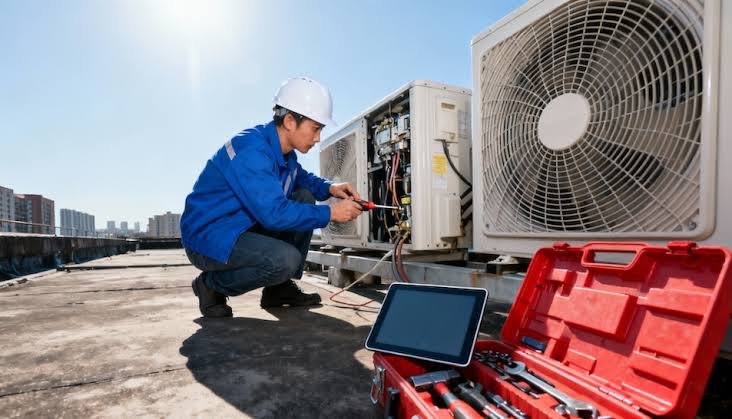
An air conditioning system plays an essential role in maintaining comfortable indoor temperatures, improving air circulation, and creating a pleasant environment in residential and commercial properties. Whether installed in a family home, office, retail store, or large commercial building, an air conditioner works continuously to regulate indoor conditions and remove excess heat. However, like any mechanical appliance, an air conditioning system can develop problems over time due to regular use, component wear, poor maintenance, electrical faults, or unexpected mechanical failures. When an air conditioner stops cooling properly, produces unusual noises, leaks water, or refuses to turn on, it can quickly disrupt everyday activities and create uncomfortable indoor conditions. Timely AC repair helps identify these problems, restore normal operation, and prevent minor faults from developing into more expensive equipment failures.
Many property owners do not pay much attention to their air conditioning systems until a noticeable problem appears. While some issues may seem minor initially, ignoring them can place additional strain on important components and reduce the overall efficiency of the equipment. For example, restricted airflow can force an air conditioner to operate longer than necessary, while an electrical fault may cause repeated shutdowns or prevent the system from starting altogether. Understanding common air conditioning problems, recognizing early warning signs, and knowing when professional assistance is necessary can help property owners make better maintenance decisions. A properly diagnosed and repaired system can provide more consistent cooling, improve energy efficiency, and support long-term equipment performance.
Understanding Why Air Conditioning Systems Develop Problems
Air conditioning systems contain several interconnected components that must work together to produce effective cooling. These include the compressor, condenser coil, evaporator coil, blower motor, refrigerant lines, thermostat, electrical connections, air filters, and drainage system. Each component performs a specific function, and a problem with one part can affect the performance of the entire system. For instance, a clogged filter may restrict airflow, while dirty coils can reduce heat transfer and make it difficult for the equipment to maintain the selected temperature.
Regular operation naturally contributes to wear and tear, especially when an air conditioner runs for extended periods. Electrical components can deteriorate, moving parts may become worn, and connections can loosen over time. Dust and debris can also accumulate inside the equipment, reducing airflow and interfering with normal operation. In some cases, problems result from incorrect installation, unsuitable equipment sizing, poor ventilation, or neglected maintenance.
Environmental conditions can also influence system performance. High humidity, airborne dust, extreme temperatures, and outdoor debris may affect different components and increase maintenance requirements. Understanding these factors helps explain why air conditioners occasionally require professional attention, even when they appear to be operating normally. Identifying the underlying cause of a problem is more effective than simply replacing parts without proper diagnosis.
Common Signs That Your Air Conditioner Needs Repair
Recognizing early warning signs can help property owners arrange repairs before a relatively small problem becomes a major equipment failure. One of the most noticeable symptoms is reduced cooling performance. If the air conditioner runs continuously but fails to maintain the desired temperature, there may be an issue involving airflow, refrigerant circulation, dirty coils, or the compressor. Uneven cooling between rooms can also indicate problems with ductwork, air distribution, or equipment performance.
Unusual noises are another indication that something may be wrong. Rattling, grinding, buzzing, clicking, or squealing sounds can be associated with loose components, motor problems, electrical faults, or damaged fan assemblies. Although some operational sounds are normal, sudden changes in noise levels should not be ignored. Identifying the source early may prevent further damage to connected components.
Water leakage around an indoor unit can indicate a blocked condensate drain, damaged drain pan, or another moisture-related problem. Similarly, unpleasant odors may suggest accumulated dirt, moisture, microbial growth, or electrical overheating. A burning smell should always be treated seriously, and the equipment should be switched off when safe to do so before arranging a professional inspection.
Other warning signs include frequent cycling, unexpected increases in electricity consumption, weak airflow, thermostat inaccuracies, and repeated system shutdowns. Paying attention to these symptoms makes it easier to communicate the problem to a technician and arrange the appropriate repair service.
Diagnosing Airflow Problems and Weak Cooling
Airflow problems are among the most common reasons an air conditioner fails to provide satisfactory cooling. The system depends on adequate air circulation to transfer heat effectively and distribute conditioned air throughout the building. When airflow becomes restricted, the equipment may struggle to maintain indoor temperatures, resulting in longer operating cycles and inconsistent comfort.
A dirty air filter is often one of the simplest possible causes. Filters capture airborne particles such as dust, pollen, and pet hair, but they gradually become clogged during regular operation. When the filter becomes excessively dirty, it restricts the amount of air passing through the system. Checking and replacing disposable filters according to manufacturer recommendations can help restore proper airflow.
Other possible causes include blocked return vents, dirty evaporator coils, blower motor problems, and damaged ductwork. In some situations, closed or obstructed vents can interfere with air distribution and create temperature differences between rooms. Professional technicians can inspect the ventilation system, measure airflow, and determine whether internal components require cleaning or repair.
Weak cooling should not automatically be blamed on a refrigerant problem. Several mechanical and airflow-related issues can produce similar symptoms. A proper diagnosis helps identify the actual cause and prevents unnecessary replacement of components or repeated service visits.
Understanding Refrigerant Problems and Leak Detection
Refrigerant is an essential substance used by an air conditioning system to transfer heat from indoor spaces to the outdoor environment. It circulates through a closed refrigeration circuit, changing pressure and temperature as it moves between the evaporator and condenser coils. The correct refrigerant charge is necessary for the system to operate within its designed performance range.
When refrigerant levels become too low, cooling performance may decrease. Property owners may notice longer operating cycles, insufficient cooling, ice formation around certain components, or unusual noises. However, low refrigerant generally indicates that a leak has developed because refrigerant is not normally consumed during standard air conditioner operation.
Simply adding more refrigerant without locating and repairing the leak is not a permanent solution. A qualified technician should inspect the refrigeration circuit, identify the source of leakage, complete suitable repairs, and recharge the system according to manufacturer specifications. Refrigerant handling requires specialized knowledge and equipment because incorrect procedures can create safety and environmental concerns.
Professional diagnosis is also important because similar symptoms can result from restricted airflow, dirty coils, or other mechanical problems. Correctly identifying the underlying issue ensures that the repair addresses the actual cause rather than temporarily improving performance.
Repairing Electrical Components and Connection Problems
Electrical components play a critical role in the operation of modern air conditioning systems. The compressor, fan motors, capacitors, contactors, control boards, wiring, and circuit protection devices all contribute to starting and maintaining normal operation. If any of these components develops a fault, the air conditioner may stop working, operate intermittently, or experience repeated shutdowns.
A faulty capacitor, for example, can prevent a motor from starting correctly or cause operational difficulties. Damaged wiring and loose connections may interrupt the electrical supply, while a defective contactor can interfere with the operation of certain system components. In more complicated cases, control board failures may affect communication between different parts of the equipment.
Electrical problems should always be handled by trained professionals. Air conditioning systems contain components that can present serious electrical hazards, including stored electrical energy in capacitors. Attempting to open electrical panels, test live connections, or replace internal components without proper training can result in injury or additional equipment damage.
A qualified technician can inspect the electrical system, test relevant components, identify damaged connections, and recommend suitable repairs. Addressing these problems correctly helps restore reliable operation and reduces the possibility of recurring electrical failures.
Fixing Water Leaks and Drainage Problems
Air conditioners naturally remove moisture from indoor air during the cooling process. As warm indoor air passes over the evaporator coil, moisture condenses and collects in a drain pan before flowing through a condensate drainage line. When this drainage system becomes blocked or damaged, water may accumulate inside the equipment and eventually leak into the surrounding area.
A clogged drain line is a common cause of indoor water leakage. Dust, algae, dirt, and other debris can gradually build up inside the drainage pathway, restricting water movement. A damaged drain pan, disconnected drain pipe, or improper equipment installation can also contribute to leaks. If the issue is ignored, moisture may damage nearby walls, ceilings, flooring, and furniture.
Property owners should pay attention to visible water around the indoor unit, damp surfaces, musty odors, and unusual dripping sounds. These symptoms should be investigated promptly, particularly when the equipment is installed above finished ceilings or near electrical components.
Professional repair may involve cleaning the drainage line, inspecting the drain pan, checking the unit’s installation position, and confirming that water flows away correctly. A properly functioning drainage system helps prevent moisture-related damage and supports reliable air conditioner operation.
The Importance of Cleaning and Maintaining AC Coils
Evaporator and condenser coils are essential components responsible for transferring heat during the cooling process. The evaporator coil absorbs heat from indoor air, while the condenser coil releases that heat into the outdoor environment. When these coils become covered with dust, dirt, or other contaminants, their ability to transfer heat can decrease.
Dirty evaporator coils may restrict airflow and reduce cooling performance, while contaminated condenser coils can make it more difficult for the system to release heat. As a result, the compressor may experience additional operating strain, and the air conditioner may consume more electricity than necessary. If the problem continues, it may contribute to overheating, inconsistent cooling, or other mechanical complications.
Regular inspection and cleaning help maintain efficient heat transfer. Homeowners can keep the outdoor unit free from leaves and loose debris, but internal coil cleaning should be performed carefully. Coil fins are delicate and can become damaged through improper handling or the use of unsuitable cleaning products.
Professional technicians use appropriate cleaning methods based on the coil material and equipment design. They can also inspect the surrounding components for corrosion, physical damage, and other conditions that may affect performance. Keeping coils clean helps support consistent cooling and reduces unnecessary strain on the refrigeration system.
Repairing Thermostat and Temperature Control Issues
The thermostat acts as the control center of an air conditioning system by monitoring indoor temperatures and communicating when cooling is required. If the thermostat becomes inaccurate, incorrectly positioned, or electrically damaged, the air conditioner may fail to maintain the desired temperature.
One common problem occurs when the thermostat displays a temperature that does not accurately represent the surrounding room conditions. This may happen when the device is installed near direct sunlight, heat-producing appliances, or other sources of temperature interference. Incorrect settings, low batteries, damaged wiring, and sensor problems can also affect its operation.
Modern programmable and smart thermostats offer additional features that allow users to schedule cooling periods, adjust settings remotely, and monitor certain aspects of energy consumption. However, these devices still depend on correct installation and proper communication with the air conditioning equipment.
Professional troubleshooting can help determine whether the issue involves the thermostat itself or another component of the control system. Technicians may inspect settings, check wiring, test temperature readings, and evaluate system responses. Restoring accurate temperature control can improve indoor comfort and reduce unnecessary equipment operation.
Why Professional AC Repair Is Better Than Guesswork
Attempting to identify an air conditioning problem without suitable knowledge can lead to incorrect conclusions and unnecessary expenses. Several different faults can produce similar symptoms, making accurate diagnosis essential. For example, weak cooling may result from a dirty filter, restricted ductwork, refrigerant leakage, a faulty blower motor, or a problem with the compressor. Replacing one component without confirming the actual cause may fail to resolve the problem.
Professional technicians use diagnostic equipment and established inspection procedures to evaluate the system. They can measure electrical values, assess refrigerant conditions, inspect airflow, examine mechanical components, and determine whether repairs are necessary. Their experience also helps them identify secondary problems that may otherwise remain unnoticed.
Another advantage of professional service is access to appropriate replacement components and repair methods. Using incompatible parts or incorrect installation techniques can negatively affect system performance and may create additional safety risks. Qualified professionals understand the manufacturer’s specifications and can recommend suitable solutions.
Professional repairs also provide property owners with a clearer understanding of the equipment’s condition. Technicians can explain whether the system needs a minor adjustment, a component replacement, or more extensive work. This information helps homeowners make informed decisions and plan future maintenance expenses more effectively.
How Regular Maintenance Helps Prevent Expensive Repairs
Preventive care is one of the most effective ways to reduce the likelihood of unexpected air conditioning problems. Although routine maintenance cannot prevent every mechanical failure, it can help identify developing issues before they become serious. Cleaning filters, inspecting coils, checking drainage systems, and evaluating electrical connections all contribute to better equipment performance.
Dirty filters should be inspected regularly and cleaned or replaced according to the manufacturer’s instructions. Outdoor units should remain free from leaves, grass clippings, and other debris that may restrict ventilation. Thermostat operation should also be checked to ensure that the equipment responds correctly to temperature adjustments.
Professional inspections can provide additional protection by identifying worn components, refrigerant-related concerns, airflow restrictions, and electrical problems. The appropriate service frequency depends on the system design, operating conditions, and manufacturer recommendations. Equipment used extensively throughout the year may require more frequent attention than systems with limited operating schedules.
Keeping records of inspections and repairs is also helpful. Maintenance history allows technicians to identify recurring problems, monitor component condition, and recommend appropriate future work. A consistent maintenance routine supports dependable cooling while reducing the risk of avoidable breakdowns.
Improving Energy Efficiency After AC Repairs
An air conditioning system that operates with damaged or poorly functioning components may consume more electricity than necessary. Restricted airflow, dirty coils, incorrect refrigerant conditions, and faulty temperature controls can all affect energy performance. When these issues are corrected, the equipment may operate more efficiently and maintain indoor temperatures with less unnecessary strain.
However, improving efficiency involves more than repairing the air conditioner itself. Building insulation, window sealing, ventilation, and everyday cooling habits also influence how much energy is required to maintain a comfortable indoor environment. Poorly insulated walls and gaps around doors and windows can allow conditioned air to escape while introducing unwanted heat.
Property owners can support better performance by using reasonable thermostat settings, keeping doors and windows closed while cooling is operating, and ensuring that return and supply vents remain unobstructed. Ceiling fans can improve perceived comfort in occupied rooms, although they should be switched off when those rooms are empty.
After completing repairs, technicians may also recommend adjustments that improve airflow or system operation. Combining appropriate repairs with sensible energy-saving habits can reduce unnecessary electricity consumption and support more consistent indoor comfort.
When to Repair or Replace an Air Conditioning System
One important decision property owners may face is whether an aging air conditioner should be repaired or replaced. The answer depends on several factors, including the equipment’s age, overall condition, repair history, energy efficiency, and cost of the required work. A relatively new system with a minor electrical or drainage issue may be worth repairing, while an older unit with repeated major failures may require a different long-term solution.
The cost of a repair should be compared with the expected benefits and remaining useful life of the equipment. If a compressor or another expensive component fails, property owners may need to consider whether investing in the repair is financially practical. Repeated service visits can also indicate that the system is approaching the end of its useful operating life.
Energy performance is another consideration. Older systems may consume more electricity than newer models designed with improved efficiency features. However, replacement decisions should not be based on age alone. Installation quality, equipment sizing, building conditions, and repair costs all influence the most appropriate option.
A qualified technician can inspect the system and provide an honest assessment of its condition. Comparing repair estimates with replacement costs helps property owners choose a solution that supports long-term comfort and financial practicality.
Choosing the Right AC Repair Service Provider
Selecting a reliable repair company is important because the quality of the service directly affects system performance and safety. Property owners should look for technicians with relevant training, practical experience, and a clear understanding of different air conditioning systems. Experience with split systems, central air conditioning, heat pumps, and other equipment types can be particularly valuable when diagnosing complex problems.
A dependable service provider should explain the inspection process, identify the cause of the problem, and provide a clear estimate before beginning major repairs. Property owners should also ask about replacement parts, service warranties, and the expected scope of the work. Transparent communication helps prevent misunderstandings and makes it easier to evaluate available repair options.
Professionalism and safety practices are equally important. Technicians should use suitable tools, follow manufacturer recommendations, and handle refrigerants and electrical components responsibly. A company that prioritizes accurate diagnosis rather than immediately recommending expensive replacements is generally a better choice for long-term equipment care.
Reading customer reviews and checking relevant credentials can provide additional insight into a service provider’s reliability. Choosing qualified professionals helps ensure that repairs are completed correctly and that the system receives the attention it needs.
Conclusion
An air conditioning system is an important part of maintaining indoor comfort, and even a minor mechanical problem can affect its performance. Weak cooling, unusual noises, water leakage, electrical faults, refrigerant problems, and thermostat issues are all signs that the equipment may require professional attention. Identifying these problems early can help prevent additional damage, reduce unnecessary operating costs, and restore dependable cooling.
Professional ac repair provides a systematic approach to diagnosing and correcting air conditioning problems. From inspecting electrical components and cleaning coils to repairing drainage systems and resolving refrigerant leaks, experienced technicians can address the underlying causes of equipment failure. Regular maintenance further supports reliable operation by identifying developing concerns before they become expensive breakdowns.
Property owners should pay attention to changes in system performance, follow manufacturer maintenance recommendations, and seek qualified assistance whenever significant problems occur. They should also consider the overall condition of their equipment when deciding between repairs and replacement. Ultimately, combining timely repairs, preventive maintenance, and responsible equipment use helps extend system lifespan, improve energy efficiency, and maintain a comfortable indoor environment throughout the year.