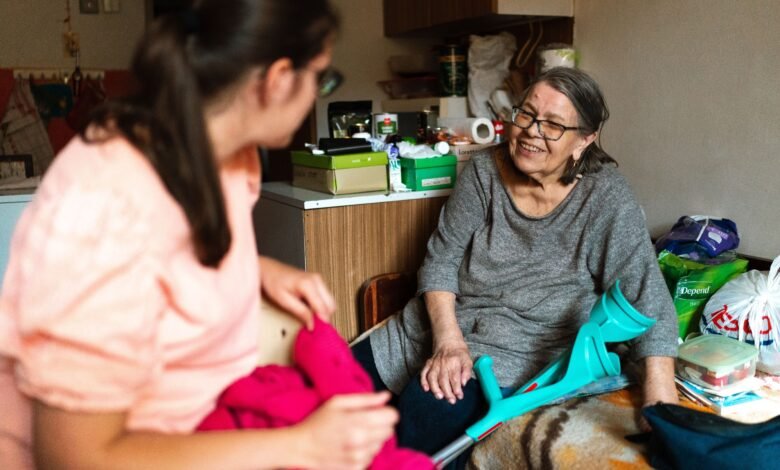
When a loved one enters a nursing home in Bergen County, families expect attentive staff, safe routines, and respectful care. Neglect does not always appear as one dramatic incident. It may emerge through missed medication, poor hygiene, unexplained injuries, or changes in mood that develop gradually. Recognizing these patterns early gives families an opportunity to ask questions, document concerns, and seek help before a resident’s health deteriorates. The goal is to protect your loved one’s health, dignity, and quality of life.
Neglect often develops through repeated lapses
Neglect can involve failures to provide the everyday assistance a resident needs. Someone may wait too long for help using the bathroom, miss meals, remain in wet clothing, or go too long without being repositioned.
Over time, inadequate care can contribute to dehydration, infections, falls, pressure injuries, and emotional distress. A resident may become withdrawn, confused, or fearful around particular caregivers. You may notice call buttons going unanswered or receive vague explanations when you ask about routine care.
Document concerns and raise them clearly
Keep a dated record of what you observe. Note injuries, room conditions, hygiene concerns, missed assistance, and changes in behavior. Record what the resident says in their own words when possible. Save relevant photographs, messages, medical documents, medication lists, and written communication with the facility.
Raise concerns with the charge nurse, director of nursing, and administrator. Be specific: describe what happened, when you noticed it, and what response you expect. Ask for a written explanation and a plan to prevent the problem from recurring. If there is an immediate medical concern, seek urgent clinical help rather than waiting for an administrative response.
If you believe a resident has been harmed through negligence, legal guidance may help you understand available options and preserve relevant evidence. Families considering their next steps may consult a Bergen County nursing home abuse lawyer to discuss concerns about accountability and resident protection.
Physical changes deserve prompt attention
A resident’s physical condition can reveal that essential care is being missed. Watch for unexplained bruises, sudden weight loss, cracked lips, poor hygiene, dirty bedding, untreated rashes, or clothing that is repeatedly soiled. New or worsening pressure injuries require prompt clinical assessment. They can be associated with prolonged pressure, limited mobility, inadequate repositioning, or failures in skin care.
Repeated dehydration, infections, and falls also deserve investigation. Missing glasses, dentures, hearing aids, or mobility devices can interfere with safety and independence. Medication problems may cause dizziness, unusual sleepiness, agitation, or changes in alertness.
Behavioral changes can be important warning signs
Some residents cannot easily describe what is happening. Dementia, communication difficulties, illness, or fear may make it harder to report poor treatment. Changes in behavior can therefore be important.
Notice whether your relative suddenly flinches, avoids particular staff members, refuses meals, stops joining activities, or seems unusually anxious. Changes in sleep, appetite, communication, or willingness to accept help may also matter. A person who once enjoyed visits may become withdrawn or distressed.
Compare current behavior with the person’s usual routines and abilities. Ask staff whether they have noticed a change, when it began, and whether a clinician has assessed it.
Look for patterns in the facility’s operations
Neglect may reflect systemic problems rather than one employee’s actions. Chronic understaffing, frequent turnover, poor supervision, and inadequate training can make consistent care difficult. During visits, notice whether alarms go unanswered, residents wait for basic assistance, or staff seem unable to respond to requests.
Ask how staffing is arranged across shifts, how care tasks are recorded, and who is responsible for communicating changes in a resident’s condition.
Understand how to check a facility’s record
Families can review inspection findings and compare facilities using the federal Medicare Care Compare service. Look beyond a single overall rating. Review inspection results, staffing information, and quality measures, while remembering that public data may not capture every problem or reflect the most recent event.
Know residents’ rights and reporting options
Residents have rights to dignity, appropriate care, participation in care planning, and freedom from abuse and neglect. The Centers for Medicare & Medicaid Services explains nursing home residents’ rights and quality of care, including ways to raise concerns. If there is immediate danger, suspected criminal conduct, or a medical emergency, contact the appropriate emergency or protective authority.
Make visits purposeful and consistent
Visit at different times when possible, including evenings or weekends. Check whether water, call buttons, glasses, hearing aids, and mobility devices are within reach. Notice whether the resident appears clean, comfortable, appropriately dressed, and able to access meals and activities.
Ask who is responsible for care during each shift and how often important tasks are documented. If a resident is at risk of falls or pressure injuries, ask what prevention measures are being used and how staff evaluate whether they are working.
Early action can protect health and dignity
Waiting until a problem becomes severe can limit a family’s options. Early attention may allow a resident to receive medical treatment, have care corrected, or move to a safer environment.
You are not overreacting by asking questions about unexplained changes or repeated lapses. Residents depend on others for essential daily care, and that responsibility deserves oversight. Watch for patterns, document what you see, and seek help when explanations do not resolve your concerns. The purpose is not to assume the worst; it is to make sure the person you love receives safe, respectful, and appropriate care every day, with dignity.