Allergens can enter workplaces through open doors, windows, clothing, and everyday activities. Pollen, dust particles, and mold spores may circulate through offices, meeting rooms, and shared facilities, even when surfaces appear clean. For employees sensitive to these triggers, airborne particles can make indoor environments less comfortable and affect their experience throughout the working day.
A suitable air purifier can help capture certain airborne allergens and support better indoor air management. However, effective allergen control requires more than installing equipment. Understanding common allergen sources, available purification technologies, and proper maintenance helps businesses develop a practical approach to creating cleaner and more comfortable workplaces.
Understanding Airborne Allergens in Workspaces
Airborne allergens are particles that can trigger reactions in sensitive individuals. Common examples include pollen, dust mite particles, pet dander, and mold spores. Their presence depends on the building’s surroundings, ventilation arrangements, cleaning practices, and activities performed within occupied spaces.
These particles can circulate through offices as air moves between rooms or through ventilation systems. Some settle on carpets, upholstery, desks, and other surfaces before becoming airborne again. Identifying likely sources helps facilities teams determine which purification methods and cleaning practices may be appropriate.
Why Allergen Control Matters in Workplaces
Offices and commercial buildings accommodate employees, visitors, and clients who share indoor spaces for extended periods. When airborne allergens remain present, sensitive occupants may experience discomfort that makes the environment less pleasant. Managing these particles can therefore contribute to a more considerate and comfortable workplace.
Purification should complement other indoor air management practices rather than replace them. Regular cleaning, appropriate ventilation, moisture management, and source reduction can help address different causes of indoor contamination. Combining these measures provides a more balanced approach than relying on a single device to resolve every air quality concern.
Technologies That Help Capture Indoor Allergens
Different purification technologies address different pollutants, making it important to understand their functions before selecting equipment. Filter efficiency, airflow, room size, and the particles requiring control can all influence performance. The most suitable arrangement depends on the building’s requirements and the manufacturer’s operating guidance.
-
High-Efficiency Particle Filters
High-efficiency filters capture small airborne particles as air passes through their filtering material. Depending on their specifications and the equipment’s performance, they can help remove airborne pollen, dust, and other particulate allergens. Proper installation is essential because gaps around filters can allow untreated air to bypass the filtration material.
-
Pre-Filters
Pre-filters capture larger particles, including lint, hair, and coarse dust, before air reaches finer filtration stages. This reduces the load placed on downstream filters and can support manageable maintenance routines. However, pre-filters alone may not provide the level of particle removal required when smaller airborne allergens are the primary concern.
-
Activated Carbon Filtration
Activated carbon is primarily used to adsorb certain gases and odors rather than capture allergens independently. When combined with particle filtration, it can address different indoor air concerns within one system. Understanding each filter’s purpose helps facilities teams choose technologies according to their specific requirements.
-
HVAC-Integrated Purification
HVAC-integrated systems treat air moving through suitable heating, ventilation, and air-conditioning equipment. This approach can be useful in buildings containing multiple connected rooms because treatment occurs within the existing air circulation system. Compatibility, airflow requirements, installation space, and maintenance access should be assessed before selecting an integrated solution.
-
Portable Air Purifiers
Portable units provide targeted air treatment in individual offices, meeting rooms, and other occupied areas. Their effectiveness depends on room dimensions, airflow capacity, placement, and the device’s specifications. Keeping air inlets and outlets unobstructed helps the unit circulate room air more effectively.
Practical Steps for Reducing Allergen Exposure
Choosing equipment is only one part of a workplace allergen management plan. Facilities teams should identify where particles originate, how they move through the building, and which areas need additional attention. Researching the best air purifier in India can help develop a shortlist, but comparisons should prioritize documented performance, suitable coverage, and appropriate filtration technology.
The selected equipment should match the intended space and its daily use. Consider airflow capacity, filter replacement requirements, operating noise, and maintenance instructions before making a decision. Larger workplaces may require several appropriately sized units or an integrated solution instead of relying on one small device.
- Manage windows and entry points during periods of high outdoor pollen.
- Clean carpets, upholstery, desks, and shared surfaces regularly.
- Address leaks and excessive moisture that may encourage mold growth.
- Replace filters according to the manufacturer’s recommendations.
- Keep purifier air inlets and outlets clear of furniture.
- Review cleaning and ventilation practices when conditions change.
These measures address allergens at different stages. Cleaning helps remove settled particles, moisture control reduces conditions that encourage mold, and filtration captures certain particles circulating through the air. Reviewing these practices periodically helps workplaces respond to seasonal changes, occupancy patterns, and different indoor requirements.
Maintaining Purification Performance
Regular maintenance helps purification equipment operate as intended. Filters collect particles during normal use, and accumulated material may restrict airflow when replacement or cleaning is overdue. Following manufacturer recommendations and considering actual operating conditions helps establish a suitable maintenance schedule.
Equipment placement and operating practices also influence performance. Units should have sufficient clearance for air circulation and should operate according to their intended use. For centralized systems, maintenance planning should account for filter access, compatible replacement components, and coordination with building operations. Keeping service records can help teams track routine maintenance.
Conclusion
Managing workplace allergens requires a combination of source reduction, cleaning, ventilation, and appropriate purification. High-efficiency filters can capture selected airborne particles, while suitable equipment placement and regular maintenance support effective operation. The right approach depends on building design, occupancy, ventilation, and the allergens that need to be addressed.
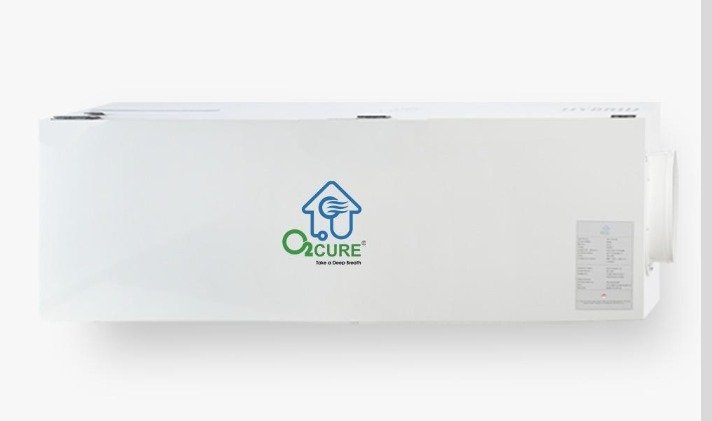
For organizations seeking tailored indoor air solutions, O2Cure offers residential, commercial, and HVAC-integrated purification technologies designed for different spaces and air quality requirements. Its portfolio includes air purifiers, filtration products, monitoring devices, and advanced purification systems that can support varied indoor applications. Customers considering an air purifier for home can explore solutions suited to residential environments, while businesses can evaluate options according to their workspace requirements and purification objectives.