The Complete Guide to Maintaining Your Roof, Preventing Damage, and Protecting Your Property

A roof is one of the most important structural components of any building because it provides protection against harsh weather, moisture, temperature changes, and external environmental conditions. Although roofs are designed to withstand years of exposure, they are not completely immune to deterioration. Continuous exposure to sunlight, heavy rainfall, strong winds, snow, and changing temperatures can gradually weaken roofing materials and create problems that may affect the safety and comfort of a property. Many property owners overlook minor roofing issues because they appear insignificant at first, but even a small crack, loose shingle, or damaged flashing can eventually develop into a costly structural concern. Understanding how roofing systems function, recognizing early warning signs, and arranging appropriate maintenance are essential steps toward protecting a building and maintaining its long-term value.
Proper roof maintenance is not simply about keeping the exterior of a building attractive. It involves preserving the structural integrity of the property, preventing water infiltration, improving energy efficiency, and reducing the possibility of unexpected repair expenses. A well-maintained roofing system helps regulate indoor temperatures, protects insulation, and prevents moisture from damaging ceilings, walls, electrical installations, and other important components. Whether a property has asphalt shingles, metal panels, clay tiles, or another roofing material, regular inspections and timely professional attention can significantly extend its useful life. Property owners who understand the importance of preventive care are better equipped to make informed decisions and avoid unnecessary complications.
Understanding the Importance of a Strong Roofing System
A roofing system performs several essential functions that directly influence the durability and performance of a building. Its primary responsibility is to create a protective barrier between the interior environment and external weather conditions. However, a roof also contributes to ventilation, insulation, moisture management, and overall structural stability. When all roofing components work together correctly, they help maintain comfortable indoor conditions while protecting the building from environmental damage. A properly installed and maintained roof can serve a property for decades, depending on the materials used, installation quality, environmental exposure, and maintenance schedule.
One of the most significant benefits of maintaining a strong roofing system is preventing water intrusion. Rainwater can enter through damaged shingles, deteriorated flashing, cracked tiles, or poorly sealed joints. Once moisture penetrates the roofing structure, it can spread into insulation, wooden supports, drywall, and other building materials. This may result in unpleasant odors, mold growth, peeling paint, and weakened structural components. Water damage can also remain hidden for extended periods, making it difficult to identify the original source of the problem. Regular inspections help uncover these vulnerabilities before they become serious issues that require extensive restoration.
Another important advantage is improved energy efficiency. Roofing materials, insulation, and ventilation systems work together to regulate indoor temperatures throughout the year. When roofing components become damaged or insulation is exposed to moisture, heating and cooling systems may need to work harder to maintain comfortable conditions. This can increase energy consumption and utility expenses. Maintaining the roof helps preserve the building’s thermal performance and supports a more comfortable indoor environment. For homeowners and commercial property managers, these benefits make roofing maintenance a valuable long-term investment.
Common Roofing Problems Every Property Owner Should Recognize
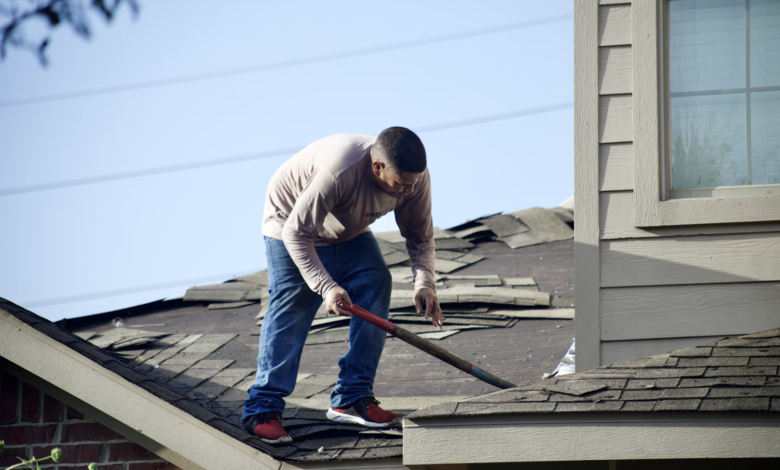
Roofing problems can develop gradually or appear suddenly following severe weather conditions. Some issues are visible from the ground, while others remain concealed beneath roofing materials or inside the attic. Recognizing common warning signs allows property owners to arrange professional assessments before damage spreads. One of the most frequently encountered problems is deterioration of roofing materials. Asphalt shingles may curl, crack, lose protective granules, or become loose due to prolonged exposure to sunlight and moisture. Metal roofing can develop corrosion when protective coatings deteriorate, while tiled roofs may experience cracks caused by impact, temperature fluctuations, or aging.
Leaks are another major concern because they can affect several parts of a building. Water stains on ceilings, damp patches along walls, peeling interior paint, and unexplained moisture in attic spaces may indicate that water is entering through the roof. However, the visible signs of a leak do not always appear directly beneath the damaged area because water can travel along beams, insulation, and other structural surfaces before becoming noticeable. This makes identifying the actual source particularly important. Professional inspections can help determine whether the problem originates from damaged roofing materials, deteriorated seals, faulty flashing, or drainage issues.
Flashing failures are also common and should never be ignored. Flashing consists of protective materials installed around chimneys, skylights, vents, valleys, and other areas where different roofing surfaces meet. These sections are particularly vulnerable because they involve joints and transitions that must remain properly sealed to prevent moisture penetration. When flashing becomes loose, corroded, or damaged, water can enter the underlying structure even when the surrounding roofing materials appear to be in good condition. Addressing these issues promptly helps prevent further deterioration and protects vulnerable sections of the building.
Recognizing the Warning Signs That Your Roof Needs Attention
Many roofing issues provide early warning signs before they develop into major problems. Learning to recognize these indicators can help property owners respond quickly and reduce the likelihood of extensive damage. Water stains on ceilings and walls are among the most recognizable signs, particularly when they appear after rainfall. These stains may initially look like small discolored patches, but they can gradually expand as moisture continues entering the building. Damp insulation, musty odors, and peeling interior finishes can also indicate hidden moisture problems that require investigation.
Changes in the appearance of roofing materials should also receive attention. Missing shingles, uneven surfaces, cracked tiles, exposed underlayment, and visible gaps around roof penetrations may indicate that the protective roofing layer has been compromised. Property owners should also pay attention to granules collecting inside gutters or near downspouts, as excessive granule loss may suggest that asphalt shingles are approaching the end of their service life. Although some deterioration is expected as materials age, unusual or widespread changes should be evaluated by a qualified professional.
Unexpected increases in energy bills may provide another indication of roofing problems. When insulation becomes wet, ventilation is restricted, or gaps develop in the roofing structure, indoor temperatures may become more difficult to regulate. Heating and cooling systems may operate for longer periods, increasing energy consumption without providing the expected comfort. Although several factors can contribute to higher utility expenses, inspecting the roof and attic can help determine whether roofing conditions are part of the problem. Paying attention to these signs makes it easier to address concerns before they affect other building systems.
Why Professional Inspections Are Essential for Long-Term Protection
Professional roofing inspections provide a detailed understanding of the condition of a roofing system and help identify problems that may not be visible during a basic visual assessment. Experienced roofing specialists understand how different materials respond to environmental conditions and know where common weaknesses are likely to develop. They can evaluate shingles, tiles, metal panels, flashing, drainage systems, ventilation openings, and other important components to determine whether repairs or maintenance are necessary. Their experience also allows them to distinguish between normal aging and damage that could compromise the roof’s performance.
An inspection typically begins with an examination of the visible roofing surface, followed by an assessment of vulnerable areas such as valleys, edges, joints, and penetrations. Depending on the property’s design and the nature of the suspected problem, professionals may also inspect attic spaces, insulation, ventilation systems, and interior ceilings. This comprehensive approach helps identify the source of moisture, evaluate structural conditions, and determine whether existing damage has affected other parts of the building. A detailed inspection report can also help property owners prioritize maintenance work according to urgency and potential consequences.
Scheduling inspections after major weather events is particularly beneficial because strong winds, heavy rainfall, hail, and falling branches can cause damage that is not immediately obvious. Even when a roof appears intact from the ground, certain materials may have become loose, protective coatings may have been damaged, or flashing may have shifted. A professional assessment provides greater confidence that the roofing system remains secure and functional. Routine inspections also support better financial planning because identifying minor problems early generally provides more opportunities for affordable maintenance instead of extensive restoration.
Choosing the Right Roofing Materials for Durability and Performance
Selecting suitable roofing materials is an important decision that influences the appearance, durability, maintenance requirements, and overall performance of a building. Different materials offer different advantages, and the right choice depends on factors such as architectural design, structural capacity, environmental conditions, budget, and expected lifespan. Asphalt shingles remain popular because they are available in numerous colors and styles, are relatively affordable, and can be installed on many residential properties. However, their performance depends on installation quality, ventilation, weather exposure, and regular maintenance.
Metal roofing is another widely used option because it offers durability, relatively low maintenance requirements, and resistance to many common weather-related problems. Available in different profiles and finishes, metal panels can complement both traditional and contemporary architectural designs. High-quality metal roofing can provide long service life when installed correctly and protected against corrosion. Nevertheless, property owners should consider insulation, noise management, fastening systems, and the quality of protective coatings before selecting this material. Proper installation is especially important because poorly secured panels or improperly sealed joints can create opportunities for water penetration.
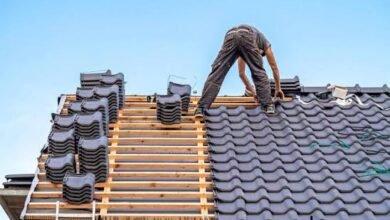
Clay and concrete tiles are valued for their distinctive appearance, durability, and resistance to certain environmental conditions. They can add character to a building while providing substantial protection when properly installed. However, these materials are relatively heavy, so the underlying structure must have sufficient strength to support their weight. Slate is another premium roofing option known for its natural appearance and impressive longevity, although it generally involves higher material and installation costs. Comparing the advantages and limitations of different roofing materials helps property owners choose an option that meets their practical requirements while supporting long-term building performance.
The Importance of Timely Repairs and Preventive Maintenance
Delaying necessary maintenance can turn a manageable roofing issue into a much more complicated problem. A small opening around a vent or a few damaged shingles may initially appear harmless, but continuous exposure to rainfall and temperature changes can gradually expand the affected area. Moisture may enter the roof deck, damage insulation, weaken wooden supports, and create conditions that encourage mold development. Once these problems spread, the cost and complexity of restoration can increase considerably. Timely attention is therefore one of the most effective ways to protect a property against avoidable damage.
Preventive maintenance should include regular visual assessments, gutter cleaning, inspection of flashing, and removal of debris that accumulates on the roofing surface. Leaves, branches, dirt, and other materials can obstruct water drainage and create areas where moisture remains trapped. Blocked gutters may cause water to overflow near exterior walls, foundations, and roof edges, increasing the possibility of moisture-related problems. Keeping drainage pathways clear allows rainwater to move away from the building as intended and reduces unnecessary pressure on vulnerable roofing components.
When damage is identified, arranging professional roof repair can help restore the affected areas and prevent further deterioration. The appropriate solution depends on the type of roofing material, the extent of the damage, and the condition of the underlying structure. Some situations may require replacing individual shingles, resealing joints, or correcting flashing problems, while more extensive damage may require replacing larger sections of roofing materials. A qualified professional can evaluate the condition of the system and recommend a suitable approach rather than relying on temporary solutions that may fail under future weather exposure.
How Proper Roof Ventilation Improves Building Performance
Roof ventilation is an essential part of a healthy roofing system because it helps regulate temperature and moisture levels within attic spaces. Without adequate airflow, warm air can accumulate during hotter months, increasing indoor temperatures and placing additional pressure on cooling systems. During colder periods, trapped moisture can contribute to condensation, which may damage insulation and wooden structural components. Proper ventilation creates a controlled movement of air that helps reduce these risks and supports more consistent indoor conditions throughout the year.
A balanced ventilation system generally includes intake vents that allow fresh air to enter and exhaust vents that release warm, humid air from the attic. The exact arrangement depends on the roof design, building structure, insulation levels, and local building requirements. Common ventilation components include soffit vents, ridge vents, gable vents, and roof-mounted exhaust vents. These elements must work together effectively because simply adding more vents does not necessarily improve airflow. Poorly planned ventilation can create uneven air movement and may even allow moisture to enter vulnerable areas.
Property owners should also understand that ventilation and insulation serve different but complementary purposes. Insulation slows the transfer of heat between indoor and outdoor environments, while ventilation helps manage air movement and moisture within designated spaces. Both systems must be installed correctly to achieve the intended performance. During roofing inspections, professionals can evaluate whether existing ventilation is sufficient and whether insulation has been affected by moisture or deterioration. Addressing these issues can improve comfort, reduce unnecessary energy consumption, and help protect the roof structure over time.
Understanding the Difference Between Repairs and Complete Roof Replacement
Deciding whether to repair an existing roof or replace the entire system requires careful consideration of several factors. The age of the roofing materials, the extent of visible damage, the condition of the underlying structure, and the frequency of previous problems all influence the decision. If damage is limited to a small area and the surrounding materials remain in good condition, targeted repairs may provide an effective and economical solution. However, when problems affect large sections of the roofing system, repeated repairs may become less practical and could eventually cost more than installing a new roof.
The overall condition of the roof is just as important as its age. Some roofing systems remain functional beyond their expected service life because they have received proper installation and maintenance, while others deteriorate earlier due to poor workmanship, inadequate ventilation, or severe environmental exposure. Widespread leaks, extensive material deterioration, sagging sections, and recurring moisture problems may indicate that the roofing structure requires more comprehensive attention. In such circumstances, a professional assessment can help determine whether localized restoration is sufficient or a complete replacement would offer better long-term value.
Financial planning should also consider the future performance of the roofing system. Although replacement generally involves a higher initial investment, it may reduce ongoing maintenance expenses and provide improved protection when an existing roof has reached the end of its useful life. On the other hand, replacing a roof that only requires limited maintenance can result in unnecessary spending. Property owners should request detailed assessments, understand the recommended scope of work, and compare the expected benefits of both options before making a decision. A well-informed choice helps balance immediate expenses with long-term durability and property protection.
Selecting a Reliable Roofing Contractor for Quality Work
The quality of roofing work depends heavily on the knowledge, experience, and professionalism of the contractor performing it. Even high-quality materials can fail prematurely when installation or repair work is completed incorrectly. Choosing a reliable contractor therefore requires more than comparing the lowest available price. Property owners should look for professionals who have relevant experience with their roofing material, understand applicable building requirements, and can clearly explain the recommended work. A trustworthy contractor should also be willing to assess the problem carefully before suggesting a solution.
Before hiring a roofing professional, it is helpful to review their previous projects, customer feedback, insurance coverage, and licensing requirements where applicable. Written estimates should describe the materials, labor, project scope, expected completion period, and any additional expenses that may arise. Property owners should also ask about workmanship warranties and manufacturer warranties to understand what protection is available after the project has been completed. Clear communication is essential because it reduces misunderstandings and helps ensure that everyone involved has the same expectations.
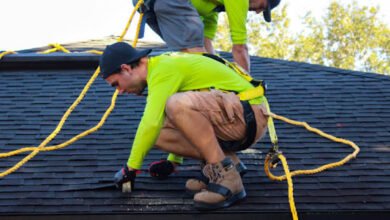
Another important consideration is the contractor’s approach to safety and property protection. Roofing work often involves working at heights, handling heavy materials, and operating specialized equipment. Professional contractors should follow appropriate safety practices, use suitable protective equipment, and take precautions to prevent damage to surrounding property. They should also maintain a clean work area and explain how debris will be removed once the project is finished. Selecting a responsible contractor improves the likelihood of receiving durable results and helps make the entire process more organized and predictable.
Preparing Your Property for Roofing Work
Preparing a property before roofing work begins can help the project proceed more efficiently and reduce the possibility of accidental damage. Homeowners should move vehicles away from the work area, secure outdoor furniture, and remove fragile objects from balconies, patios, or nearby spaces. Vibrations caused by construction activities may affect items stored in attics or along upper floors, so it is sensible to protect valuable belongings and relocate delicate decorations when necessary. Contractors should explain which preparation steps are required based on the nature and size of the project.
Communication with the roofing team is equally important. Property owners should understand the planned work schedule, access requirements, expected noise levels, and arrangements for material delivery and waste removal. If the property contains pets or young children, temporary adjustments may be necessary to keep them away from active work areas. It is also helpful to identify any special concerns, such as landscaping, outdoor lighting, or fragile exterior features, before the project begins. Addressing these matters in advance helps avoid unnecessary interruptions and creates a safer working environment.
Once the work is completed, a final inspection should confirm that the agreed tasks have been performed correctly. The contractor should review the completed installation or restoration, explain any maintenance recommendations, and provide relevant documentation. Property owners should also check that construction debris has been removed and that gutters, downspouts, and surrounding outdoor spaces have been left in suitable condition. Maintaining records of the work, including invoices, warranties, photographs, and inspection reports, can be valuable for future maintenance and property transactions.
Protecting Your Investment Through Regular Roof Maintenance
A long-term maintenance strategy is one of the most effective ways to preserve the performance and appearance of a roofing system. Rather than waiting until a leak or visible defect appears, property owners should establish a routine inspection schedule that accounts for the roof’s age, material type, and environmental exposure. Seasonal assessments can help identify developing concerns, while additional inspections following severe weather provide an opportunity to detect sudden damage. Maintaining a written record of observations and completed work also makes it easier to monitor changes over time.
A practical maintenance plan should include checking for loose or missing materials, inspecting flashing, cleaning gutters, removing accumulated debris, and evaluating visible drainage problems. Tree branches that hang too close to the roof should be managed carefully because they may scrape roofing surfaces, drop debris, or cause impact damage during strong winds. However, property owners should avoid climbing onto roofs without appropriate equipment and experience. Roofing surfaces can be slippery, unstable, and dangerous, particularly after rainfall or when structural damage is present. Professional assistance is the safer choice whenever an inspection requires direct access to elevated or vulnerable areas.
Consistent maintenance also supports better financial management. By identifying small concerns before they develop into extensive damage, property owners can plan expenses, compare professional recommendations, and prioritize essential work. Keeping the roofing system in good condition may also improve the property’s appearance and contribute positively to its overall market value. Prospective buyers often consider the condition of major structural components when evaluating a property, and a documented maintenance history can provide additional confidence in its overall care.
Final Thoughts on Maintaining a Durable and Reliable Roof
A properly maintained roof is essential for protecting a building, preserving indoor comfort, and preventing unnecessary structural deterioration. From recognizing early warning signs and selecting suitable materials to arranging professional inspections and maintaining effective ventilation, every aspect of roofing care contributes to the overall performance of a property. Although some maintenance tasks may seem minor, ignoring them can allow moisture, weather exposure, and gradual material deterioration to create more serious problems. Taking a proactive approach helps property owners protect their investment while reducing the possibility of unexpected expenses.
Professional roof repair in los gatos services play an important role in addressing damage, restoring vulnerable sections, and maintaining the reliability of the roofing structure. However, successful maintenance begins with understanding the condition of the existing system and selecting solutions that address the actual source of the problem. Working with experienced professionals, choosing quality materials, and following a consistent inspection schedule can make a meaningful difference in the durability of a roof.
Ultimately, protecting a property requires attention to both visible and hidden roofing components. Regular maintenance, timely professional assessments, and informed decisions about repairs or replacement can help ensure that the roofing system continues to perform effectively for many years. By treating roofing maintenance as an ongoing responsibility rather than an occasional expense, property owners can maintain a safer, more comfortable, and more valuable building while avoiding many preventable problems.