How to Choose Professional Pilates Reformer Equipment for a Commercial Studio

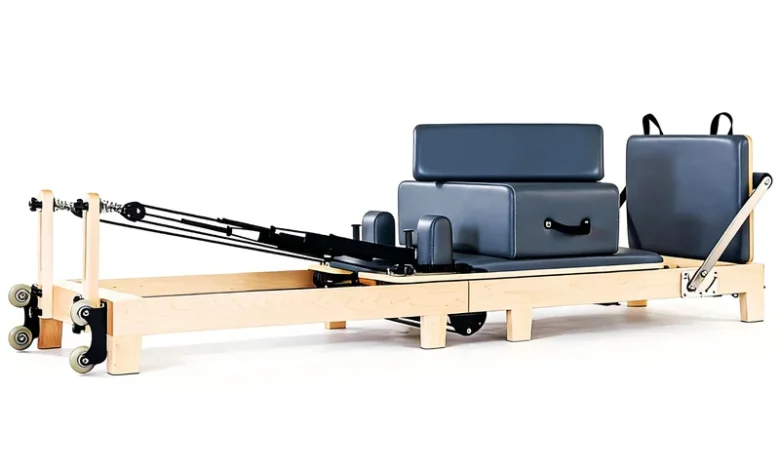
Choosing the right professional Pilates reformer is one of the most important decisions when opening or upgrading a Pilates studio. The equipment you invest in affects more than the appearance of your training space. It influences class capacity, instructor workflow, client comfort, exercise variety, maintenance costs, and the overall experience you provide to members.
Unlike home Pilates equipment, a professional Pilates reformer machine needs to accommodate frequent use, different body types, varying fitness levels, and a wide range of exercises. It should also offer consistent performance throughout a busy schedule, whether your studio focuses on group classes, private sessions, or specialized training.
However, not every studio needs the same type of reformer. A boutique Pilates studio with four machines may have different requirements from a commercial fitness center offering several group classes every day.
So, how do you choose the right equipment?
This guide explains what to consider before purchasing professional Pilates reformers, compares popular equipment types, explores essential features, and discusses costs and purchasing options to help you make a practical investment for your studio.
What Should You Consider Before Buying Professional Pilates Reformers?
Before comparing individual models, take time to understand how your studio will operate. The best equipment should match your available space, expected client volume, and long-term business plans.
Studio Size and Available Floor Space
Start by measuring the actual training area rather than considering only the room’s total square footage.
A Pilates reformer requires additional clearance beyond its physical dimensions. Instructors need enough room to move around the equipment, adjust springs, assist clients, and demonstrate exercises safely.
For example, a small private Pilates studio may accommodate two to four reformers, while a larger group-training facility may require eight or more machines.
Also consider ceiling height if you plan to install reformers with towers. Storage areas for reformer boxes, jumpboards, and other accessories should be included in your layout.
A practical approach is to create a floor plan before placing an equipment order. This helps prevent overcrowding and makes it easier to maintain comfortable movement between machines.
Number of Clients and Training Sessions
Think about how many clients you expect to train simultaneously and how frequently your equipment will be used.
A studio offering private instruction may only need a few versatile machines. However, a group reformer studio with six to ten participants needs enough equipment to accommodate its class schedule.
Daily usage is another important consideration. A machine used for several consecutive classes requires a reliable frame, durable upholstery, and components that can withstand repeated adjustments.
When comparing products, ask manufacturers whether their models are designed for commercial use and what maintenance schedule they recommend.
Studio Positioning and Business Goals
Your studio’s positioning should also influence your purchasing decision.
For example:
Boutique Pilates studios: May prioritize premium materials, elegant finishes, and a comfortable client experience.
Group fitness studios: Often need consistent machine configurations, efficient adjustments, and reliable daily performance.
Rehabilitation and wellness facilities: May prioritize adjustable resistance, accessibility, and compatibility with specialized training programs.
Luxury hotels and resorts: May prefer premium wooden finishes and equipment that complements the interior design
Understanding your target clients helps you avoid paying for features that do not support your actual business model.
What Types of Professional Pilates Reformers Are Best for Commercial Studios?
Professional Pilates reformers are available in different materials, configurations, and designs. Wooden and aluminum models are two common choices, while tower-equipped reformers provide additional exercise possibilities.
Wooden Pilates Reformers for Traditional Studio Settings
Wooden Pilates reformers are popular in studios that value traditional Pilates aesthetics and a warm, premium training environment.
Common materials include maple, oak, and other hardwoods. Their natural finishes can complement boutique studios, wellness centers, and luxury fitness spaces.
Beyond appearance, frame construction and manufacturing quality are important. A well-designed wooden reformer should provide a stable platform, smooth carriage movement, and dependable spring connections.
Wooden models are particularly suitable for studios that want a classic Pilates atmosphere without compromising on professional functionality.
However, buyers should check the wood construction, joint quality, surface finish, and resistance to wear before purchasing.
Aluminum Pilates Reformers for Modern Studios
Aluminum Pilates reformers are another popular option for commercial environments.
Compared with traditional wooden models, aluminum frames can offer a more contemporary appearance and may be easier to move depending on their construction and overall weight.
High-quality aluminum reformers can provide a stable training platform while supporting a variety of adjustable configurations.
They are often considered by modern Pilates studios, fitness centers, and commercial facilities looking for a clean, minimalist design.
When evaluating an aluminum model, pay attention to frame thickness, structural design, track alignment, and the quality of the moving carriage. The material alone does not determine durability; overall engineering and manufacturing quality matter just as much.
Professional Reformers with Tower for Versatile Training
A Pilates reformer with tower combines the traditional moving carriage with a vertical frame and additional spring attachment points.
This configuration expands the range of exercises available to instructors. Depending on the design, clients can perform additional upper-body, lower-body, stretching, and assisted movement exercises.
For example, a studio offering private sessions may use the tower for exercises that require different spring attachment positions and movement directions.
A tower-equipped reformer can also help studios offer a broader range of training programs without purchasing a completely separate apparatus for every exercise category.
However, it requires additional vertical space and may involve a higher initial investment. Make sure your instructors are familiar with tower-based programming before choosing this configuration.
What Features Should Commercial Pilates Reformers Have?
A professional Pilates reformer machine should be evaluated as a complete system rather than judged by its appearance or material alone.
The following features deserve particular attention.
Durable Frame and Reliable Construction
The frame supports the entire training system, so structural stability is essential.
Whether you choose wood or aluminum, examine the construction quality, connection points, track alignment, and overall stability.
A commercial reformer should remain steady during different exercises, including movements involving standing, kneeling, and dynamic transitions.
Ask the supplier about material specifications, load testing, quality inspection procedures, and the recommended usage environment.
Adjustable Spring Resistance and Footbar
Spring resistance is one of the defining features of a Pilates reformer.
Different spring tensions allow instructors to modify exercise difficulty and provide appropriate resistance for different training objectives.
For example, a beginner may require a different spring configuration from an experienced client performing more challenging movements.
A good commercial model should have clearly identifiable spring options and a secure attachment system.
The footbar should also offer practical adjustment positions to accommodate different exercises and client body proportions.
Smooth Carriage and Comfortable Padding
The carriage moves along the reformer’s tracks and directly influences the training experience.
A smooth, controlled movement helps clients focus on their exercise technique rather than dealing with unnecessary friction or noise.
When testing a machine, pay attention to:
Carriage movement throughout the full track.
Stability during different movement patterns.
Wheel and bearing quality.
Headrest and shoulder pad positioning.
Upholstery comfort and cleaning requirements.
For busy studios, easy-to-clean upholstery is particularly useful because equipment needs to be reset between clients.
Versatile Accessories for Different Exercises
Accessories can significantly expand the exercise options available on a professional Pilates reformer.
Common accessories include:
Reformer box: Supports seated, lying, and modified exercise positions.
Jumpboard: Allows low-impact jumping and cardio-focused training.
Foot straps and hand straps: Provide additional support and exercise variations.
Standing platform: Supports standing movements and balance exercises.
Tower attachment: Adds vertical spring-based exercise options.
Before purchasing, confirm that accessories are compatible with the specific reformer model. If you plan to purchase several machines, consistent accessory specifications can also simplify equipment management.
How Much Do Professional Pilates Reformers Cost for a Studio?
The price of professional Pilates reformer equipment varies considerably depending on the manufacturer, materials, construction, accessories, customization, and order quantity.
A home-use reformer and a commercial studio model may look similar at first glance, but their intended usage, structural requirements, and service arrangements can be very different.
Factors That Affect Reformer Equipment Costs
Several factors influence the final purchase price:
| Cost Factor | What to Consider |
| Frame material | Wooden and aluminum models may have different manufacturing costs. |
| Construction quality | Frame structure, track systems, wheels, and components affect overall value. |
| Spring system | Spring quantity, resistance options, and replacement availability matter. |
| Accessories | Boxes, jumpboards, towers, and additional attachments increase the total cost. |
| Customization | Special colors, upholstery, logos, and configurations may affect pricing. |
| Shipping | Packaging dimensions, shipping destination, and transportation method influence landed costs. |
Rather than comparing prices alone, consider the total cost of ownership.
A lower-priced machine may require more frequent maintenance or replacement, while a more expensive model may provide better long-term value if it matches your studio’s usage requirements.
Single-Unit Purchases vs. Bulk Orders
The number of machines you purchase can influence your supplier options and overall budget.
Buying one reformer is useful when testing a new equipment model, opening a private training room, or replacing an existing machine.
However, studios preparing to open with multiple training stations may benefit from requesting wholesale quotations.
When purchasing several units, ask suppliers whether they can provide consistent configurations, coordinated finishes, compatible accessories, and consolidated shipping arrangements.
If you are developing a new studio brand, it may also be worth discussing OEM or ODM customization options, such as upholstery colors, logos, and product configurations.
Balancing Equipment Quality and Budget
A sensible purchasing strategy is to prioritize features that directly affect everyday studio operations.
For example, investing in a reliable carriage system, adjustable springs, and durable upholstery may be more valuable than paying extra for decorative features that clients rarely notice.
You should also reserve part of your budget for maintenance, replacement accessories, instructor training, and future equipment expansion.
The goal is not simply to purchase the cheapest machines. It is to select equipment that supports your business over the long term.
Where Should You Buy Professional Pilates Reformer Equipment?
Once you understand your requirements, the next step is finding a supplier that can provide suitable products and dependable support.
There are several purchasing options available to Pilates studio owners.
Buying from Local Pilates Equipment Suppliers
Local suppliers can be a convenient option, especially if you want to inspect equipment in person or receive assistance with installation.
Some suppliers also provide local service technicians and replacement parts, which can be useful when operating a busy studio.
However, prices, available models, and customization options may vary between distributors.
Before making a decision, compare product specifications, warranty coverage, shipping arrangements, and after-sales support.
Working Directly with a Pilates Reformer Manufacturer
Purchasing directly from a manufacturer can be worth considering, particularly when you need multiple machines or customized equipment.
Factory-direct purchasing may provide access to a wider range of configurations and more direct communication about product specifications.
It can also reduce the number of intermediaries involved in the purchasing process.
For example, CoreFlow provides different types of Pilates reformer equipment for studios, fitness facilities, and commercial buyers.
You can explore the available professional pilates reformer options to compare wooden and aluminum models, different configurations, and equipment suitable for professional training environments.
For studio owners planning larger orders, communicating directly with a manufacturer can also make it easier to discuss product customization, branding, packaging, and shipping requirements.
Comparing Warranty, Shipping, and After-Sales Support
A supplier’s service arrangements are just as important as the equipment itself.
Before confirming an order, ask the following questions:
Does the warranty explicitly cover commercial studio use?
How long is the warranty for the frame and accessories?
Are replacement springs, straps, wheels, and other components available?
What is the typical production and shipping lead time?
How are damaged or missing parts handled?
Is technical assistance available after delivery?
For international buyers, also confirm the shipping terms, packaging protection, customs responsibilities, and estimated delivery arrangements.
A dependable supplier should be able to explain these details clearly before you place an order.
Conclusion
Choosing the right professional Pilates reformer requires more than comparing product prices or selecting an attractive design.
Studio owners should consider their available space, expected class sizes, training programs, equipment materials, resistance systems, accessory requirements, and long-term maintenance needs.
Wooden reformers can complement traditional and premium studio environments, while aluminum models offer another option for modern commercial spaces. Tower-equipped reformers can provide additional training versatility when the studio has sufficient space and qualified instructors.
Most importantly, work with a supplier that understands commercial equipment requirements and can provide clear product specifications, warranty information, and after-sales support.
By evaluating these factors before purchasing, you can build a Pilates studio that delivers a consistent training experience while supporting your business as it grows.
FAQs
How many Pilates reformers does a new studio need?
The number depends on your studio size, business model, and expected class capacity.
A small private Pilates studio may start with two to four reformers, while a group-training studio may need six to ten or more machines.
Before purchasing, consider the available floor space, instructor workflow, and expected class attendance. It is often more practical to start with a manageable number of machines and expand as demand grows.
What is the best material for commercial Pilates reformers?
Both wood and aluminum can be suitable for commercial Pilates reformers.
Wooden reformers are often preferred by studios that want a traditional appearance and natural finishes. Aluminum reformers are popular in modern facilities that favor a contemporary design.
The best choice depends on construction quality, stability, maintenance requirements, studio aesthetics, and budget. It is important to evaluate the complete machine rather than choosing based on frame material alone.
Should a Pilates studio buy reformers directly from a manufacturer?
Buying directly from a manufacturer can be a practical option, especially when purchasing multiple machines or requesting customized configurations.
It may provide more direct communication about product specifications, wholesale pricing, branding, and production arrangements.
However, studio owners should still compare warranty coverage, quality control, shipping arrangements, replacement parts, and after-sales support before selecting a supplier.