How Farm Tractors Support Cover Crop Management and Healthier Agricultural Soil

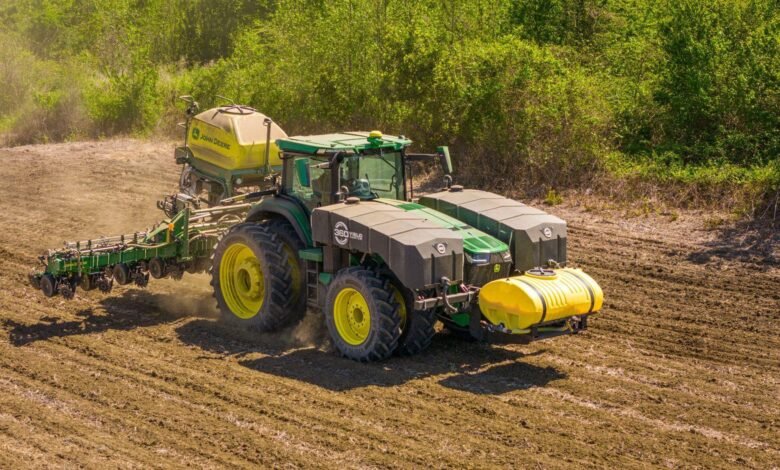
Healthy soil is one of the most valuable resources on any farm. It supports crop growth, holds moisture, supplies nutrients, and provides the foundation for long-term agricultural productivity. However, repeated cultivation, erosion, and poor land management can gradually reduce soil quality. To address these challenges, many farmers are introducing cover crops into their growing systems and using agricultural machinery to manage them more effectively. For farmers researching equipment from a farm tractor manufacturer in China, understanding how tractors support cover crop management can help with equipment planning. From planting cover crop seeds to managing vegetation before the next growing season, tractors perform several useful tasks. When suitable machinery is combined with responsible farming practices, growers can improve field management while supporting healthier soil conditions.
Understanding the Purpose of Cover Crops
Cover crops are plants grown primarily to protect or improve agricultural soil rather than for direct commercial harvesting. Farmers often establish them between main crop rotations or during periods when fields would otherwise remain uncovered. Common cover crops include cereal rye, oats, clover, radishes, and certain legumes. Different species offer different benefits depending on climate, soil conditions, and agricultural goals. Some cover crops help reduce erosion by protecting exposed ground. Others contribute organic matter, capture leftover nutrients, or support soil structure through their root systems. The selection process matters because not every cover crop is suitable for every field. Farmers should consider their next commercial crop, local growing conditions, and available equipment before choosing seeds.
Why Agricultural Soil Needs Continuous Protection
Exposed agricultural soil can be vulnerable to wind and water erosion, especially after harvesting when little vegetation remains. Heavy rainfall may carry valuable topsoil away from fields, while strong winds can remove loose particles from dry surfaces. Over time, these processes can reduce the quality of the growing environment. Cover crops help protect soil by maintaining vegetation and roots during periods between commercial crops. Their root systems can also support soil aggregation and biological activity, although the results depend on species, management practices, and local conditions. Farmers using cover crops should focus on long-term improvements rather than expecting immediate changes after a single growing season.
Preparing Fields for Cover Crop Establishment
Successful cover crop establishment begins with understanding the condition of the field after the previous harvest. Crop residues, uneven surfaces, and existing vegetation may influence how seeds are planted. Some fields can support direct drilling, while others may require additional preparation. Tractors equipped with compatible seed drills or other planting equipment can help establish cover crops across agricultural land. However, excessive soil disturbance may undermine some of the benefits farmers hope to gain from cover cropping. Where conditions allow, reduced-disturbance planting methods may help maintain soil structure and existing crop residues. The most appropriate establishment method depends on the farming system, available machinery, and characteristics of the selected cover crop.
Selecting Cover Crops for Different Farming Goals
Farmers should choose cover crops according to the specific improvements they want to achieve. A field experiencing erosion may benefit from species that provide suitable ground coverage and strong root development. Another field may require plants that support nutrient management or provide additional organic material.
Common cover crop categories include:
- Cereal grasses: Species such as rye and oats can provide ground cover and help capture nutrients.
- Legumes: Clover and vetch may contribute biologically fixed nitrogen under suitable growing conditions.
- Brassicas: Certain radish and mustard species can develop distinctive root systems.
- Mixed cover crops: Combinations of species may provide several benefits when managed correctly.
- Farmers should also consider how easily each crop can be terminated before planting the next commercial crop.
- Using Tractors for Cover Crop Seeding
- Planting cover crops at the appropriate time improves their chances of becoming established before unfavorable weather arrives.
Tractor-operated seed drills can place seeds at controlled depths and spacing, helping farmers achieve a more consistent planting pattern. Broadcast spreading is another option for certain cover crops, although seed-to-soil contact and establishment conditions require careful attention. The tractor's role is to move the planting equipment consistently across the field while supporting the implement's operating requirements. Correct travel speed, equipment adjustment, and seed placement are important for satisfactory results. Farmers should follow crop-specific planting recommendations rather than assuming that every cover crop requires the same seeding method.
Managing Cover Crop Growth During the Season
Once cover crops become established, farmers should monitor their development and assess how well they are meeting the intended purpose. Growth rates may vary depending on rainfall, temperature, soil fertility, and planting date. Some species develop quickly and produce substantial vegetation, while others establish more slowly. Excessive growth may complicate later field operations, particularly when farmers intend to plant another crop directly into the remaining vegetation. Regular field inspections can help identify unwanted weeds, poor establishment, or uneven growth. Farmers should avoid unnecessary machinery passes when the cover crop is developing successfully. The objective is to support soil improvement without creating avoidable disturbance.
Understanding Cover Crop Termination Methods
Cover crops generally need to be terminated or otherwise managed before the following commercial crop becomes established. Termination prevents unwanted competition for moisture, nutrients, and sunlight. Different methods are available, including mowing, roller-crimping, tillage, winter termination, and approved herbicide applications where appropriate. When considering tractor options from a farm tractor manufacturer in China, farmers should evaluate the power, hitch, and implement requirements of their preferred management methods. Mechanical termination is not equally effective for every species. Some cover crops may regrow after mowing, while roller-crimping often requires plants to reach a suitable reproductive stage. Selecting the appropriate method and timing helps reduce problems during the following planting operation.
How Roller-Crimping Supports Reduced Tillage
Roller-crimping is a mechanical technique used in some conservation farming systems. A tractor pulls or carries a specialized roller fitted with blunt crimping bars. As the machine moves forward, it flattens vegetation and damages plant stems. When suitable species are treated at the correct growth stage, this process can terminate the cover crop while leaving much of its residue on the soil surface. The remaining plant material may help protect the ground and suppress some weed growth. However, roller-crimping effectiveness depends on crop maturity, weather, species, and equipment settings. Farmers interested in this method should seek local agricultural guidance and confirm compatibility between the tractor and roller before attempting field operations.
Using Crop Residue to Protect the Soil
After termination, cover crop residue can remain on the field as surface mulch. This material may help reduce erosion, moderate soil temperatures, and limit moisture evaporation under suitable conditions. Residue can also contribute organic matter as it decomposes over time. However, large amounts of plant material may create challenges for planting equipment, especially when seed openers cannot penetrate the residue properly. Farmers need to balance the benefits of surface coverage with the practical requirements of establishing the next crop. Suitable planting equipment and careful adjustment are important when working in fields containing substantial vegetation. The aim is to protect the soil while maintaining favorable conditions for commercial crop development.
Planning the Transition to the Next Crop
Cover crop termination should be coordinated with the planting schedule of the next commercial crop. Ending cover crop growth too early may reduce potential soil coverage benefits, while delaying termination can increase competition for available moisture in certain conditions. Farmers also need to consider how plant residues affect soil temperature, nutrient availability, and seed placement. Some agricultural systems use direct planting into terminated cover crop residue, while others require different preparation methods. Tractors equipped with compatible planters or seed drills can support these operations. Before planting, growers should inspect field conditions and adjust equipment according to the recommendations for their crop and soil. Good timing helps make cover crops a practical part of the rotation rather than an obstacle to future production.
Reducing Unnecessary Field Disturbance
One reason farmers adopt conservation practices is to reduce avoidable soil disturbance. Repeated intensive cultivation may affect soil structure and increase the risk of erosion in vulnerable fields. Using appropriate planting and cover crop management equipment can help farmers reduce certain tillage operations. However, reduced tillage is not automatically suitable for every soil, climate, or cropping system. Fields with severe compaction, drainage problems, or persistent weeds may require additional management decisions. Farmers should evaluate their own conditions rather than applying one cultivation method everywhere. A gradual approach allows agricultural businesses to test different practices and observe how their fields respond over several seasons.
Keeping Records of Soil Management Results
Cover cropping is a long-term agricultural practice, making accurate records particularly useful. Farmers should document which species were planted, when establishment occurred, and how the crop was managed.
Useful information includes:
- Planting dates: Record when each cover crop was established.
- Seed selection: Identify the species or mixture used.
- Growth observations: Monitor vegetation development and field coverage.
- Termination details: Record the equipment, method, and timing.
- Soil conditions: Observe erosion, moisture, and other relevant changes.
- These records help farmers compare management practices and identify methods that work well on their land.
- Where possible, periodic soil testing can provide additional information about longer-term changes.
- Choosing Suitable Tractor Equipment for Conservation Farming
Conservation agriculture requires machinery that supports the intended field operations without introducing unnecessary complications. Farmers should consider their planting equipment, crop management methods, soil conditions, and expected operating requirements before purchasing a tractor. The agricultural tractor range available through gengjiaagri.com includes models across different horsepower categories, with configurable features for various farming applications. Buyers can review available options when planning planting, mowing, and other compatible field operations. Before purchasing, they should confirm technical specifications, attachment suitability, and the support available for their selected equipment.
Conclusion
Cover crop management provides farmers with an opportunity to protect agricultural soil while improving the organization of their cropping systems. From establishing vegetation to managing residue before the next planting season, tractors can support several important operations. However, successful cover cropping depends on selecting appropriate plants, understanding soil conditions, and choosing suitable management methods. By combining practical machinery with thoughtful agricultural planning, farmers can reduce unnecessary soil disturbance, support long-term soil health, and create more resilient growing conditions for future crops.