
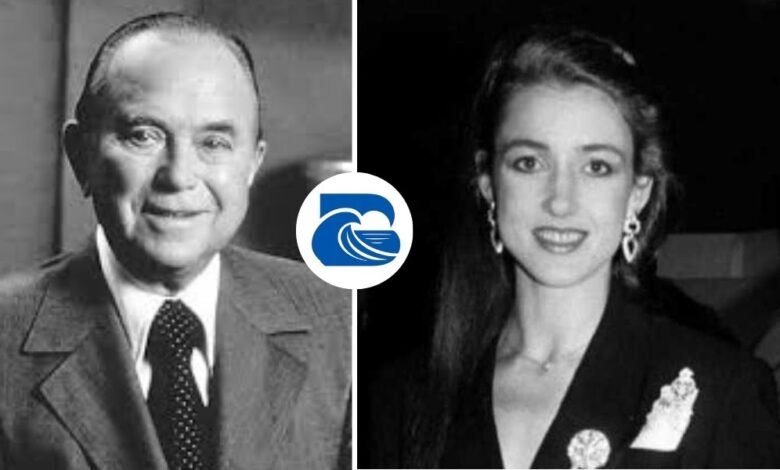
Jane Dobbins Green is not the most famous name in Ray Kroc’s life story. Many people know Ray Kroc as the businessman who helped turn McDonald’s into a global fast-food giant. Many also know about Joan Kroc, his third wife, because she later became known for major philanthropy. But between Ray Kroc’s first marriage to Ethel Fleming and his final marriage to Joan, there was another important chapter. That chapter was Jane Dobbins Green. Biography.com lists Ray Kroc’s marriages as Ethel Fleming from 1922 to 1961, Jane Dobbins Green from 1963 to 1968, and Joan Mansfield Smith from 1969 until his death.
Jane Dobbins Green matters because her life sits inside a key turning point in Ray Kroc’s personal timeline. She was married to him during the 1960s, a period when McDonald’s was moving from a growing business into a powerful American brand. Her marriage to Kroc lasted about five years, but it still tells readers something useful. It shows that famous success stories are not only about business deals, money, restaurants, and public praise. They are also about private relationships, life changes, and people who become part of history even when they do not seek the spotlight.
Who Was Jane Dobbins Green?
Jane Dobbins Green is best known publicly as Ray Kroc’s second wife. Public information about her is limited, and that is why writers should be careful when discussing her. Some sources identify her through her connection to Hollywood before her marriage to Kroc. The Society for American Baseball Research says Ray Kroc met Jane Dobbins Green in 1963 and identifies her as John Wayne’s secretary. Encyclopedia.com also describes Jane Dobbins Green as a secretary and names her as Kroc’s second wife.
This is important because it gives Jane her own identity outside the phrase “Ray Kroc’s wife.” She was not only a name in a marriage timeline. She was a working woman with a connection to Hollywood circles. Still, there is not a large amount of reliable public detail about her personal life. That does not make her story less interesting. In fact, it makes her story more important to handle with respect. A good article about Jane Dobbins Green should explain what is publicly known, avoid weak claims, and make clear when details are not confirmed.
Why Jane Is Often Missed in Ray Kroc Biographies
Jane Dobbins Green is often missed because Ray Kroc’s public story is usually told through business. Most articles focus on McDonald’s, the McDonald brothers, franchising, money, and Kroc’s strong personality. McDonald’s official history says Kroc visited the McDonald brothers in 1954, opened his first McDonald’s restaurant in Des Plaines, Illinois, in 1955, and acquired the rights to the company in 1961. These business facts are central to his legacy, so they often push his personal life into the background.
Another reason Jane is overlooked is that Joan Kroc became much more public later. Joan’s name appears often because of her marriage to Ray Kroc and her later giving. Jane did not leave the same public record. She did not become a famous philanthropist in the same way. She also was not part of the early McDonald’s founding story in the way the McDonald brothers were. Because of this, many short biographies mention Jane in only one line, if they mention her at all.
The Middle Chapter Between Ethel and Joan
Jane Dobbins Green’s story is best understood as the middle chapter in Ray Kroc’s marriage history. His first wife, Ethel Fleming, was part of his earlier life before McDonald’s became the name most people know today. Biography.com says Kroc was married to Ethel from 1922 to 1961. That was a long marriage that covered his years as a salesman and his early work before the full rise of McDonald’s.
Jane then entered the picture after Kroc had already bought out the McDonald brothers’ interests in the company. McDonald’s official history says this happened in 1961. Jane and Ray married in 1963, during a period when Kroc’s public work and personal life were both changing. Their marriage ended in 1968, and Kroc married Joan Mansfield Smith in 1969. This timeline makes Jane important because she was part of Kroc’s life during the space between two better-known relationships.
A Marriage During a Fast-Growing Business Era
Jane Dobbins Green was married to Ray Kroc during a powerful time for McDonald’s. The company was not a small idea anymore. It was becoming a growing franchise system with national promise. Kroc had already opened his first Des Plaines restaurant in 1955 and had acquired the McDonald’s rights in 1961. By the time Jane married him in 1963, he was no longer just a salesman chasing a dream. He was the leader of a company with huge plans.
This makes Jane’s place in the story interesting. She was close to Kroc during a time when his work demanded energy, travel, attention, and pressure. A business like McDonald’s did not grow by accident. It grew through strict systems, franchise work, branding, and constant expansion. That kind of pressure can shape family life. However, it is important not to claim more than the record shows. Jane’s exact private role in Kroc’s daily business is not widely documented. A fair article should say she was present during this period, but it should not invent business influence that reliable sources do not show.
What Makes Her Story Different?
Jane Dobbins Green’s story is different because it is not a loud celebrity story. It is not full of interviews, books, public speeches, or long media records. It is a quieter historical link. Readers search her name because they want to understand the complete Ray Kroc timeline. They want to know who she was, why she is mentioned, and why she is not as famous as the others around him.
Her story also teaches an important lesson about fame. Some people become public because of what they build. Some become public because of who they marry. Some become public for only a short time and then return to private life. Jane seems to fall into that final group. She is remembered because of her connection to Ray Kroc, but that does not mean every part of her life should be treated like public property.
Key reasons her story stands out include:
-
She was Ray Kroc’s second wife.
-
Her marriage came during a major growth period for McDonald’s.
-
She is less known than Ethel Fleming and Joan Kroc.
-
Her public record is limited.
-
Her story shows why writers must separate known facts from guesses.
The Hollywood Connection
One of the most interesting public details about Jane Dobbins Green is her reported Hollywood connection. The Society for American Baseball Research says Kroc met her in 1963 and identifies her as John Wayne’s secretary. Encyclopedia.com also connects her to secretarial work and Kroc’s marriage history. This detail gives readers a clearer view of the world Jane came from before she became linked to the McDonald’s story.
This does not mean Jane was a Hollywood star. It means she worked near a famous entertainment figure. That point is enough on its own. Writers do not need to stretch it into a bigger claim. In fact, the strongest article about Jane is one that avoids overstatement. Her reported work as John Wayne’s secretary helps show that she had her own working life. It also connects two major parts of American culture: Hollywood and fast food. That makes the story more interesting without turning it into gossip.
Why Her Short Marriage Still Matters
Some readers may ask why a five-year marriage matters. The answer is simple. A short marriage can still be part of a major life story. Ray Kroc’s life is often explained as a business journey. But no person’s life is only business. His marriages show personal changes across different stages of his life. Jane Dobbins Green was part of one of those stages.
Her marriage to Kroc also matters because it helps build a more complete timeline. Without Jane, readers jump from Ethel Fleming to Joan Kroc and miss the years in between. That can make Ray Kroc’s life story feel too simple. Real lives are not simple. They include transition, mistakes, new relationships, endings, and fresh starts. Jane’s chapter reminds readers that even famous business figures have personal histories that do not always fit neatly into a success story.
The Risk of Fake Details Online
One major reason to write about Jane Dobbins Green carefully is the risk of fake or weak details online. Many websites want quick traffic from celebrity and business names. They may repeat claims without proof. They may add private details about family, children, wealth, or death without strong sources. This is not good writing. It can mislead readers and harm the trust of a blog.
For Jane Dobbins Green, the public record is not large. That means an article should be honest about limits. It is better to say “not widely shared” or “not clearly confirmed” than to fill space with false claims. Readers respect careful writing. Search engines also reward useful, trustworthy content more than thin content filled with guesses.
A safe article should avoid:
-
Unverified claims about Jane’s private family life.
-
Exact net worth claims without strong sources.
-
Claims that she helped run McDonald’s without proof.
-
Private stories that are not publicly documented.
-
Confusing Jane Dobbins Green with Joan Kroc.
Jane Dobbins Green and Joan Kroc Should Not Be Mixed Up
One common problem is that Jane Dobbins Green and Joan Kroc can be mixed together by readers. Both women were married to Ray Kroc, but their public stories are not the same. Jane was his second wife from 1963 to 1968. Joan Mansfield Smith became his third wife in 1969 and remained married to him until his death, according to Biography.com.
Joan later became widely known in public life, while Jane remained much more private. This difference matters. A writer should not place Joan’s public image onto Jane. Jane’s story should stand on its own. She does not need to be made bigger or smaller than she was. Her importance comes from her real place in the timeline. She was part of Kroc’s life after his first marriage ended and before his final marriage began.
What Jane’s Story Says About Women Near Famous Men
Jane Dobbins Green’s story also shows a wider issue. Women connected to famous men are often treated as small notes in a larger story. Their names appear in a sentence, then the article moves on. This happens often in business, sports, politics, film, and music history. The man’s work becomes the main subject, while the women around him are reduced to labels like wife, ex-wife, widow, or partner.
A better article can do more than that. It can explain Jane’s known role without making false claims. It can also show how history often remembers people unevenly. Jane may not have been a public business figure like Ray Kroc. But she was still a real person, not just a timeline marker. Treating her with care makes the article stronger and more human.
How Bloggers Can Write About Her the Right Way
Bloggers can write a good article about Jane Dobbins Green by using a clear and honest method. The best approach is to focus on context. Explain Ray Kroc’s marriage timeline. Explain the growth period of McDonald’s. Explain Jane’s reported Hollywood connection. Then explain why her public record is limited.
This method keeps the article useful without crossing into fake biography. It also gives readers what they came for. Most people searching Jane’s name want simple answers. They want to know who she was, how she connects to Ray Kroc, and why she is not often discussed.
A strong blog post should include:
-
A clear introduction about Jane and Ray Kroc.
-
A simple timeline of Kroc’s marriages.
-
Context about McDonald’s growth in the 1960s.
-
A careful note about limited public information.
-
A section explaining why privacy matters.
-
A conclusion that avoids gossip.
Why Readers Still Search for Jane Dobbins Green
Readers still search for Jane Dobbins Green because Ray Kroc remains a major figure in American business history. His name is tied to McDonald’s, franchising, and the fast-food industry. When readers study his life, they naturally become curious about the people close to him. Jane appears in that search because she was part of his personal life during an important time.
There is also another reason. People like missing chapters. When one person in a famous story gets less attention, readers want to know why. Jane Dobbins Green feels like one of those missing chapters. She is not unknown, but she is not deeply covered. That creates curiosity. A good article can answer that curiosity in a careful way, without turning privacy into mystery.
Final Thoughts
Jane Dobbins Green was Ray Kroc’s second wife, but she was more than a passing name in a biography. Her marriage to Kroc from 1963 to 1968 placed her inside an important period of his life, when McDonald’s was growing fast and his personal world was changing. Public sources connect her to work as John Wayne’s secretary and to her five-year marriage with Kroc, but many deeper details about her life are not widely shared.
That is why her story should be told with care. Jane Dobbins Green does not need fake drama to be interesting. Her story already has value because it shows the human side of a famous business timeline. She reminds readers that history often remembers the loudest names first, while quieter people can still hold an important place in the story. For bloggers, her life is a good example of how to write about a private person linked to a famous figure: stay factual, stay respectful, and do not turn limited information into false certainty.