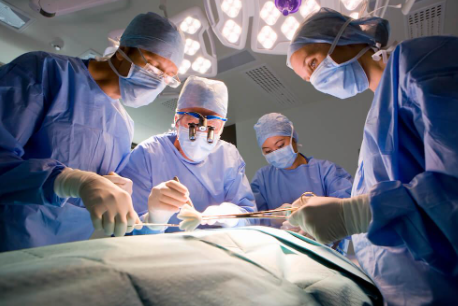
Undergoing surgery can raise several questions, especially if it is your first procedure. Patients may feel uncertain about preoperative tests, anaesthesia, hospital admission, pain management, and the recovery process. Understanding what happens before and after an operation can help reduce anxiety and make preparation easier.
Every surgical procedure is different. The preparation and recovery process depend on the type of operation, the patient’s medical history, the anaesthesia used, and the possibility of complications. Whether surgery is planned or required urgently, knowing the general steps can help patients understand their responsibilities and follow medical instructions safely.
1. Understanding Why Surgery Is Recommended
Before scheduling an operation, your surgeon will explain the medical condition being treated and why surgery may be appropriate. Some procedures are recommended when medication or other treatments have not provided sufficient relief, while others are necessary to prevent serious complications.
Discussing treatment options
Your surgeon may explain the expected benefits, possible risks, and available alternatives. For certain conditions, observation, medication, lifestyle changes, or less invasive procedures may be suitable. Understanding these options helps you make an informed decision about your treatment.
Questions to ask before surgery
- Why is this procedure necessary?
- Are there non-surgical treatment options?
- What are the possible risks and complications?
- How long will the operation take?
- How much hospital stay and recovery time should I expect?
You should also understand whether the procedure is elective, urgent, or an emergency. This can influence how much preparation is possible before treatment.
2. Preoperative Consultation and Medical Assessment
A preoperative consultation helps the surgical team understand your overall health and identify factors that may affect the procedure or recovery. Your surgeon and anaesthesiologist may review your medical history, previous operations, allergies, and current medications.
Tests that may be recommended
Depending on your health and the planned operation, investigations may include:
- Blood tests: To assess blood counts, blood sugar, kidney function, and other relevant parameters.
- Imaging: Ultrasound, X-rays, or CT scans may help evaluate the affected area.
- ECG: May be recommended to assess heart activity in selected patients.
- Other investigations: Additional tests may be required depending on existing medical conditions.
Not every patient needs all these tests. The medical team selects investigations according to individual requirements.
Discussing existing medical conditions
Inform your healthcare team if you have diabetes, high blood pressure, heart disease, breathing problems, or a history of unusual reactions to anaesthesia. This information helps them plan appropriate precautions and medication adjustments.
3. Preparing for Surgery at Home
Following preoperative instructions can help reduce avoidable risks and make admission more organised. Your hospital will provide specific guidance about fasting, medication, bathing, and arrival time. These instructions may differ depending on the procedure and type of anaesthesia.
Follow fasting instructions
You may be asked to avoid food and drinks for a specified period before surgery. This is important because food or liquid in the stomach can increase the risk of complications during anaesthesia. Follow the exact instructions given by your medical team.
Review your medications
Some medicines, including blood thinners and certain diabetes medications, may need adjustment before surgery. Never stop or change prescribed medicines independently. Ask your doctor which medicines to take on the day of the procedure.
Arrange practical support
If you are receiving general anaesthesia or sedation, arrange transport home when required. You may also need someone to help with meals, household activities, or childcare during the initial recovery period. Keep medical reports, prescriptions, and identification documents ready.
4. What Happens on the Day of Surgery?
On the day of the operation, hospital staff will confirm your identity, medical details, and planned procedure. You may change into a hospital gown, have your vital signs checked, and receive an intravenous line for fluids or medication.
Meeting the anaesthesiologist
The anaesthesiologist reviews your medical history and explains the type of anaesthesia planned. General anaesthesia makes you unconscious during the procedure, while regional and local anaesthesia numb specific areas. The choice depends on the operation and your medical condition.
Final safety checks
Before surgery begins, the team confirms the procedure, relevant test results, and the correct surgical site when applicable. These checks help reduce preventable errors and ensure that the team is prepared to manage potential complications.
5. What Happens During the Surgical Procedure?
The steps involved depend on the type of operation and the surgical technique selected. Some procedures use open surgery, while others are performed through minimally invasive methods such as laparoscopy, which involves smaller incisions and a camera.
How long does surgery take?
The duration varies considerably. Minor procedures may take less than an hour, while complex operations can require several hours. The time also depends on the patient’s condition and whether additional treatment is needed during the operation.
Monitoring during surgery
Throughout the procedure, the surgical and anaesthesia teams monitor important functions such as heart rate, blood pressure, oxygen levels, and breathing. This continuous monitoring helps the team respond to changes and maintain patient safety.
6. Immediately After Surgery: Recovery Room Care
After the operation, patients are usually transferred to a recovery area where healthcare staff monitor them while the effects of anaesthesia gradually wear off. The team checks breathing, circulation, alertness, pain levels, and other vital signs.
Managing pain and discomfort
Some pain, tenderness, nausea, or tiredness may occur after surgery. The medical team may provide pain-relief medicines, fluids, or medication for nausea depending on your condition. Inform the staff if discomfort is not adequately controlled.
Hospital stay and discharge
Some patients can return home on the same day, while others need overnight observation or a longer hospital stay. Discharge depends on the procedure, recovery progress, ability to eat or drink when appropriate, and the absence of concerning complications.
7. Wound Care and Managing Recovery at Home
Once discharged, following wound-care instructions is important for proper healing. Your surgeon will explain how to keep the incision clean, when to change dressings, and whether you can shower or need to avoid certain activities temporarily.
Important wound-care practices
- Wash your hands before touching the wound or dressing.
- Keep the surgical area clean and follow dressing instructions.
- Avoid applying creams or home remedies unless recommended.
- Do not pull at stitches, staples, or surgical glue.
- Attend appointments for wound checks or stitch removal when advised.
Recognising warning signs
Contact your healthcare team if you notice increasing redness, swelling, discharge, worsening pain, or fever. Heavy bleeding, severe breathing difficulty, chest pain, fainting, or sudden severe abdominal pain requires urgent medical attention.
8. Returning to Normal Activities After Surgery
Recovery time depends on the operation, surgical approach, general health, and whether complications occur. Some patients return to light activities within days, while others need several weeks or longer before resuming their usual routine.
Diet and physical activity
Your doctor may recommend gradually returning to your usual diet or following temporary dietary restrictions. Short walks may be encouraged when appropriate to improve mobility and reduce the risk of certain complications. Avoid heavy lifting and strenuous exercise until your surgeon confirms they are safe.
Follow-up appointments
Follow-up visits allow your surgeon to assess healing, review investigation results, and address concerns. In Dombivli, patients seeking the best general surgery hospital in Dombivli should consider the availability of postoperative monitoring, wound-care support, emergency assistance, and follow-up consultations alongside the surgical facilities.
9. How to Support a Safe and Smooth Recovery
Recovery is not limited to wound healing. It also involves regaining strength, returning to daily activities, managing discomfort, and following medical advice. Patients should give themselves enough time to recover rather than rushing back into demanding activities.
Practical steps for recovery
- Take prescribed medicines according to instructions.
- Follow the recommended diet and hydration plan.
- Get adequate sleep and rest.
- Resume physical activity gradually as advised.
- Avoid smoking during recovery, as it can interfere with healing.
- Report unusual symptoms instead of ignoring them.
Patients with diabetes or other chronic conditions may need additional monitoring because these conditions can influence wound healing and recovery.
Conclusion
Knowing what to expect before and after surgery can help patients prepare with greater confidence. The process generally includes a medical assessment, preoperative instructions, anaesthesia, the surgical procedure, recovery-room monitoring, and follow-up care. However, each patient’s experience is different.
Follow your surgeon’s instructions, ask questions when something is unclear, and seek medical attention if warning signs develop. Careful preparation and appropriate postoperative support can help make recovery safer and more manageable.
Frequently Asked Questions
1. How many days before surgery should I prepare?
Preparation time depends on the procedure and your medical condition. Planned operations may require several days or weeks for assessments, tests, and arrangements. Emergency procedures may need immediate treatment with limited preparation.
2. Can I eat or drink before surgery?
You may need to avoid food and drinks for a specified period before anaesthesia. Follow your hospital’s exact fasting instructions because eating or drinking outside the permitted period can increase risks or delay surgery.
3. How long does it take to recover after surgery?
Recovery depends on the procedure, surgical technique, general health, and possible complications. Minor procedures may require a short recovery period, while major operations can take several weeks or longer.
4. What symptoms should I watch for after surgery?
Watch for increasing pain, redness, swelling, wound discharge, or fever. Heavy bleeding, chest pain, severe breathing difficulty, or fainting requires urgent medical attention. Contact your healthcare team if recovery symptoms worsen unexpectedly.
5. When can I return to work after surgery?
The timing depends on the type of operation, physical demands of your job, and recovery progress. Your surgeon can advise when it is safe to resume work, driving, exercise, and other regular activities.