Emergency Plumbing Services: Reliable Solutions for Unexpected Plumbing Problems

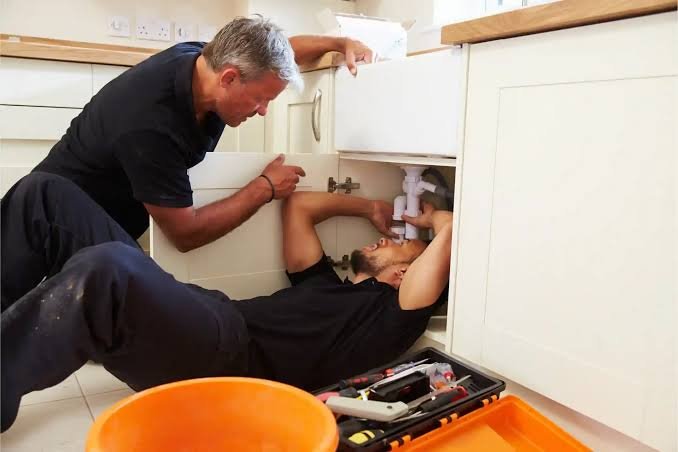
Plumbing systems play an essential role in maintaining the comfort, cleanliness, and functionality of residential and commercial properties. From supplying clean water to removing wastewater, properly functioning pipes, drains, fixtures, and water heaters support everyday activities. However, plumbing problems can occur unexpectedly and sometimes develop into serious situations that require immediate professional attention. Burst pipes, overflowing toilets, blocked drains, leaking water heaters, and sudden drops in water pressure can disrupt daily routines and cause significant property damage. When these issues arise, having access to experienced plumbing professionals can make a considerable difference in protecting the property and restoring normal operations.
Emergency plumbing services are designed to address urgent plumbing problems that cannot reasonably wait for a routine appointment. Unlike minor maintenance concerns, plumbing emergencies may result in flooding, structural damage, sanitation issues, and expensive repairs if they are not handled promptly. Professional plumbers have the equipment, technical knowledge, and experience required to identify the source of a problem and recommend an appropriate solution. Whether a homeowner is dealing with a leaking pipe or a business is experiencing a major drainage issue, timely assistance can help minimize disruption and prevent additional complications. Understanding common plumbing emergencies, their causes, available repair solutions, and preventive maintenance practices can help property owners respond more effectively when unexpected problems occur.
Understanding the Importance of Emergency Plumbing Services
Plumbing emergencies can happen at any time, often without providing much warning. A small leak may suddenly become a major water problem, while a blocked drainage system can cause wastewater to back up into sinks, toilets, or floor drains. These situations can affect the usability of a property and create conditions that require immediate attention.
Professional emergency plumbing services provide a practical solution when plumbing problems threaten the safety or functionality of a building. Experienced plumbers can assess the situation, identify damaged components, and determine which repairs should be prioritized. Their work may involve stopping active leaks, restoring water flow, clearing serious blockages, repairing damaged pipes, or replacing faulty fixtures.
Another important advantage of professional assistance is accurate diagnosis. Plumbing systems contain interconnected pipes, valves, fittings, and drainage components, meaning that the visible symptoms do not always reveal the actual source of the problem. A qualified technician can investigate the underlying issue instead of relying on temporary solutions that may allow the problem to return.
Prompt attention can also help protect flooring, walls, ceilings, electrical installations, furniture, and other belongings from water damage. For property owners, arranging professional repairs at the appropriate time can reduce unnecessary expenses and help maintain a safe indoor environment.
Common Plumbing Emergencies That Require Immediate Attention
Several plumbing problems can develop into emergencies, depending on their severity and the amount of damage they may cause. Burst pipes are among the most serious because they can release large quantities of water into a property within a short period. Damaged supply lines, corrosion, excessive pressure, and weakened pipe connections may contribute to sudden pipe failures.
Severe drain blockages can also create urgent problems. When wastewater cannot move through the drainage system, it may back up into sinks, showers, toilets, and other fixtures. This can create unpleasant odors, sanitation concerns, and potential contamination.
Water heater failures may become emergencies when they involve leaking tanks, damaged connections, or unusual pressure problems. Similarly, overflowing toilets and broken faucets can cause significant inconvenience and water waste if they are not addressed.
Other urgent situations include major sewer line problems, malfunctioning shutoff valves, leaking ceilings caused by plumbing connections, and sudden water pressure changes. Recognizing the seriousness of these issues helps property owners determine when professional plumbing assistance is necessary.
Burst Pipe Repair and Water Leak Solutions
Burst pipes can cause extensive property damage because water may spread quickly through walls, floors, ceilings, and other structural areas. Even a relatively small pipe opening can release a substantial amount of water if the supply remains active. The resulting moisture may damage building materials, electrical components, insulation, and personal belongings.
Common causes of burst pipes include corrosion, aging materials, excessive water pressure, physical damage, and weakened joints. Improper installation or deteriorating connections can also increase the likelihood of leaks.
When a pipe bursts, the first priority is to stop the water supply if the main shutoff valve can be accessed safely. If water is near electrical equipment or outlets, occupants should avoid contact with the affected area and seek appropriate professional assistance. A plumber can then inspect the damaged section and determine whether the pipe requires localized repair or replacement.
Depending on the material and extent of the damage, solutions may include replacing damaged pipe sections, installing new fittings, repairing joints, or addressing the underlying pressure problem. Professional repairs help restore the plumbing system while reducing the possibility of recurring leaks.
Drain Cleaning and Emergency Drain Unblocking
Blocked drains are another frequent reason property owners request urgent plumbing assistance. Drainage systems are designed to transport wastewater away from sinks, showers, toilets, kitchens, and other fixtures. However, everyday materials can gradually accumulate inside pipes and restrict normal water flow.
Kitchen drains commonly become blocked by grease, cooking oils, food particles, and other debris. Bathroom drains may collect hair, soap residue, and personal care products. Toilets can become obstructed when unsuitable materials are flushed, while outdoor drainage lines may experience problems due to leaves, sediment, and root intrusion.
Early signs of drainage problems include slow water movement, bubbling sounds, unpleasant odors, and repeated blockages. More severe obstructions may cause wastewater to overflow from fixtures or back up into other areas of the property.
Professional drain cleaning services use suitable tools and techniques to remove accumulated debris and restore drainage. Depending on the severity of the blockage, plumbers may use mechanical drain equipment, inspection cameras, or other appropriate methods. Identifying the cause of recurring blockages is particularly important because repeatedly clearing the same drain without addressing the underlying issue may lead to continued problems.
Emergency Toilet Repair Services
A malfunctioning toilet can quickly become a major inconvenience, particularly when it is the only available bathroom fixture. Problems such as continuous running water, overflowing bowls, blocked waste lines, leaking bases, and faulty flushing mechanisms may require prompt attention.
Toilet blockages are frequently caused by excessive toilet paper, unsuitable materials, or obstructions within the connected drainage line. A toilet that repeatedly overflows may indicate a serious blockage that extends beyond the fixture itself.
Leaks around the toilet base can suggest deteriorated seals, loose connections, or damage to the surrounding plumbing. Continuous running water may result from a faulty fill valve, damaged flapper, or problems with the flushing mechanism. Although these issues may appear minor, they can waste considerable amounts of water and sometimes indicate additional problems.
Professional plumbers can inspect the toilet, identify the defective components, and complete the required repairs. Depending on the condition of the fixture, the solution may involve replacing internal parts, correcting connections, clearing the drain, or installing a replacement toilet.
Water Heater Repair and Emergency Maintenance
Water heaters provide hot water for bathing, cleaning, cooking, and other everyday activities. When a water heater stops functioning, property occupants may experience significant inconvenience. More serious problems, such as a leaking tank, damaged pressure components, or electrical faults, may require immediate professional attention.
Common water heater problems include inconsistent temperatures, unusual noises, leaking connections, insufficient hot water, and complete system failure. Sediment accumulation can affect heating efficiency, while worn heating elements, thermostats, valves, and other components may cause operational difficulties.
A leaking water heater should be inspected promptly because continued water loss can damage surrounding flooring and building materials. If an electrical water heater shows signs of electrical damage, occupants should avoid touching wet equipment and arrange qualified assistance. Gas-powered systems should also be handled by appropriately qualified professionals.
Plumbers can evaluate the water heater, inspect its connections, test relevant components, and recommend suitable repairs. Depending on the equipment’s age and condition, replacement may be more practical than continued repairs. Regular servicing can help improve performance and reduce the likelihood of unexpected failures.
Sewer Line Problems and Emergency Repairs
Sewer line problems can create serious sanitation concerns because these systems transport wastewater away from buildings. When a sewer line becomes blocked, damaged, or disconnected, wastewater may back up through toilets, floor drains, and other plumbing fixtures.
Common causes include tree root intrusion, accumulated debris, pipe corrosion, shifting soil, and structural deterioration. Older drainage systems may be particularly vulnerable to cracks, joint separation, and other forms of damage.
Warning signs of sewer line problems include multiple blocked drains, persistent foul odors, unusual gurgling sounds, and wastewater appearing in unexpected locations. If several plumbing fixtures experience drainage problems simultaneously, the issue may involve a shared drainage line rather than an individual fixture.
Professional plumbers can use specialized inspection equipment to investigate sewer line conditions and identify the location of the problem. Depending on the findings, repairs may involve clearing obstructions, restoring damaged sections, replacing deteriorated pipes, or recommending more extensive sewer line work.Because sewage exposure can create health risks, property occupants should avoid direct contact with wastewater and arrange professional assistance as soon as possible.
Emergency Plumbing for Residential Properties
Residential plumbing systems support many essential household activities, including cooking, cleaning, bathing, laundry, and sanitation. When a major plumbing problem occurs, it can disrupt the entire household and create unnecessary stress for occupants.
Common residential emergencies include leaking supply pipes, overflowing toilets, blocked kitchen drains, damaged water heaters, broken faucets, and sewer backups. These problems can affect individual rooms or spread throughout the property, depending on their severity.
Residential emergency plumbers assess the condition of the plumbing system and prioritize repairs according to the level of risk. Their services may include leak detection, pipe replacement, drain cleaning, fixture repairs, water heater servicing, and emergency valve replacement.
Homeowners can also reduce the likelihood of major plumbing problems by arranging regular inspections and monitoring their water systems. Paying attention to unusual noises, damp patches, changes in water pressure, and unexplained increases in water bills can help identify developing problems before they become emergencies.
Commercial Emergency Plumbing Services
Commercial properties often have more extensive plumbing systems than residential buildings. Offices, restaurants, hotels, retail facilities, healthcare buildings, and industrial properties may depend on multiple bathrooms, kitchens, drainage systems, water heaters, and specialized plumbing equipment.
A major plumbing failure can disrupt business operations, affect employees and customers, and potentially create sanitation concerns. For example, a blocked commercial drain may interfere with kitchen operations, while a burst supply pipe could damage inventory, equipment, and interior finishes.
Commercial emergency plumbing services help businesses address urgent problems while minimizing operational interruptions. Plumbers may inspect larger pipe networks, repair damaged supply lines, clear drainage systems, restore water heaters, and investigate sewer problems.Businesses should also consider the importance of scheduled plumbing inspections. Preventive maintenance can help identify aging pipes, deteriorating connections, recurring blockages, and equipment concerns before they interrupt normal operations.
Detecting Hidden Plumbing Leaks
Not all plumbing leaks are immediately visible. Some occur behind walls, beneath flooring, inside ceilings, or underground. These hidden leaks can remain undetected until moisture begins damaging surrounding materials or water consumption increases unexpectedly.
Common warning signs include unexplained water bills, persistent damp smells, discoloration on walls, bubbling paint, damaged flooring, and unusual moisture around plumbing fixtures. In some situations, the water meter may continue moving even when taps and appliances are not being used.
Professional plumbers use appropriate leak detection methods to investigate suspected problems. Depending on the plumbing layout, they may use moisture detection equipment, thermal imaging, acoustic tools, or other specialized inspection techniques.
Once the leak has been located, the technician can recommend the most suitable repair. This may involve replacing a damaged pipe, repairing a fitting, sealing an appropriate connection, or addressing a defective fixture.Early leak detection is important because prolonged moisture exposure can contribute to structural deterioration and mold growth. Addressing hidden plumbing problems promptly helps protect both the building and its occupants.
The Importance of Professional Plumbing Tools and Equipment
Modern plumbing repairs often require specialized tools that allow technicians to diagnose and resolve problems accurately. Using appropriate equipment is particularly important during emergencies because incorrect repair methods can worsen existing damage.
Drain cameras, for example, allow plumbers to examine the interior of drainage pipes and identify obstructions, cracks, and other structural concerns. Mechanical drain cleaning equipment can help remove stubborn blockages, while leak detection devices may assist in locating concealed water loss.
Plumbing professionals also use specialized cutting, joining, testing, and installation equipment when repairing supply lines and drainage systems. The correct tools depend on pipe material, system design, and the nature of the problem.
Having access to professional equipment does not replace technical knowledge. Experienced plumbers understand how to interpret inspection results and select repair methods that suit the plumbing system. This combination of expertise and suitable equipment helps produce more dependable results.
What to Do Before an Emergency Plumber Arrives
Taking appropriate initial steps can help reduce damage while waiting for professional assistance. If a pipe is leaking or has burst, shutting off the relevant water supply may help prevent additional flooding. If the problem affects the entire property, the main shutoff valve may need to be used.
Property occupants should move valuable belongings away from affected areas when it is safe to do so. If water is approaching electrical outlets, appliances, or electrical panels, avoid entering the affected area and seek qualified assistance.
For overflowing toilets, stop using the fixture and avoid repeatedly flushing it. If several drains are backing up, discontinue water use where possible until the cause has been identified.
Avoid using harsh chemicals or attempting complicated pipe repairs without the appropriate knowledge. These actions may create additional hazards or make professional repairs more difficult. Providing the plumber with a clear description of the symptoms, their location, and when they began can also help with the initial assessment.
Preventive Plumbing Maintenance to Avoid Emergencies
Although plumbing emergencies cannot always be prevented, routine maintenance can significantly reduce the likelihood of unexpected failures. Regular inspections help identify worn components, developing leaks, corrosion, drainage restrictions, and other problems before they become serious.
Homeowners should monitor visible pipes, faucets, toilets, and water connections for signs of moisture or deterioration. Drains should be used appropriately, and grease, cooking oils, wipes, and other unsuitable materials should not be disposed of through plumbing fixtures.
Water heaters should receive maintenance according to manufacturer recommendations. Drainage systems may also require periodic professional cleaning, particularly in properties that experience recurring blockages.
Monitoring water pressure is another useful preventive measure. Excessively high pressure can place additional strain on pipes, valves, and appliance connections. A qualified plumber can assess the system and recommend suitable pressure regulation where necessary.Keeping the location of the main shutoff valve clearly identified is also important. Knowing how to stop the water supply can help occupants respond more effectively if a major leak occurs.
Understanding the Cost of Emergency Plumbing Services
The cost of plumbing repairs depends on several factors, including the type of emergency, the location of the problem, the complexity of the plumbing system, required materials, and labor involved. A minor fixture repair may require less work than replacing a damaged supply pipe or repairing a sewer line.
Emergency appointments may also involve additional service charges depending on the provider’s availability, working hours, and the urgency of the situation. Properties with concealed pipes or difficult access may require additional diagnostic work before repairs can begin.
Property owners should request a clear explanation of the recommended work and expected costs whenever circumstances allow. A professional estimate should describe the problem, necessary repairs, replacement components, and any additional services that may be required.
It is also important to consider the potential cost of delaying repairs. A small leak can eventually damage flooring, walls, furniture, and insulation, while a neglected drainage problem may create more extensive sanitation concerns. Timely professional assistance can help prevent these additional expenses.
Choosing a Reliable Emergency Plumbing Company
Selecting a dependable plumbing company is important because emergency repairs often involve urgent decisions and potentially significant property damage. Property owners should look for service providers with relevant experience, appropriate qualifications, suitable insurance, and a clear understanding of residential or commercial plumbing systems.
Before hiring a plumber, it is helpful to ask about service availability, emergency response procedures, repair experience, and the types of plumbing problems they handle. Customer reviews and previous work can provide additional insight into service quality.
A professional plumbing company should explain the source of the problem, recommend practical repair options, and communicate costs clearly. Customers should also ask about warranties on workmanship and replacement components.
Good communication is particularly important during emergencies. Reliable technicians should explain what needs immediate attention and identify any additional repairs that may be advisable. Choosing a qualified provider helps ensure that plumbing problems are handled safely and professionally.
Common Plumbing Mistakes That Can Make Emergencies Worse
One common mistake is ignoring small leaks because they do not appear serious. Even minor water loss can gradually damage surrounding building materials, particularly when pipes are concealed behind walls or beneath floors. Early investigation is usually more effective than waiting for visible deterioration.
Another mistake is repeatedly using chemical drain cleaners to resolve persistent blockages. Some products may damage certain plumbing materials or create hazards when used incorrectly. Recurring drainage problems should be investigated to identify the actual cause.
Attempting complicated plumbing repairs without suitable tools and experience can also create additional problems. Incorrect fittings, poorly sealed joints, and unsuitable replacement components may cause further leaks.
Property owners should also avoid flushing unsuitable materials or disposing of grease through kitchen drains. These habits can contribute to blockages and increase the likelihood of drainage emergencies. Understanding basic plumbing care and arranging professional maintenance can help prevent many avoidable problems.
When Plumbing Repairs Require Immediate Professional Attention
Certain plumbing situations should never be ignored because they may create significant safety, sanitation, or property damage concerns. Major pipe bursts, uncontrolled water leaks, sewage backups, leaking water heaters, and widespread drainage failures generally require prompt professional evaluation.
Water near electrical equipment is especially concerning. Occupants should avoid contact with affected areas and seek appropriate electrical and plumbing assistance rather than attempting to manage the situation themselves.
Sewage entering living spaces also requires urgent attention because contaminated water may expose occupants to harmful microorganisms. Affected areas should be avoided until the source has been controlled and appropriate cleaning and sanitation procedures have been completed.
If water continues spreading or the plumbing system cannot be safely controlled, property occupants should prioritize personal safety and contact qualified professionals. Understanding which situations require immediate assistance helps prevent avoidable risks and further damage.
Conclusion
Plumbing emergencies can occur unexpectedly and create serious challenges for homeowners, business operators, and property managers. Burst pipes, leaking water heaters, blocked drains, overflowing toilets, sewer line problems, and hidden water leaks can affect property safety, sanitation, and everyday convenience. Responding promptly and arranging professional assistance can help control the situation and reduce the possibility of extensive damage.
Professional emergency plumbing services provide the expertise, equipment, and practical solutions needed to identify urgent problems and restore normal plumbing operations. From leak detection and pipe repairs to drain cleaning, toilet restoration, water heater servicing, and commercial plumbing assistance, experienced technicians can address different emergencies according to the condition of the system.
Preventive maintenance is equally important for maintaining dependable plumbing performance. Regular inspections, responsible drain use, water pressure monitoring, and timely replacement of worn components can help reduce unexpected failures. By recognizing warning signs, responding appropriately, and choosing qualified plumbing professionals, property owners can protect their buildings and maintain reliable plumbing systems for the long term.