
Effective Drain Clearing Solutions: Maintaining Healthy Plumbing Systems and Preventing Costly Drainage Problems

Introduction: Why Proper Drain Maintenance Matters
A properly functioning drainage system is essential for maintaining a clean, comfortable, and hygienic property. Whether in a residential home, commercial building, restaurant, or industrial facility, drains play an important role in removing wastewater and preventing unwanted water accumulation. However, drainage systems are regularly exposed to materials such as grease, soap residue, hair, food particles, dirt, and other debris that can gradually restrict water flow. When these substances accumulate inside pipes, they can cause slow drainage, unpleasant odors, recurring blockages, and potentially serious plumbing problems. Without appropriate maintenance, even a small obstruction can develop into a more complicated issue that affects multiple areas of a property.
Many property owners overlook their drainage systems until they notice water collecting around sinks, showers, bathtubs, or outdoor drains. Although these symptoms may initially appear minor, they can indicate an underlying blockage that requires attention. Ignoring drainage problems can increase the risk of overflowing fixtures, damaged pipes, water contamination, and expensive repairs. Regular maintenance and timely professional assistance are therefore important for keeping plumbing systems operating efficiently.
Professional drain clearing is an effective way to remove accumulated debris, restore normal water movement, and reduce the likelihood of recurring drainage issues. Understanding how blockages develop, recognizing early warning signs, and choosing suitable cleaning methods can help property owners protect their plumbing infrastructure. With the right maintenance approach, drainage systems can remain dependable, hygienic, and capable of handling everyday wastewater without unnecessary disruption.
Understanding How Drainage Blockages Develop
Drain blockages can occur for several reasons, depending on the location, age, design, and usage of the plumbing system. In kitchens, grease, cooking oils, food scraps, and detergent residue are among the most common causes of restricted drainage. Although liquid grease may initially flow through a pipe, it can gradually cool and attach itself to the internal pipe walls. Over time, additional food particles and other materials become trapped in this sticky buildup, eventually reducing the available space for wastewater to pass through.
Bathroom drains experience different types of obstructions. Hair, soap residue, shampoo, conditioner, and personal care products can collect inside shower and bathtub pipes. These materials often combine to create dense deposits that interfere with normal water movement. Bathroom sink drains can also become blocked by toothpaste residue, cosmetic products, and small objects that accidentally enter the plumbing system.
Outdoor drainage systems face additional challenges because they are exposed to environmental conditions. Leaves, mud, soil, stones, and other organic debris can accumulate around drainage openings and inside underground pipes. Heavy rainfall may carry these materials into drainage channels, increasing the possibility of restrictions and water accumulation. In some cases, tree roots can penetrate damaged or poorly sealed underground pipes, creating significant obstructions that require specialist attention.
Understanding the cause of a blockage is essential because different drainage problems require different solutions. Simply treating the visible symptoms may provide temporary relief without addressing the underlying issue. A proper inspection helps determine whether the problem is caused by surface debris, internal buildup, damaged pipework, or a more extensive drainage obstruction.
Common Warning Signs of a Blocked Drain
Recognizing early signs of drainage problems can prevent minor issues from becoming expensive plumbing emergencies. One of the most noticeable indicators is slow water drainage. If water takes longer than usual to disappear from a kitchen sink, bathroom basin, shower, or bathtub, there may be a partial obstruction somewhere inside the drainage system. Although slow drainage can sometimes result from a localized buildup, recurring problems may indicate a blockage deeper within the pipework.
Unpleasant smells are another common warning sign. Food waste, grease, organic materials, and other debris can become trapped inside drainage pipes and begin decomposing. This process may produce persistent odors that spread throughout kitchens, bathrooms, and surrounding areas. Cleaning the visible drain opening may not eliminate the smell if the underlying buildup remains inside the plumbing system.
Gurgling sounds can also indicate drainage difficulties. When water struggles to move through a partially obstructed pipe, air may become trapped and create unusual bubbling or gurgling noises. These sounds may occur when flushing a toilet, running a tap, or emptying a bathtub. In some situations, they can indicate a ventilation issue or a blockage affecting a larger section of the drainage network.
More serious warning signs include water backing up into sinks, toilets, showers, or floor drains. If multiple fixtures experience drainage problems simultaneously, the obstruction may be located within a shared drainage pipe or main sewer connection. Such situations should receive prompt professional attention because continued use of affected fixtures may increase the risk of overflowing wastewater and property damage.
Professional Techniques Used for Drain Clearing
Different drainage problems require different cleaning techniques, and choosing the appropriate method depends on the nature and severity of the blockage. Professional plumbers generally begin by assessing the affected drainage system and identifying the likely location of the obstruction. This initial evaluation helps determine whether a simple mechanical solution is sufficient or whether specialized equipment is necessary.
One commonly used technique involves mechanical drain cleaning tools. Professional drain snakes and suitable augers are designed to reach inside pipes and remove or break apart certain types of obstructions. These tools can be useful for clearing accumulated hair, paper products, and other localized debris. Their effectiveness depends on the pipe’s condition, diameter, layout, and the material causing the blockage.
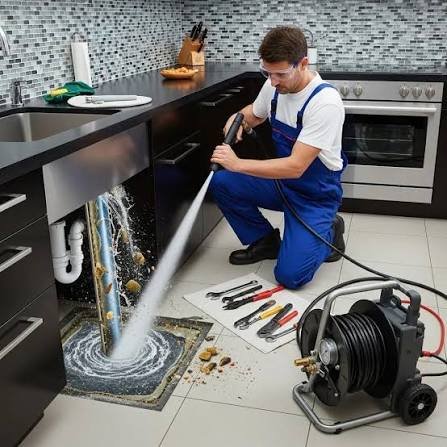
High-pressure water jetting is another widely used professional cleaning method. This technique uses specialized equipment to direct controlled streams of water through drainage pipes, helping remove grease, sludge, mineral deposits, and accumulated debris. Unlike basic methods that may only create a small opening through an obstruction, professional water jetting can clean larger sections of the pipe’s internal surface. However, the equipment must be operated by trained professionals who understand appropriate pressure levels and pipe conditions.
Drain camera inspections provide another valuable solution when the cause of a blockage is unclear. A small waterproof camera is introduced into the drainage system to examine the pipe’s internal condition. This allows technicians to identify obstructions, cracks, root intrusion, joint problems, and other structural concerns without unnecessary excavation. Camera inspections are particularly useful for recurring drainage issues because they help determine whether repeated blockages are connected to a deeper structural problem.
The Importance of Regular Drain Maintenance
Preventive maintenance is one of the most effective ways to reduce drainage problems and protect the long-term condition of plumbing systems. Many blockages develop gradually as small amounts of debris accumulate over time. Regular cleaning and sensible usage habits can reduce this buildup before it becomes severe enough to restrict water movement.
Kitchen drains require particular attention because they regularly come into contact with cooking oils, food particles, and cleaning products. Property owners should avoid pouring grease, fat, and oil directly into sinks. Instead, these materials should be allowed to cool and disposed of appropriately. Food scraps should also be placed in waste containers rather than washed into drainage openings.
Bathroom maintenance involves controlling the amount of hair, soap residue, and other materials entering the pipes. Installing suitable drain covers can help catch hair and larger debris before they travel into the drainage system. These covers should be cleaned regularly to prevent surface buildup from interfering with water flow.
Outdoor drains should also be inspected periodically, especially during seasons when leaves, soil, and other debris are more likely to accumulate. Removing visible obstructions from drainage grates and maintaining clear water channels can help prevent surface water from collecting around the property.
Professional maintenance may also be beneficial for buildings with older plumbing systems, extensive drainage networks, or high wastewater usage. Routine inspections can identify developing problems before they result in significant disruption. Rather than waiting for a complete blockage, property owners can take a proactive approach that supports reliable drainage throughout the year.
Why DIY Drain Cleaning Is Not Always the Best Solution
Many property owners attempt to resolve drainage problems using household tools or commercially available cleaning products. Although some minor blockages can be managed through simple maintenance, not every obstruction can be safely removed without professional assistance. Understanding the limitations of DIY methods is important for avoiding accidental damage and unnecessary repair expenses.
Chemical drain cleaners are a common example. These products are marketed as convenient solutions for dissolving certain types of organic buildup. However, some formulations contain highly corrosive ingredients that can create safety risks and may damage vulnerable or deteriorating pipework when used improperly. Mixing different cleaning chemicals can also produce dangerous reactions. Property owners should always follow product instructions and avoid combining cleaning products.
Basic plungers can sometimes help with localized blockages by creating pressure that moves an obstruction. However, they may be ineffective when the blockage is located deeper within the drainage network or involves hardened grease, extensive debris, or structural damage. Repeated attempts to force water through an obstruction may also cause wastewater to overflow.
Another common mistake is using unsuitable objects or improvised tools to reach inside drains. These attempts can push debris further into the pipe, scratch internal surfaces, damage fittings, or cause materials to become lodged in inaccessible sections.
Professional plumbers have access to specialized equipment and the technical knowledge required to evaluate drainage systems safely. They can identify whether a blockage is caused by accumulated debris, a damaged pipe, or another underlying issue. Seeking professional assistance when basic maintenance fails can prevent a relatively small drainage problem from becoming a major repair project.
How Blocked Drains Can Affect Property Hygiene
Drainage systems are directly connected to the hygiene and comfort of a property. When wastewater cannot move through pipes correctly, stagnant water and decomposing materials may create unpleasant conditions. Blocked drains can contribute to persistent odors, bacterial growth, pest attraction, and unsanitary water accumulation, particularly when wastewater begins backing up into occupied areas.
Bathrooms and kitchens are especially sensitive because these spaces are used frequently for personal hygiene and food preparation. A blocked kitchen drain may cause contaminated water to collect around a sink, while an obstructed bathroom drain can result in standing water around showers or bathtubs. These conditions can create unnecessary cleaning requirements and make everyday activities less comfortable.
In commercial environments, drainage problems can have even broader consequences. Restaurants, hotels, healthcare facilities, and food preparation businesses depend on reliable sanitation systems to maintain appropriate hygiene standards. A drainage failure may interrupt normal operations, inconvenience customers, and create additional cleaning and maintenance expenses.
Prompt attention to drainage problems helps reduce these risks. Professional cleaning removes accumulated waste and restores normal water movement, while inspections can identify problems that may compromise the overall condition of the plumbing system. Maintaining clean and functional drains is therefore an important part of responsible property management.
Preventing Recurring Drainage Problems
Clearing a blockage is only one part of maintaining a dependable drainage system. If the conditions responsible for the original obstruction remain unchanged, the same problem may return within a relatively short period. Preventing recurring blockages requires identifying their causes and adopting practical measures to reduce future buildup.
One useful approach is to improve waste disposal habits. Food scraps, cooking grease, coffee grounds, sanitary products, wet wipes, and other unsuitable materials should not be flushed or washed into drainage systems. Even products marketed as flushable may not break down as easily as ordinary toilet paper and can contribute to blockages in certain plumbing systems.
Drain covers and strainers can provide an additional layer of protection by catching hair, food particles, and other debris before they enter pipes. These accessories are generally inexpensive and easy to maintain, making them useful for both residential and commercial properties.
Regularly monitoring water flow can also help identify developing restrictions. Property owners should pay attention to changes in drainage speed, unusual noises, and unpleasant odors. Addressing these signs early can reduce the likelihood of a complete blockage.
For properties experiencing repeated problems, a professional inspection may be necessary. Recurring obstructions can sometimes indicate damaged pipes, incorrect pipe gradients, tree root intrusion, or persistent internal deposits. Identifying the actual cause is essential for choosing a lasting solution instead of repeatedly treating the same symptoms.
Choosing a Reliable Drainage Professional
Selecting an experienced drainage specialist is an important decision because the quality of the work can affect the long-term performance of the plumbing system. Property owners should look for professionals who have relevant experience, appropriate equipment, and a clear understanding of different drainage problems.
A dependable service provider should begin with an assessment rather than immediately recommending unnecessary work. Understanding the location and cause of a blockage allows technicians to select an appropriate cleaning method and explain the available solutions. This approach helps customers understand what needs to be done and why a particular service is recommended.
Transparent pricing is another important consideration. Before work begins, customers should request information about inspection charges, equipment costs, labor, and any additional expenses that may arise if more extensive repairs are required. Clear communication helps prevent misunderstandings and allows property owners to make informed decisions.
It is also worth checking whether the service provider offers suitable inspection and cleaning equipment. Professional tools, including mechanical cleaning equipment, water jetting systems, and drain cameras, can help technicians deal with different types of obstructions more effectively. However, equipment alone is not enough; proper training and experience are equally important.
Customer reviews, service guarantees, and the provider’s approach to explaining problems can also help establish confidence. Choosing a professional who focuses on identifying underlying causes rather than providing temporary solutions can contribute to better long-term drainage performance.
The Benefits of Modern Drain Inspection Technology
Advancements in plumbing technology have made drainage inspections more accurate and efficient. Traditional methods sometimes required considerable investigation to locate hidden obstructions, particularly in underground drainage systems. Modern inspection equipment allows technicians to examine internal pipe conditions with greater precision while minimizing unnecessary disruption to the surrounding property.
CCTV drain surveys are especially useful for identifying hidden drainage problems. Using specialized cameras, technicians can inspect the internal surfaces of pipes and record areas affected by cracks, corrosion, root intrusion, displaced joints, or accumulated deposits. This visual information helps property owners understand the actual condition of their drainage infrastructure.
Technology also improves the decision-making process. Instead of relying entirely on assumptions, drainage professionals can use inspection footage to determine whether a pipe requires cleaning, localized repairs, or more extensive attention. This can help avoid unnecessary excavation and reduce the possibility of spending money on treatments that do not address the real problem.
Modern cleaning equipment also offers greater flexibility when dealing with different types of blockages. Depending on the condition and design of the drainage system, technicians can select suitable mechanical tools or controlled water-based cleaning methods. Combining accurate inspection with appropriate cleaning techniques supports more effective maintenance and better long-term results.
Drain Clearing for Residential and Commercial Properties
Residential and commercial drainage systems may experience similar problems, but their maintenance requirements can differ considerably. Homes generally have smaller plumbing networks that serve kitchens, bathrooms, laundry areas, and outdoor drainage points. Although these systems may experience fewer demands than large commercial networks, everyday household activities can still cause significant buildup over time.
Commercial properties often manage much larger wastewater volumes and more frequent drainage usage. Restaurants, for example, may experience substantial grease accumulation because of continuous food preparation and dishwashing activities. Hotels and office buildings may have extensive drainage networks serving multiple bathrooms, kitchens, and shared facilities. Industrial premises may also produce wastewater containing materials that require specialized handling.
These differences make it important to choose maintenance schedules that reflect actual usage. A small household may only require periodic inspections and cleaning when warning signs appear, whereas a busy commercial facility may benefit from a structured preventive maintenance program. Regular servicing can help reduce operational interruptions and maintain a suitable environment for employees, visitors, and customers.
Professional drain clearing can support both types of properties by removing accumulated obstructions, improving water flow, and helping identify potential drainage concerns before they become more serious. A maintenance plan based on the property’s size, plumbing design, and daily usage can provide a more reliable approach to drainage management.
Conclusion: Protecting Your Plumbing System Through Proper Drain Maintenance
A healthy drainage system is essential for maintaining a clean, safe, and comfortable property. Although blocked drains may initially appear to be minor inconveniences, ignoring them can result in unpleasant odors, wastewater backups, hygiene concerns, and expensive plumbing repairs. Understanding the common causes of blockages and recognizing early warning signs allows property owners to take action before problems become more complicated.
Regular maintenance, responsible waste disposal, suitable drain covers, and timely professional inspections all contribute to dependable drainage performance. Modern cleaning methods and inspection technology also make it easier to identify obstructions, evaluate pipe conditions, and select solutions that address the actual cause of a problem.
Investing in professional drain clearing can help restore normal water flow, reduce accumulated debris, and support the long-term condition of plumbing infrastructure. Whether maintaining a residential property or managing a busy commercial facility, taking a proactive approach to drainage care can save time, reduce avoidable expenses, and improve everyday hygiene. By combining sensible maintenance habits with experienced professional assistance, property owners can keep their drainage systems functioning efficiently and minimize the risk of unexpected plumbing disruptions.

