


Camelia Kath is often introduced in a very narrow way. Many online stories describe her as Kiefer Sutherland’s former wife or Terry Kath’s widow before they describe her as a person. That kind of framing may seem harmless, but it shapes how readers see her. It turns a full life into a label. It also shows a bigger problem in celebrity media. Women connected to famous men are often written about through marriage, divorce, motherhood, and age.
Their own work becomes a side note. Camelia Kath’s story gives us a useful way to talk about that pattern. She had her own screen credits, her own family life, and her own path through fame. IMDb lists Camelia Lynne as an actress and writer known for Terror on Tour, Fake-Out, and The Killing Time. It also notes her marriages to Terry Kath and Kiefer Sutherland.
The Problem With the “Ex-Wife” Label
The phrase “ex-wife” is short, but it can be heavy. It tells readers about a relationship that ended. It does not tell them about work, choices, grief, motherhood, talent, or private strength. When Camelia Kath is reduced to “Kiefer Sutherland’s ex-wife,” the focus moves away from her own identity. It also makes her seem important only because of someone else’s fame. This is common in celebrity writing.
A woman may have acted, written, produced, raised children, survived loss, or lived a careful private life. Yet the headline may still begin with the famous man. That kind of coverage is easy to write, but it is not always fair. It gives readers a simple label instead of a fuller human story.
Camelia Kath Had Her Own Hollywood Work
One reason the “ex-wife” label feels incomplete is that Camelia Kath had her own entertainment career. She was not only standing near famous people. She appeared in film and television work and also had writing credits. IMDb identifies her as both an actress and writer, with credits linked to Terror on Tour, Fake-Out, and The Killing Time.
These details matter because they show that Camelia Kath was part of the creative world herself. Her career may not be as famous as Kiefer Sutherland’s, but fame is not the only measure of value. Many people in Hollywood work in smaller roles, behind-the-scenes jobs, or short creative projects. Their work still adds to the industry. A fair article should not erase that.
Fame Often Makes Women Secondary Characters
Celebrity culture loves simple roles. A person becomes “the wife,” “the ex,” “the widow,” “the daughter,” or “the mother.” These labels are easy for search engines and headlines. But they can make real people look flat. Camelia Kath is a good example because her public image is often built around the famous men in her life. Terry Kath was a respected guitarist and singer in Chicago.
Kiefer Sutherland became a major actor. Because of those links, many readers meet Camelia through their names first. That does not mean those facts should be hidden. They are part of her public story. But they should not be the whole story. A better article can ask a deeper question: what gets lost when a woman’s identity is built mostly around the men she married?
Her Life Connects Music, Film, and Family
Camelia Kath’s public story crosses more than one fame world. Through Terry Kath, she is connected to rock history. Through Kiefer Sutherland, she is connected to Hollywood history. Through her daughter Sarah Sutherland, she is also connected to a later generation of acting. Sarah Sutherland became known to many viewers for her work as Catherine Meyer on Veep.
Public sources identify Sarah as the daughter of Kiefer Sutherland and Camelia Kath. That family link is interesting, but it should be handled with care. It is not just a “celebrity family tree.” It shows how public lives can overlap across decades. It also shows how women like Camelia Kath can be placed at the center of many stories while still being written about as if they are only background figures.
The Young Marriage Story Is More Complex Than Gossip
Camelia Kath married Kiefer Sutherland in the late 1980s. Public biographical sources list their marriage as lasting from 1987 to 1990, and note that they had one child together, Sarah Sutherland. Some articles focus on the age gap or the short length of the marriage. That may attract clicks, but it does not explain much.
A stronger article can look at what young marriage, fame, parenting, and career pressure may mean in a public life. Kiefer Sutherland was still early in his own rise as an actor at that time. Camelia Kath already had life experience, a daughter from her earlier marriage, and her own connection to entertainment. The story is not just about romance ending. It is also about two people living under public attention while raising a family.
Motherhood Is Often Used as a Label Too
Motherhood is important, but it can also become another narrow label in celebrity articles. Camelia Kath is often mentioned as Sarah Sutherland’s mother. That is a meaningful fact, but it should not erase the rest of her life. A 1988 Los Angeles Times profile described Camelia Kath as Kiefer Sutherland’s wife and as an actress-producer.
It also noted that they had a baby daughter, Sarah, and that Camelia had an older daughter from an earlier marriage. This gives a fuller picture. She was a mother, but also a working woman with creative ties. Good writing should allow both truths to exist. Women do not stop having personal histories because they become mothers. Their work, choices, and private lives still matter.
The Privacy Angle Makes Her Story More Modern
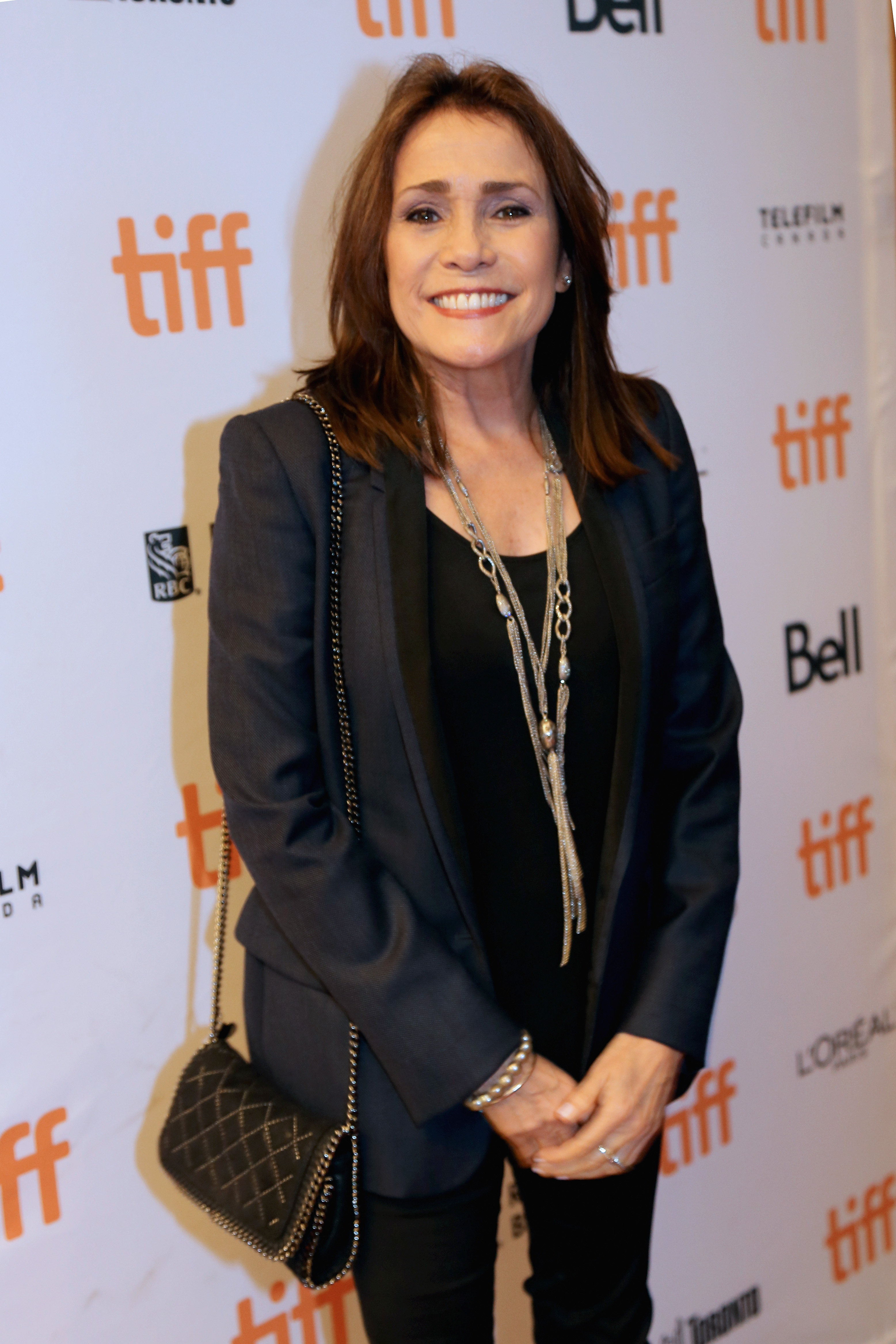
Camelia Kath has not lived like someone chasing constant attention. That makes her story more interesting in today’s media world. Many people now turn private life into content. They share family details, personal pain, and daily routines for public attention. Camelia Kath’s lower public profile offers a different lesson.
A person can be connected to famous names and still choose privacy. That choice should not be treated as a lack of importance. It may be a form of self-protection. It may also be a way to keep family life separate from public curiosity. In a culture that rewards overexposure, privacy can be powerful. It gives a person control over what is shared and what is kept personal.
Why Celebrity Media Repeats the Same Frame
The reason Camelia Kath is often framed as an “ex-wife” is not hard to understand. Search traffic rewards famous names. A headline with Kiefer Sutherland may get more clicks than a headline about a lesser-known actress and writer. That is how online publishing often works. Writers use the most searchable name to attract readers. But this creates a problem.
Over time, the repeated label becomes the person’s public identity. Readers begin to think that is all there is to know. This is why a better article about Camelia Kath should use Kiefer Sutherland as context, not as the center. The focus keyword should be Camelia Kath because she is the subject. His name can appear, but it should not control the story.
Her Career Shows the Value of Smaller Hollywood Stories
Not every Hollywood story is about awards, red carpets, or huge lead roles. Some careers are quieter. Some people work across acting, writing, production, makeup, or smaller creative jobs. IMDb’s main profile for Camelia Lynne lists work across several categories, including actress, writer, producer, additional crew, and makeup department.
That mix is worth noting. It suggests a person who was not limited to one simple role. It also reflects how many people survive in entertainment. They take different jobs. They move between creative and practical work. They support projects in more than one way. If an article only calls Camelia Kath an ex-wife, it misses this wider view of how Hollywood careers really work.
The Bigger Issue: Women Are Often Remembered Through Men
Camelia Kath’s story connects to a larger cultural issue. Many women in entertainment history are remembered mostly through their relationships with famous men. Their names appear in marriage timelines, divorce notes, and family trees. Their creative work is often pushed lower in the article or left out completely.
This does not mean every spouse of a celebrity needs to be treated like a major star. It means the writing should be balanced. If a woman has her own work, family history, public role, or private choices, those details should be included with care. Camelia Kath’s life gives writers a chance to do that. Her story can become more than a short note in Kiefer Sutherland’s biography.
How to Write About Camelia Kath With Respect
A respectful article about Camelia Kath should avoid gossip-heavy language. It should not make her life sound valuable only because of famous husbands. It should not invent private details or make unsupported claims about her money, feelings, or personal choices. Instead, it should use confirmed public facts and careful context. A strong article can include:
-
Her work as an actress and writer
-
Her public credits
-
Her marriages as part of her life story, not the whole story
-
Her role as a mother
-
Her connection to music and film history
-
Her privacy and low public profile
-
The media habit of reducing women to relationship labels
This kind of article gives readers useful information without turning Camelia Kath into gossip material. It also creates a stronger SEO article because it feels more original and thoughtful.
Final Thoughts
Camelia Kath’s story matters because it shows how easy it is to flatten a person’s life. Calling her “Kiefer Sutherland’s ex-wife” may be factually connected to her public story, but it is not enough. She had her own work in entertainment. She lived through more than one fame world. She raised a family. She stayed more private than many people linked to Hollywood.
Her story also shows a common problem in celebrity media: women are often remembered through men first and through themselves second. A better article can change that frame. It can mention Kiefer Sutherland without making him the main subject. It can talk about marriage without turning it into gossip. Most of all, it can give Camelia Kath the fuller, more human story that simple labels often hide.





One Comment