Water Heater Replacement: Signs, Costs, and Why Local Plumbing Is the Trusted Choice

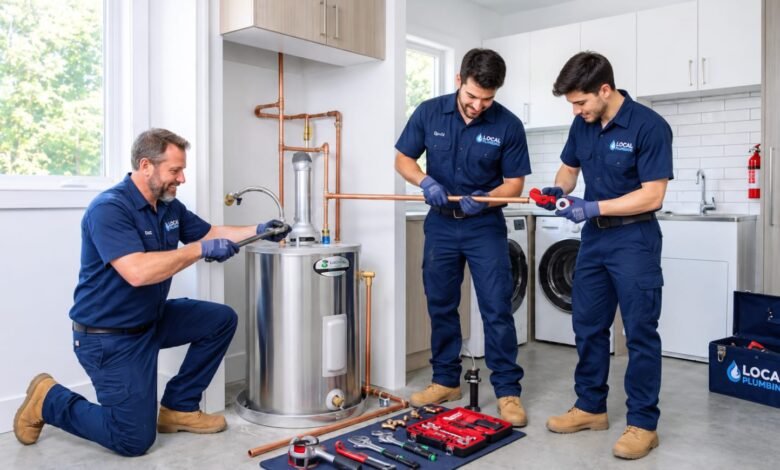
A hot shower feels like a small luxury until it suddenly disappears. If your mornings have been interrupted by lukewarm water, strange noises from the tank, or an unexplained spike in your utility bill, your water heater may be trying to tell you something. Knowing when to repair versus replace this essential appliance can save you money, stress, and the inconvenience of an unexpected breakdown.
At Local Plumbing, we’ve helped countless homeowners navigate this exact decision. This post walks you through the warning signs that signal it’s time for a new unit, what factors affect cost, and how professional installation protects your home and your wallet in the long run.
How Do You Know When It’s Time to Replace Your Water Heater?
Water heaters don’t usually fail without warning. They tend to give off subtle (and sometimes not-so-subtle) clues before they stop working entirely. Here are the most common signs homeowners should watch for:
Age of the unit. Most tank-style water heaters last between 8 and 12 years. If yours is approaching or has passed that mark, replacement should be on your radar, even if it’s still technically functioning.
Inconsistent water temperature. If your water runs hot, then cold, then lukewarm with no clear pattern, the heating element or thermostat may be failing.
Rusty or discolored water. Rust-colored water coming from your hot water tap often means corrosion inside the tank, which is a sign of internal deterioration that repairs can’t fix.
Strange noises. Rumbling, popping, or banging sounds usually indicate sediment buildup at the bottom of the tank. Over time, this sediment hardens and reduces efficiency, eventually leading to cracks.
Visible leaks or moisture around the base. Even small leaks can signal that the tank itself is compromised. Once a tank starts leaking, replacement is typically unavoidable.
Rising energy bills. As water heaters age, they lose efficiency. If your energy costs are climbing without a clear explanation, your unit may be working harder than it should to heat the same amount of water.
If you’re noticing two or more of these signs, it’s worth scheduling a professional inspection before a small issue turns into an emergency.
What Factors Affect the Cost of a New Water Heater?
Water heater costs vary based on several factors, and understanding them helps you plan ahead rather than face a surprise expense.
Type of unit. Traditional tank water heaters are generally more affordable upfront, while tankless units cost more initially but offer long-term energy savings and a longer lifespan.
Size and capacity. Larger households with higher hot water demand may need a bigger tank or a higher-capacity tankless system, which affects price.
Fuel source. Electric, gas, and propane water heaters each come with different installation requirements and operating costs.
Installation complexity. If your new unit requires updated venting, electrical work, or relocation, installation costs will reflect that additional labor.
Removal and disposal of the old unit. Proper disposal of your existing water heater is often included in professional installation services, but it’s worth confirming this upfront.
While cost is an important consideration, it shouldn’t be the only factor. Choosing a unit that’s appropriately sized and professionally installed will save you more money over time than opting for the cheapest available option.
Why Does Professional Installation Matter?
Installing a water heater involves more than connecting a few pipes. It requires proper venting, precise electrical or gas connections, and compliance with local building codes. Mistakes during installation can lead to inefficient performance, safety hazards, or even void the manufacturer’s warranty.
A professionally installed unit also tends to run more efficiently and last longer, since it’s set up correctly from day one. This reduces the likelihood of callbacks, leaks, or premature failure.
Why Choose Local Plumbing for Your Water Heater Needs?
Enjoy reliable hot water again without the hassle, backed by expert Water Heater Replacement from a team homeowners trust. At Local Plumbing, we understand how disruptive a failing water heater can be to your daily routine. That’s why our licensed technicians prioritize fast, accurate diagnostics and transparent recommendations, so you always know exactly what your home needs and why.
Our team works with a range of trusted water heater brands and models, ensuring we can recommend a solution tailored to your household’s size, budget, and energy preferences. Whether you’re considering a traditional tank system or exploring the long-term savings of a tankless unit, we’ll walk you through your options clearly, without pressure or upselling.
We also handle the details that homeowners often overlook: proper disposal of your old unit, code-compliant installation, and a final walkthrough to make sure everything is working as it should before we leave. Our goal isn’t just to install a new water heater; it’s to give you confidence that the job was done right the first time.
Protect Your Home with a Water Heater You Can Rely On
A failing water heater rarely improves on its own. The earlier you address the warning signs, the more control you have over the timeline, the cost, and the outcome. Waiting until a complete breakdown often means scrambling for an emergency replacement at the worst possible time.
If you’ve noticed any of the signs covered in this post, now is the time to have your system evaluated. Local Plumbing is ready to help you find the right solution for your home, backed by expert installation and honest guidance every step of the way.
Reach out to Local Plumbing today to schedule your water heater assessment and take the first step toward dependable hot water for years to come.
FAQ
How long does a water heater replacement typically take?
Most standard tank replacements can be completed in a few hours, though tankless installations or units requiring additional electrical or venting work may take longer.
Can I repair my water heater instead of replacing it?
Minor issues, like a faulty thermostat or heating element, can sometimes be repaired. However, if your unit is nearing the end of its lifespan or showing signs of tank corrosion, replacement is usually the more cost-effective long-term solution.
Is a tankless water heater worth the higher upfront cost?
Tankless units tend to have a longer lifespan and lower operating costs over time, making them a worthwhile investment for many households, especially those with consistent hot water demand.
Do I need a permit to replace my water heater?
Permit requirements vary by location. Local Plumbing can handle the necessary permitting and ensure your installation meets all local building codes.