Buying or Selling in a Regional Port City: What to Know About the Local Property Market

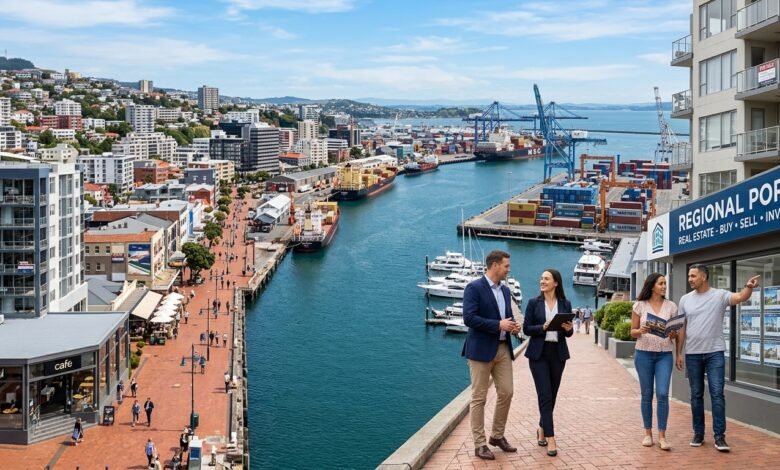
Property in a regional centre doesn’t behave like property in a capital city. Prices respond to different forces, buyers come from different places, and the right agent needs to understand local conditions rather than just national headlines. Gladstone, Queensland, is a good example: a working port city with an economy tied to resources, industry, and shipping, and a housing market that reflects it.
Whether you’re buying, selling, or investing, working with a knowledgeable local such as a Gladstone Real Estate professional can make a real difference. This guide explains what shapes a regional port-city market and what to consider at each stage.
What Drives a Regional Port-City Market
Property values in a city like this are shaped by several factors that differ from large metropolitan areas.
Major industry. Port operations, energy projects, and large industrial employers influence employment, population movement, and demand for housing. When projects ramp up, rental demand can climb quickly; when they wind down, it can ease.
Workforce mobility. Many people relocate for work, often for contracts or fixed periods. That affects the mix of owner-occupiers, renters, and investors.
Land supply and development. The availability of new estates and infill land affects how quickly supply can respond to demand.
Infrastructure. Roads, hospitals, schools, and port expansion influence which suburbs become popular.
Lifestyle appeal. Proximity to beaches, boating, fishing, and the Great Barrier Reef draws buyers who want a relaxed coastal environment without capital-city prices.
Because these drivers can shift, market conditions can change faster than in larger, more diversified cities.
Tips for Buyers
Understand the Local Cycle
Look at how prices and rental demand have behaved over several years, not just recent months. In regional economies tied to major projects, cycles can be pronounced, so it helps to know where the market sits in the cycle.
Research Suburbs, Not Just the City
Different suburbs offer different lifestyles, price points, and risks. Consider commute times, schools, shops, parks, and proximity to industrial areas. Visit at different times of day to get a sense of traffic and noise.
Check Flood and Weather Exposure
Coastal Queensland properties can be affected by storms, cyclones, and flooding. Check council flood maps, ask about insurance costs, and look at construction type and elevation. Insurance premiums can vary significantly, so get quotes before committing.
Inspect Thoroughly
Building and pest inspections matter everywhere, but especially in a warm, humid climate where termites and moisture problems are common. Ask about previous repairs, roof condition, and drainage.
Arrange Finance Early
Pre-approval gives you clearer boundaries and strengthens your position when making an offer. Speak to a broker or lender about borrowing capacity, deposit requirements, and available grants for first home buyers or eligible purchases.
Tips for Sellers
Price With Evidence
Overpricing can leave a property sitting on the market, while underpricing leaves money on the table. Recent comparable sales, current listings, and the property’s unique features should guide your price. A good agent explains how they arrived at their figure.
Prepare the Property
First impressions count. Simple steps include:
- Declutter and depersonalise rooms
- Repair visible defects such as leaking taps and cracked tiles
- Tidy gardens and clean exteriors
- Freshen paintwork where needed
- Ensure good lighting for photos and inspections
Present It Well
Quality photography, clear floor plans, and a well-written description help your property stand out online, where most buyers begin their search. Highlight practical features such as air conditioning, solar panels, storage, and outdoor entertaining areas, which matter in a warm climate.
Choose Your Sales Method
Private treaty, auction, and expressions of interest each suit different situations. Discuss the pros and cons with your agent, including timeframes, marketing costs, and how competitive the local market is.
Tips for Investors
Regional markets can offer higher rental yields than capital cities, but they can also carry greater volatility. Before investing:
- Study vacancy rates and how they’ve moved over time
- Understand tenant demand, including whether it depends on a few large employers
- Budget for maintenance, insurance, and management fees
- Consider property type, since houses, units, and townhouses attract different tenants
- Plan for downturns with adequate cash reserves
- Seek independent financial and tax advice
Diversification is important; relying heavily on one industry means your fortunes are tied to it.
What to Look for in a Local Agent
A good agent does more than list a property. When choosing one, consider:
- Local track record: Recent sales in your suburb and price range
- Communication: Prompt, clear, and honest updates
- Marketing approach: Online presence, photography, and buyer reach
- Negotiation skills: Evidence of achieving strong results for clients
- Transparency: Clear fees, agreement terms, and honest advice, including when a property needs work before sale
- Local knowledge: Understanding of suburbs, infrastructure plans, and market trends
Ask for references, compare more than one agent, and read agency agreements carefully before signing.
Legal and Practical Steps
Property transactions involve contracts, disclosure requirements, and settlement processes. Engage a conveyancer or solicitor early, understand cooling-off rules that may apply, and make sure you’re clear on what’s included in the sale, such as fixtures and fittings. Keep records of inspections, certificates, and correspondence.
Final Thoughts
A regional port-city market rewards buyers and sellers who understand the local forces behind it. Do your research, be realistic about pricing, inspect carefully, and surround yourself with people who know the area well. Whether you’re purchasing a family home, selling after years of ownership, or building an investment portfolio, a clear plan and sound local advice will help you make confident decisions.