Building Lasting Home Protection Through Quality Roofing and Preventive Care

A home’s roof does far more than complete its exterior appearance because it serves as the first line of defense against rain, wind, sunlight, temperature fluctuations, and other environmental challenges. Every day, roofing materials experience conditions that can gradually affect their strength, appearance, and ability to protect the structure beneath them. When a roof is properly installed and maintained, it helps preserve the home’s structural integrity, protects interior furnishings, supports comfortable indoor temperatures, and reduces the likelihood of expensive moisture-related repairs. However, even a well-constructed roofing system requires attention as it ages, particularly around flashing, drainage channels, roof edges, and other vulnerable areas. Understanding the relationship between roofing quality, regular maintenance, and long-term property protection allows homeowners to make informed decisions that support the safety, functionality, and value of their homes.
Understanding the Role of a Strong Roofing System
A reliable roofing system is made up of several components that work together to protect a residential property from external conditions. The visible roofing material provides the primary weather-resistant surface, while underlayment offers an additional layer of protection against moisture that may pass beneath the exterior covering. Flashing directs water away from vulnerable transitions, such as chimneys, vents, valleys, and roof intersections, while ventilation systems help manage heat and moisture in attic spaces. Roof decking provides structural support for the materials installed above it, making its condition equally important to the overall performance of the system. If any of these components becomes damaged, improperly installed, or neglected, the roof may gradually lose its ability to prevent water intrusion and withstand changing weather conditions.Homeowners sometimes focus exclusively on visible shingles or other exterior materials when evaluating roof quality, but problems can develop beneath the surface long before significant deterioration becomes obvious. For example, damaged flashing may allow water to enter around a chimney, while poor attic ventilation can contribute to condensation and moisture accumulation. Over time, these issues may affect wooden framing, insulation, ceilings, and interior walls. A comprehensive approach to roof care considers the condition of the complete system rather than treating individual materials as separate elements. By understanding how the different components work together, property owners can recognize the importance of professional inspections, appropriate repairs, and installation practices that support dependable performance throughout the roof’s service life.
Selecting Roofing Materials for Durability and Performance
Choosing suitable roofing materials is one of the most important decisions homeowners make when installing a new roof or replacing an aging system. Different materials offer distinct advantages in terms of appearance, durability, maintenance requirements, energy performance, and initial investment. Asphalt shingles remain a widely used option because they are available in numerous colors and styles, making them suitable for many residential designs. Architectural shingles provide additional texture and dimension, while quality products installed according to manufacturer specifications can offer dependable protection against ordinary weather exposure. Nevertheless, homeowners should consider more than appearance when comparing products because material quality, roof slope, ventilation, installation techniques, and exposure to severe weather all influence long-term results.
Metal roofing can provide another practical solution for homeowners seeking durability and a different architectural appearance. Depending on the product and installation method, metal systems can offer strong weather resistance, relatively low maintenance requirements, and a long service life. Other roofing materials, including tile and specialty products, may also be appropriate for particular architectural designs, although their weight, structural requirements, installation costs, and maintenance needs should be evaluated carefully. The best choice depends on the existing structure, the homeowner’s budget, the desired appearance, and the expected performance of the selected product. Consulting an experienced roofing professional can help property owners compare suitable options, understand product warranties, and select materials that provide an appropriate balance between immediate affordability and long-term value.
Recognizing Roofing Problems Before Major Damage Develops
Roofing problems rarely appear without warning, but the early signs can be easy to overlook when homeowners do not regularly examine their properties. Missing, cracked, curling, or loose shingles may indicate that exterior materials are deteriorating or have been affected by strong winds. Granules collecting in gutters can suggest that asphalt shingles are losing their protective surface, while damaged flashing and separated roof joints may create openings through which rainwater can enter. Homeowners should also pay attention to sagging roof sections, deteriorated edges, visible gaps, and debris accumulating in drainage areas. These conditions do not always indicate the same underlying problem, which is why an accurate assessment is necessary before deciding what type of repair is appropriate.Interior warning signs can be equally important because water sometimes travels through roofing layers and structural components before becoming visible inside a room. Brown ceiling stains, peeling paint, damp insulation, musty odors, and recurring moisture near upper walls may indicate that water is entering through the roof or a nearby exterior component. Ignoring these symptoms can allow moisture to spread into concealed areas, potentially damaging drywall, wooden framing, insulation, and decorative finishes. Homeowners should avoid climbing onto steep or slippery roofs to investigate suspected defects because falls and unstable surfaces present serious safety risks. Instead, they can observe visible conditions from the ground, check accessible attic spaces when safe, and arrange a professional inspection to identify the source of the problem and determine the most suitable repair strategy.
Why Professional Installation Makes a Significant Difference
The quality of a roofing installation directly affects how well the completed system performs under everyday weather conditions and during more severe storms. Even premium roofing materials can experience premature failure when they are installed incorrectly, fastened improperly, or combined with incompatible components. Professional installation involves preparing the roof deck, placing underlayment correctly, installing flashing at vulnerable transitions, following material-specific fastening requirements, and ensuring that water can move efficiently toward gutters and downspouts. Contractors must also account for the roof’s slope, ventilation requirements, structural condition, and the manufacturer’s instructions. Small mistakes in these areas can create weaknesses that gradually lead to leaks, material movement, and avoidable deterioration.
Selecting the right contractor is therefore an essential part of protecting a roofing investment. Homeowners should review relevant experience, insurance coverage, licensing requirements, customer feedback, written estimates, and warranty information before authorizing work. A detailed proposal should explain which materials will be used, whether existing roofing will be removed, how damaged decking will be addressed, and what cleanup or disposal services are included. Clear communication about scheduling, payment arrangements, project preparation, and unexpected repair costs can also prevent confusion during construction. Rather than choosing a contractor solely because of the lowest quotation, homeowners should evaluate the quality of the proposed work and the contractor’s ability to explain the complete project. A carefully selected professional can help ensure that the installation is performed correctly and that the homeowner understands the maintenance requirements of the new system.
Maintaining Shingle Roofs Through Consistent Preventive Care
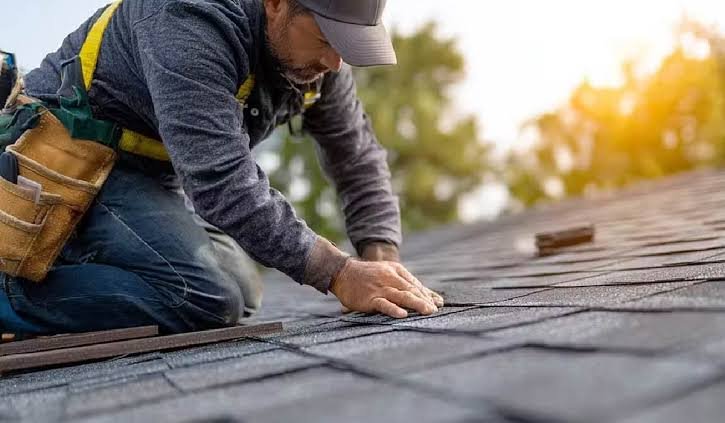
Regular maintenance helps preserve shingle performance by addressing conditions that encourage premature wear or interfere with proper drainage. Leaves, branches, dirt, and other debris can accumulate in roof valleys, around penetrations, and near gutters, creating areas where water movement becomes restricted. When moisture remains trapped around roofing materials, it may contribute to deterioration, especially if the affected areas already contain damaged shingles or weakened flashing. Gutters should also be maintained so that rainwater can flow away from the roof and toward appropriate drainage points. Overflowing gutters may allow water to reach exterior walls, damage fascia boards, or collect around the foundation, creating additional maintenance concerns beyond the roof itself.Homeowners should also monitor the condition of roof edges, exposed fasteners where applicable, flashing, and sealants around penetrations. These areas experience repeated exposure to temperature changes and moisture, which can gradually affect the materials used to create weather-resistant connections. However, routine maintenance should not involve applying random sealants or covering visible defects without identifying their cause. Such measures may hide a problem temporarily while allowing water to continue entering the structure. Professional inspections can determine whether a repair requires replacing damaged materials, correcting a drainage issue, improving flashing, or addressing a broader installation concern. Keeping records of completed maintenance and recurring problems also helps homeowners understand how the roof changes over time and when more substantial work may become necessary.
Improving Indoor Comfort Through Better Roof Performance
A roof influences indoor comfort because it separates the living environment from outdoor temperatures and weather exposure. During warmer periods, sunlight can heat the roof surface and increase attic temperatures, potentially transferring additional heat into the rooms below. During colder weather, insufficient insulation and uncontrolled air leakage can allow heated air to escape through the upper part of the building. These conditions may increase the workload placed on heating and cooling equipment, contribute to uneven indoor temperatures, and make certain rooms less comfortable than others. Although roofing materials alone cannot correct every energy-related problem, a properly designed roof assembly can support better overall building performance when combined with suitable insulation and ventilation.Homeowners planning roofing improvements should consider whether the attic has adequate insulation, whether ventilation pathways are functioning properly, and whether air leaks are contributing to unnecessary energy loss. Reflective roofing materials may reduce solar heat absorption under suitable conditions, while effective ventilation can help manage excess heat and moisture when designed appropriately for the building. These improvements should be evaluated as part of a complete system because ventilation requirements depend on the roof design, insulation arrangement, and applicable building standards. An experienced professional can help determine which improvements are suitable for the property rather than recommending unnecessary upgrades. By coordinating roofing work with other energy-efficiency measures, homeowners can improve comfort while protecting the structure from moisture-related complications.
Addressing Small Roof Repairs Before They Become Expensive
Minor roofing defects can develop into substantial problems when they remain exposed to repeated rainfall, wind, and temperature changes. A single damaged shingle may allow water to reach underlying layers, while a small gap around flashing can gradually affect roof decking and nearby structural materials. If moisture enters the attic or wall cavities, it may damage insulation, stain ceilings, weaken wood, and require interior restoration in addition to the original roof repair. These additional costs often make early intervention more practical than postponing maintenance until visible damage becomes extensive. Prompt attention also helps homeowners understand whether the issue is isolated or part of a larger pattern of deterioration.The correct repair method depends on the age of the roof, the type of roofing material, the location of the damage, and the condition of the surrounding components. Replacing a few shingles may be sufficient when the underlying structure remains sound, whereas repeated leaks across multiple sections may indicate broader concerns that require a more detailed assessment. A professional roofer should investigate the source of moisture, examine nearby flashing and underlayment where accessible, and explain which components need repair or replacement. Simply covering a water stain or applying sealant over a damaged area does not resolve the original problem unless the entry point has been properly identified and corrected. Taking a systematic approach to repairs protects the building and helps homeowners avoid repeated spending on temporary solutions that fail to address the cause.
Determining When a Roof Replacement Is Necessary
Every roofing system eventually reaches a point when replacement becomes more practical than continued repairs. The exact service life varies according to the material, installation quality, maintenance history, ventilation, and exposure to environmental conditions. As materials age, shingles may lose protective granules, flashing may deteriorate, and leaks may occur more frequently. When several areas begin failing within a relatively short period, the combined expense of repeated repairs can become difficult to justify. Widespread deterioration may also leave the roof vulnerable to future storms, increasing the risk of water intrusion and damage to the interior. In these situations, evaluating the condition of the entire roofing system can help homeowners determine whether replacement offers better long-term value.Age alone should not determine whether a roof needs to be replaced because two roofs of similar age may have significantly different conditions. One may have received regular maintenance and remain serviceable, while another may contain installation defects, extensive weather damage, or underlying structural concerns. Homeowners should consider the frequency of leaks, the condition of the roof deck, the extent of damaged materials, and the estimated cost of continued maintenance. A professional inspection can provide a clearer understanding of these factors and help compare the likely expenses associated with repair and replacement. Planning ahead also gives homeowners time to review materials, compare written estimates, arrange financing if necessary, and select an installation schedule that minimizes disruption to daily activities.
Preparing Roofing Systems for Severe Weather
Severe weather can expose weaknesses that may not be obvious during ordinary conditions. Strong winds can loosen shingles, hail can damage vulnerable roofing surfaces, and heavy rainfall can overwhelm blocked or undersized drainage components. Falling branches may puncture roofing materials, while repeated storms can worsen existing defects and create new entry points for water. Homeowners should therefore pay attention to roof condition before severe weather and arrange an inspection when they suspect that damage has occurred. Maintaining clear gutters, addressing loose materials, trimming hazardous branches where appropriate, and repairing deteriorated flashing can reduce certain risks, although no roofing system can be guaranteed to withstand every extreme event.After a storm, homeowners should look for visible damage from a safe position and document any concerns with photographs when possible. Interior inspections may reveal new ceiling stains, damp attic insulation, or other signs of water intrusion that were not present before the event. If water is actively entering the home, appropriate temporary protection may be necessary until permanent repairs can be completed. Homeowners should also retain inspection reports, repair estimates, photographs, and other relevant records when communicating with an insurance provider. Reviewing policy requirements and choosing a qualified contractor can help prevent confusion during the repair process. A careful response after severe weather supports timely restoration and reduces the chance that an initially manageable problem will cause further damage.
Building a Long-Term Roof Maintenance Plan
A structured maintenance plan makes it easier for homeowners to identify developing defects and manage roofing expenses over time. Instead of waiting for a leak or visible failure, property owners can schedule periodic professional inspections and arrange additional assessments after severe weather or when warning signs appear. These inspections should consider the condition of roofing materials, flashing, roof valleys, penetrations, drainage systems, and other areas where water may enter. Accessible attic spaces can also provide useful information about ventilation, insulation, and moisture conditions. The findings should be documented so that changes can be compared with previous inspections and repairs can be prioritized according to their urgency.A maintenance plan should reflect the specific needs of the roof rather than following the same schedule for every property. Older roofs, systems with a history of leaks, and homes exposed to substantial debris may require more frequent attention than newer roofs in good condition. Homeowners should keep records of installation dates, product details, warranties, contractor information, inspections, and completed repairs. These documents help when planning future improvements, evaluating recurring problems, and discussing the roof’s condition with a professional. Setting aside funds for routine maintenance and eventual replacement can also make roofing expenses more manageable. By treating roof care as an ongoing responsibility rather than an occasional emergency, homeowners can make more confident decisions and protect their properties over the long term.
Conclusion
A durable roof depends on the combined performance of quality materials, correct installation, effective drainage, suitable ventilation, and consistent maintenance. Homeowners who understand these elements are better prepared to recognize early warning signs, arrange appropriate repairs, and determine when replacement becomes the most practical investment. Paying attention to small defects, inspecting the roof after severe weather, and maintaining clear records can help reduce avoidable damage while preserving the building’s structural condition and indoor comfort. These proactive measures also make it easier to plan roofing expenses and select improvements according to the home’s actual needs.Working with a qualified professional for residential roofing, can help homeowners assess existing problems, compare suitable materials, and develop an effective plan for installation, repair, or replacement. A dependable contractor can evaluate the complete roofing system, explain available options, and recommend solutions that support durability without overlooking important structural or maintenance requirements. Consistent attention to roof condition provides lasting benefits by protecting interior spaces, supporting energy performance, and reducing the likelihood of recurring leaks. With informed decisions and a commitment to preventive care, homeowners can maintain a reliable roofing system that contributes to the comfort, safety, and long-term value of their property.