The Importance of Professional Roof Maintenance for Long-Lasting Property Protection

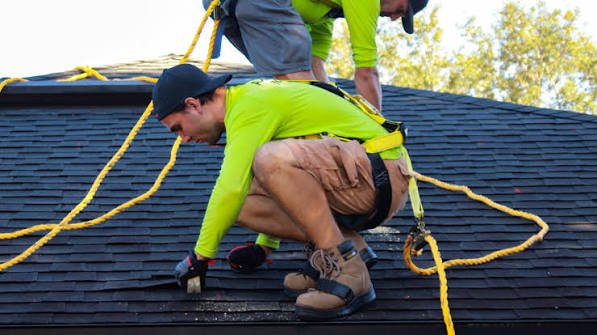
A roofing system is one of the most important investments in any residential or commercial property because it provides essential protection against rain, wind, sunlight, moisture, and changing weather conditions. Although roofs are constructed using durable materials, constant exposure to environmental elements can gradually weaken their performance and create problems that may not be immediately noticeable. Small cracks, loose shingles, damaged flashing, deteriorating seals, and drainage issues can eventually lead to water intrusion and structural damage if they are ignored. Regular maintenance and professional evaluations help property owners understand the condition of their roofing systems and determine whether repairs or improvements are necessary. A professional roof inspection allows experienced roofing contractors to identify potential concerns, examine important roofing components, and recommend suitable solutions before minor defects develop into expensive problems. Taking a preventive approach helps extend the useful life of roofing materials, maintain property value, and ensure that the building continues receiving reliable protection throughout the year.
Understanding Roof Maintenance
Roof maintenance is an important responsibility for every property owner because even high-quality roofing materials require attention throughout their service life. Continuous exposure to sunlight, rainfall, temperature fluctuations, and strong winds can gradually affect the condition of shingles, metal panels, flashing, underlayment, and other roofing components. Without proper maintenance, minor material deterioration may create openings that allow moisture to enter the structure and damage insulation, ceilings, walls, and wooden framing. Professional roofing contractors evaluate these components to determine whether the system remains in suitable condition or requires attention. Regular maintenance also helps property owners understand how their roofing materials are aging and which areas may need additional protection. A consistent maintenance strategy supported by professional evaluations can prevent unexpected roofing emergencies, reduce unnecessary expenses, and help preserve the performance of the entire roofing assembly for many years.
Detecting Problems Early
One of the biggest advantages of a professional roof inspection is the ability to identify developing roofing problems before they become serious. Many roofing issues begin as small defects that are difficult to recognize without proper experience, particularly when they occur around flashing, roof valleys, penetrations, and concealed connections. A loose shingle or deteriorating seal may not immediately cause visible interior damage, but continued exposure to rainfall can eventually allow water to enter the underlying structure. Roofing professionals understand these vulnerable areas and examine them carefully to determine whether repairs are necessary. They also look for signs of material deterioration, damaged edges, loose fasteners, and other conditions that could affect the roof’s protective capabilities. Identifying these concerns early gives property owners an opportunity to address problems before they spread, helping reduce repair costs and preventing unnecessary damage to other parts of the building.
Protecting Roofing Materials
Different roofing materials have different maintenance requirements, and understanding these differences is essential for maintaining long-term performance. Asphalt shingles can experience curling, cracking, granule loss, and displacement as they age, while metal roofing may develop loose fasteners, damaged protective coatings, or separation around panel connections. Flat roofing systems require attention to membrane conditions, seams, drainage points, and areas where standing water may collect. During a professional roof inspection, contractors evaluate these materials according to their construction and installation characteristics rather than relying only on their visible appearance. They can determine whether deterioration is limited to a particular section or indicates a more widespread problem affecting the roofing system. This detailed evaluation helps property owners make informed maintenance decisions and understand whether targeted repairs can restore protection or whether more extensive improvements should be considered.
Preventing Water Damage
Water intrusion is one of the most damaging roofing problems because moisture can gradually affect several structural components before becoming visible inside a building. A damaged shingle, separated flashing connection, cracked seal, or compromised roofing membrane can allow water to enter areas that are normally protected from outside conditions. Once moisture reaches the roof decking or insulation, it may contribute to wood deterioration, unpleasant odors, staining, and reduced insulation performance. Professional roofing contractors look for potential entry points and examine areas where water commonly collects or passes through the roofing system. A detailed roof inspection can also help identify conditions that may contribute to recurring leaks, allowing contractors to recommend appropriate repairs instead of simply treating visible interior symptoms. Addressing moisture problems at their source protects the structure, helps preserve interior finishes, and reduces the possibility of more extensive restoration work.
Checking Flashing Systems
Flashing is an important roofing component because it protects the joints and connections where roofing materials meet chimneys, vents, skylights, walls, and other structural features. These areas are particularly vulnerable to water intrusion because different building materials may expand, contract, and move at different rates as temperatures change. Over time, flashing can loosen, crack, separate, or develop gaps that allow rainwater to enter the structure. During a professional roof inspection, contractors examine flashing installations to identify damaged sections, deteriorating sealants, loose connections, and signs of previous water penetration. They also evaluate whether flashing is properly integrated with surrounding roofing materials so that water can move away from vulnerable areas. Maintaining these protective components is essential because even a small flashing defect can eventually create significant problems if it remains untreated.
Maintaining Proper Drainage
An effective drainage system helps protect the roofing structure by directing rainwater away from vulnerable areas instead of allowing it to accumulate on the surface. Gutters, downspouts, roof valleys, and drainage outlets must remain functional to prevent excessive water buildup around the roof and building exterior. Leaves, dirt, branches, and other debris can obstruct drainage pathways, causing water to overflow or collect near roof edges. Flat roofing systems require particular attention because inadequate drainage can create standing water that places additional stress on roofing membranes and increases the risk of deterioration. A thorough roof inspection includes evaluating visible drainage components and identifying areas where water movement may be restricted. Roofing professionals can recommend suitable cleaning, repairs, or drainage improvements based on the system’s design. Proper drainage maintenance helps protect fascia, soffits, exterior walls, foundations, and other components from unnecessary moisture exposure.
Evaluating Storm Damage
Severe weather can create roofing problems that are not always obvious immediately after a storm. Strong winds may lift shingles, loosen metal panels, damage flashing, or expose vulnerable sections of the roof to rainfall. Hail can produce cracks, dents, bruising, and surface deterioration depending on the roofing material and the severity of the impact. Heavy rain may reveal existing weaknesses around seams, penetrations, and drainage areas, while falling branches can cause direct damage to roofing materials and supporting structures. After significant weather exposure, a professional roof inspection helps determine whether the roofing system has experienced damage that requires attention. Contractors can document affected areas, explain the extent of visible deterioration, and recommend appropriate repair or restoration work. Prompt evaluation is especially important when temporary protective measures are needed to prevent additional water intrusion while permanent repairs are being arranged.
Improving Energy Efficiency
The condition of a roofing system can influence indoor comfort and energy consumption because the roof contributes to the building’s overall thermal protection. Damaged materials, inadequate ventilation, moisture problems, and deteriorating insulation can allow unwanted heat transfer and create inconsistent indoor temperatures. During warmer conditions, excessive heat accumulation in attic spaces may increase the workload placed on cooling equipment, while moisture-related insulation problems can reduce thermal performance. A professional roof inspection can help identify visible roofing conditions that may contribute to energy inefficiency and determine whether improvements should be considered. Roofing contractors may recommend addressing damaged materials, improving ventilation, or correcting insulation-related concerns when these issues are connected to roofing performance. Maintaining the complete roofing assembly helps property owners support indoor comfort and reduce unnecessary energy waste while protecting the building against environmental conditions.
Protecting Structural Components
A roof is more than an exterior covering because it works together with decking, underlayment, framing, insulation, and ventilation components to protect the entire structure. When roofing materials become damaged, moisture can gradually reach these underlying elements and weaken their performance. Wooden decking may develop deterioration, insulation can become damp, and supporting materials may experience damage when water intrusion continues over an extended period. These problems can become expensive because repairs may involve more than replacing the visible roofing material. During a professional roof inspection, experienced contractors evaluate accessible areas and look for warning signs that may indicate damage beneath the exterior surface. Identifying these concerns early allows property owners to arrange appropriate repairs before deterioration affects larger sections of the building. Protecting the underlying structure is essential for maintaining roof stability and preserving the long-term condition of the property.
Residential Roofing Care
Residential roofing systems protect homeowners, family members, personal belongings, and valuable interior spaces from environmental exposure. Because residential roofs may include asphalt shingles, metal panels, architectural shingles, or other materials, their maintenance requirements can vary considerably. Property owners should pay attention to missing shingles, damaged flashing, clogged gutters, ceiling stains, and visible changes in roofing appearance. However, many problems develop in areas that cannot be properly evaluated from the ground. Arranging a professional roof inspection helps homeowners understand the condition of their roofing systems and determine whether maintenance or repairs are necessary. Roofing professionals can explain the condition of important components, identify vulnerable areas, and recommend practical improvements based on the property’s construction and existing materials. Consistent attention to residential roofing helps prevent unexpected leaks, protects interior finishes, and supports the long-term value of the home.
Commercial Roofing Protection
Commercial buildings often have larger and more complex roofing systems that require careful maintenance to protect business operations, equipment, inventory, and employees. Depending on the building design, commercial roofing may include flat membranes, TPO systems, metal panels, modified bitumen, or other specialized materials. Each system has different installation details and maintenance requirements, making professional evaluations particularly important. Even a relatively small leak can affect electrical equipment, stored products, ceilings, and business operations if it remains undetected. A professional roof inspection helps commercial property owners identify material deterioration, drainage concerns, damaged seams, and other conditions that could interrupt normal activities. Roofing contractors can also help develop maintenance plans that consider the building’s usage, roofing material, and existing condition. Preventive attention supports business continuity, helps control maintenance expenses, and reduces the likelihood of unexpected roofing failures.
Choosing Roofing Professionals
Selecting an experienced roofing company is an important decision because the quality of professional guidance can directly influence the performance and durability of a roofing system. Property owners should look for contractors who understand different roofing materials, communicate clearly, and provide recommendations based on actual conditions rather than unnecessary upgrades. Experience with roof installation, replacement, repairs, storm damage, and maintenance can help ensure that different concerns receive appropriate attention. A knowledgeable contractor performing a roof inspection should be able to explain identified problems, discuss their possible consequences, and recommend practical solutions that match the roofing system. Houser Roofing offers roofing-related services designed to help property owners maintain, repair, and improve their roofing systems. Working with an experienced roofing company provides access to professional knowledge and suitable workmanship, making it easier to protect a property and plan necessary improvements with confidence.
Planning Long-Term Maintenance
Long-term roofing performance depends on consistent maintenance rather than waiting until serious problems become visible. Property owners should maintain clear gutters, monitor ceilings for signs of moisture, pay attention to damaged exterior materials, and arrange professional evaluations when significant weather events occur. Keeping records of previous repairs, roofing installations, and maintenance activities can also help contractors understand the system’s history and recognize changes in its condition. Different roofing materials may require different maintenance schedules, so recommendations should always consider the specific construction and condition of the roof. A professional roof inspection provides useful information for creating a maintenance strategy that addresses existing concerns while helping prevent future deterioration. When property owners take preventive maintenance seriously, they can better manage repair expenses, protect important structural components, and extend the useful life of their roofing investments.
Conclusion
Maintaining a dependable roofing system requires regular attention, professional knowledge, and timely action whenever potential problems develop. From damaged shingles and deteriorating flashing to drainage issues, storm damage, and hidden moisture concerns, even relatively small defects can affect the performance of an entire building when they remain untreated. Professional roofing services help property owners understand these conditions and determine which repairs or improvements are necessary to maintain reliable protection. A properly maintained roof also supports indoor comfort, protects structural components, and helps preserve overall property value. Choosing an experienced roofing contractor makes it easier to identify concerns, evaluate available solutions, and maintain the roofing system according to its specific requirements. Scheduling a professional roof inspection is a practical step toward identifying potential problems early and ensuring that the roof continues to perform effectively. With consistent maintenance and quality roofing services from Houser Roofing, property owners can protect their investments and maintain greater confidence in the durability and reliability of their roofing systems.