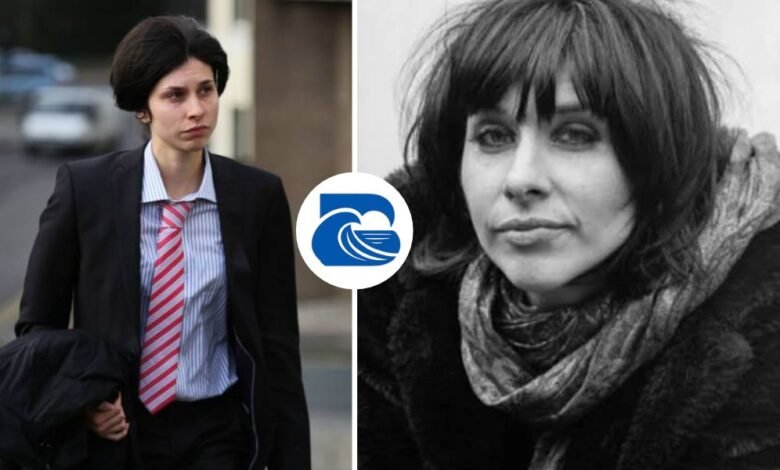
Natalie Ray Hynde is the daughter of two famous rock stars, Chrissie Hynde and Ray Davies. Her mother leads the rock band The Pretenders. Her father is best known as the lead singer of The Kinks. Both parents have made a huge mark on music. Yet Natalie chose a different path in life. She did not follow them into the music world. Instead, she became known for her work to protect nature and wildlife.
Natalie Ray Hynde gained public attention through her protests in England. She stood against road projects and oil drilling plans that she felt could harm the land. Her actions made news in 2013 and 2014. She also spoke about animal rights and clean energy. Her story is about more than famous parents. It is about a woman who chose to stand up for what she believed was right.
Who Is Natalie Ray Hynde?
Natalie Ray Hynde is a British environmental campaigner who became known for her work in Sussex, England. She was born in 1983 and grew up in North-West London. Her parents were already well-known musicians. This gave her a close link to the rock music world.
Yet she did not seek the same kind of fame. She chose to spend much of her time helping causes she cared about. Her public work focused on the natural world. She wanted to protect trees, animals, and land from harm. Her actions brought her into the news and helped more people learn about local environmental issues.
Natalie Ray Hynde’s Early Life and Childhood
Natalie grew up at a time when her parents had busy music careers. Her mother was making hit songs with The Pretenders. Her father had earned fame with The Kinks. Growing up in a well-known family meant that music was a part of her background.
Still, few public details are known about her early home life. Reports say she spent her childhood in North-West London. She later went to college and tried different kinds of work. Her life shows that a child of famous parents can have goals of their own. For Natalie, those goals became linked to the natural world.
Who Is Natalie Ray Hynde’s Mother, Chrissie Hynde?
Chrissie Hynde is an American singer and songwriter. She was born on September 7, 1951, in Akron, Ohio. She moved to England as a young woman and became a key figure in rock music. She formed The Pretenders in 1978. The band became famous for songs such as “Brass in Pocket,” “Back on the Chain Gang,” and “I’ll Stand by You.” Her strong voice and guitar work helped make the band a success.
Chrissie is also known for her love of animals. She has spent many years speaking against animal testing and the fur trade. She has supported plant-based food and animal welfare groups. These causes also became important to her daughter. Chrissie showed public support when Natalie joined protests in Sussex. Both women have used their voices to draw attention to issues that matter to them.
Who Is Natalie Ray Hynde’s Father, Ray Davies?
Ray Davies is an English singer, songwriter, and musician. He is best known as the frontman of The Kinks. The band became a major name in British rock during the 1960s. Its well-known songs include “You Really Got Me,” “Waterloo Sunset,” and “Lola.” Ray helped write many songs that shaped British rock music.
Ray and Chrissie had a relationship in the early 1980s. Their daughter, Natalie, was born in 1983. The couple did not marry. Both went on with their own lives and music careers. Natalie grew up with a family name linked to two major rock bands. Yet she did not build a public career as a singer. She became known for her work in environmental causes instead.
Does Natalie Ray Hynde Have Any Siblings?
Natalie has a younger maternal half-sister named Yasmin Kerr. Yasmin is the daughter of Chrissie Hynde and Jim Kerr, the lead singer of Simple Minds. Chrissie married Jim in 1984, and Yasmin was born in 1985. Natalie and Yasmin share the same mother but have different fathers.
Both sisters come from a family with deep roots in music. Their parents helped shape rock music across several decades. Yet the sisters have kept much of their personal lives away from the public eye. Natalie became more widely known through her nature protests. There is little verified public news about the sisters’ day-to-day relationship, so it is best not to guess about their private family lives.
Natalie Ray Hynde’s Education and Early Work
Natalie studied English Literature at King’s College London. Her education gave her a strong base in reading, writing, and language. Before she became a full-time campaigner, she tried several jobs. She worked as a model for a time. She also taught English as a foreign language. In a 2013 interview, she spoke about her past modeling work. She said it did not give her the sense of purpose she wanted.
She also worked as a painter and decorator after moving to East Sussex. Reports from 2013 say she lived in St Leonards-on-Sea. These jobs show that Natalie had a working life outside her parents’ fame. She did not depend on a music career to shape her public role. She found that work for the environment gave her a stronger reason to act.
Why Did Natalie Ray Hynde Become an Environmental Activist?
Natalie cared about what happened to wild places. She worried about the loss of trees, animals, and green land. She also spoke about the harm that pollution could cause. These concerns led her to join groups that tried to protect nature. She believed that people had the right to speak up when large projects could damage the land.
Her mother was also active in animal rights. This gave Natalie an example of how public action could bring attention to a cause. Yet Natalie had her own reasons for taking part. She focused on roads, energy projects, and the loss of wildlife homes. Her work showed that she wanted to take action, not just speak about her views.
The 2013 Combe Haven Valley Protest
One of Natalie’s best-known protests took place in East Sussex in January 2013. The local government planned a new road between Bexhill and Hastings. The route would pass through the Combe Haven Valley. This area had trees, fields, and homes for many kinds of wildlife. People who opposed the road feared that the work would damage the land.
Natalie joined a protest group called the Combe Haven Defenders. The group camped in the area and tried to stop trees from being cut down. Some members built treehouses and stayed in the woods during cold weather. Natalie also spent time at the camp. She spoke about the animals that lived there, including badgers, foxes, birds, and newts.
In late January 2013, police arrested Natalie after she attached herself to a tree high above the ground. Her arrest drew news coverage across Britain. The event helped more people hear about the road project and the group’s concerns. It also made Natalie a known face in the UK’s environmental protest movement.
How Chrissie Hynde Supported Her Daughter
Chrissie Hynde spoke in support of Natalie’s work during the road protest. She was pleased that her daughter wanted to protect the valley. Chrissie had already spent many years taking part in animal rights campaigns. She knew that public protests could bring both support and criticism.
The mother and daughter shared a concern for living things and the land. Their public work was not the same, but both were willing to speak about their beliefs. Chrissie used her music fame to support animal welfare. Natalie became known for taking part in protests on the ground. Their shared interest in these causes is one of the clearest public links between them.
Natalie Ray Hynde and the 2013 Anti-Fracking Protest
Later in 2013, Natalie joined another major protest. This time, it took place near the village of Balcombe in West Sussex. An energy company called Cuadrilla was carrying out test drilling for oil. Many local people feared that the work could lead to fracking in the area.
Fracking is a way to get oil or gas from deep underground. It uses water, sand, and other materials under high pressure to break rock. People who oppose the method worry about water safety, pollution, and damage to the land. The company said it was carrying out test drilling and had not received permission to frack at the site.
On July 31, 2013, Natalie and fellow campaigner Simon Medhurst joined hands around the entrance gate. They used glue to hold their hands together. The aim was to draw attention to the campaign. Police later separated them and made arrests. Their actions became national news because of the unusual form of protest and Natalie’s famous parents.
What Happened to Natalie Ray Hynde After Her Arrest?
Natalie’s protest led to a court case. On February 24, 2014, a court in Brighton found Natalie and Simon Medhurst guilty of blocking access to the drilling site. The court heard that their actions had delayed deliveries for about two hours. Natalie said she wanted to create a strong image that would help people learn about the protest.
The judge found that the action went beyond a fair use of the right to protest because it blocked access. Natalie received a 12-month conditional discharge. She also had to pay court costs and a victim surcharge. She admitted a separate charge linked to entering railway land during the protests.
The case showed that protest actions can have legal results. It also showed how far Natalie was willing to go to draw attention to the causes she supported. Her goal was to make people think about how energy projects could affect their land.
Her Views on Animal Rights and Vegan Living
Natalie has also spoken about animal welfare. Reports from 2013 described her as a vegan. Vegan people avoid food made from animals, such as meat, dairy products, and eggs. Many choose this way of life because they care about animal welfare, the environment, or both.
Her views are close to those of her mother, who has long supported animal rights. Natalie also cared about wild animals that could lose their homes when new roads or other projects were built. At Combe Haven, she spoke about the local wildlife that needed a safe place to live. Her work linked care for animals with care for the land around them.
Did Natalie Ray Hynde Follow Her Parents Into Music?
Natalie has two famous musicians as parents, but she did not build a public career in rock music. There are no well-documented major album releases or chart hits under her name. Instead, her public story has focused on teaching, everyday work, and environmental causes.
This makes her path different from what some people might expect. Many children of famous singers choose music or acting. Natalie found her own interests. Her work gained attention because it involved issues that affected local people and nature. Her story is a reminder that a famous family name does not decide a person’s future.
Natalie Ray Hynde’s Life Away From Fame
Natalie did not use every chance to seek the spotlight. In 2013, she told reporters that she cared more about her causes than her former modeling work. She also spoke about the daily life of people at protest camps. They lived in tents, faced cold weather, and shared food and supplies.
A profile published by The Guardian in 2014 also said Natalie volunteered at a bookshop and a homeless shelter. These roles were far from the music stages linked to her family. They showed another side of her public life. She spent time on work that helped people and supported causes she valued.
Where Is Natalie Ray Hynde Now in 2026?
Many readers want to know what Natalie Ray Hynde is doing today. Her best-known public work took place during the protests of 2013 and 2014. During those years, she lived in East Sussex and became a familiar name in news reports about the environment.
As of 2026, there is little recent, reliable public information about her current home, job, or day-to-day life. It would be wrong to claim that she still lives in the same place or works in the same field without fresh proof. She may still care about the same causes, but her current work is not well documented. What is clear is that her earlier protests left a record of her strong views on nature and the environment.
Why Is Natalie Ray Hynde’s Story Important?
Natalie’s story stands out because she made choices that were different from those of her famous parents. Chrissie Hynde and Ray Davies built careers in music. Natalie became known for helping protect wild places and speaking against projects she believed could cause harm.
Her protests also raised questions about how people can make their voices heard. Some people supported her actions. Others felt that blocking work sites went too far. Her court case showed how these views can meet in the real world. The wider lesson is that speaking up for a cause can bring public attention, but it can also bring legal duties and risks.
Natalie Ray Hynde’s public life shows how one person can help bring a local issue into a much larger debate. She may be known first as a rock star’s daughter, but her actions tell a story of their own.
Conclusion
Natalie Ray Hynde is more than the daughter of Chrissie Hynde and Ray Davies. She grew up with a famous family name, studied at King’s College London, and worked in several fields. She later became known for her environmental protests in Sussex. Her actions at Combe Haven and Balcombe brought national attention to the issues she cared about.
Although Natalie now keeps a low public profile, her earlier work remains part of her story. She chose to speak for nature, wildlife, and the land rather than follow a path in rock music. Her life shows how a person can build a name through personal beliefs and public action.