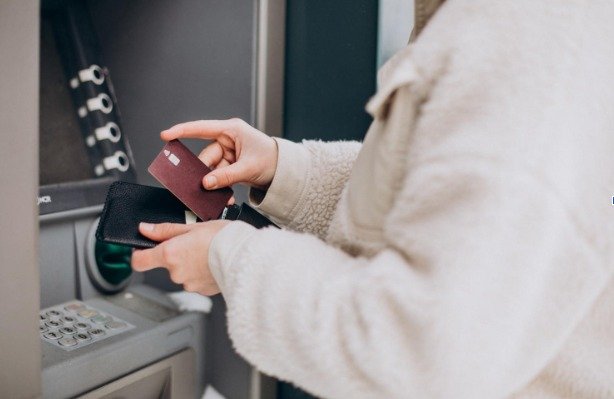
ATMs provide customers with convenient access to cash, but the physical machine is only one part of the system. Behind every successful withdrawal is a network of technology responsible for connecting the ATM with financial institutions, requesting authorization, completing the transaction, and recording the resulting settlement.
Understanding ATM machine processing can help retailers, independent ATM operators, and other businesses evaluate how ATM transactions work and what they should consider when choosing processing services. Network connectivity, transaction routing, security, reporting, equipment compatibility, and technical support can all affect the operation of an ATM.
What Is ATM Machine Processing?
ATM machine processing refers to the backend technology and services that allow an ATM to communicate with financial networks and complete transactions.
When a customer inserts or taps a card and requests cash, the ATM sends transaction information through its connected processing network. The transaction is routed to the appropriate financial network or institution for authorization. If approved, the ATM dispenses the requested cash and the transaction proceeds through the settlement process.
Processing services can therefore involve several functions, including:
- Transaction routing
- Authorization
- Network connectivity
- Settlement
- Transaction reporting
- Reconciliation
- Security monitoring
- Compliance support
Without an appropriate processing connection, an ATM cannot independently communicate with the financial networks needed to authorize cash withdrawals.
How Does an ATM Transaction Work?
A typical ATM withdrawal involves several steps.
First, the customer inserts, taps, or otherwise presents a payment card, depending on the capabilities of the machine. The customer then enters the required authentication information and selects a transaction, such as a cash withdrawal.
The ATM sends the transaction request through its processing connection. The relevant financial network communicates with the cardholder’s financial institution to determine whether the transaction can be approved.
If authorization is granted, the ATM dispenses the requested amount. The transaction is subsequently recorded for settlement and reporting.
The process occurs quickly, but multiple systems are involved behind the scenes.
Why Is Network Connectivity Important?
An ATM needs reliable connectivity to communicate with payment and financial networks. A connectivity problem can prevent transactions from being authorized or interfere with communication between the ATM and its processing platform.
Connectivity can be provided through different technologies depending on the equipment, location, and service arrangement. Businesses should consider whether an ATM processing solution supports the connectivity requirements of their machines.
Network registration is another consideration. Processing providers may have relationships or registrations with different payment networks, which can affect the cards and transaction networks accessible through an ATM.
The processing provider’s published information states that its ATM processing services support transaction routing, network registration, authorization, settlement, reporting, and compliance-related functions.
What Is ATM Network Registration?
ATM network registration allows a machine to connect to relevant card and payment networks through its processing arrangement.
Customers may carry cards issued by different financial institutions and operating across different networks. Broad network access can therefore be relevant to businesses that want their ATM to serve a wide range of cardholders.
Businesses evaluating processing providers can ask which networks are supported and whether there are restrictions based on location, machine type, or processing arrangement.
Network access is especially relevant in locations that receive customers from different geographic areas, where cardholders may use a wide variety of financial institutions.
How Does Settlement Work?
Authorization and settlement are related but different stages of a transaction.
Authorization determines whether a transaction can proceed. Settlement concerns the subsequent financial movement and reconciliation of funds associated with completed transactions.
For ATM operators, accurate settlement information is important for reconciling cash inside the machine with electronic transaction records.
Processing platforms may provide reports that help operators monitor transactions, surcharge amounts, settlements, and other relevant information. The specific reports available depend on the provider and processing arrangement.
What Role Does Security Play?
Security is a central consideration in ATM operations because machines handle payment credentials and cash.
Modern ATM environments can incorporate security measures involving encryption, secure network connections, protected PIN entry, monitoring, and physical safeguards. Equipment should also be maintained and inspected to identify potential tampering or other security concerns.
Businesses should understand their responsibilities as well as those of their processing provider. Outsourcing transaction processing does not necessarily eliminate all merchant or ATM operator security and compliance obligations.
When purchasing equipment, businesses may also compare available security features. Some ATM cash machines for sale support technologies such as EMV card processing and other security-related capabilities, depending on the model and configuration.
Why Is Transaction Reporting Important?
Transaction reporting allows ATM operators to review what is happening across their machines.
Useful reports may include:
- Transaction counts
- Withdrawal amounts
- Surcharge information
- Settlement records
- Declined transactions
- Machine activity
- Cash-related information
Reporting can help operators reconcile electronic transactions with physical cash and identify unusual changes in transaction activity.
For businesses operating multiple ATMs, centralized reporting can also make it easier to compare locations and identify machines that may require attention.
What Should You Consider When Choosing an ATM Processor?
Selecting a processor involves more than comparing transaction fees.
Businesses should consider:
Network Access
Determine which payment networks the processor supports and whether those networks meet the needs of the intended location.
Transaction Costs
Review processing fees, network fees, surcharges, and any other applicable charges. The complete cost structure is more useful than looking at one advertised rate.
Reporting
Ask what transaction and settlement reports are available and whether reports can be accessed online.
Technical Support
ATM operators should understand how technical issues are handled and whether support is available when a machine experiences connectivity or processing problems.
Compatibility
The processor should be compatible with the ATM hardware and software being used. Businesses purchasing new equipment should confirm processing requirements before completing the purchase.
Compliance
Ask what compliance-related services the processor provides and what responsibilities remain with the ATM owner or operator.
Does ATM Equipment Affect Processing?
Yes. The ATM itself must be compatible with the relevant processing environment.
Hardware can differ in areas such as:
- Card-reader technology
- Cash capacity
- Connectivity
- Screen configuration
- Accessibility features
- Security components
- Operating software
This means businesses should evaluate the machine and processing arrangement together rather than treating them as completely separate decisions.
For example, providers offering ATM equipment may sell models from manufacturers such as Genmega and Hyosung, with different configurations and specifications.
What About ATM Maintenance?
Processing keeps transactions moving through the financial network, but physical maintenance remains important for reliable ATM operation.
Routine maintenance may involve checking:
- Card readers
- Cash cassettes
- Receipt printers
- Keypads
- Displays
- Locks
- Network equipment
- Software and firmware
A processing issue and a mechanical issue are not necessarily the same. An ATM can have an active network connection while experiencing a hardware problem, or it can have fully functional hardware but lose its processing connectivity.
Understanding this distinction can help operators identify the appropriate source of a problem more quickly.
Conclusion
ATM machine processing connects the physical ATM to the financial networks and systems required to authorize transactions, dispense cash, settle funds, and produce transaction records. For businesses and ATM operators, evaluating network access, processing costs, reporting, security, compatibility, technical support, and compliance responsibilities can help create a more dependable operating setup. At Best Products Sales & Service, we provide ATM processing solutions that include transaction routing, network connectivity, authorization and settlement, reporting, and processing support. We also work with ATM owners and businesses that need equipment and related services, allowing us to address both processing and operational requirements.