

Many business owners pay for a website and feel happy on launch day. The design looks clean. The pages work. The forms send messages. But after some time, a problem can appear. The owner may need a new feature, a new page, or a new developer. Then they learn that changing the website is not easy.
This is called vendor lock-in. It means a business depends too much on one company, one tool, or one closed system. The business may not fully control its website, data, code, or future updates.
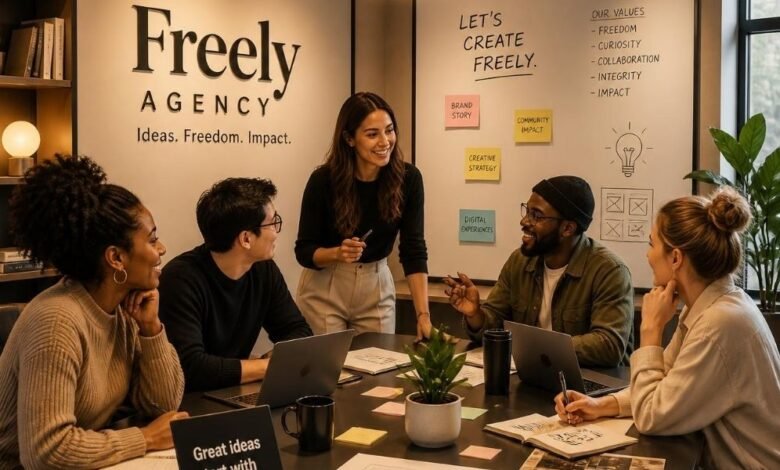
This is where Freely Agency becomes an interesting example. Freely Agency presents itself as a serious web development agency that uses modern tools, open communication, and open-source technology. Its message is not only about building websites. It is also about giving clients more freedom and long-term control.
What Is Vendor Lock-In?
Vendor lock-in happens when a client cannot easily leave a service provider. This can happen in web design, software, hosting, e-commerce, and many other digital services.
A business may feel trapped because:
-
The website uses a private system.
-
The code is hard for others to edit.
-
The data is not easy to export.
-
Only one agency understands the setup.
-
Moving away costs too much money.
At first, this may not seem serious. But over time, it can hurt growth. A simple change may become slow and expensive. A new developer may not be able to help. The business may lose speed, control, and choice.
Open standards are often used to reduce this risk. The UK government’s open standards guidance says open standards can help avoid lock-in to one technology or supplier.
The Real Pain for Business Owners
Vendor lock-in is not just a technical issue. It is a business issue. A small company may spend money on a website and expect it to support future growth. But if the site is locked into one vendor, every future step can become harder.
For example, a company may want to:
-
Add online payments.
-
Connect a CRM tool.
-
Improve site speed.
-
Change the design.
-
Move to better hosting.
-
Add new SEO pages.
If the site is locked, each task may need the same original provider. The business owner may not be able to compare prices or hire another expert. This can make the website feel less like an asset and more like a problem.
That is why the idea behind Freely Agency is useful. The name itself suggests freedom. More important, its public message also focuses on openness, long-term cooperation, and practical technology choices.
Freely Agency’s Open-Source Approach
Freely Agency says it values open-source technologies. One testimonial on its website praises the agency’s flexibility, openness, informal agile approach, and open-source technologies. The same testimonial says these technologies help clients run systems where needed and avoid being dependent on the original application authors for future development.
This is a key point. Open-source technology can make a project easier to maintain because the code and platform are not fully hidden behind one private vendor. It does not mean every project is simple. It also does not mean there is no cost. But it can give a business more options.
A company can work with the first agency, but it may also have a better chance of bringing in other developers later. That can protect the business from being stuck.
Drupal and Complex Web Projects
Freely Agency also highlights Drupal as part of its web development work. The agency describes Drupal as a powerful CMS for complex solutions. It also notes Drupal’s development base, large functionality, API-first support, decoupled systems, and e-commerce support.
This matters because complex websites need strong foundations. A basic website may only need a few pages. But a larger business may need user accounts, product data, content workflows, system integrations, and performance planning.
For these cases, the platform matters. A poor platform choice can create lock-in. A stronger open-source CMS can give the client more room to grow. This is one reason the Freely Agency angle works well for an article about digital freedom.
Website Ownership Is More Than a Login
Many clients think they own a website because they have an admin login. But real ownership goes deeper than that.
A business should understand:
-
Who controls the hosting?
-
Who owns the domain?
-
Can the data be exported?
-
Can another developer work on the code?
-
Are standard tools used?
-
Is the site documented well?
-
Are passwords and access clear?
A login is helpful, but it is not enough. True ownership means the business can keep moving even if it changes suppliers later.
Freely Agency’s message fits this concern because it talks about freedom from dependence in future development. That idea can help business owners ask better questions before they buy a website.
Transparency as a Business Value
Freely Agency also presents transparency as part of its working style. On its website, the agency says the customer is not a master but a partner. It also says it will talk clients out of requirements that are not cost-effective and suggest better solutions.
This is important because lock-in is often not clear at the start. A client may not know which choices will limit them later. They may ask for a feature that sounds good but adds cost and risk. A transparent agency should explain the trade-off.
For example, a custom feature may look useful. But if it is built in a closed way, it may be hard to maintain. A good agency should explain that before the client pays for it.
The Surprising Benefit of Saying “No”
Many agencies try to please clients by saying yes to every request. This can feel good at first. But it can create waste. A website can become heavy, slow, and hard to manage.
Freely Agency’s claim that it may talk clients out of poor requirements is a strong point for this article. It shows that good web work is not only about coding. It is also about judgment.
Sometimes, the best answer is:
-
Do not build that feature yet.
-
Use a simpler tool.
-
Test the idea first.
-
Start with a smaller version.
-
Avoid custom work if a stable option exists.
This can save money. It can also reduce future lock-in. A simple and clean system is often easier to move, update, and improve.
Long-Term Cooperation Without Long-Term Trapping
There is a difference between long-term cooperation and vendor lock-in. Long-term cooperation is a choice. Vendor lock-in is a trap.
Freely Agency says that its work does not end after a website launch. It says the real work begins there, and that long-term systematic cooperation brings results.
This is a healthy idea when the client still has freedom. A business may choose to stay with an agency because the service is good. That is different from being forced to stay because the website cannot be managed by anyone else.
The best client-agency relationship should be based on trust, not fear. The client should stay because the agency adds value, not because leaving is impossible.
Integration Can Also Create Lock-In
Freely Agency says modern websites often need third-party integrations. It mentions professional systems used by clients and automation in logistics, analytics, and marketing.
This is another place where lock-in can happen. A website may connect to many tools. These tools may handle leads, orders, emails, stock, payments, or reports. If these links are built poorly, the business may struggle to change any part of the system.
Good integration should be planned with care. It should not only work today. It should also make sense tomorrow. Clear structure, good documentation, and standard methods can help the business avoid future problems.
Quality, Speed, and SEO Depend on Good Foundations
Freely Agency says quality assurance is part of its process. It mentions double code checking, QA involvement, and careful planning for production deployment. It also highlights performance work, cache systems, monitoring, and technical SEO preparation such as metadata and redirects.
These details matter because lock-in is not only about who owns the code. It is also about how well the website is built. Bad code can become another kind of lock-in. A business may be stuck not because the system is closed, but because the site is too messy to update safely.
Clean code, testing, speed work, and proper redirects help protect the value of a website. They also make future changes less risky.
What Business Owners Can Learn From Freely Agency
The bigger lesson from Freely Agency is simple. Before buying a website, business owners should ask about freedom.
They should ask:
-
Will I own my domain, content, and data?
-
Can I move the website later?
-
Is the platform open-source or closed?
-
Can another skilled developer maintain it?
-
Are integrations documented?
-
What happens after launch?
-
Will I get honest advice if my idea is too costly?
These questions can stop problems before they start. They also help clients choose a better web partner.
A good website should not just look nice. It should give the business control. It should support growth. It should not trap the owner inside one supplier’s system.
Final Thoughts
Freely Agency is useful to study because its message connects web development with freedom. It talks about open-source technology, transparency, long-term cooperation, Drupal development, integrations, QA, performance, and SEO support.
The main lesson is clear. A website should be built for the client’s future, not only for launch day. Business owners need tools they can control. They need systems that can grow. They need partners who explain risks clearly.
Vendor lock-in can cost money, time, and trust. A more open approach can give businesses more choice. That is why Freely Agency and the fight against vendor lock-in is a strong article topic. It is not just about one agency. It is about a real problem every modern business should understand.